Saved
Culture · Ingredients

Pasta

Pasta didn’t cross the Silk Road—it crossed the Mediterranean. And Marco Polo never carried it.

Worth your time?4.5/5Yes.Cook the whole thing.What works, what does not, who it is for ↓
9:23in productionCh. 1 · Sicily, not Shangdu/ 9:23 · ceiling 15 min
4 chapters · 9:23Ceiling 15:00

The brief is written and checked. The video joins this page when it is cut.4 chapters · 1 min read · 9:23 planned

Read the brief

Pasta is a durum-wheat staple whose documented Italian emergence dates to the 13th or 14th centuries in Sicily. Its origin lies in Mediterranean exchange—not Chinese importation, nor Etruscan antiquity. It matters now because its contested history reveals how food becomes ideological terrain.

Chapters & takeaways4
  1. 0:56
    Sicily, not Shangdu

    Pasta arrived in Italy through Sicily in the Middle Ages—not from China, and not with Marco Polo.

  2. 2:36
    Two Myths, One Erasure

    The Marco Polo myth persists despite being debunked. So does the Etruscan claim—despite lacking archaeological proof.

  3. 4:33
    Durum Only, Dough Everywhere

    Durum wheat was non-negotiable at first. But ‘dough-based foods’ existed widely—pasta is specific, not universal.

  4. 5:49
    Han Noodles, Florentine Fantasies

    Wheat noodles were prominent in Han dynasty China. Boccaccio’s 14th-century Decameron proves pasta was already embedded in Italian imagination.

1 more chapterFewer chapters
Worth your time?

Yes. Cook the whole thing.

4.5/ 5
What works
  • Boccaccio's The Decameron (14th century)
What does not
  • Marco Polo introduced pasta to Italy
  • Etruscans ate pasta
Cook it if
  • readers who track how stories replace evidence
Skip it if
  • those seeking recipes or restaurant recommendations
Who should cook it, and who should skipHide who it is for
The written brief1 min read

What the thing is

Pasta is a durum-wheat dough food, shaped and dried, cooked in boiling water. It is not one dish but a category defined by form, process, and grain.

Where it came from

Pasta in a form recognisable today entered Italy through Sicily in the Middle Ages. Wheat noodles existed earlier in China during the Han dynasty. Ancient Mediterranean cultures made dough-based foods resembling pasta—but none match the Italian medieval product in documented form or function.

What it gets right

Pasta was introduced to Italy via Sicily in the Middle Ages through Mediterranean trade networks. It was originally made only with durum wheat. The first concrete evidence of pasta in Italy dates to the 13th or 14th centuries.

What it gets wrong

It wrongly credits Marco Polo with introducing pasta to Italy. It wrongly treats Etruscan pasta claims as credible—food historians reject them for lack of archaeological support.

Why it matters now

Because pasta’s origin story is weaponised: to assert cultural primacy, erase trade, and flatten colonial entanglements. Its real history undermines nationalist culinary mythmaking.

Is it worth your time

Yes—if you care how myths harden into fact, and who gets erased when food becomes national property.
Same course · Culture4 of 156
8:51
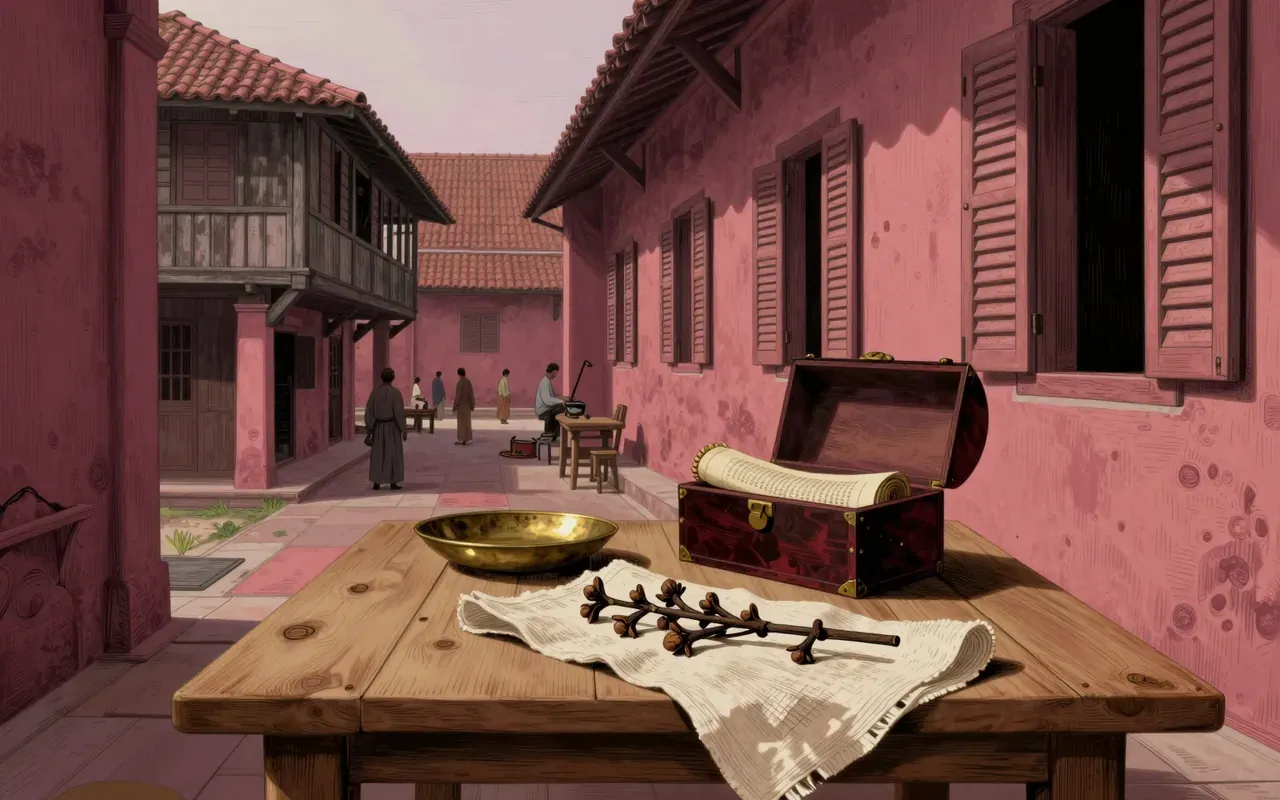
CloveCloves are the aromatic flower buds of Syzygium aromaticum, native exclusively to the Maluku Islands in Indonesia. They were first traded by Austronesian peoples around 1500 BC. Archaeological evidence places them in Syria by 1720 BC and Rome by the first century AD. Textual references appear in the Ramayana and Charaka Samhita. Until the colonial era, they grew only on five islands in the Moluccas—Bacan, Makian, Moti, Ternate, and Tidore.
9:51
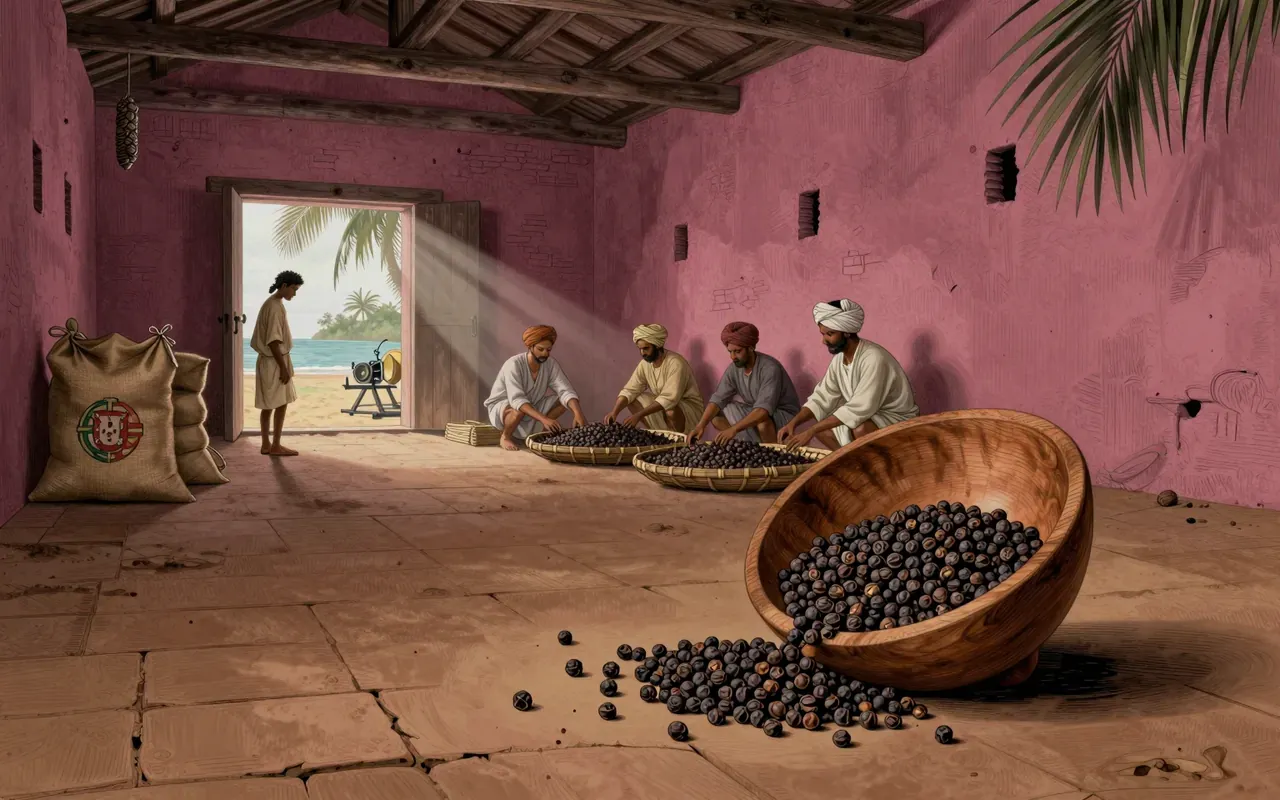
Black pepperBlack pepper is the cooked and dried unripe fruit of Piper nigrum, native to South Asia and used in Indian cooking since at least 2000 BCE. Its pungency comes from piperine — not capsaicin — and it was a widespread, expensive seasoning in the Roman Empire. It is botanically precise, historically deep, and globally consequential — yet routinely misdescribed as simply 'spicy'.
8:50
CaviarCaviar is a tightly defined food product whose contested boundaries reveal deeper tensions: between conservation law and culinary habit, between shared origins and national mythmaking, between trade terminology and elite branding.
9:12
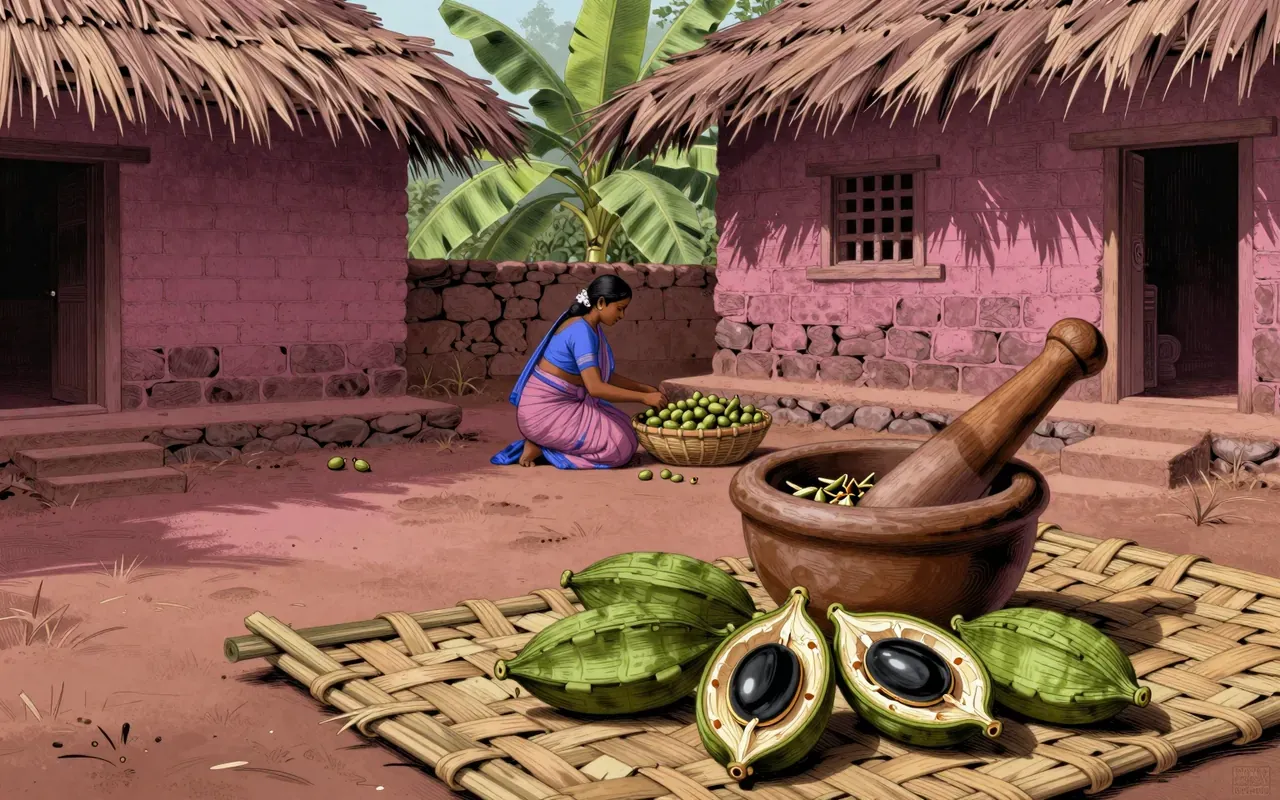
CardamomCardamom is a spice derived from Elettaria and Amomum plants native to the Indian subcontinent, Indonesia, and broader tropical/subtropical Asia. Its use dates to ancient Sumer and Ayurveda, with trade beginning by the third millennium BCE. In 2022, global production reached 138,888 tonnes, dominated by India, Indonesia, and Guatemala—yet India remains less productive than Guatemala even in high-yield years.
Up next in Food

Peking duck

· 9:25

Peking duck isn’t ancient tradition—it’s imperial branding, refined by Beijing restaurants over six centuries.

9:25