9:51in productionCh. 1 · It’s not a spice. It’s a fruit./ 9:51 · ceiling 15 min
Culture · Ingredients
Black pepper
Black pepper isn’t hot — it’s pungent. And its dominance has nothing to do with flavour alone.
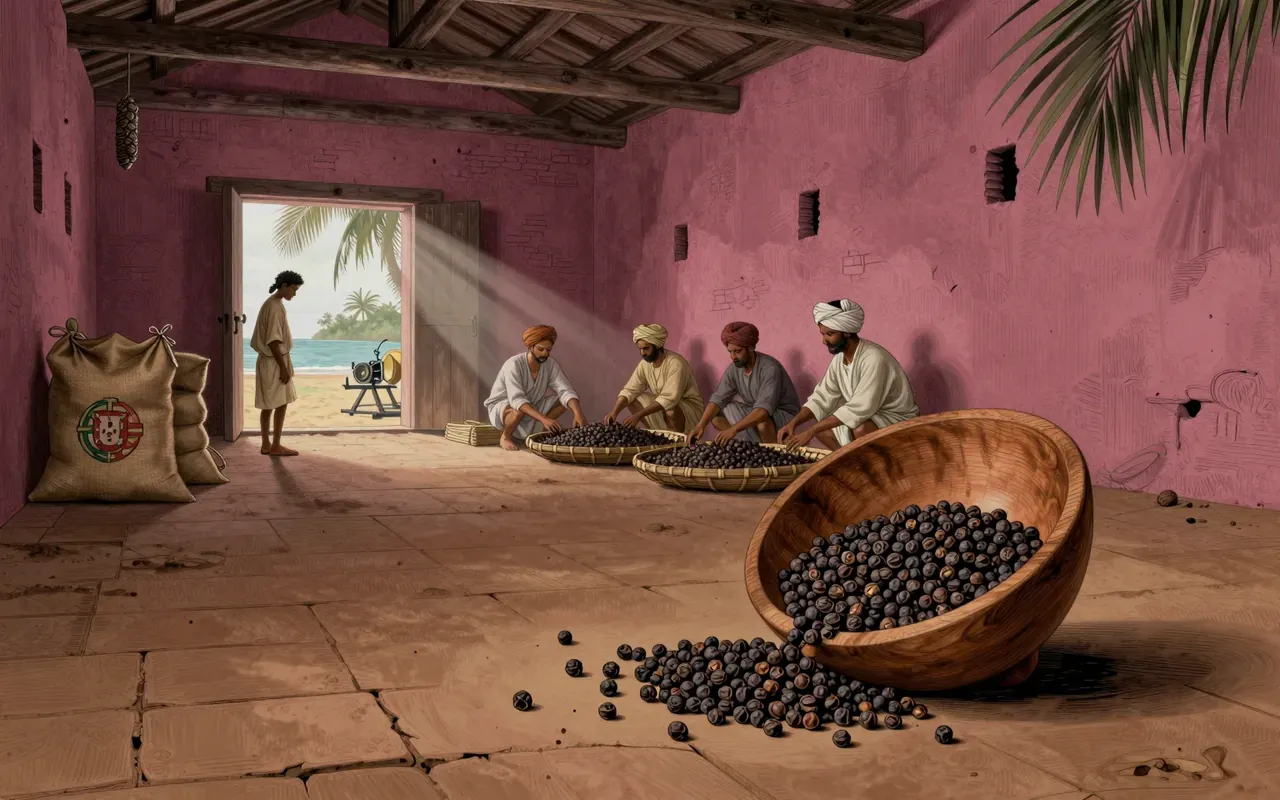
Black pepper is the cooked and dried unripe fruit of Piper nigrum, native to South Asia and used in Indian cooking since at least 2000 BCE. Its pungency comes from piperine — not capsaicin — and it was a widespread, expensive seasoning in the Roman Empire. It is botanically precise, historically deep, and globally consequential — yet routinely misdescribed as simply 'spicy'.
Black pepper is not a grain or a seed — it’s a cooked, dried drupe.
2:08
Older than Rome, older than writing in many places.
Its roots are in South Asia — and its culinary history begins over four millennia ago.
3:49
Pungent, not hot.
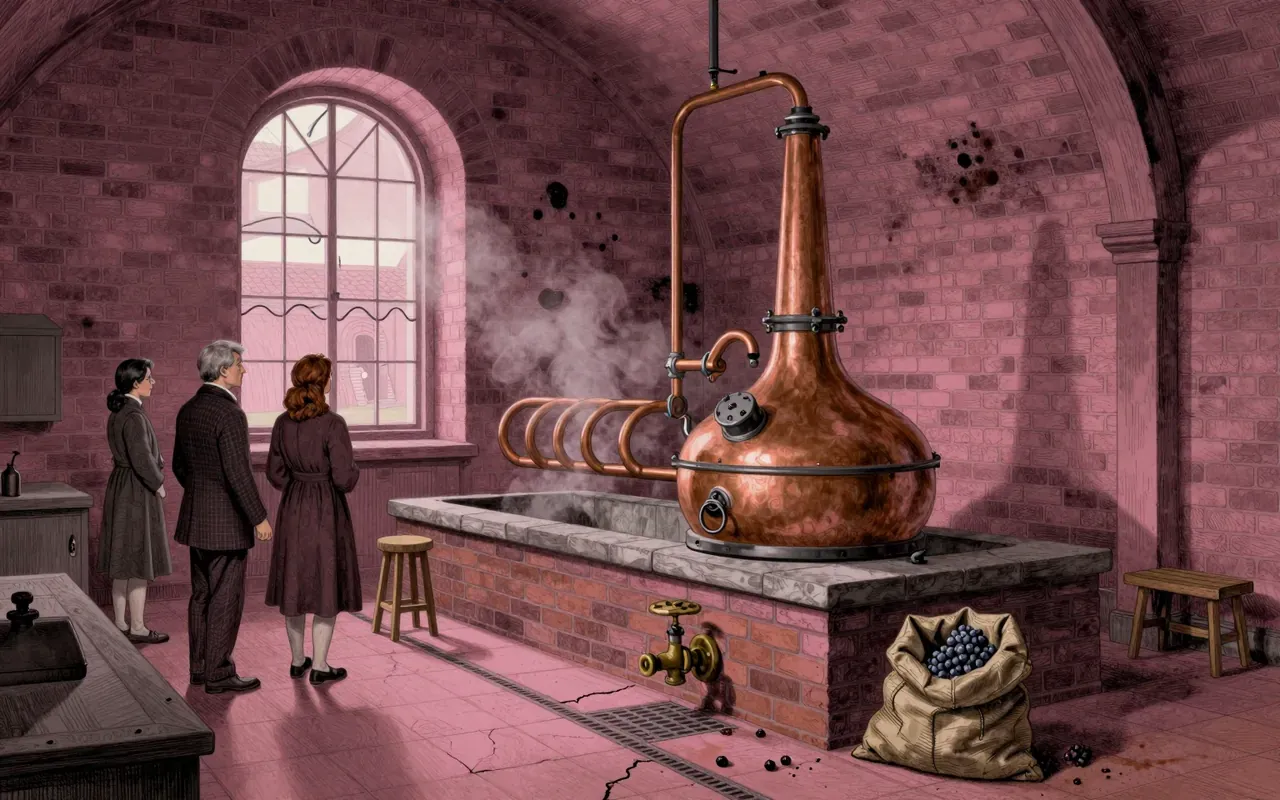
Its bite comes from piperine — a compound unrelated to chilli heat.
5:29
The first global luxury.
It was expensive but ubiquitous in the Roman Empire — a luxury with mass reach.
Worth your time?
Yes. Cook the whole thing.
4.5/ 5
What works
as a case study in botanical precision
as evidence of pre-modern global exchange
as a corrective to lazy food writing
What does not
iconic
groundbreaking
seminal
Cook it if
cooks
historians of trade
botanists
Skip it if
casual diners seeking flavour notes
The written brief1 min read
What the thing is
Black pepper is the cooked and dried unripe fruit of Piper nigrum, a flowering vine. Each fruit is a dark red drupe, 5 mm wide, containing one seed.
Where it came from
It is native to South Asia — possibly also Southeast Asia — with documented use on India’s Malabar Coast and in Indian cooking since at least 2000 BCE.
What it gets right
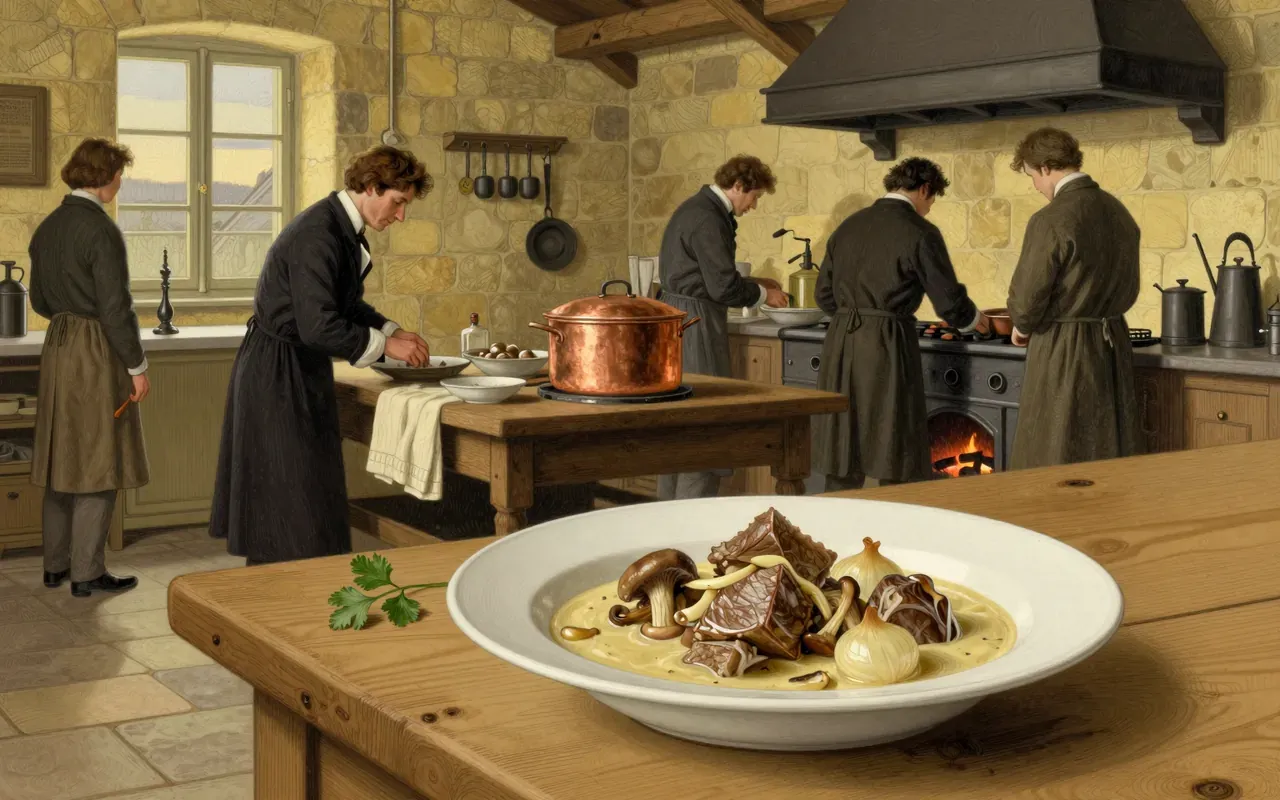
It delivers consistent, pungent heat via piperine. It preserves well when dried. It travels intact across continents. It integrates into complex dishes without dominating them.
What it gets wrong
It is not spicy in the same way as chilli peppers. Its heat is sharper, shorter, less numbing, and chemically unrelated to capsaicin. Calling it ‘hot’ without that distinction misleads.
Why it matters now
It remains the world’s most traded spice. Its ancient supply chain — from Malabar to Rome — prefigures modern global commodity logistics, yet its botanical specificity is routinely erased in food writing.
Is it worth your time
Yes — if you want to understand how a single plant reshaped global trade, cuisine and medicine without ever being a staple food.