9:44in productionCh. 1 · The Recipe/ 9:44 · ceiling 15 min
Culture · Dishes
Poutine
1950
A dish defined by three things became a battleground for who gets to define Canada.
Poutine is not an idea—it is three things, placed together in a specific place and time. Its meaning changed because people argued over it, not because it was declared important.
Three ingredients. One name. First on a menu in 1957.
2:14
The Origin
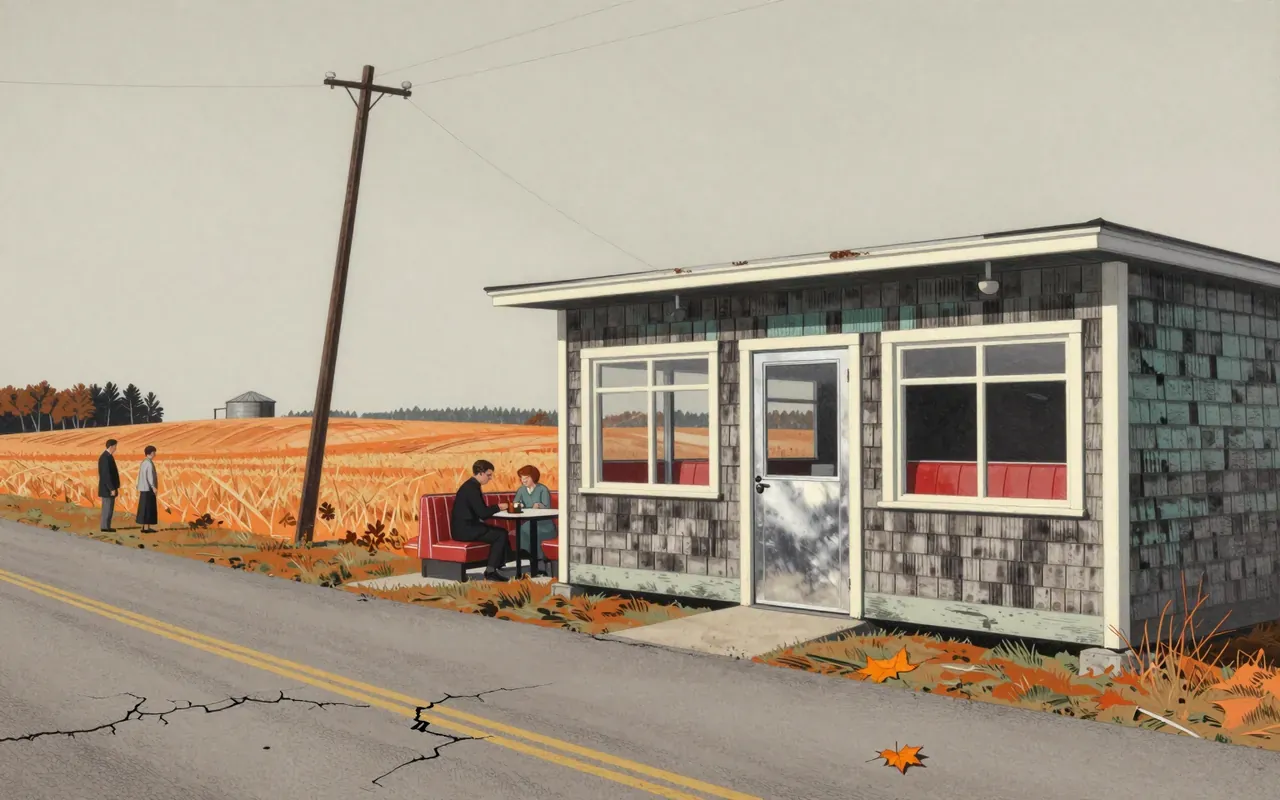
Centre-du-Québec, late 1950s—no single inventor, multiple origin claims.
4:12
The Stigma to Symbol Shift
It was mocked before it was claimed—as stigma, then symbol.
5:55
The Proliferation
It spread across Canada—and fractured into variations so divergent they challenge its own definition.
Worth your time?
Yes. Cook the whole thing.
4/ 5
What works
as a case study in symbolic reversal
as evidence of contested cultural ownership
as a counterpoint to narratives of organic national unity
What does not
culture/art
culture/literature
culture/photography
culture/movements-and-scenes
Cook it if
people who study how food carries meaning
readers tracking cultural reappropriation in real time
Canadians parsing regional vs national symbolism
Skip it if
those seeking culinary technique
historians of pre-1950s Canadian foodways
fans of fusion or gourmet reinterpretation
The written brief1 min read
What the thing is
Poutine is a dish of french fries, cheese curds, and brown gravy.
Where it came from
It emerged in Centre-du-Québec, Quebec in 1959. Fernand Lachance served fries with cheese curds at Le Café Idéal in 1957; ‘poutine’ appeared on that menu.
What it gets right
It names three ingredients plainly: fries, cheese curds, brown gravy. Nothing more. Nothing less.
What it gets wrong
It invites endless variation—so much that some call it a new dish classification—yet the original definition excludes all of them.
Why it matters now
It shows how cultural reappropriation works—not as consensus, but as friction: between mockery and pride, local claim and national adoption, simplicity and proliferation.
Is it worth your time
Yes—if you care how a mocked regional snack becomes contested national shorthand.