What the dish is and where it came from
Nouvelle cuisine is not a dish. It is a French culinary movement from the 1960s that redefined restaurant cooking through lighter preparations, shorter menus and fresher ingredients.
How it works, in terms someone would actually use
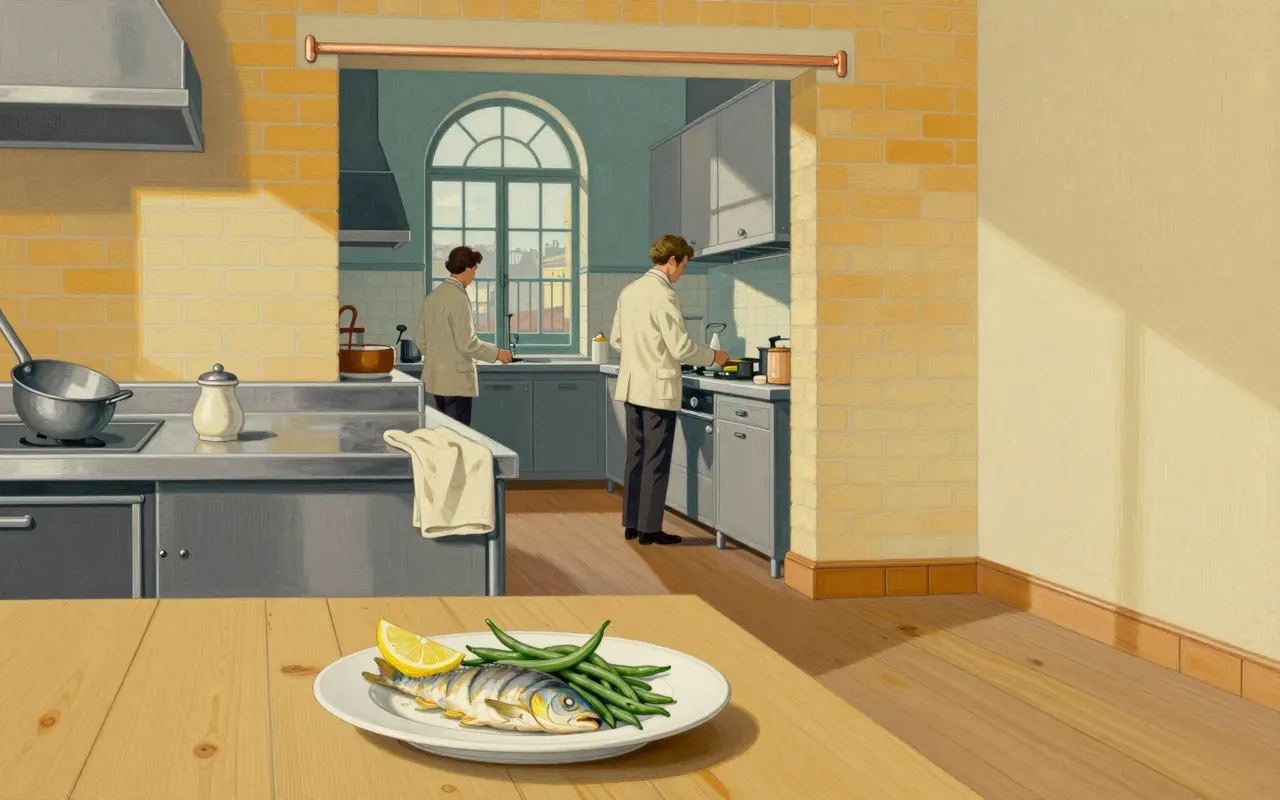
It shortens cooking times to preserve natural flavours — especially for fish, seafood, game birds, veal, green vegetables and pâtés — and favours steaming over heavy braising or reduction.
What it gets right
It gets right the value of fresh ingredients, clarity of flavour, and visual intention in plating. It correctly identifies overcomplication and overcooking as flaws worth correcting.
What it does not
It does not name specific dishes, techniques beyond steaming, or regional origins within France. It does not prescribe proportions, temperatures, timings or ingredient varieties.
What it changed
It changed restaurant menus: large, fixed lists gave way to shorter ones. It changed sauce use: heavy, flour-thickened sauces were rejected. It changed authority: critics Gault, Gayot and Millau codified it, not chefs alone.
Who it is for, and who it is not
It is for cooks, critics and historians tracking shifts in professional French kitchens. It is not for home cooks seeking recipes, nor for diners looking for a named plate to order.
Is it worth your time
It is worth your time only if you are studying how menus, ingredients and technique shifted in mid-century French restaurants — not as a recipe to follow, but as a documented pivot in professional kitchen logic.