0:56in productionCh. 1 · What the dish is and where it came from/ 0:56 · ceiling 15 min
DishesSandesh (confectionery)
A Bengali dessert made from milk and sugar, often using chhena, shaped into forms like kneaded cakes or balls.
Sandesh is a dessert originating from Bengal in the eastern Indian subcontinent. It is made with milk and sugar.
Chapters & takeaways7
- 0:00
What the dish is and where it came from
Sandesh is a dessert originating from Bengal in the eastern Indian subcontinent.
- 0:08
How it works, in terms someone would actually use
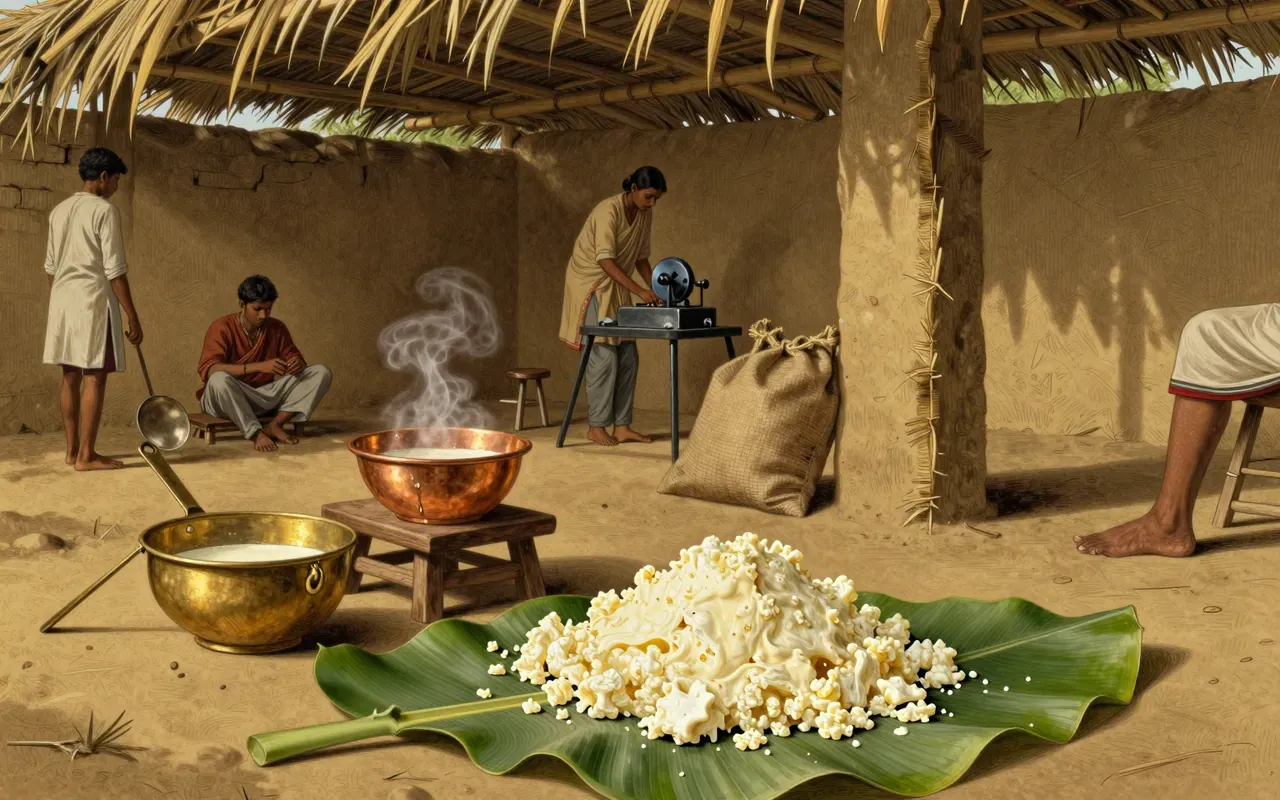
The simplest version, makha sandesh, is prepared by tossing chhena lightly with sugar over low heat.
- 0:14
What it gets right
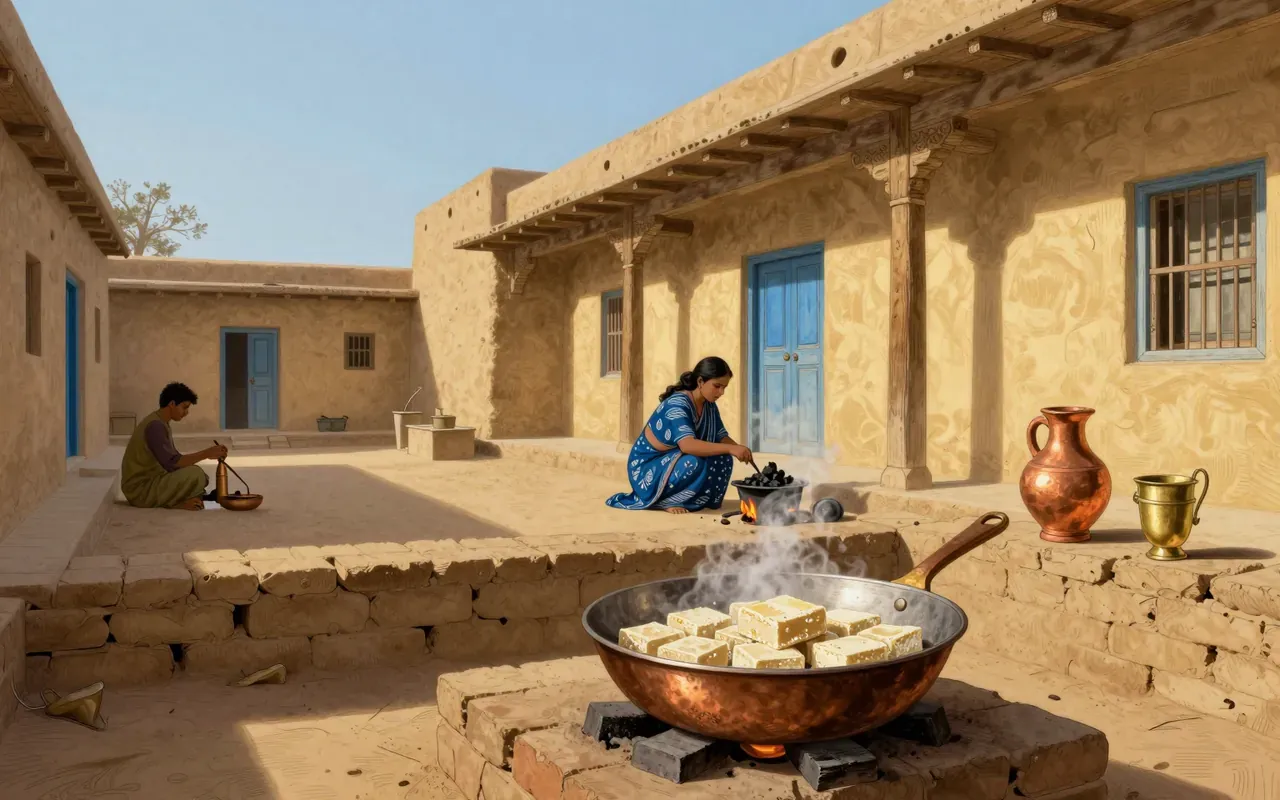
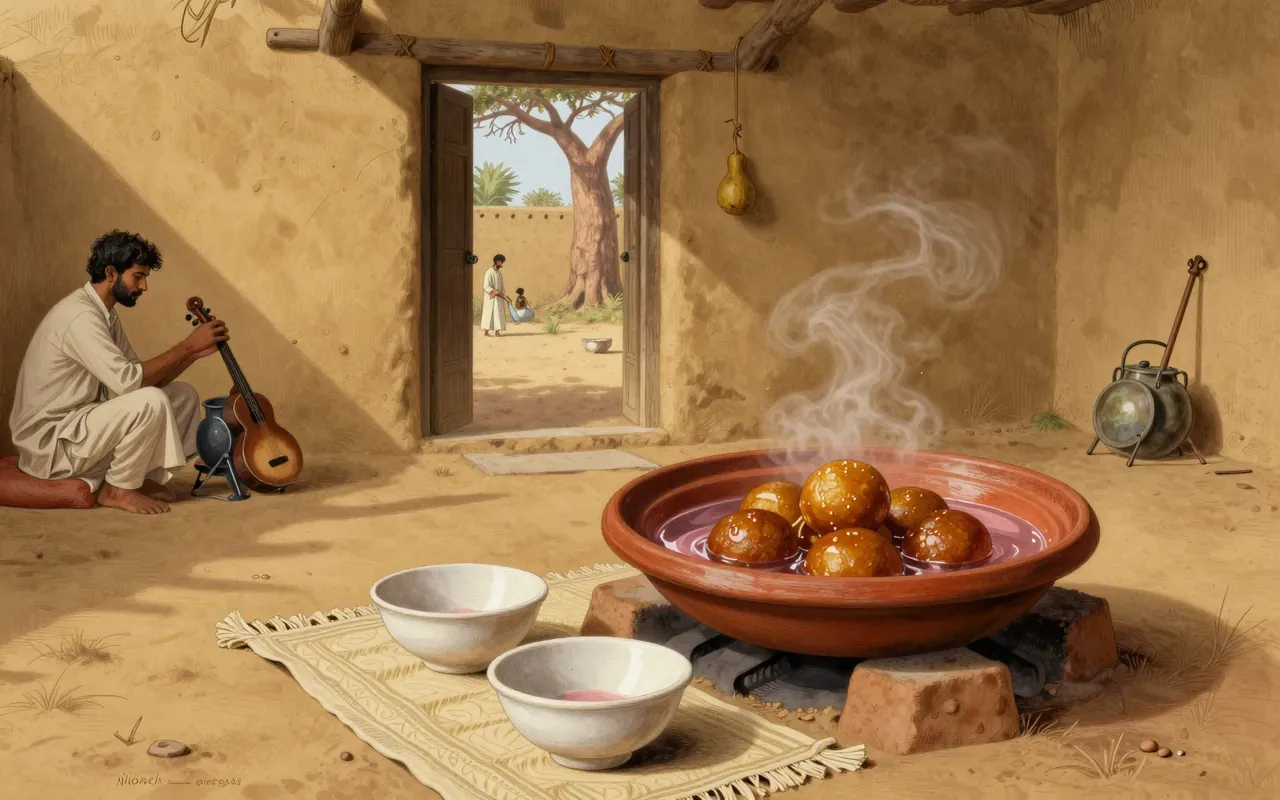
It offers flexibility in form: kneaded cakes or shaped balls like kanchagolla.
- 0:22
What it does not
It does not include added fats, fruits, or grains.
- 0:29
What it changed
By the second half of the 19th century, 'sandesh' commonly referred to the chhena-based sweet, distinguishing it from earlier kheer-based versions.
- 0:37
Who it is for, and who it is not
It is for people who enjoy simple dairy-and-sugar confections.
- 0:46
Is it worth your time
It is worth your time if you want a traditional Bengali sweet defined by chhena and sugar, with minimal preparation steps and clear regional roots.
Worth your time?
Selectively. Start with the brief, then cook the parts we point at.
What works- It offers flexibility in form: kneaded cakes or shaped balls like kanchagolla. Its base—chhena and sugar—delivers direct dairy sweetness.
What does not- It does not include added fats, fruits, or grains. Those seeking such elements may find it minimal.
The written brief1 min read
What the dish is and where it came from
Sandesh is a dessert originating from Bengal in the eastern Indian subcontinent. It is made with milk and sugar.
How it works, in terms someone would actually use
The simplest version, makha sandesh, is prepared by tossing chhena lightly with sugar over low heat.
What it gets right
It offers flexibility in form: kneaded cakes or shaped balls like kanchagolla. Its base—chhena and sugar—delivers direct dairy sweetness.
What it does not
It does not include added fats, fruits, or grains. Those seeking such elements may find it minimal.
What it changed
By the second half of the 19th century, ‘sandesh’ commonly referred to the chhena-based sweet, distinguishing it from earlier kheer-based versions.
Who it is for, and who it is not
It is for people who enjoy simple dairy-and-sugar confections. It is not for those avoiding dairy or seeking layered, baked, or fruit-forward sweets.
Is it worth your time
It is worth your time if you want a traditional Bengali sweet defined by chhena and sugar, with minimal preparation steps and clear regional roots.
Same course · Dishes4 of 496
1:01
1:19
1:02
1:19