Jalebi is a sweet snack common in South Asia, West Asia, and parts of Africa. Its earliest known recipe appears in a 10th-century Arabic cookbook. The word 'jalebi' derives from the Arabic 'zulabiya' or Persian 'zolbiya'.
It is worth your time if you seek a widely available, culturally embedded sweet with clear regional distinctions and simple preparation.
Worth your time?
Selectively. Start with the brief, then cook the parts we point at.
What works
It pairs well with curd or rabri in North India, and optional kewra essence adds aromatic complexity.
What does not
Its high sugar content makes it less suitable for people managing diabetes.
Cook it if
Skip it if
The written brief1 min read
What the dish is and where it came from
Jalebi is a sweet snack common in South Asia, West Asia, and parts of Africa. Its earliest known recipe appears in a 10th-century Arabic cookbook. The word ‘jalebi’ derives from the Arabic ‘zulabiya’ or Persian ‘zolbiya’.
How it works, in terms someone would actually use
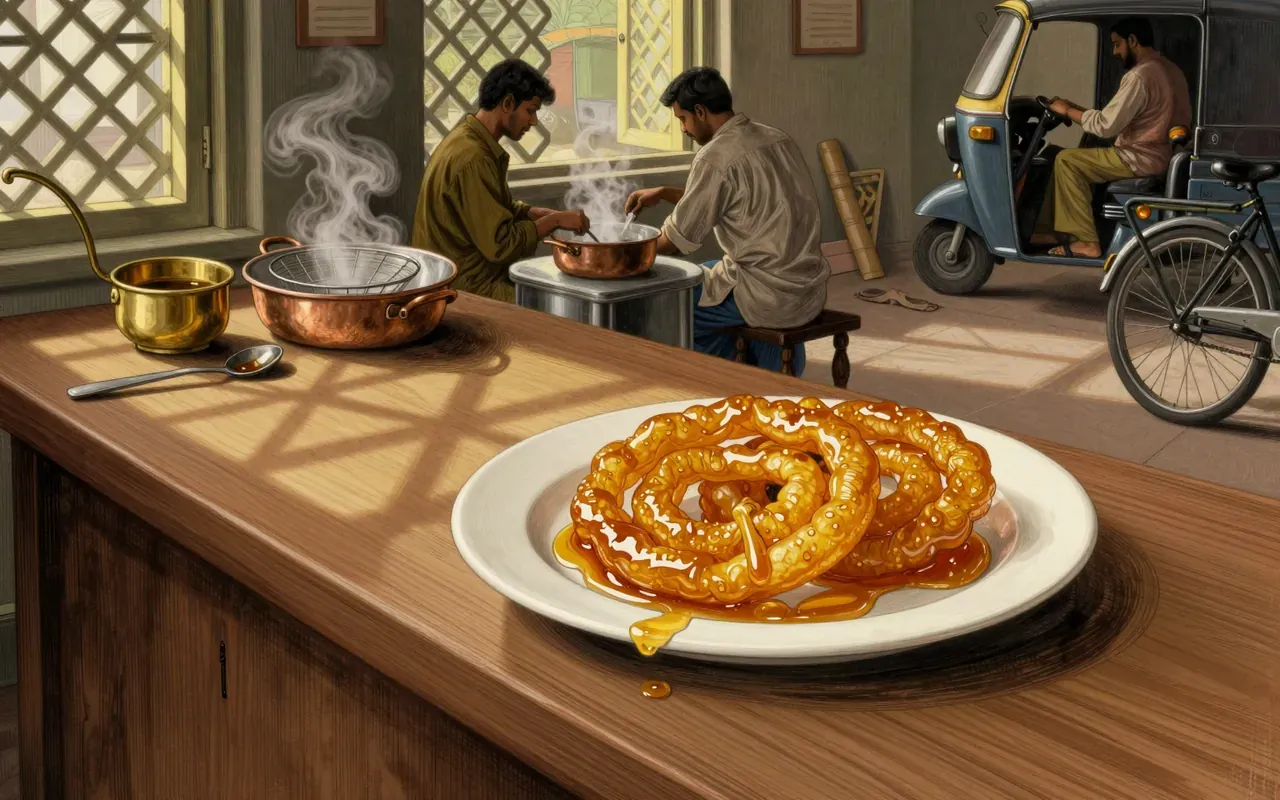
The South Asian version is made by deep-frying a maida flour batter in pretzel or circular shapes, then soaking the fried pieces in sugar syrup.
What it gets right
It pairs well with curd or rabri in North India, and optional kewra essence adds aromatic complexity.
What it does not
Its high sugar content makes it less suitable for people managing diabetes.
What it changed
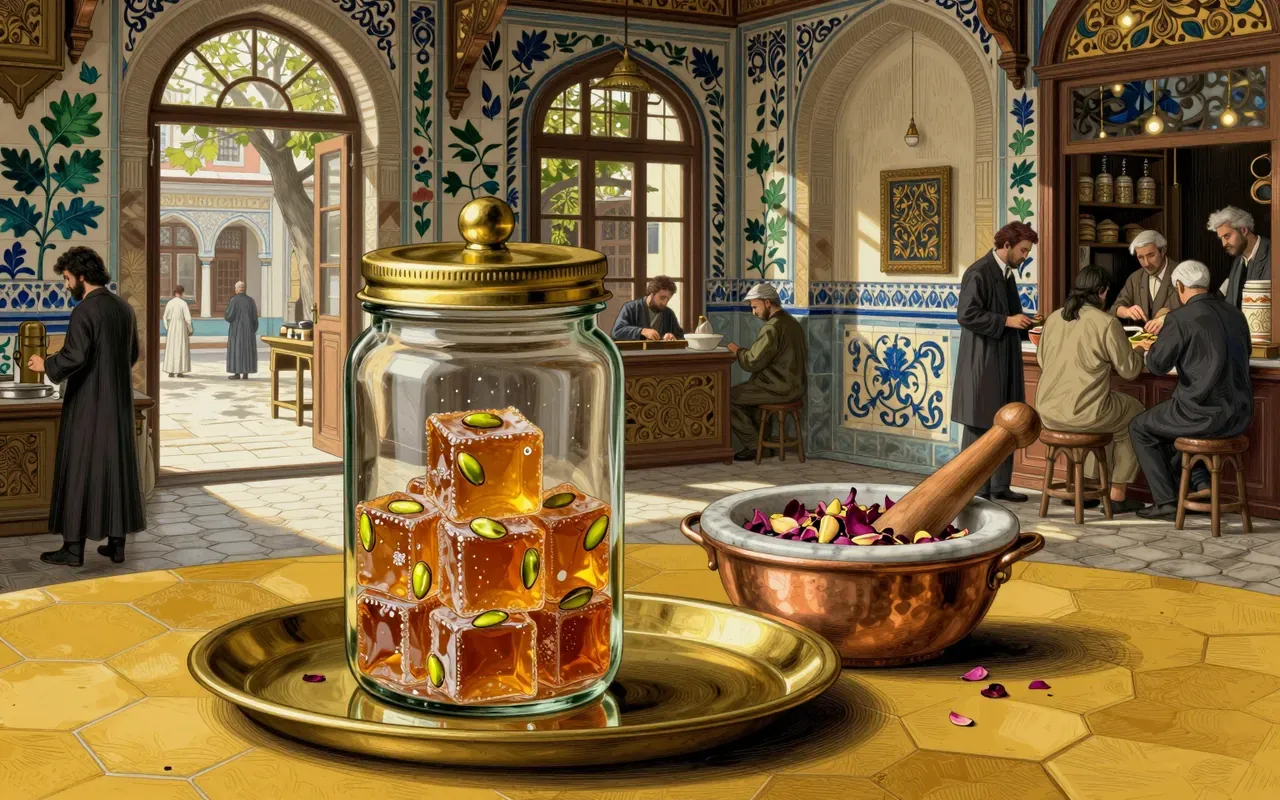
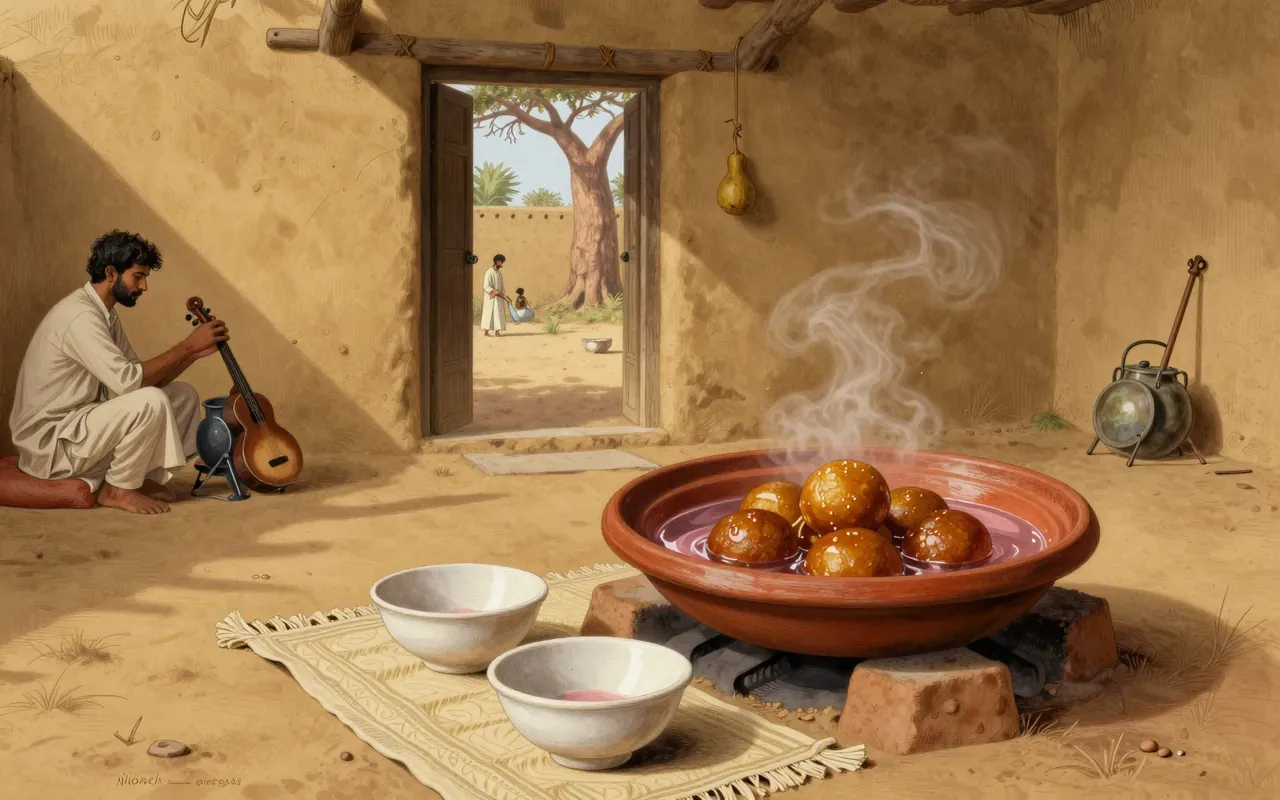
West Asian versions use yeast dough and honey–rose water syrup; North African zalabia uses a different batter and similar syrup.
Who it is for, and who it is not
It is for people who enjoy syrup-soaked, deep-fried sweets. It is not for those avoiding refined sugar or seeking savory, dairy-based, or yeast-leavened formats exclusively.
Is it worth your time
It is worth your time if you seek a widely available, culturally embedded sweet with clear regional distinctions and simple preparation.