foodbriefs
1:20in productionCh. 1 · What the dish is and where it came from/ 1:20 · ceiling 15 min
Dishes

Apple pie

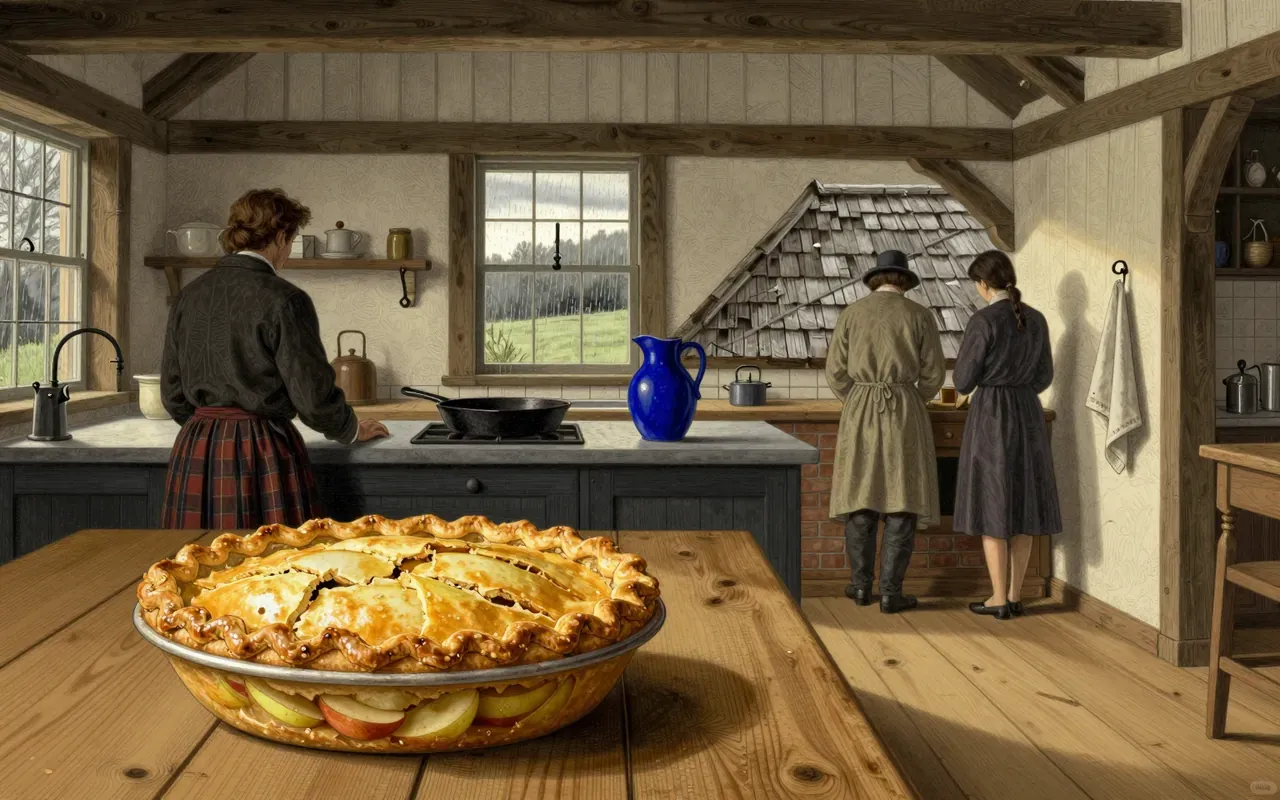
A fruit pie with apple filling and shortcrust pastry top and bottom.

An apple pie is a fruit pie whose principal filling is apples. First recorded in 14th-century England, it also appears in a 1514 Dutch cookbook. English, Dutch, and Swedish settlers brought it to North America in the 17th and 18th centuries.

Chapters & takeaways7
  1. 0:00
    What the dish is and where it came from

    An apple pie is a fruit pie whose principal filling is apples.

  2. 0:16
    How it works, in terms someone would actually use

    It uses shortcrust pastry both under and over the apple filling.

  3. 0:27
    What it gets right

    It gets right a clear structure: apples as the dominant ingredient, framed by crisp, buttery shortcrust.

  4. 0:38
    What it does not

    It does not include non-apple fruit or spice as required elements.

  5. 0:50
    What it changed

    It changed by appearing in America’s first cookbook, American Cookery (1796), with two distinct recipes—marking its adaptation into early U.S.

  6. 0:59
    Who it is for, and who it is not

    It is for people who want a baked fruit dessert with pastry.

  7. 1:10
    Is it worth your time

    It is worth your time if you enjoy fruit-based desserts with structured pastry.

Worth your time?

Selectively. Start with the brief, then cook the parts we point at.

What works
  • It gets right a clear structure: apples as the dominant ingredient, framed by crisp, buttery shortcrust. The dual-crust format and optional lattice offer visual and textural contrast.
What does not
  • It does not include non-apple fruit or spice as required elements. The recipe allows figs, raisins, pears, and saffron in some early versions, but those are not standard today.
Cook it if
    Skip it if
      The written brief1 min read

      What the dish is and where it came from

      An apple pie is a fruit pie whose principal filling is apples. First recorded in 14th-century England, it also appears in a 1514 Dutch cookbook. English, Dutch, and Swedish settlers brought it to North America in the 17th and 18th centuries.

      How it works, in terms someone would actually use

      It uses shortcrust pastry both under and over the apple filling. The top may be solid or latticed. The bottom crust can be blind-baked first to avoid sogginess.

      What it gets right

      It gets right a clear structure: apples as the dominant ingredient, framed by crisp, buttery shortcrust. The dual-crust format and optional lattice offer visual and textural contrast.

      What it does not

      It does not include non-apple fruit or spice as required elements. The recipe allows figs, raisins, pears, and saffron in some early versions, but those are not standard today.

      What it changed

      It changed by appearing in America’s first cookbook, American Cookery (1796), with two distinct recipes—marking its adaptation into early U.S. culinary print culture.

      Who it is for, and who it is not

      It is for people who want a baked fruit dessert with pastry. It is not for people avoiding wheat-based pastry or seeking a single-crust or no-crust preparation.

      Is it worth your time

      It is worth your time if you enjoy fruit-based desserts with structured pastry. Its widespread presence across apple-growing regions reflects long-standing practicality and familiarity.
      Same course · Dishes4 of 327
      Up next in Food

      Arancini

      · 1:09

      Sicilian rice balls stuffed with ragù or butter-based fillings, coated in breadcrumbs and deep-fried.

      1:09