Saved
Culture · Dishes

Lasagna

Lasagna isn’t comfort food—it’s a medieval status symbol baked into modern myth.

Worth your time?4/5Yes.Cook the whole thing.What works, what does not, who it is for ↓
8:22in productionCh. 1 · What it is/ 8:22 · ceiling 15 min
4 chapters · 8:22Ceiling 15:00

The brief is written and checked. The video joins this page when it is cut.4 chapters · 1 min read · 8:22 planned

Read the brief

Lasagna is a wide, flat pasta originating in Italian cuisine, most commonly prepared as a baked casserole with layered fillings. It originated in Italy during the Middle Ages, with the oldest known written reference dating to 1282 and the first recorded recipe appearing in the early 14th century. Historical references confirm its presence in Bologna and other regions by the late 13th century, and it was considered relatively expensive. Preparation methods evolved from boiled sheets dressed with cheese and spices to layered, baked dishes with ragù and béchamel, varying regionally across Italy.

Chapters & takeaways4
  1. 0:56
    What it is

    Lasagna is defined by its shape and structure—not its sauce.

  2. 1:58

    It emerged in 13th-century Bologna as a costly, documented dish—not a folk invention.

  3. 3:57
    How it changed

    Baking it al forno made it ceremonial—but also hid its simpler, boiled roots.

  4. 4:57
    Who it was for

    Its fillings vary by region, but its cost always marked it as elite.

1 more chapterFewer chapters
Worth your time?

Yes. Cook the whole thing.

4/ 5
What works
  • as-a-historical-artefact
  • as-a-structural-form
What does not
  • influence
  • define
  • start
  • displace
Cook it if
  • people-who-care-about-food-as-document
Skip it if
  • people-who-want-a-recipe
Who should cook it, and who should skipHide who it is for
The written brief1 min read

What the thing is

Lasagna is wide, flat pasta. It is most often assembled as a baked casserole with alternating layers of pasta, fillings (meat, dairy, vegetables, sauces), and grated cheese.

Where it came from

It originated in Italy during the Middle Ages. The oldest known written reference is from 1282 in Bologna. A 1284 reference appears in Salimbene di Adam’s Cronica. The first recorded recipe is in the early 14th-century Liber de Coquina.

What it gets right

It delivers structural clarity: flat sheets hold distinct strata of flavour and texture. It makes abundance legible.

What it gets wrong

It pretends to unity while being fundamentally regional and unstable—no single version represents it. The baked form obscures its medieval origins as boiled sheets dressed simply.

Why it matters now

It reveals how a dish becomes a vessel for myth—flattening centuries of variation into ‘authenticity’. Its expense in the 13th century contradicts today’s mass-produced image.

Is it worth your time

Yes—if you care how food encodes class, region, and time. It rewards attention to its layers, not just its heat.
Same course · Culture4 of 156
8:13
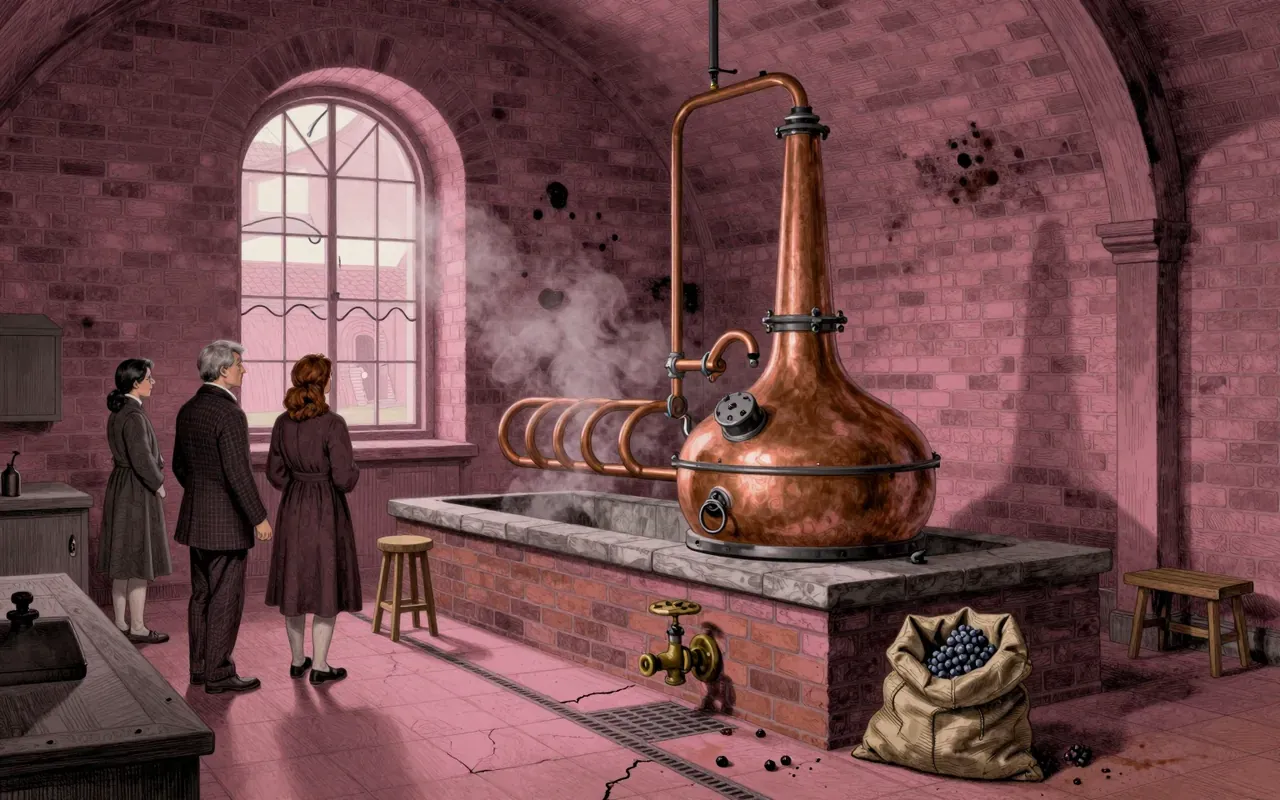
GrappaGrappa is a legally protected Italian pomace brandy, made since pre-1300s to prevent waste. Its production evolved via water-cooled distillation (1300–1400), Jesuit codification (c.1600), and modern refinements beginning in 1979. It is consumed as a digestif, especially in northern Italy and among the Italian diaspora in Argentina and Uruguay.
9:37
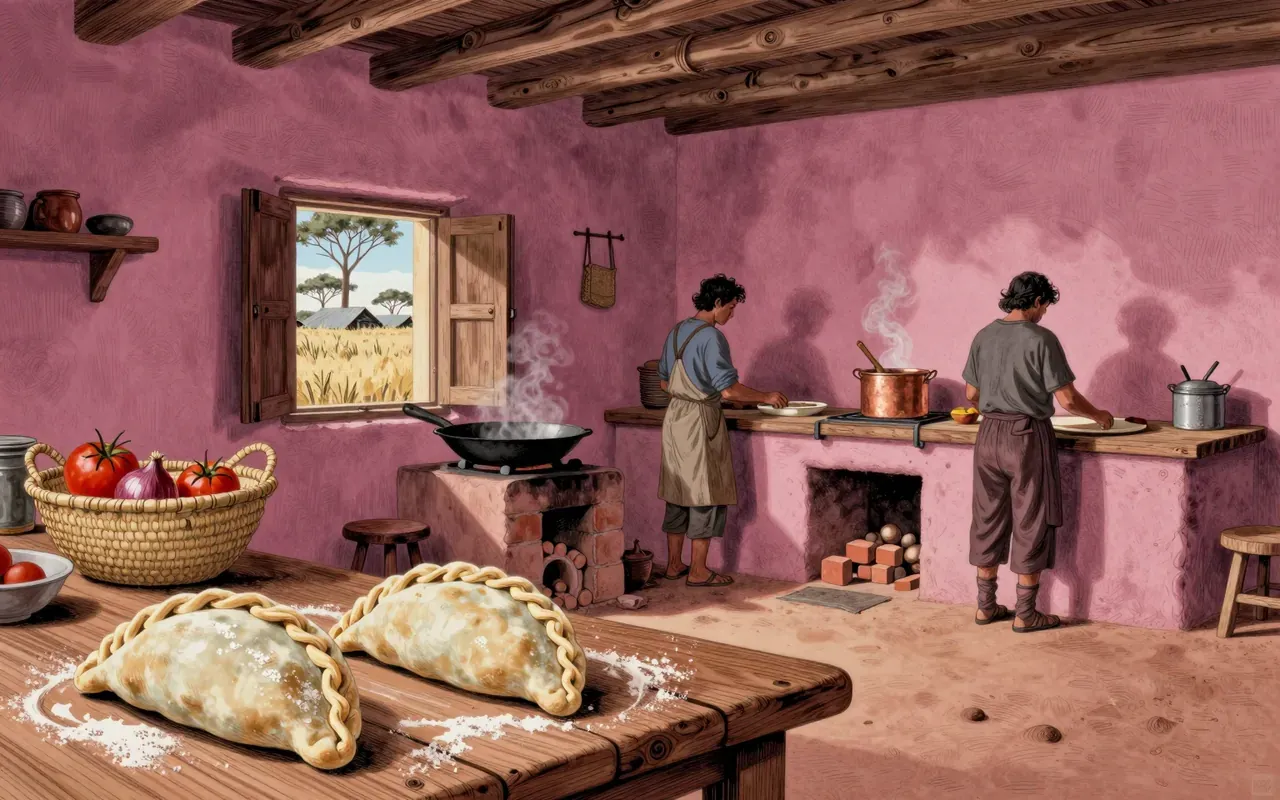
EmpanadaEmpanadas are portable grammar. They began as a Galician legal category in the 7th century—not a recipe, but a standardised act of enclosure. The verb 'empanar' predates the noun. Its spread wasn’t culinary imperialism, but lexical borrowing: West Africa adopted the form as 'meatpie'; the Philippines kept the Spanish term but filled it with local ingredients. It does not unify cultures. It reveals how food terms travel further than recipes—and how deeply regulation, not taste, shaped what we eat.
7:47
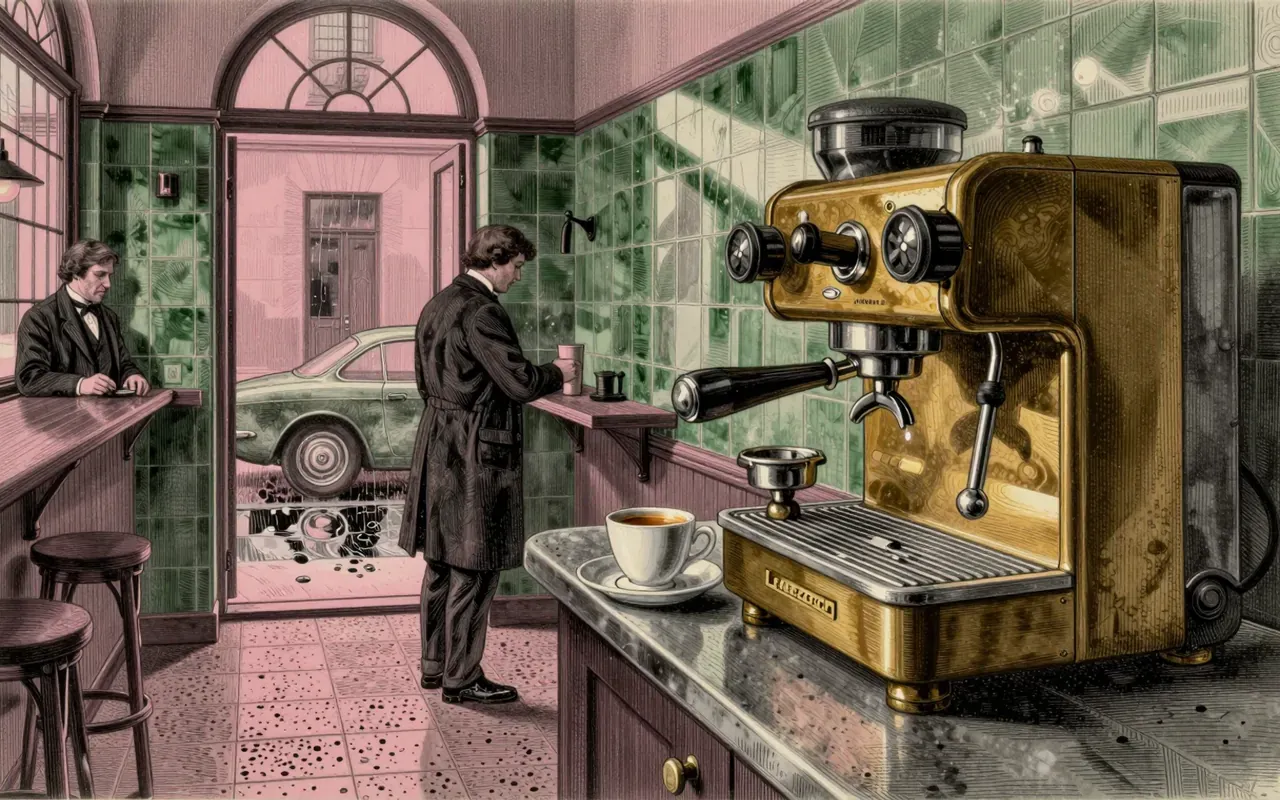
Espresso1884Espresso is a technical standard, not a tradition. It began with a patent, not a café. It measures success in seconds and millilitres—not nostalgia or romance.
10:54
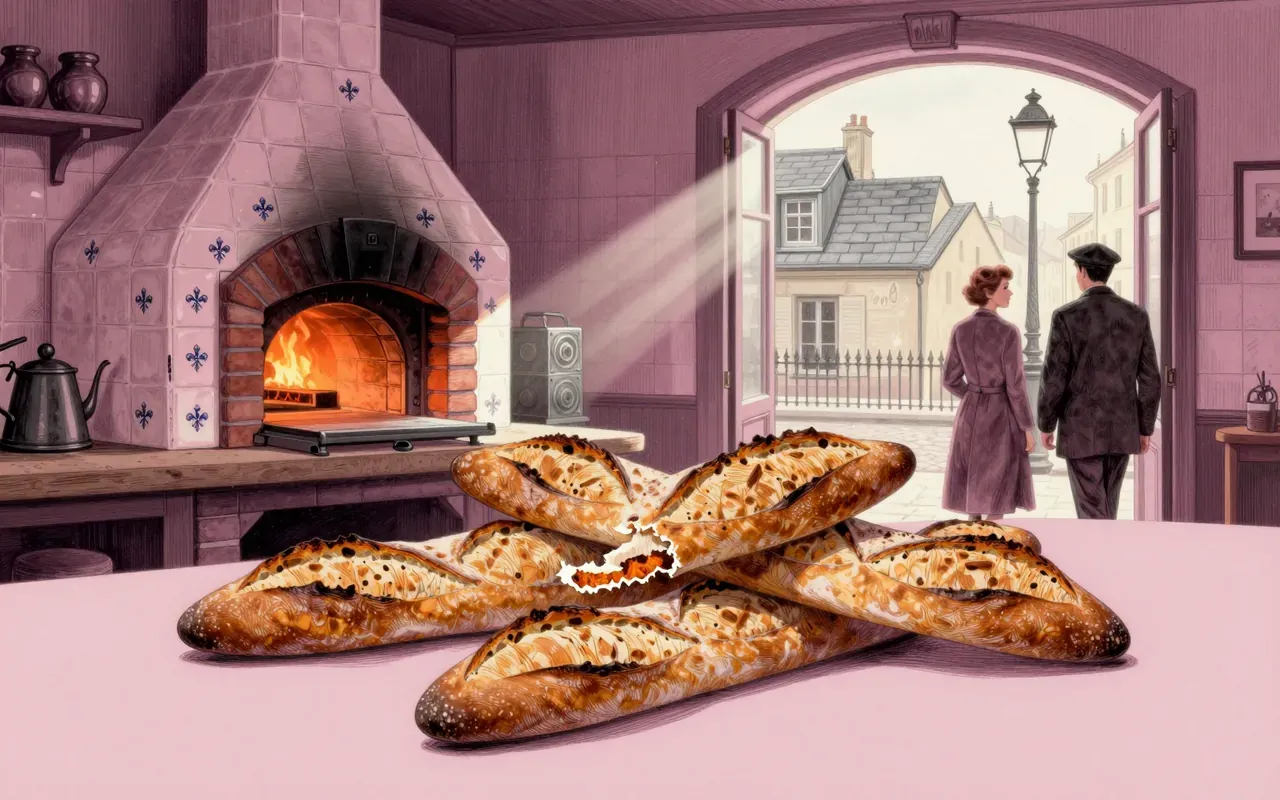
BaguetteThe baguette is a legally defined French bread whose name first appeared in an August 1920 regulation. Its physical form—5–6 cm diameter, up to 1 m long—is codified. Its craft was added to France’s National Inventory of Intangible Cultural Heritage in November 2018 and inscribed on UNESCO’s Intangible Cultural Heritage Lists in 2022. Precursor stick-breads rose in 18th-century France; refinements included gruau flour (early 19th century), Viennese steam ovens (1839), and compact yeast (1867). The word ‘baguette’ means ‘wand’ or ‘stick’ and was first recorded as bread in 1920.
Up next in Food

Mapo tofu

· 9:22

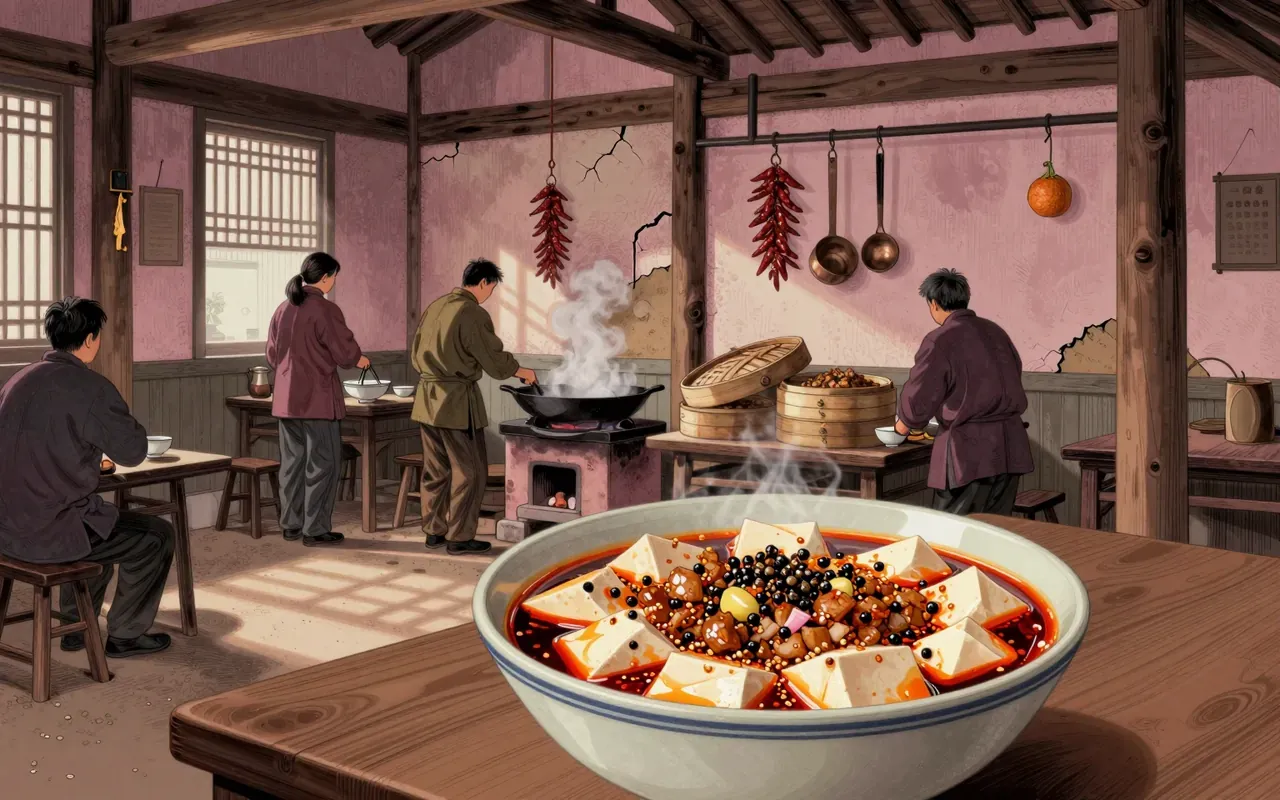
The first official mapo tofu recipe erased its defining ingredient—and made the dish legible to the nation by making it less Sichuan.

9:22