Saved
Culture · Dishes

Bread

3000 BC

Bread did not follow civilisation—it built the conditions for it.

Worth your time?4.5/5Yes.Cook the whole thing.What works, what does not, who it is for ↓
8:57in productionCh. 1 · What Bread Is/ 8:57 · ceiling 15 min
4 chapters · 8:57Ceiling 15:00

The brief is written and checked. The video joins this page when it is cut.4 chapters · 1 min read · 8:57 planned

Read the brief

Bread is the first engineered food system. Not a symbol. Not a luxury. A response to scarcity, seasonality, and storage need. Its invention predates agriculture. Its refinement enabled surplus, sedentism, and stratification. It is the most consequential food technology before refrigeration.

Chapters & takeaways4
  1. 0:55
    What Bread Is

    Bread is defined by method—not ingredients, culture, or ritual.

  2. 2:19
    Where Bread Came From

    Bread-making began long before farming—and became systematic only when grains were domesticated.

  3. 3:38
    How Bread Rose

    Leavening was inevitable—not invented—because wild yeast clings to grain.

  4. 4:54
    Who Made Bread First

    The earliest bread was made by hunter-gatherers; the first leavened loaf came from settled farmers in Mesopotamia.

1 more chapterFewer chapters
Worth your time?

Yes. Cook the whole thing.

4.5/ 5
What works
  • as evidence
  • as infrastructure
  • as precedent
What does not
  • iconic
  • groundbreaking
  • seminal
Cook it if
  • historians of technology
  • archaeologists
  • food-system designers
Skip it if
  • gourmets
  • bakers seeking technique
  • cultural theorists looking for symbolism
Who should cook it, and who should skipHide who it is for
The written brief1 min read

What the thing is

Bread is baked dough: water, flour, and often yeast. It can be leavened by microbes, chemicals, industrial yeast, or aeration—or left unleavened.

Where it came from

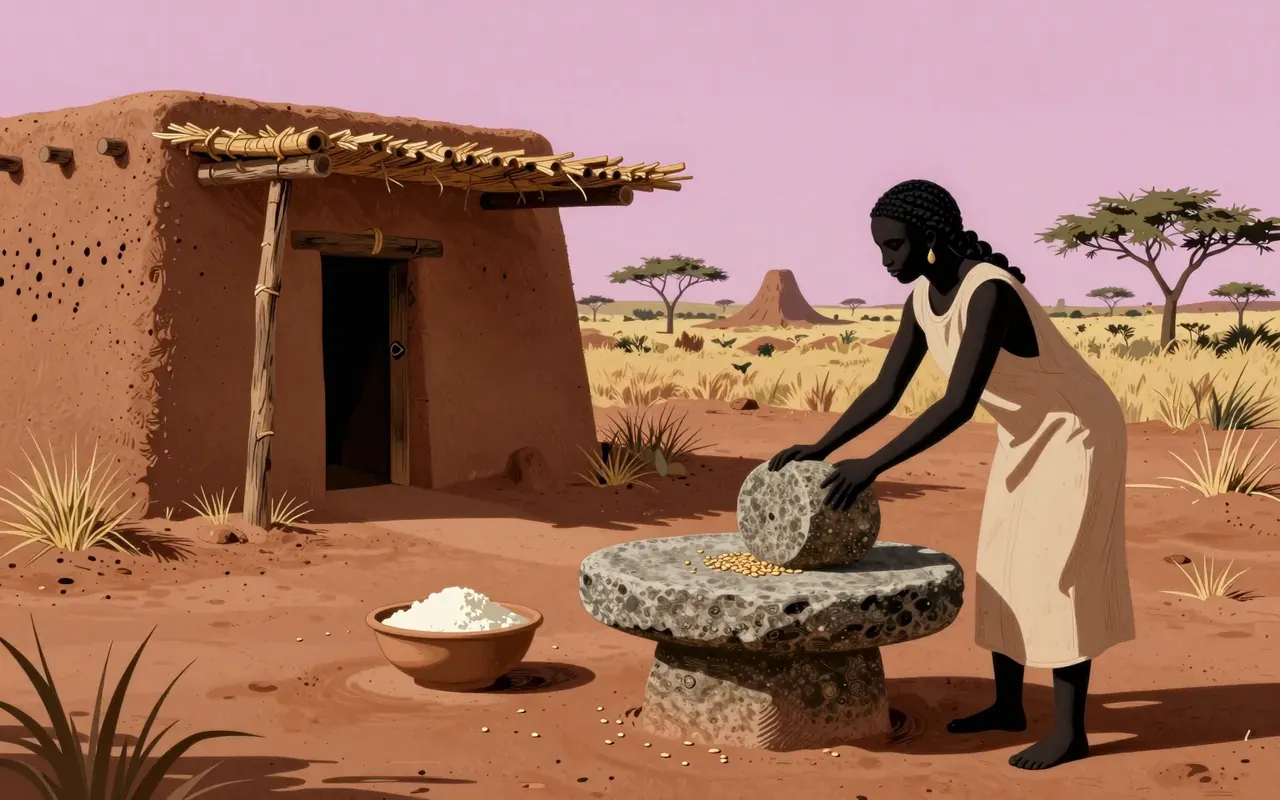
Starch residue on 30,000-year-old pounding stones in Europe and Australia signals early plant processing. The oldest direct evidence of bread-making is from a 14,500-year-old Natufian site in Jordan. Grains became central around 10,000 BC with agriculture. Leavened bread appears by 6000 BC in southern Mesopotamia.

What it gets right

It turns fragile, seasonal grass seeds into durable, storable, portable calories. It converts labour-intensive harvesting into repeatable, scalable preparation. It makes grain edible without boiling—enabling fuel-efficient cooking in low-wood environments.

What it gets wrong

It assumes bread is inherently social or symbolic. The evidence shows only that it was made—not that it was shared, ritually used, or status-marking before agriculture settled communities.

Why it matters now

Bread reveals how food technologies precede and enable civilisation—not the reverse. Its 14,500-year history predates cities, writing, and states. It is the first mass-produced, standardised food product shaped by human control over fermentation and thermal processing.

Is it worth your time

Yes—if you want to understand how a single food technology anchored human settlement, labour division, and social hierarchy for twelve millennia.
Same course · Culture4 of 156
Up next in Food

Cappuccino

· 10:20

A drink named for monks’ habits, perfected by Austrian baristas, standardised by Italian machines—and now served everywhere as if it were born in Florence.

10:20