1:12in productionCh. 1 · What the dish is and where it came from/ 1:12 · ceiling 15 min
Dishes · Culture
Castella
A moist, sweet Japanese sponge cake with Portuguese roots, adapted in Nagasaki and sold in long rectangular boxes.
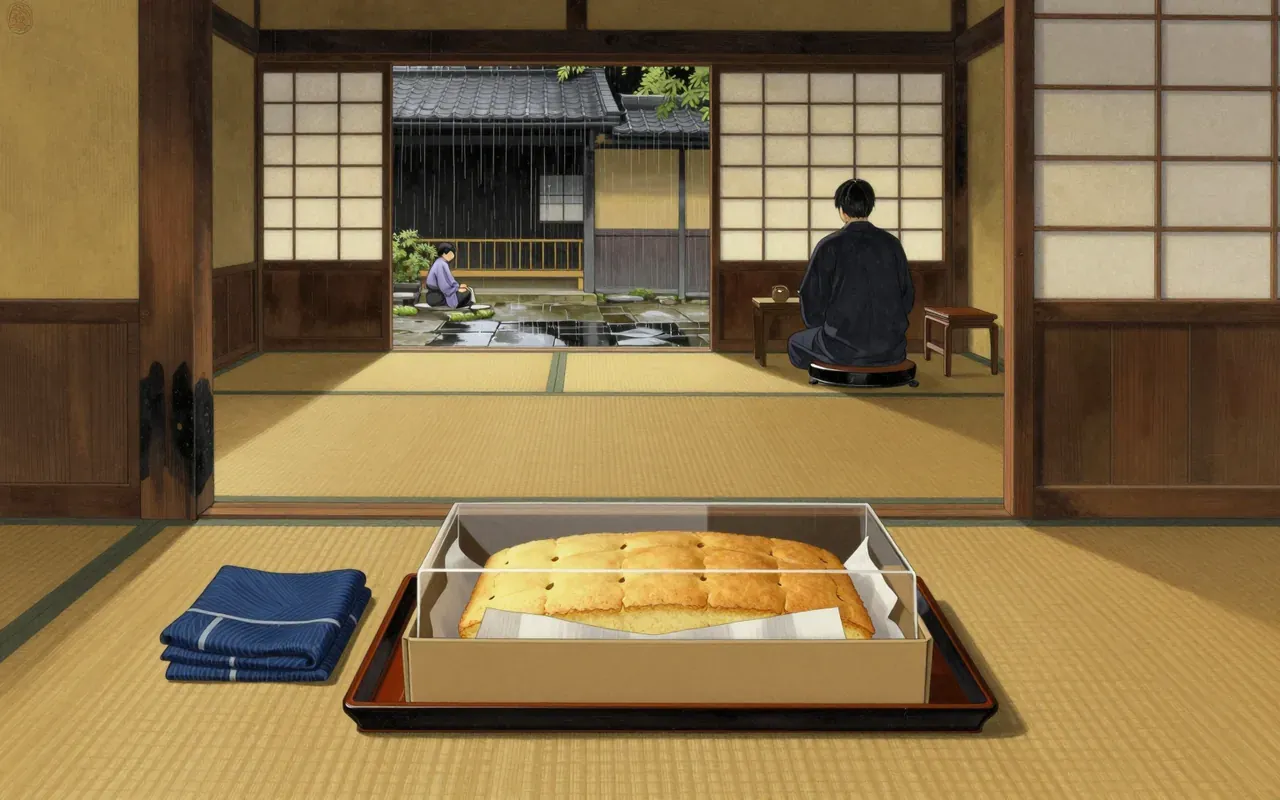
Castella is a Japanese sponge cake with a sweet, moist, brioche-style flavor and texture. Its name comes from the Portuguese 'Bolo de Castela'—'cake from Castile'. It originated from cakes introduced by Portuguese merchants in the 16th century.
Castella is a Japanese sponge cake with a sweet, moist, brioche-style flavor and texture.
0:15
How it works, in terms someone would actually use
It is baked in square or rectangular molds, then cut and sold in long boxes—each piece approximately 27 cm (11 in) long.
0:24
What it gets right
It gets right a balance of sweetness and moisture, enhanced by mizuame syrup, and adds textural contrast with zarame (coarse sugar) on the bottom.
0:34
What it does not
It does not include savory elements or dairy-rich ingredients like butter or cream; its sweetness and syrup-based moisture may not suit low-sugar preferences.
0:43
What it changed
It changed by incorporating mizuame syrup for added moisture and zarame for coarser texture—adaptations made to suit Japanese tastes.
0:51
Who it is for, and who it is not
It is for people seeking a traditional Japanese confectionery (wagashi) with European roots, especially those drawn to Nagasaki specialties.
1:03
Is it worth your time
It is worth your time if you enjoy moist, gently sweet sponge cakes with subtle textural variation from coarse sugar and syrup.
Worth your time?
Selectively. Start with the brief, then cook the parts we point at.
What works
It gets right a balance of sweetness and moisture, enhanced by mizuame syrup, and adds textural contrast with zarame (coarse sugar) on the bottom.
What does not
It does not include savory elements or dairy-rich ingredients like butter or cream; its sweetness and syrup-based moisture may not suit low-sugar preferences.
Cook it if
Skip it if
The written brief1 min read
What the dish is and where it came from
Castella is a Japanese sponge cake with a sweet, moist, brioche-style flavor and texture. Its name comes from the Portuguese ‘Bolo de Castela’—‘cake from Castile’. It originated from cakes introduced by Portuguese merchants in the 16th century.
How it works, in terms someone would actually use
It is baked in square or rectangular molds, then cut and sold in long boxes—each piece approximately 27 cm (11 in) long.
What it gets right
It gets right a balance of sweetness and moisture, enhanced by mizuame syrup, and adds textural contrast with zarame (coarse sugar) on the bottom.
What it does not
It does not include savory elements or dairy-rich ingredients like butter or cream; its sweetness and syrup-based moisture may not suit low-sugar preferences.
What it changed
It changed by incorporating mizuame syrup for added moisture and zarame for coarser texture—adaptations made to suit Japanese tastes.
Who it is for, and who it is not
It is for people seeking a traditional Japanese confectionery (wagashi) with European roots, especially those drawn to Nagasaki specialties. It is not for those avoiding refined sugar or syrup-based sweets.
Is it worth your time
It is worth your time if you enjoy moist, gently sweet sponge cakes with subtle textural variation from coarse sugar and syrup.