1:11in productionCh. 1 · What the dish is and where it came from/ 1:11 · ceiling 15 min
Dishes
Pot-au-feu
A French slow-boiled dish of meat and vegetables, traditionally served in two courses: broth first, then meat and vegetables.
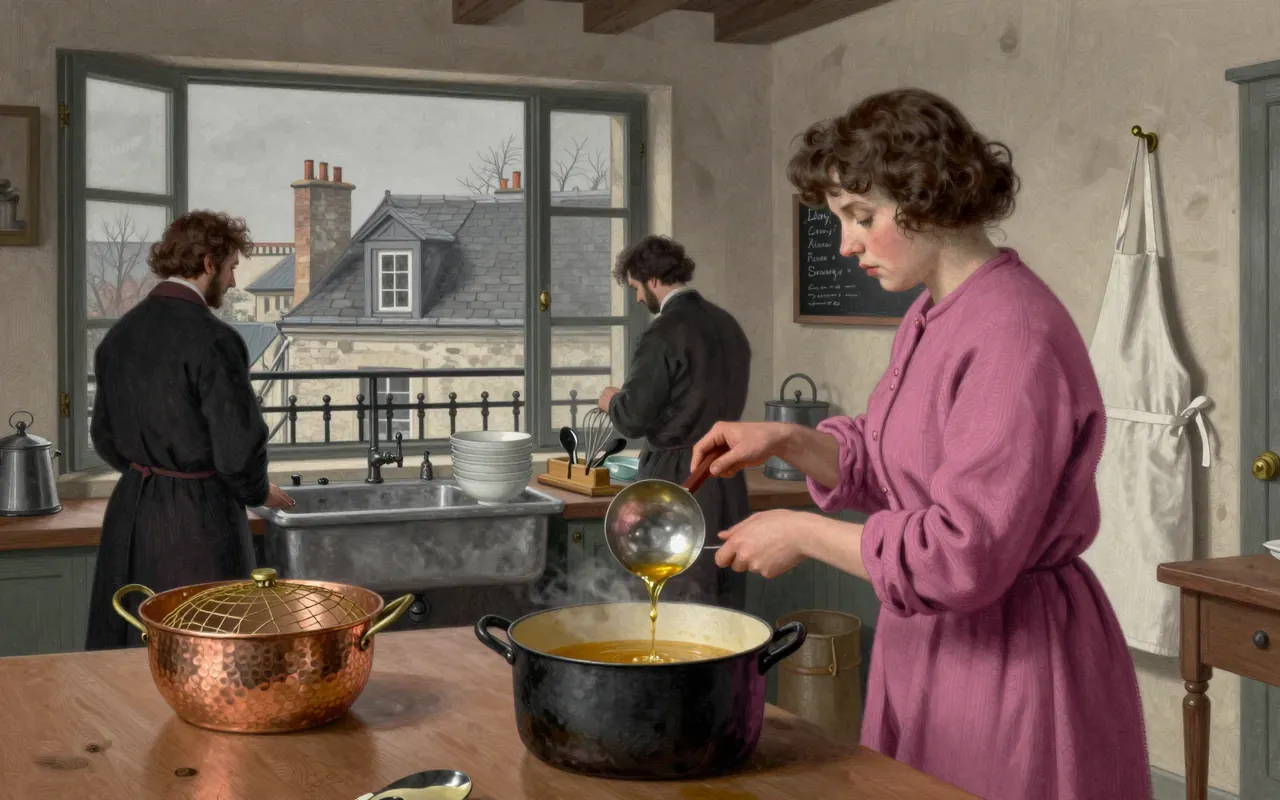
Pot-au-feu is a French dish of slowly boiled meat and vegetables, usually served as two courses: first the broth (bouillon), then the meat (bouilli) and vegetables.
Pot-au-feu is a French dish of slowly boiled meat and vegetables, usually served as two courses: first the broth (bouillon), then the meat (bouilli) and vegetables.
0:10
How it works, in terms someone would actually use
It works by slow boiling meat and vegetables together.
0:20
What it gets right
It gets right a dual-texture experience—rich broth and substantial meat—using multiple beef cuts for layered flavor and consistency in both broth and solids.
0:29
What it does not
It does not prioritize vegetables as the main component; the central ingredient is meat, making it less suited for those seeking a vegetable-forward dish.
0:39
What it changed
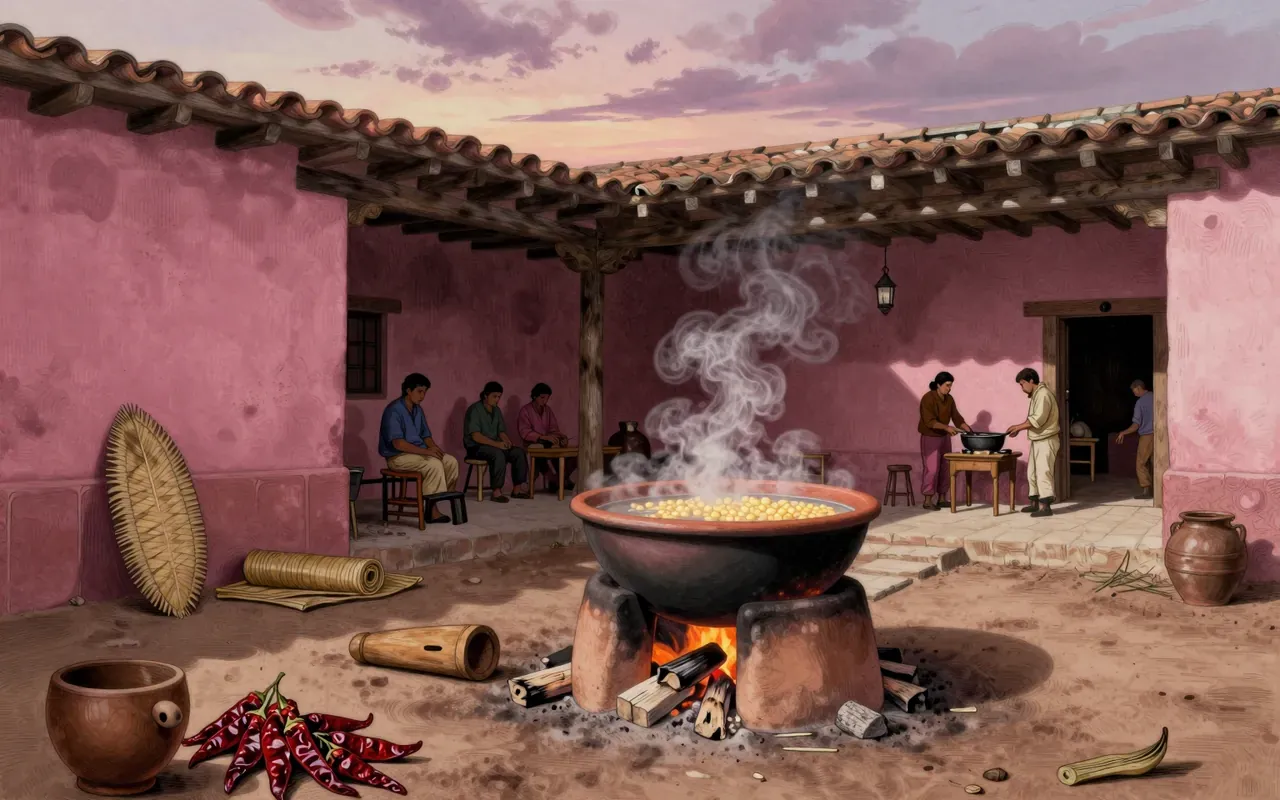
It changed in practice through long-term communal use: one batch was maintained as a perpetual stew in Perpignan from the 15th century until World War II.
0:49
Who it is for, and who it is not
It is for people who want a meat-based, two-course meal built around broth and boiled solids.
1:00
Is it worth your time
It is worth your time if you value simple, meat-centered French cooking with a clear structural rhythm—broth first, then solids—and accept slow boiling as the sole technique.
Worth your time?
Selectively. Start with the brief, then cook the parts we point at.
What works
It gets right a dual-texture experience—rich broth and substantial meat—using multiple beef cuts for layered flavor and consistency in both broth and solids.
What does not
It does not prioritize vegetables as the main component; the central ingredient is meat, making it less suited for those seeking a vegetable-forward dish.
Cook it if
Skip it if
The written brief1 min read
What the dish is and where it came from
Pot-au-feu is a French dish of slowly boiled meat and vegetables, usually served as two courses: first the broth (bouillon), then the meat (bouilli) and vegetables.
How it works, in terms someone would actually use
It works by slow boiling meat and vegetables together. The result is served in two parts: the broth first, then the cooked meat and vegetables.
What it gets right
It gets right a dual-texture experience—rich broth and substantial meat—using multiple beef cuts for layered flavor and consistency in both broth and solids.
What it does not
It does not prioritize vegetables as the main component; the central ingredient is meat, making it less suited for those seeking a vegetable-forward dish.
What it changed
It changed in practice through long-term communal use: one batch was maintained as a perpetual stew in Perpignan from the 15th century until World War II.
Who it is for, and who it is not
It is for people who want a meat-based, two-course meal built around broth and boiled solids. It is not for those avoiding meat or preferring single-course, non-boiled preparations.
Is it worth your time
It is worth your time if you value simple, meat-centered French cooking with a clear structural rhythm—broth first, then solids—and accept slow boiling as the sole technique.