1:23in productionCh. 1 · What the dish is and where it came from/ 1:23 · ceiling 15 min
Dishes · Technique
Chả giò
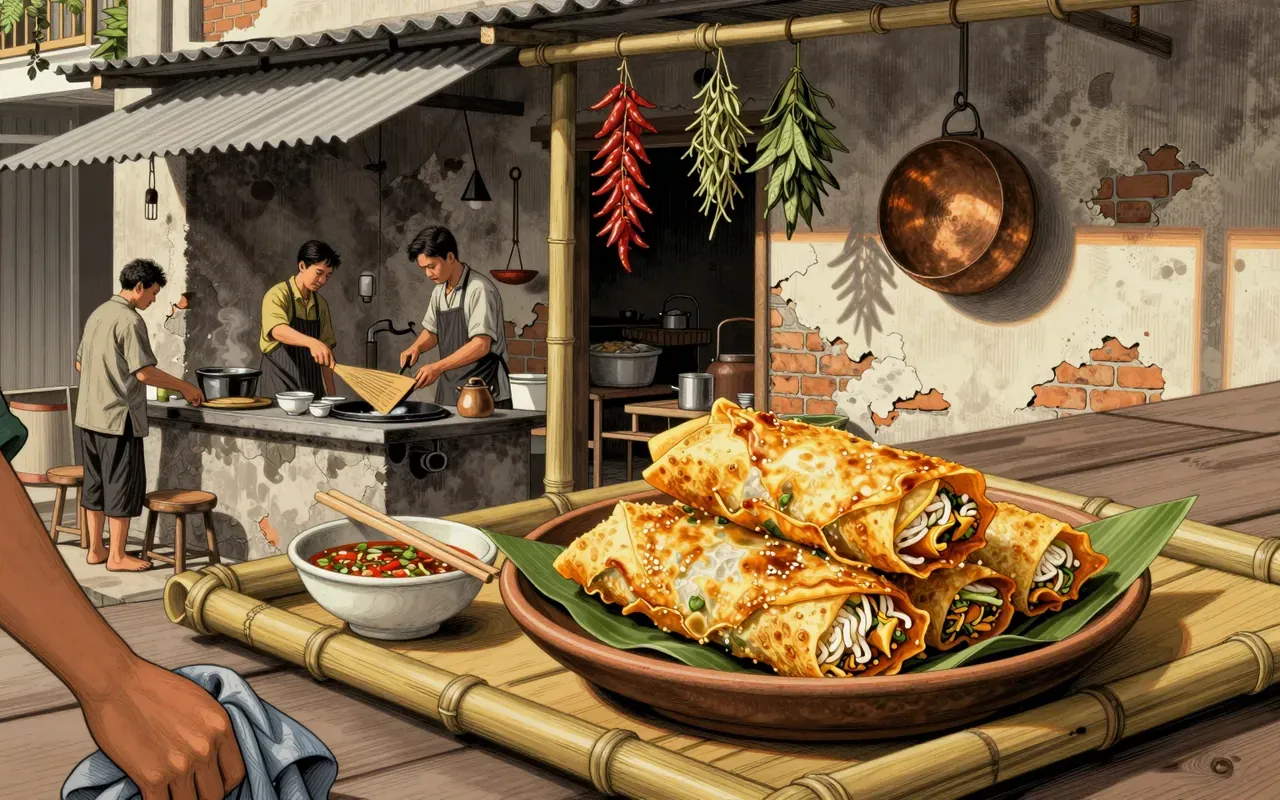
A Vietnamese fried roll with seasoned ground meat, mushrooms, vermicelli, and diced vegetables wrapped in rice paper.
Chả giò is a popular dish in Vietnamese cuisine, also called nem rán or fried spring roll. It is usually served as an appetizer in Europe, North America, and Australia, where there are large Vietnamese diaspora communities.
Chả giò is a popular dish in Vietnamese cuisine, also called nem rán or fried spring roll.
0:15
How it works, in terms someone would actually use
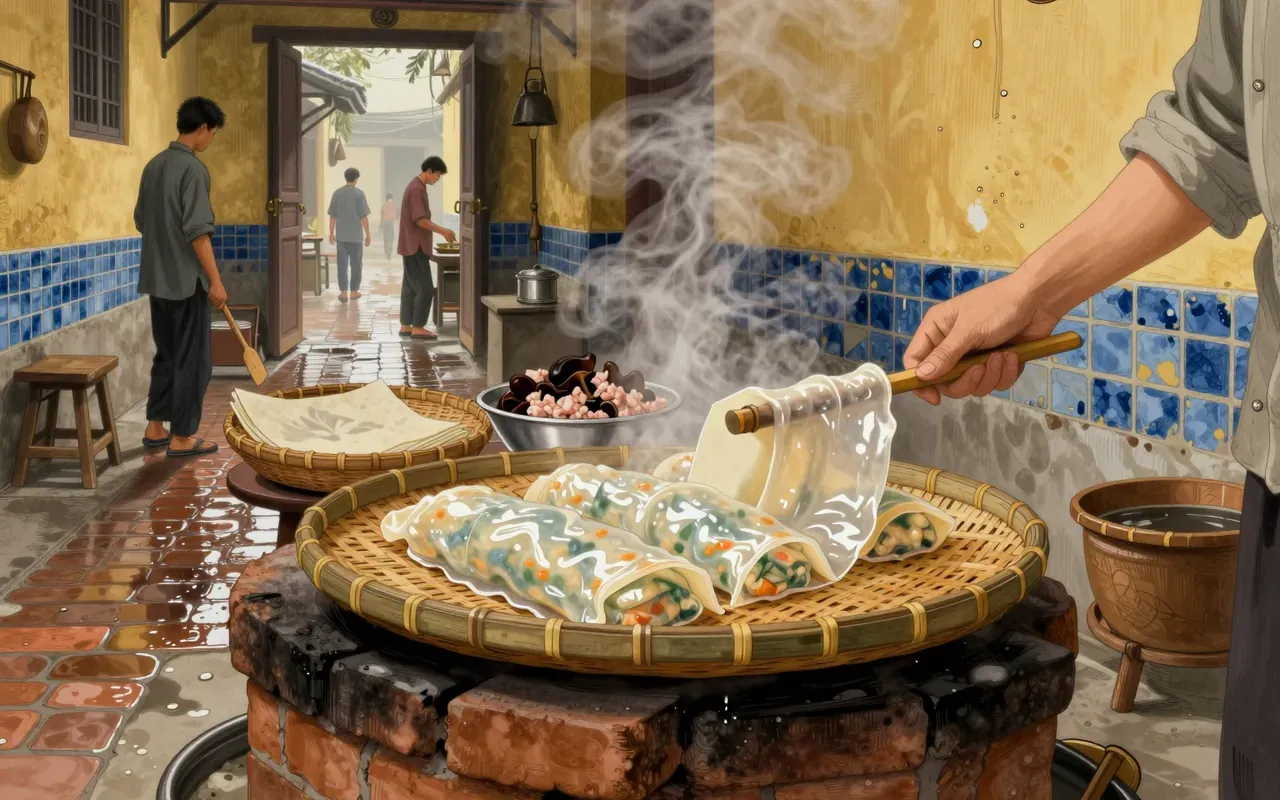
It uses seasoned ground meat—usually pork—mixed with mushrooms, vermicelli, and diced vegetables like carrots, kohlrabi, and jicama.
0:29
What it gets right
It delivers contrasting textures: crisp rice paper exterior and tender, savory filling.
0:39
What it does not
The meat filling makes it less suitable if you seek a vegetarian dish.
0:51
What it changed
Chả giò rế is a documented variation that substitutes bánh hỏi—a woven sheet of thin rice vermicelli—for rice paper, resulting in smaller, more delicate rolls.
1:01
Who it is for, and who it is not
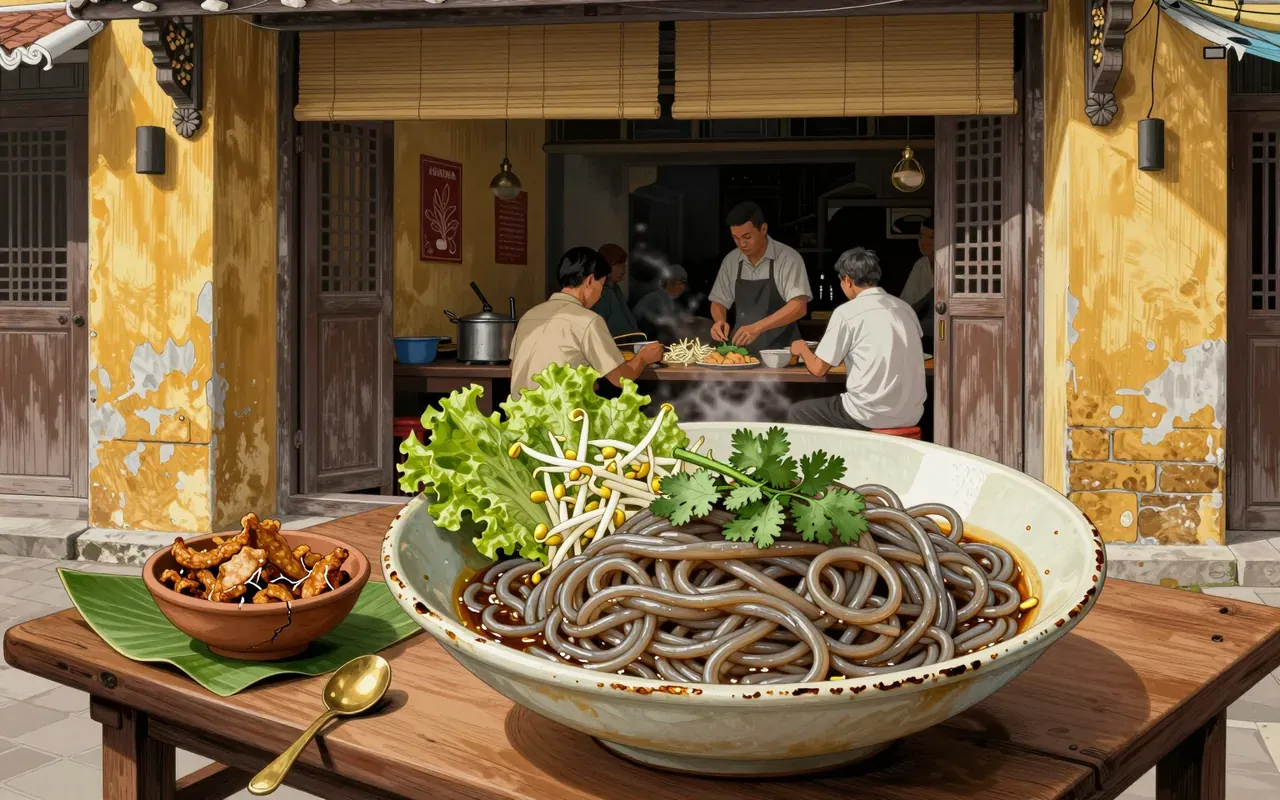
It is for people who enjoy savory, crispy appetizers or accompaniments to rice vermicelli (as in bún chả giò).
1:15
Is it worth your time
Yes—it’s a widely enjoyed, adaptable appetizer in Vietnamese communities abroad and pairs readily with nước chấm or vermicelli noodles.
Worth your time?
Selectively. Start with the brief, then cook the parts we point at.
What works
It delivers contrasting textures: crisp rice paper exterior and tender, savory filling. The inclusion of mushrooms, vermicelli, and multiple vegetables adds layered flavor and substance.
What does not
The meat filling makes it less suitable if you seek a vegetarian dish. Rice paper requires careful handling when moistened, and the deep-frying step limits options for low-oil preparation.
Cook it if
Skip it if
The written brief1 min read
What the dish is and where it came from
Chả giò is a popular dish in Vietnamese cuisine, also called nem rán or fried spring roll. It is usually served as an appetizer in Europe, North America, and Australia, where there are large Vietnamese diaspora communities.
How it works, in terms someone would actually use
It uses seasoned ground meat—usually pork—mixed with mushrooms, vermicelli, and diced vegetables like carrots, kohlrabi, and jicama. The mixture is rolled in moist rice paper and deep-fried until the wrapper is crispy and golden brown.
What it gets right
It delivers contrasting textures: crisp rice paper exterior and tender, savory filling. The inclusion of mushrooms, vermicelli, and multiple vegetables adds layered flavor and substance.
What it does not
The meat filling makes it less suitable if you seek a vegetarian dish. Rice paper requires careful handling when moistened, and the deep-frying step limits options for low-oil preparation.
What it changed
Chả giò rế is a documented variation that substitutes bánh hỏi—a woven sheet of thin rice vermicelli—for rice paper, resulting in smaller, more delicate rolls.
Who it is for, and who it is not
It is for people who enjoy savory, crispy appetizers or accompaniments to rice vermicelli (as in bún chả giò). It is not for those avoiding pork or deep-fried foods, or seeking a strictly vegetable-based dish.
Is it worth your time
Yes—it’s a widely enjoyed, adaptable appetizer in Vietnamese communities abroad and pairs readily with nước chấm or vermicelli noodles.