1:02in productionCh. 1 · What the dish is and where it came from/ 1:02 · ceiling 15 min
Dishes · Technique
Puri (food)
A deep-fried unleavened flatbread from the northern Indian subcontinent, made from wheat dough and puffed by steam during frying.
Puri is a deep-fried unleavened flatbread made from wheat dough. It originated in the northern Indian subcontinent and is a staple food in parts of the region.
Puri is a deep-fried unleavened flatbread made from wheat dough.
0:11
How it works, in terms someone would actually use
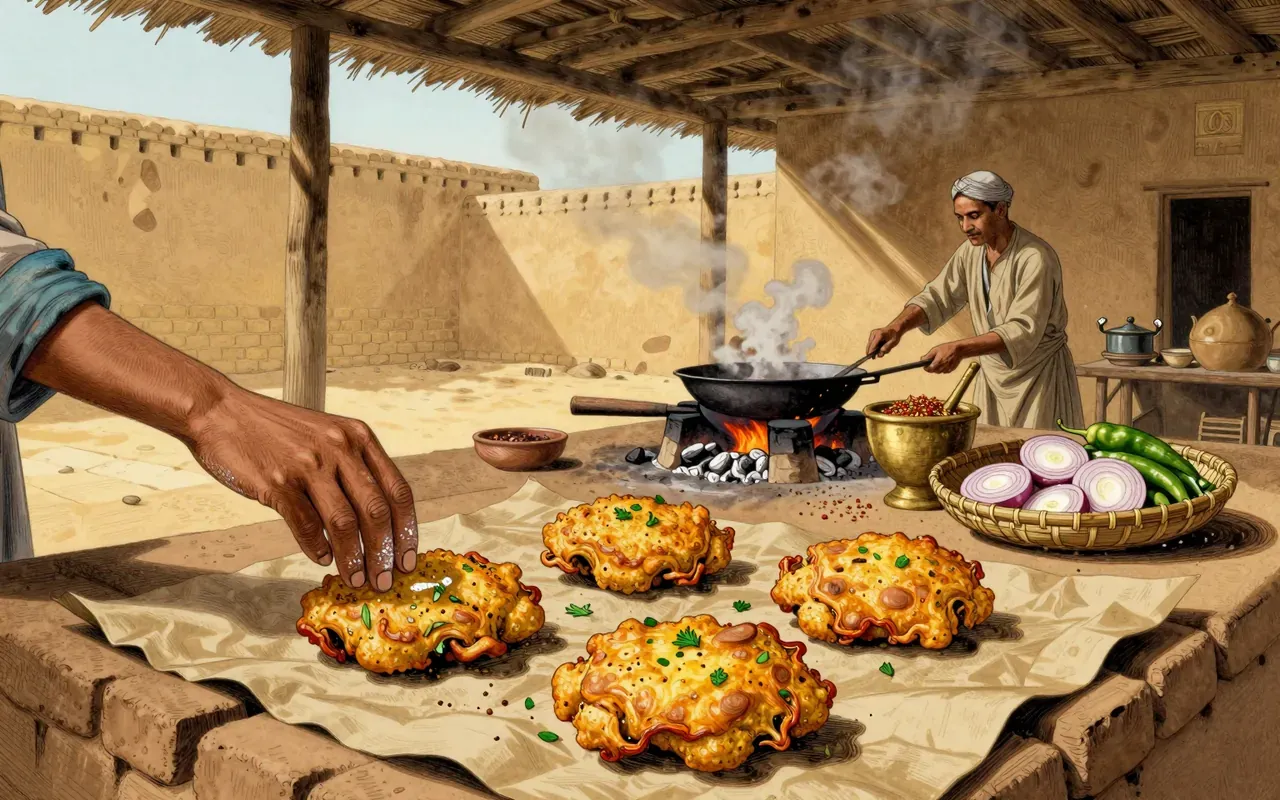
Dough made from wheat flour (typically atta), oil, and water is shaped into circles and deep fried in ghee or vegetable oil in a karahi.
0:26
What it gets right
Its single-layer, unleavened structure and reliable puffing make it light and crisp when freshly fried.
0:32
What it does not
As an unleavened flatbread, it does not contain yeast or other leavening agents.
0:37
What it changed
Recipes for puri were recorded by the fifteenth century; foods resembling it may have existed earlier in ancient India.
0:45
Who it is for, and who it is not
It is for people who eat wheat-based flatbreads and use ghee or vegetable oil in cooking.
0:56
Is it worth your time
Yes—it is a widely consumed staple with a simple preparation method and distinctive puffing behavior.
Worth your time?
Selectively. Start with the brief, then cook the parts we point at.
What works
Its single-layer, unleavened structure and reliable puffing make it light and crisp when freshly fried.
What does not
As an unleavened flatbread, it does not contain yeast or other leavening agents.
Cook it if
Skip it if
The written brief1 min read
What the dish is and where it came from
Puri is a deep-fried unleavened flatbread made from wheat dough. It originated in the northern Indian subcontinent and is a staple food in parts of the region.
How it works, in terms someone would actually use
Dough made from wheat flour (typically atta), oil, and water is shaped into circles and deep fried in ghee or vegetable oil in a karahi. Steam from moisture in the dough causes it to puff up during frying.
What it gets right
Its single-layer, unleavened structure and reliable puffing make it light and crisp when freshly fried.
What it does not
As an unleavened flatbread, it does not contain yeast or other leavening agents.
What it changed
Recipes for puri were recorded by the fifteenth century; foods resembling it may have existed earlier in ancient India.
Who it is for, and who it is not
It is for people who eat wheat-based flatbreads and use ghee or vegetable oil in cooking. It is not for those avoiding wheat, deep-fried foods, or dairy-derived ghee.
Is it worth your time
Yes—it is a widely consumed staple with a simple preparation method and distinctive puffing behavior.