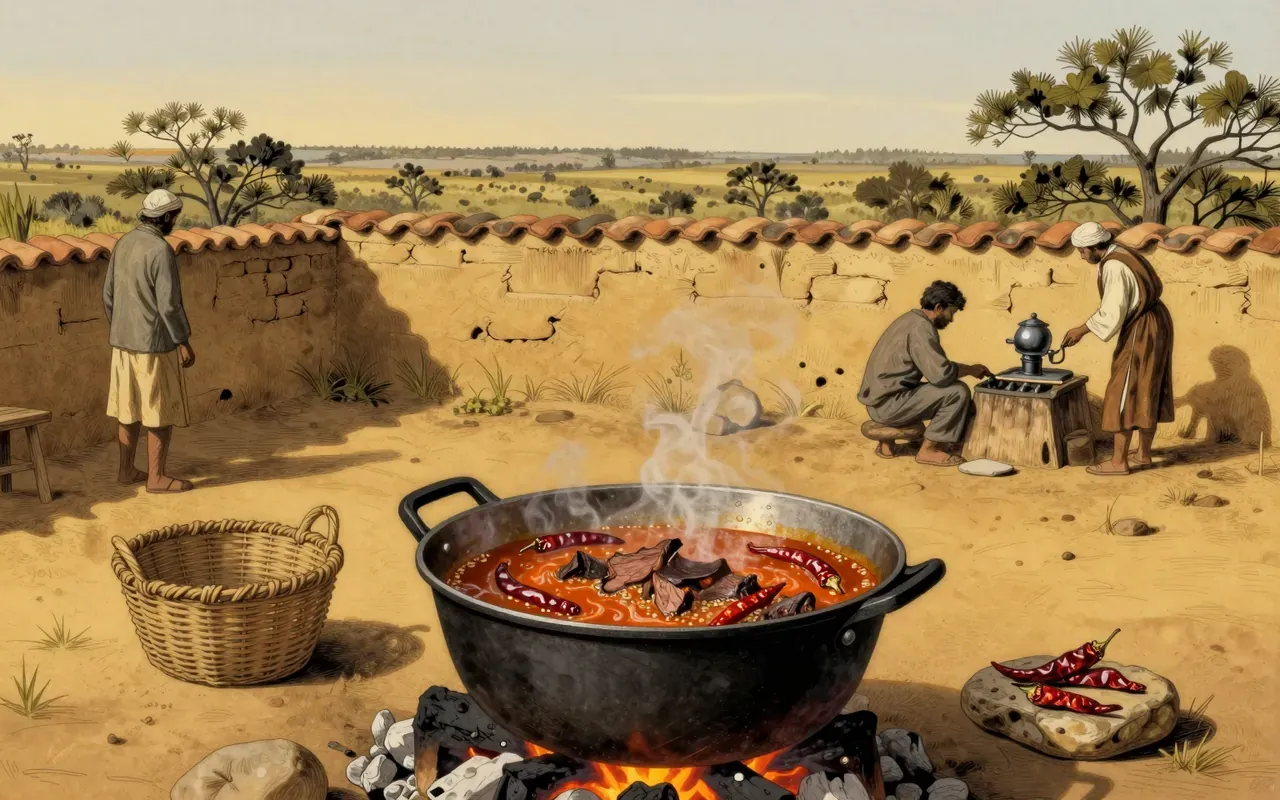
What the dish is and where it came from
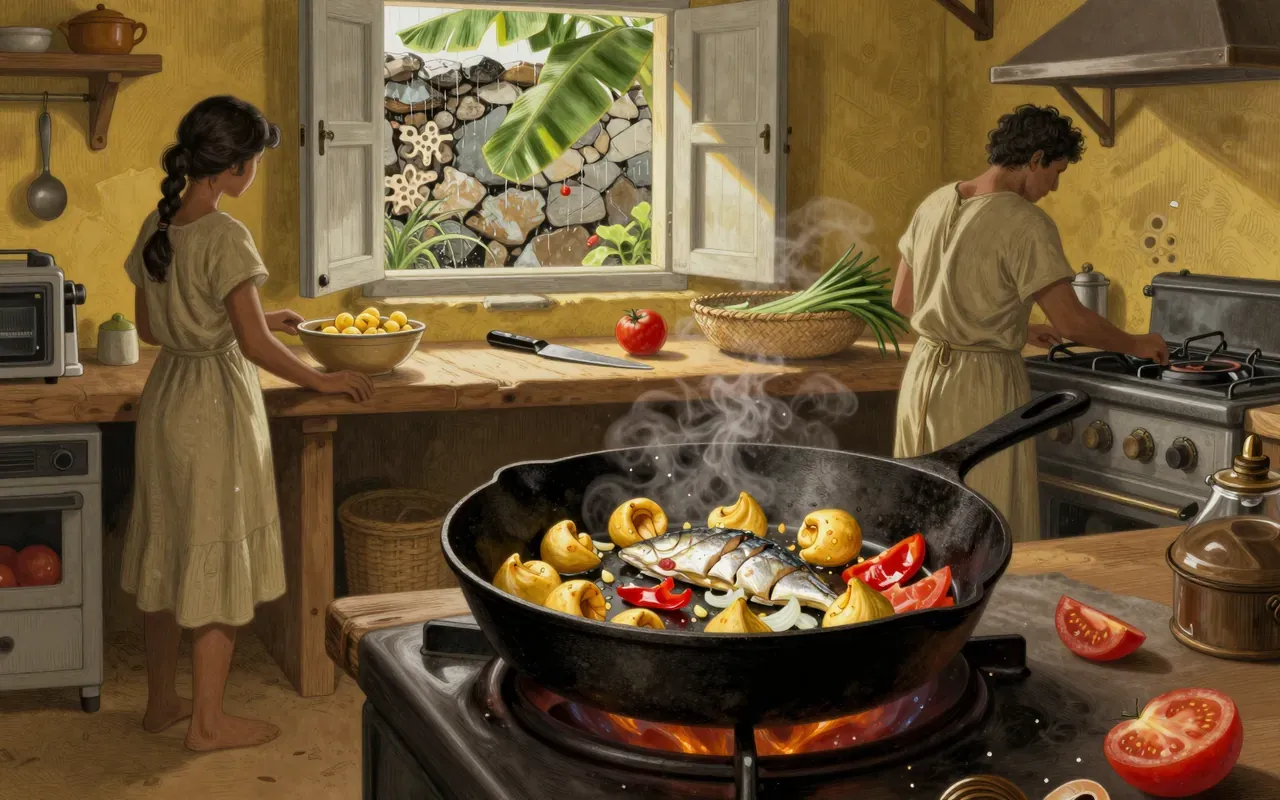
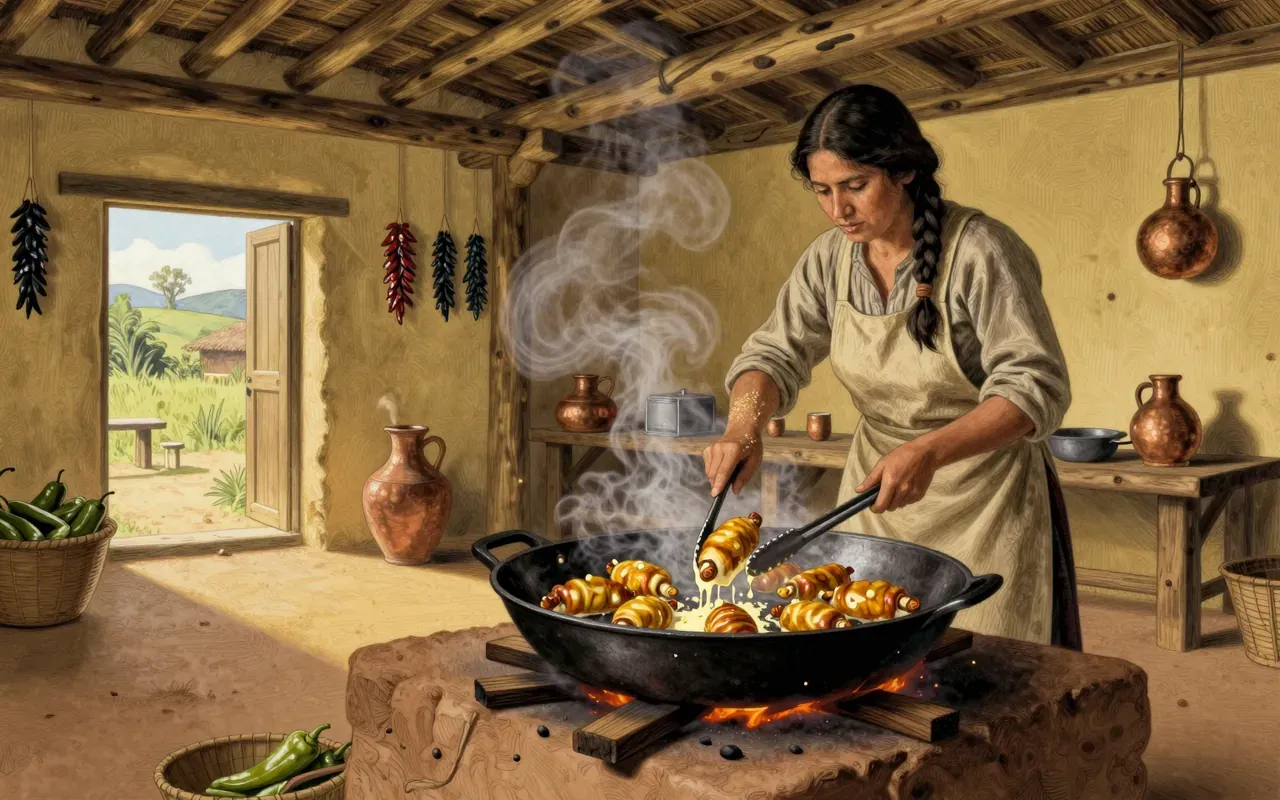
Chili con carne is a spicy stew of Mexican origin. Its earliest form was a pre-Columbian chilli pepper-seasoned stew eaten in Tenochtitlan in 1529. Beef entered only after the Spanish introduced cattle. By the 17th–19th centuries, rancheros cooked tasajo or cecina in chilli sauce across Veracruz, Hidalgo, and Nayarit.
How it works, in terms someone would actually use
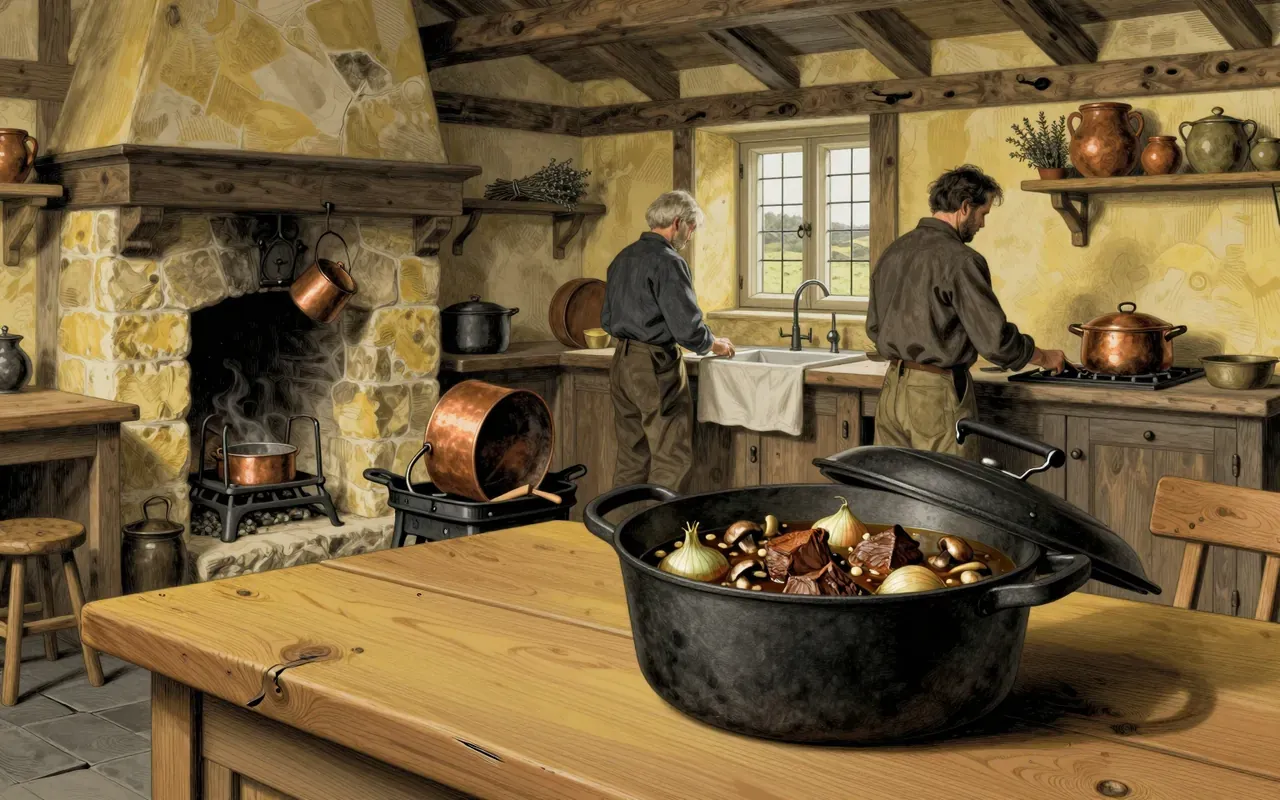
It is a stew built on dried beef — tasajo or cecina — rehydrated and simmered in chili sauce. The step that decides whether it works is the slow softening of the salted, cured meat in the heat and acidity of the chilies. That process unlocks deep savoury notes while taming the chew.
What it gets right
It gets right the centrality of dried beef and fresh or dried chilies. It gets right the regional logic of Veracruz, Hidalgo, and Nayarit as documented sites of preparation and consumption between 1529 and 1849.
What it does not
It does not contain beans in any verified early source. It does not use ground beef before the 20th century. It does not originate in Texas or the American Southwest.
What it changed
It changed from a local, portable campfire dish into a contested symbol: first as carne con chile across colonial Mexico, then as chili con carne in Texas and the US, where authenticity became codified by cook-offs rather than continuity.
Who it is for, and who it is not
It is for cooks who care about ingredient lineage and regional specificity. It is not for those seeking a unified national recipe — no such thing exists in the sources.
Is it worth your time
Yes, if you want to taste how pre-Columbian chilli stews met Spanish cattle and Mexican ranchero life. No, if you expect beans, tomatoes or ground beef — none appear in the verified early accounts.