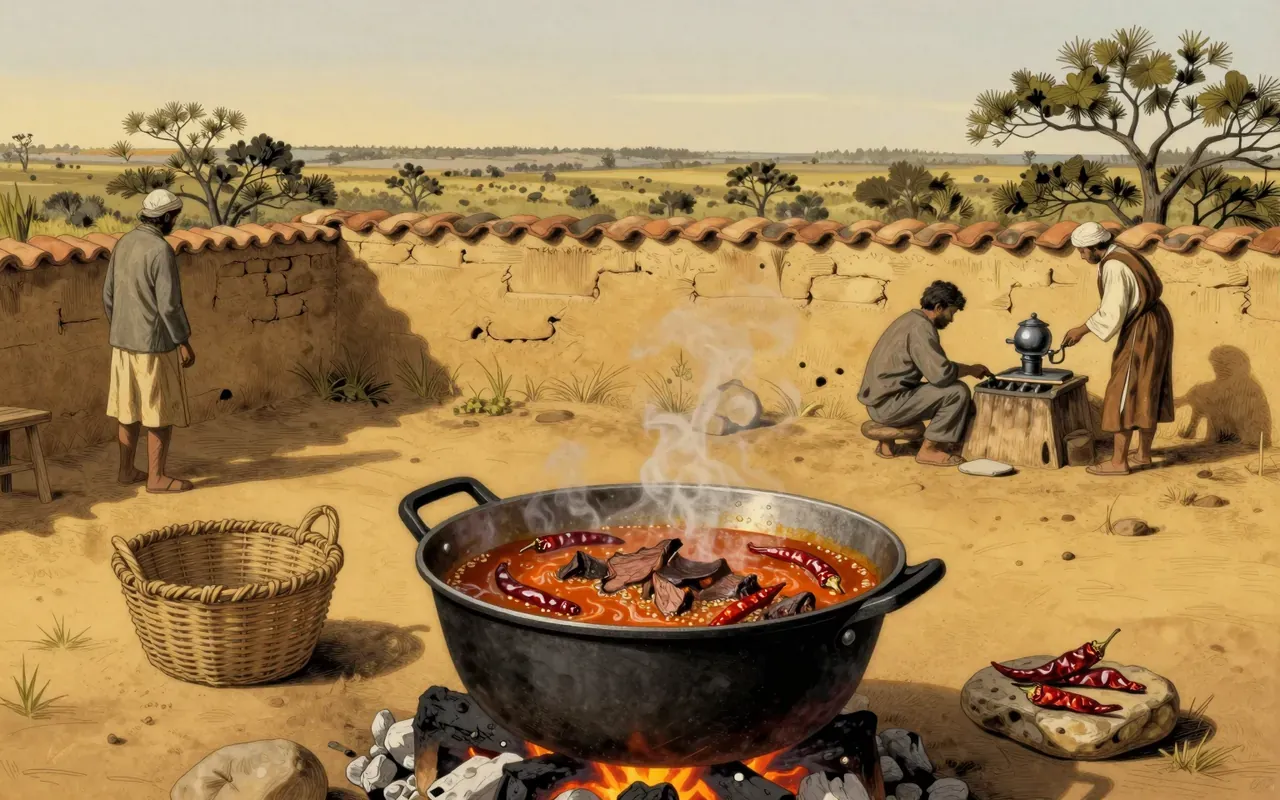
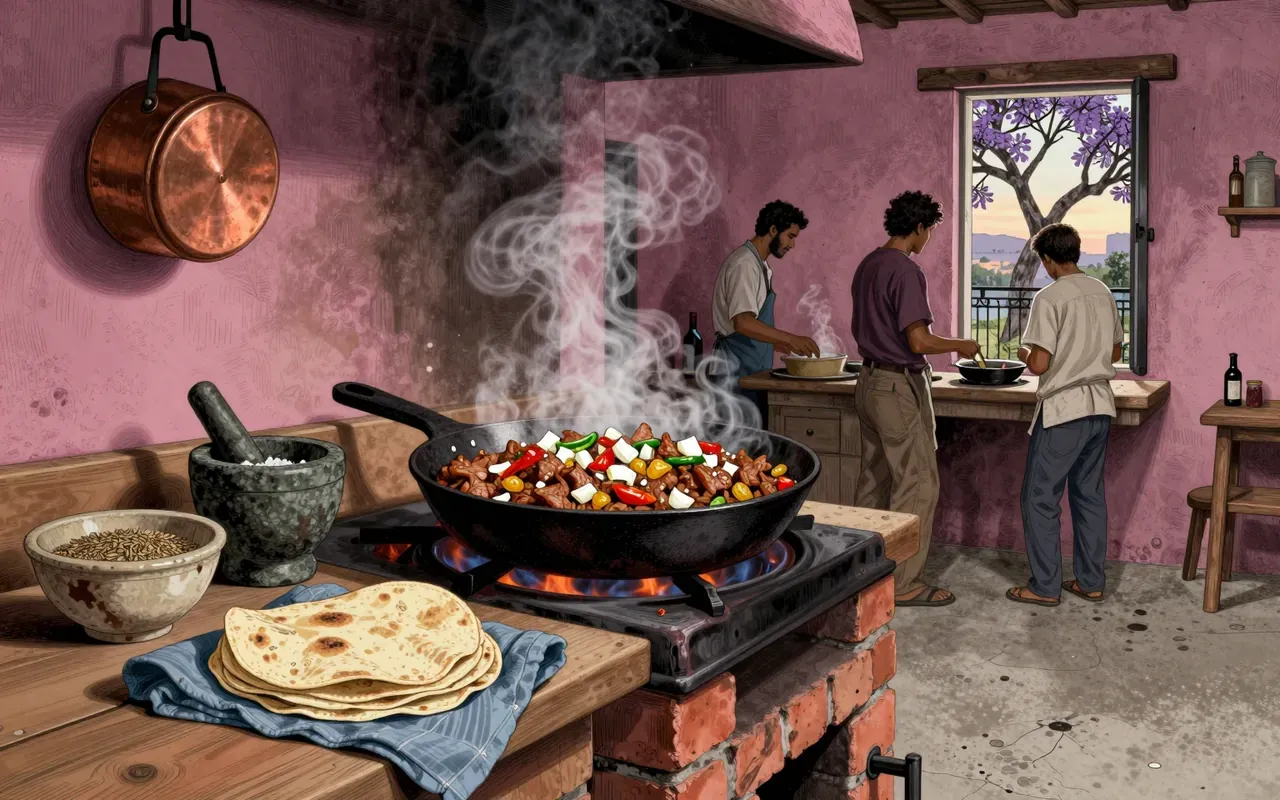
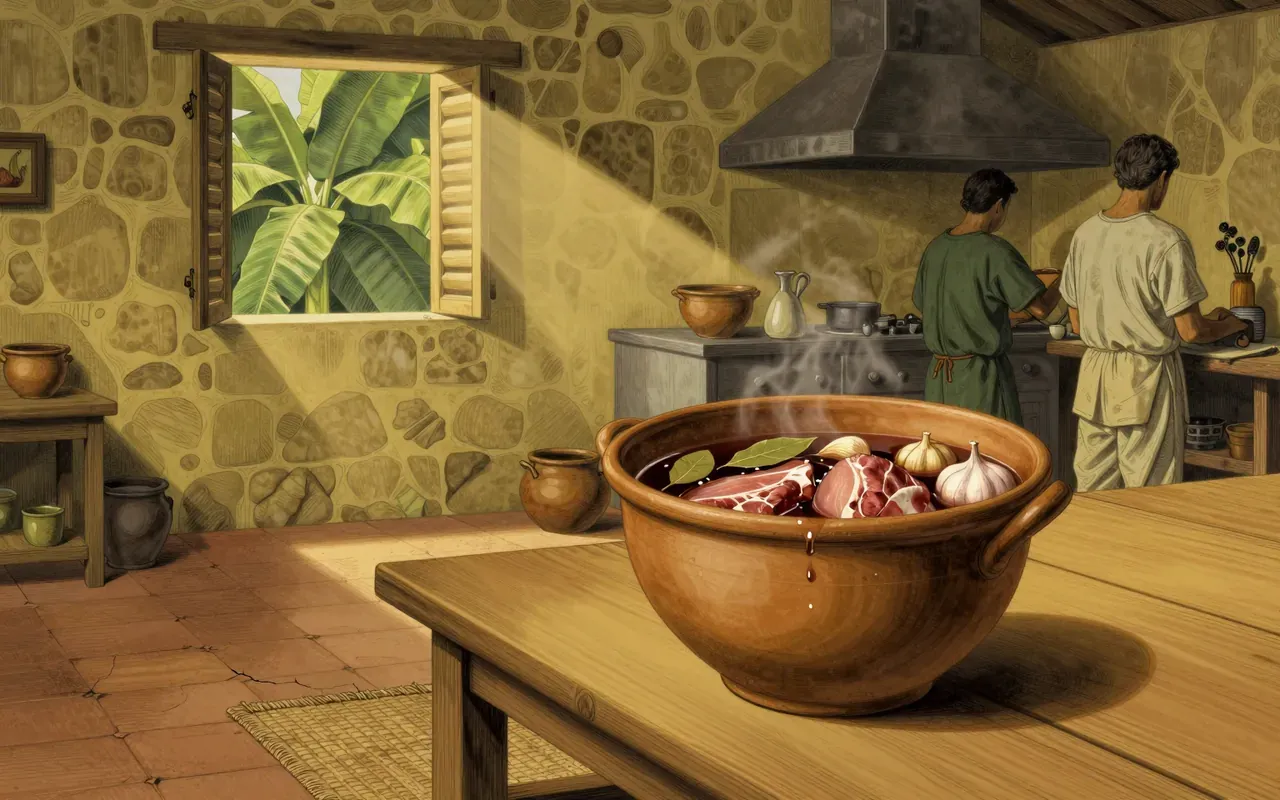
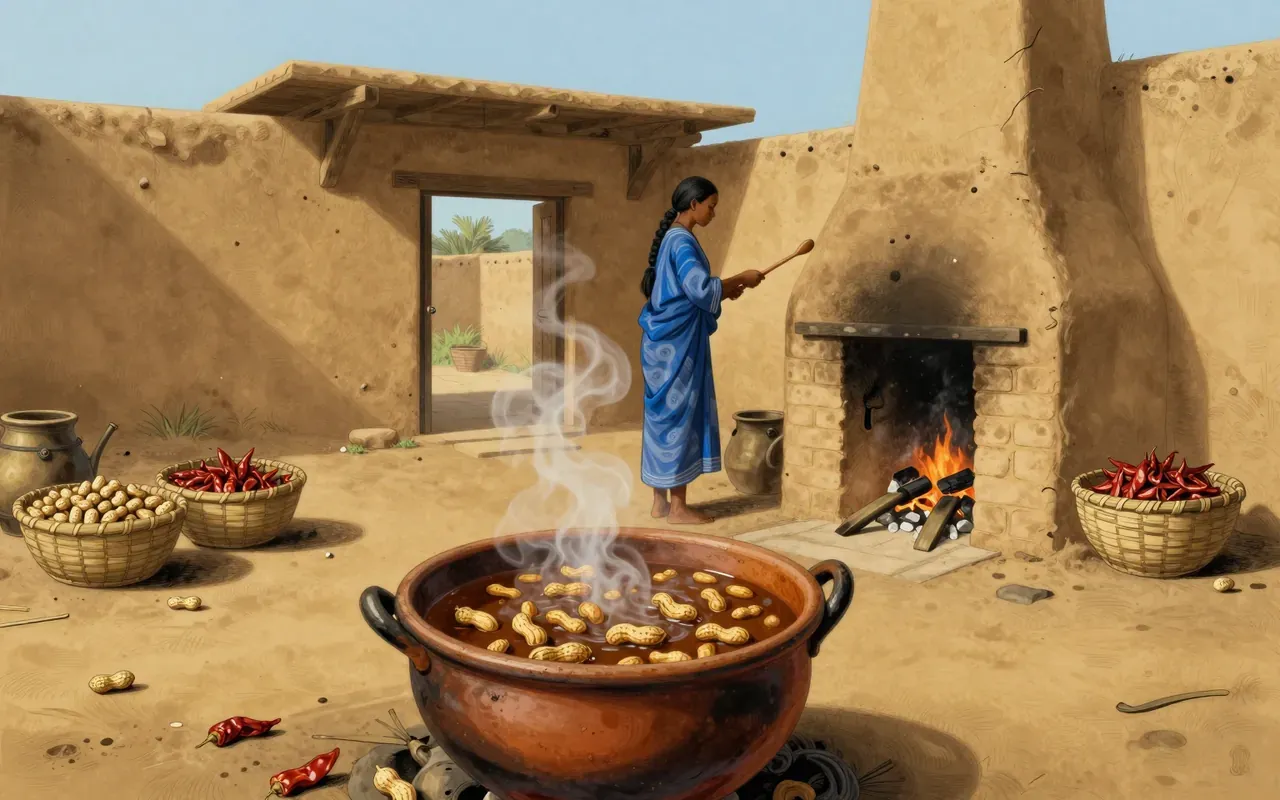
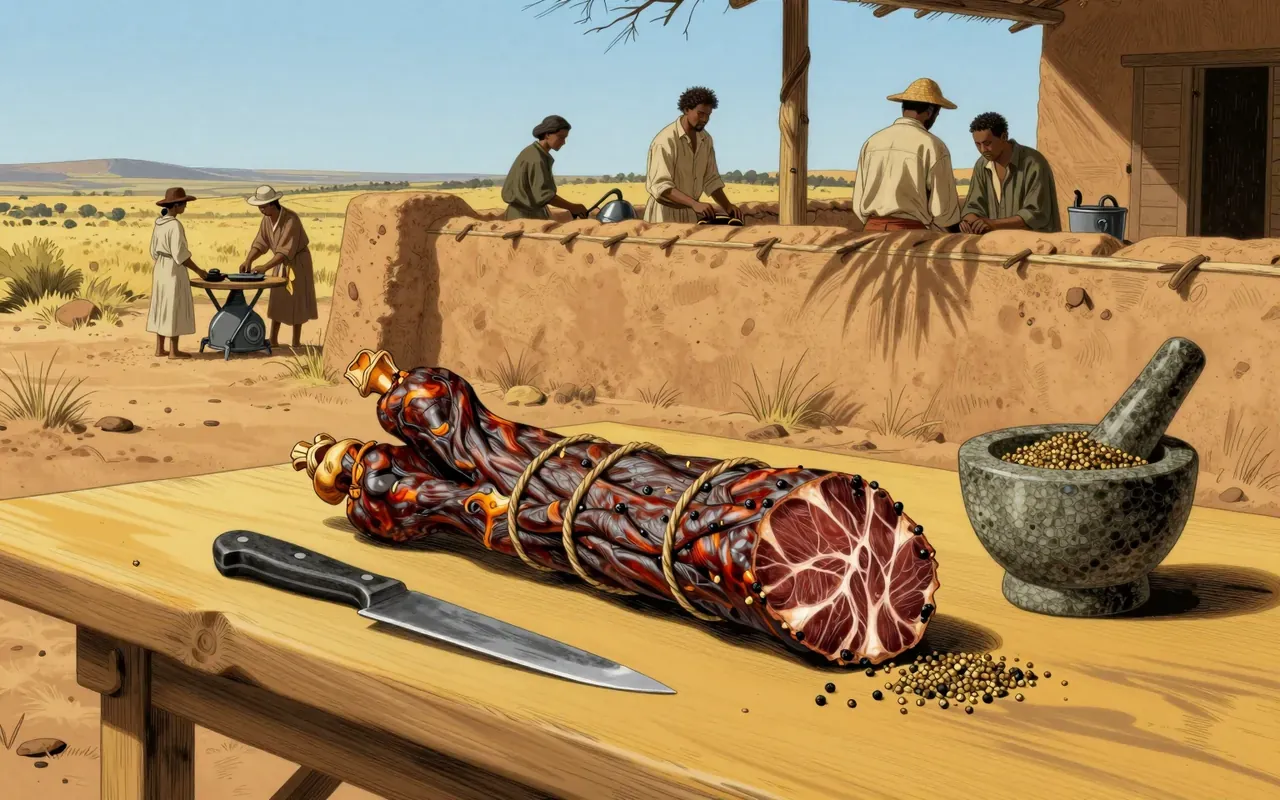
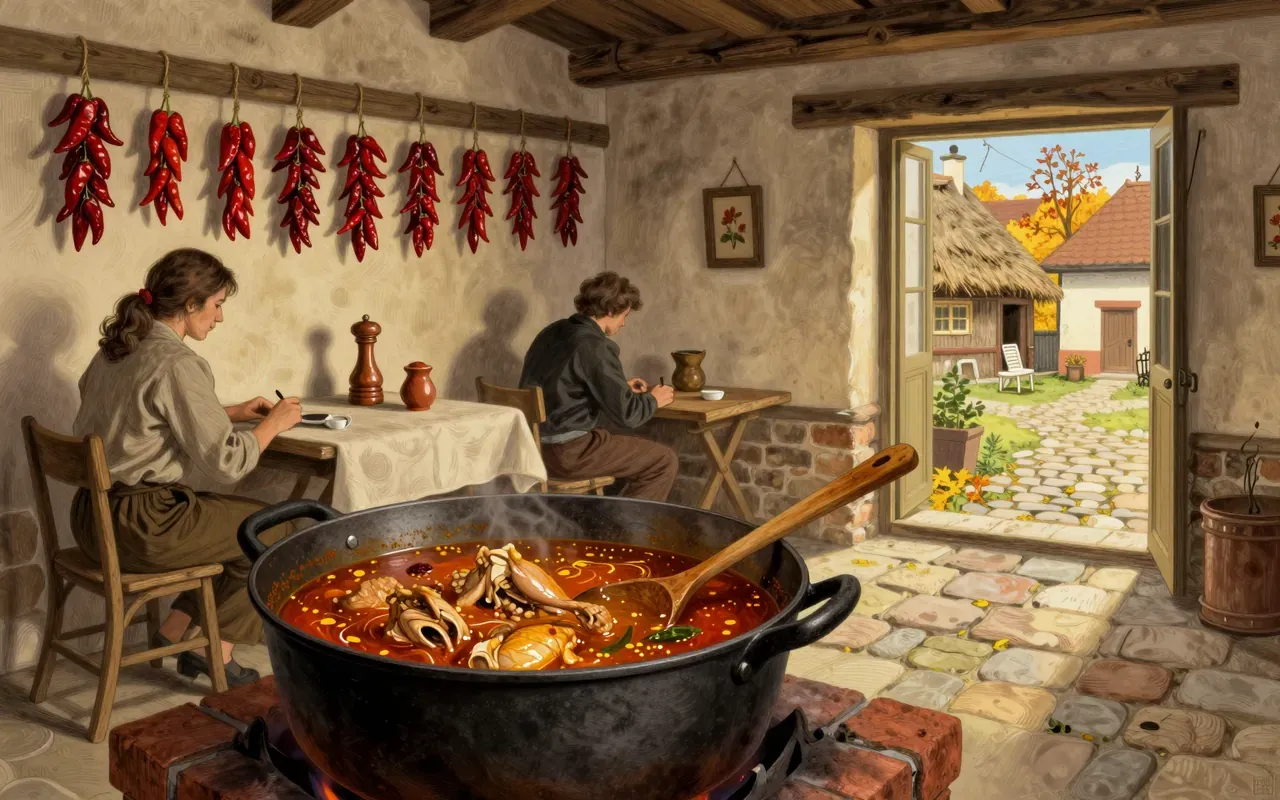
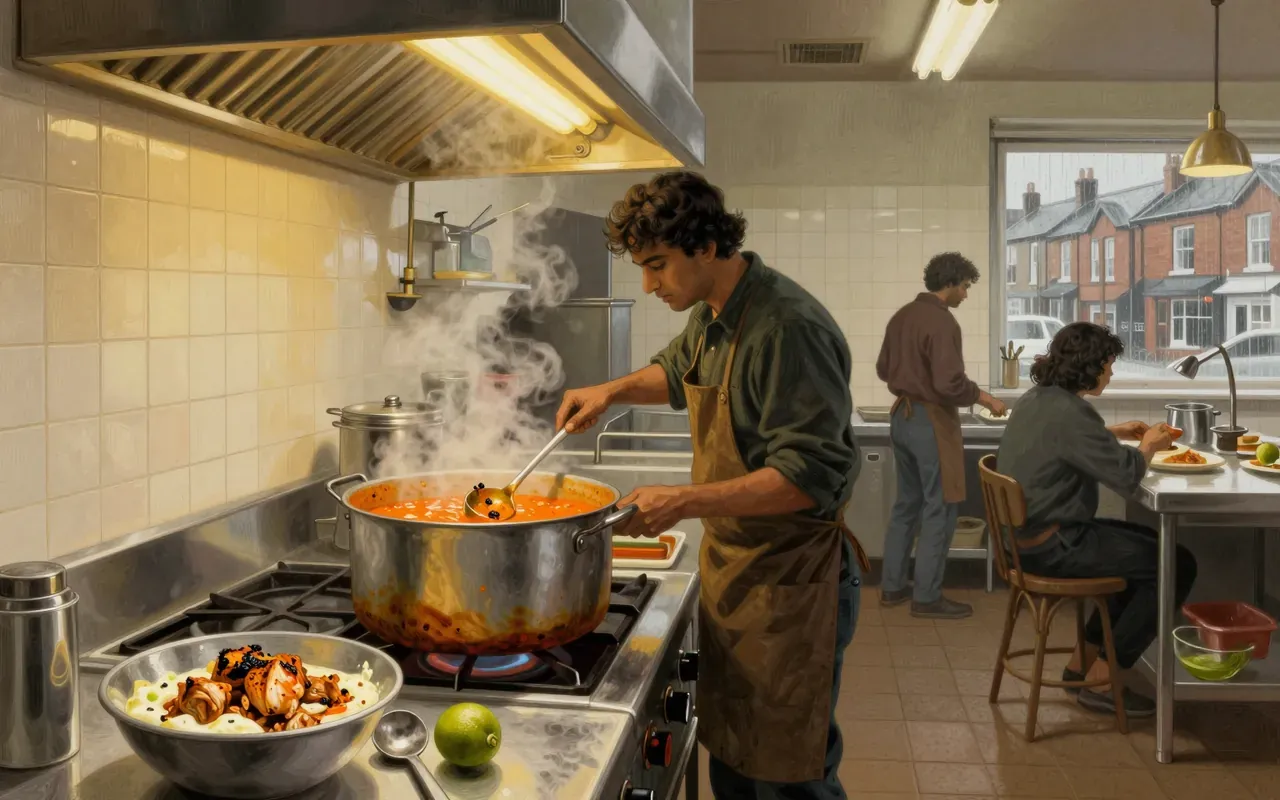
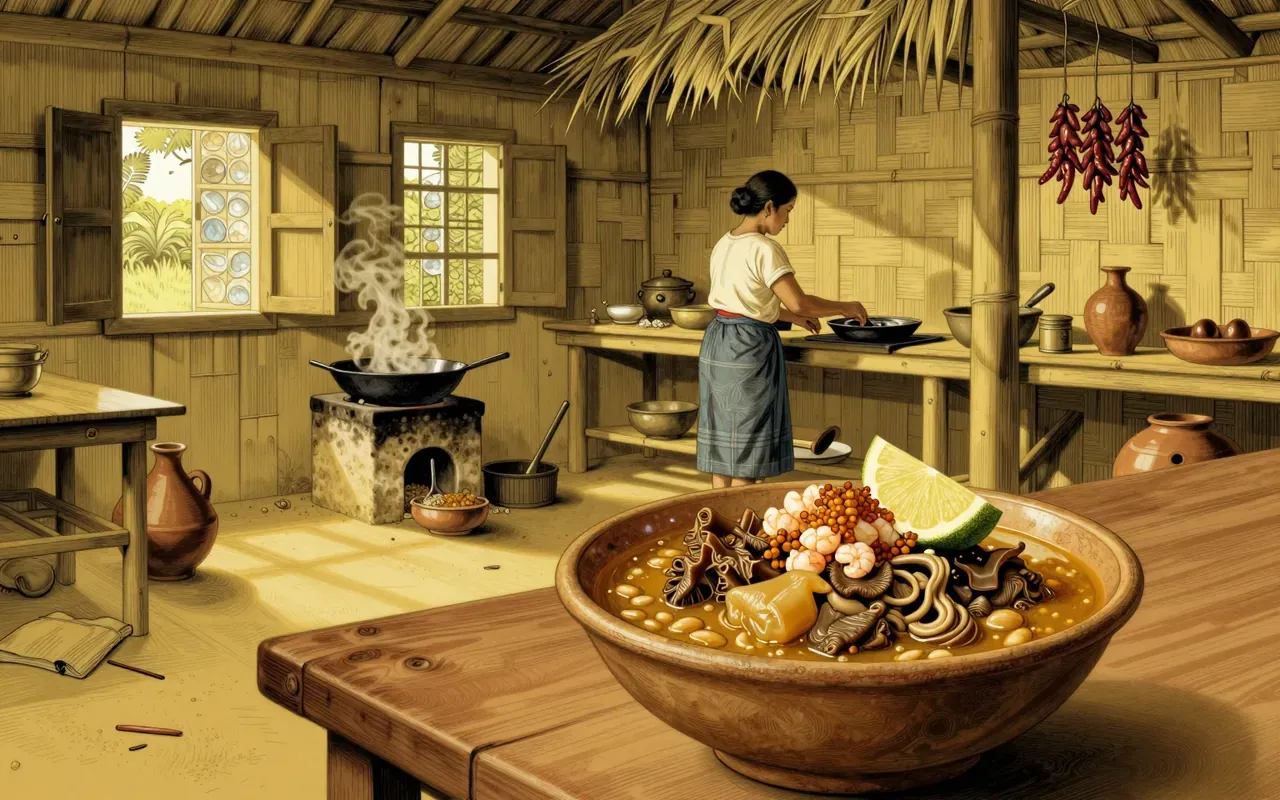
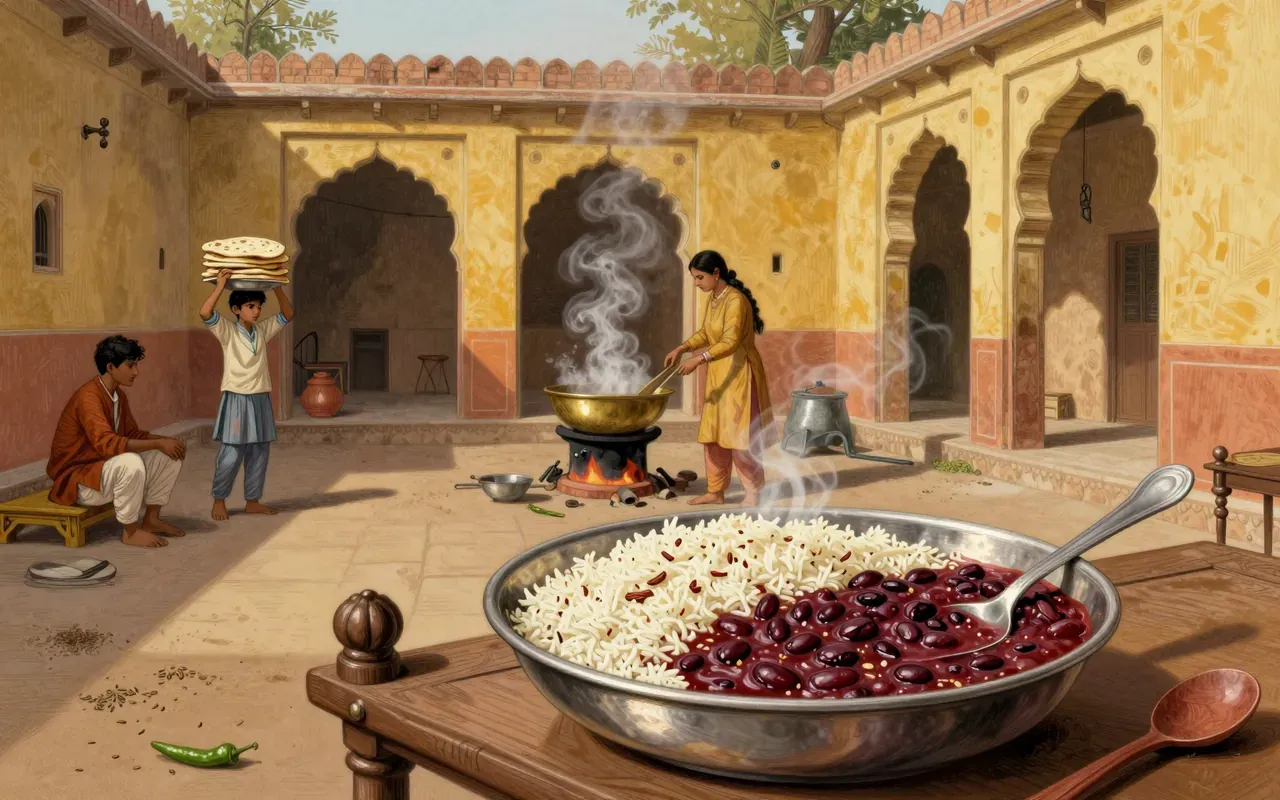
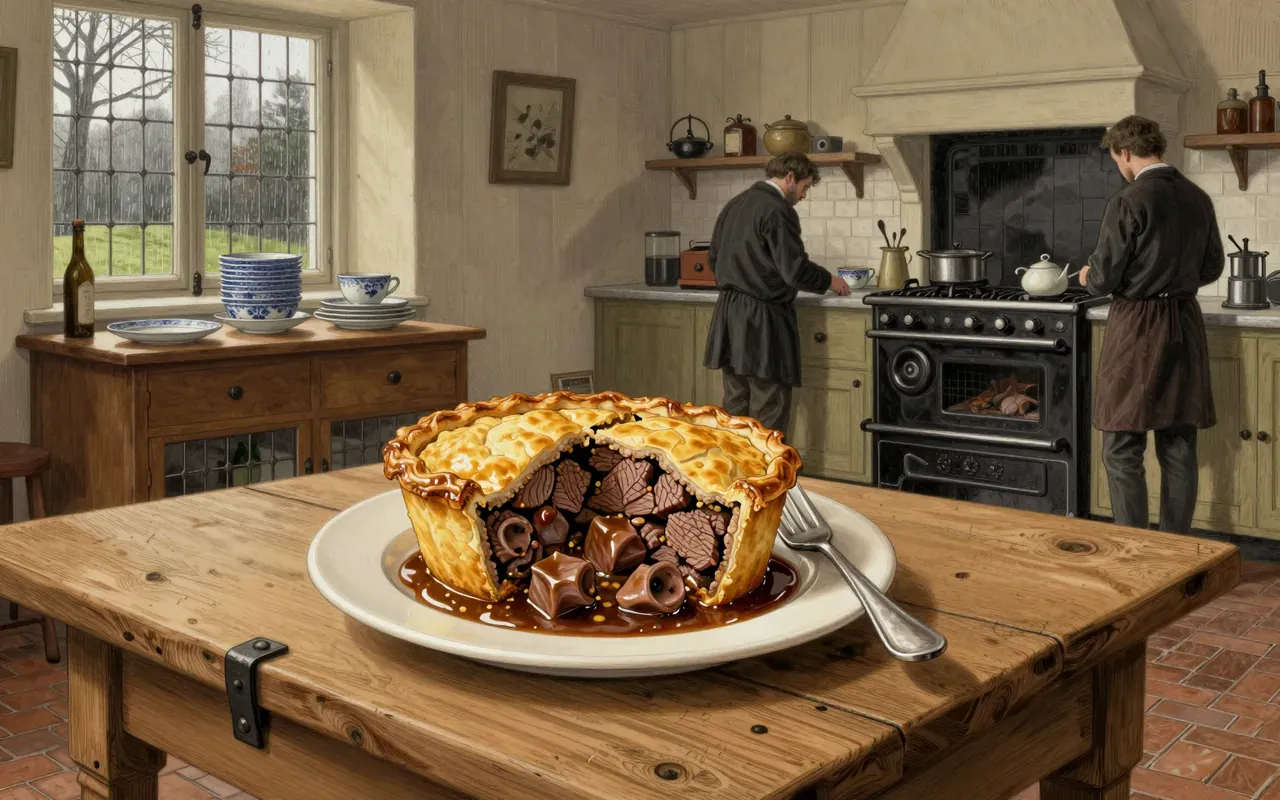
Chili con carne is not Texan. It is a Mexican ranchero dish born from dried beef and native chilies — long before beans, tomatoes, or ground meat entered the pot.
Pandoro is not a cake — it’s a butter-rich, star-shaped bread whose industrial patent in 1894 turned Verona’s century-old formula into Italy’s most geometrically correct Christmas ritual.
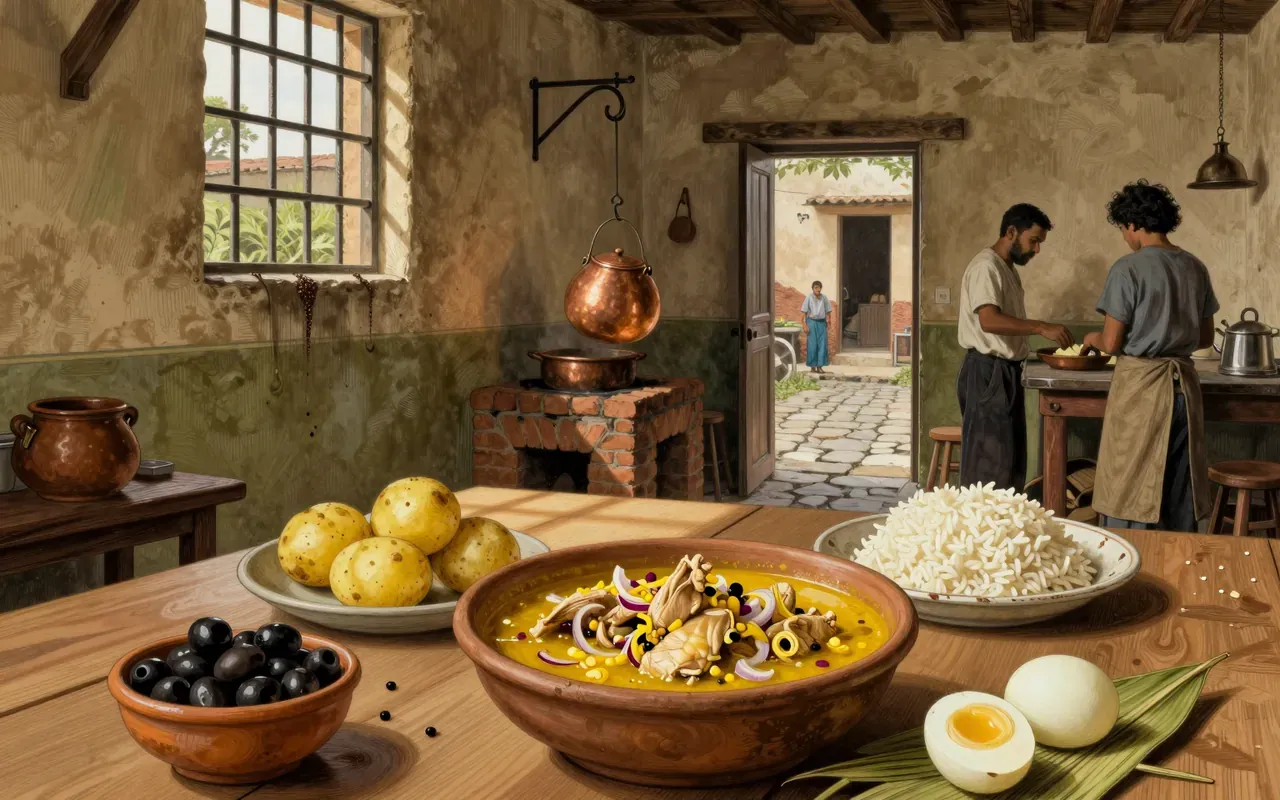
A Peruvian chicken stew with a chili-sofrito base, thickened with milk-soaked bread, cheese, and nuts, served with potatoes, rice, olives, and hard-boiled egg.
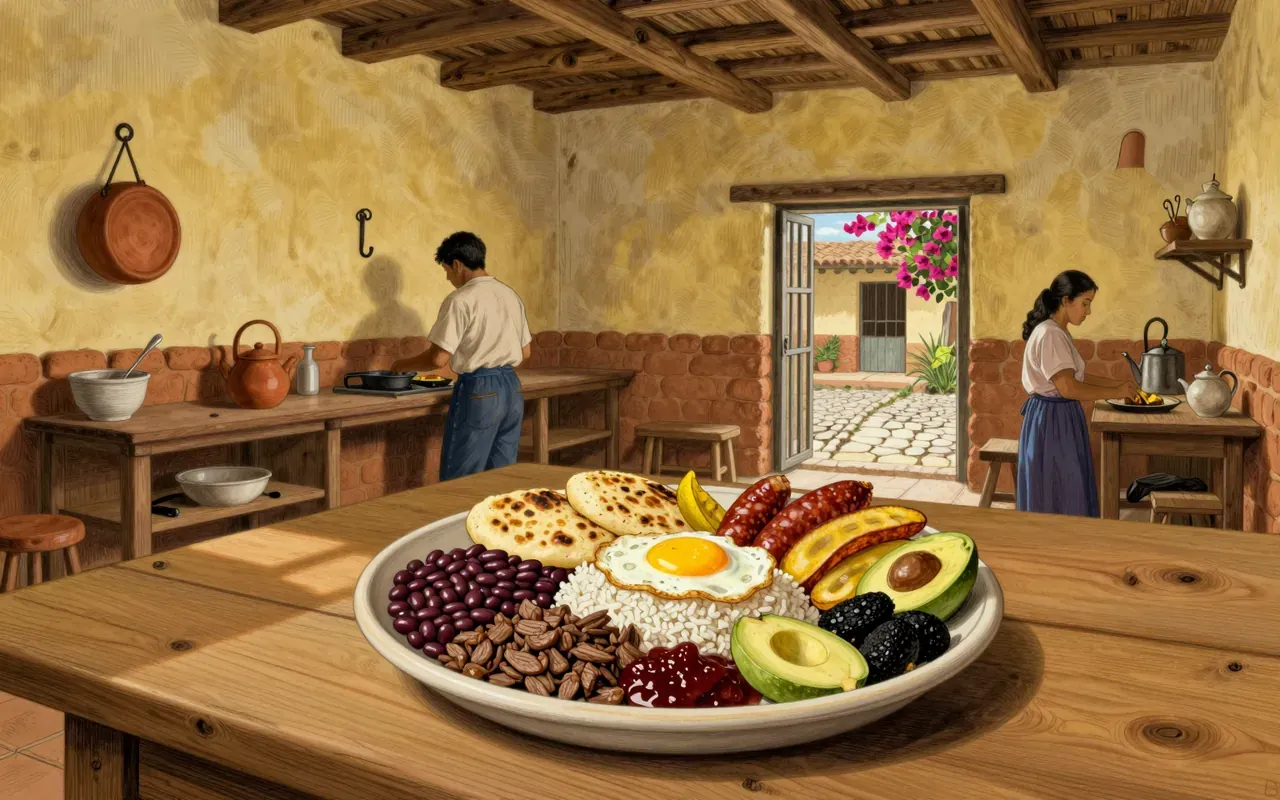
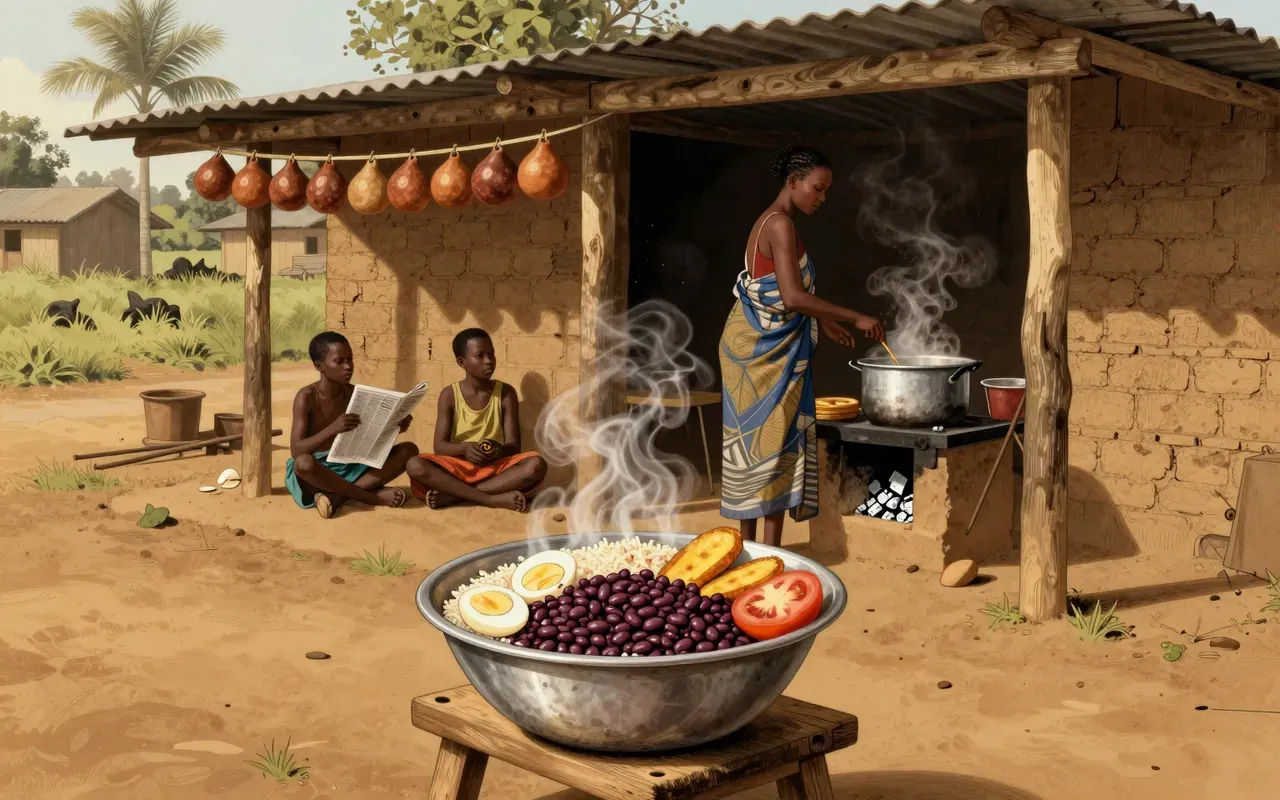
A large platter from Colombia’s Paisa region featuring red beans with pork, rice, ground meat, chicharrón, fried egg, ripe plantain, chorizo, arepa, hogao sauce, black pudding, avocado, and lemon.
A German sausage made from pork or less commonly beef, veal, or combinations, with documented regional origins across Franconia, Thuringia, and eastern Switzerland.
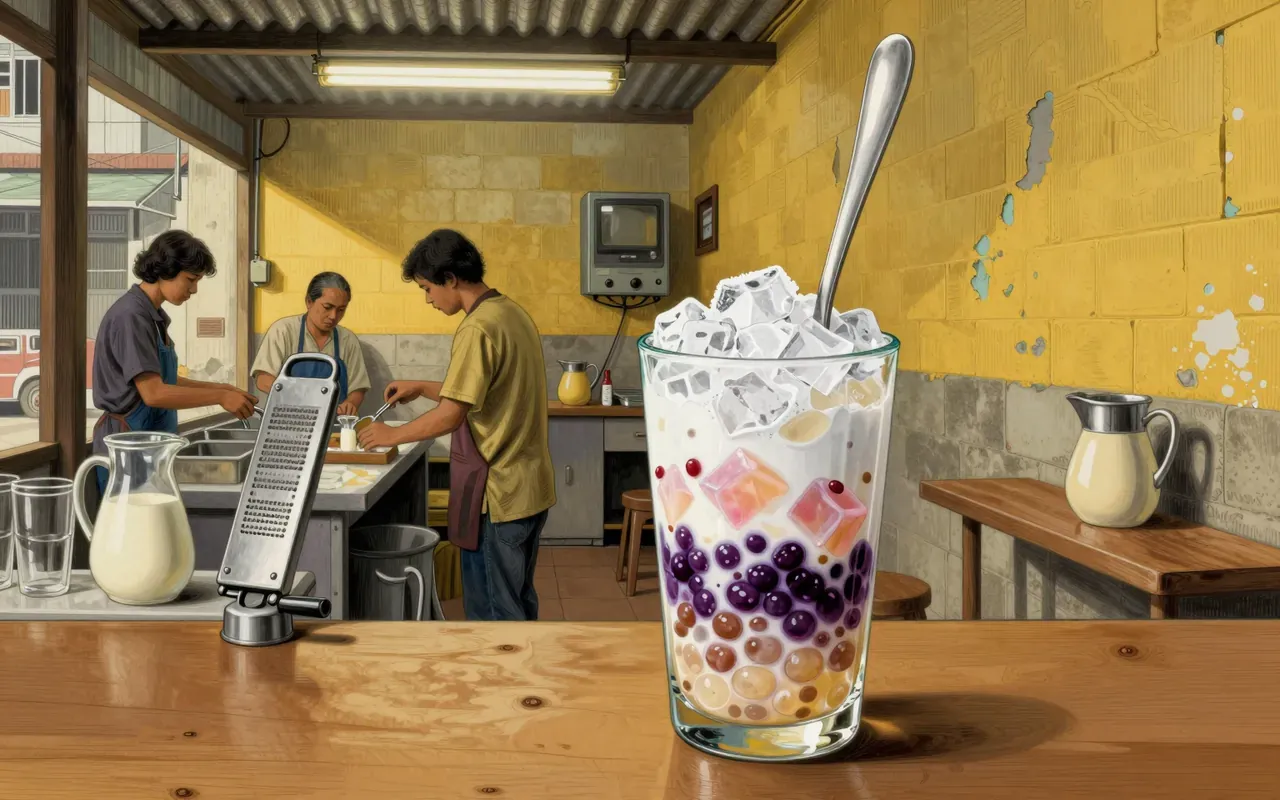
A layered Filipino cold dessert served in a tall glass with crushed ice, milk, and diverse sweet components including ube jam, beans, jellies, root crops, flan, and sometimes ice cream.
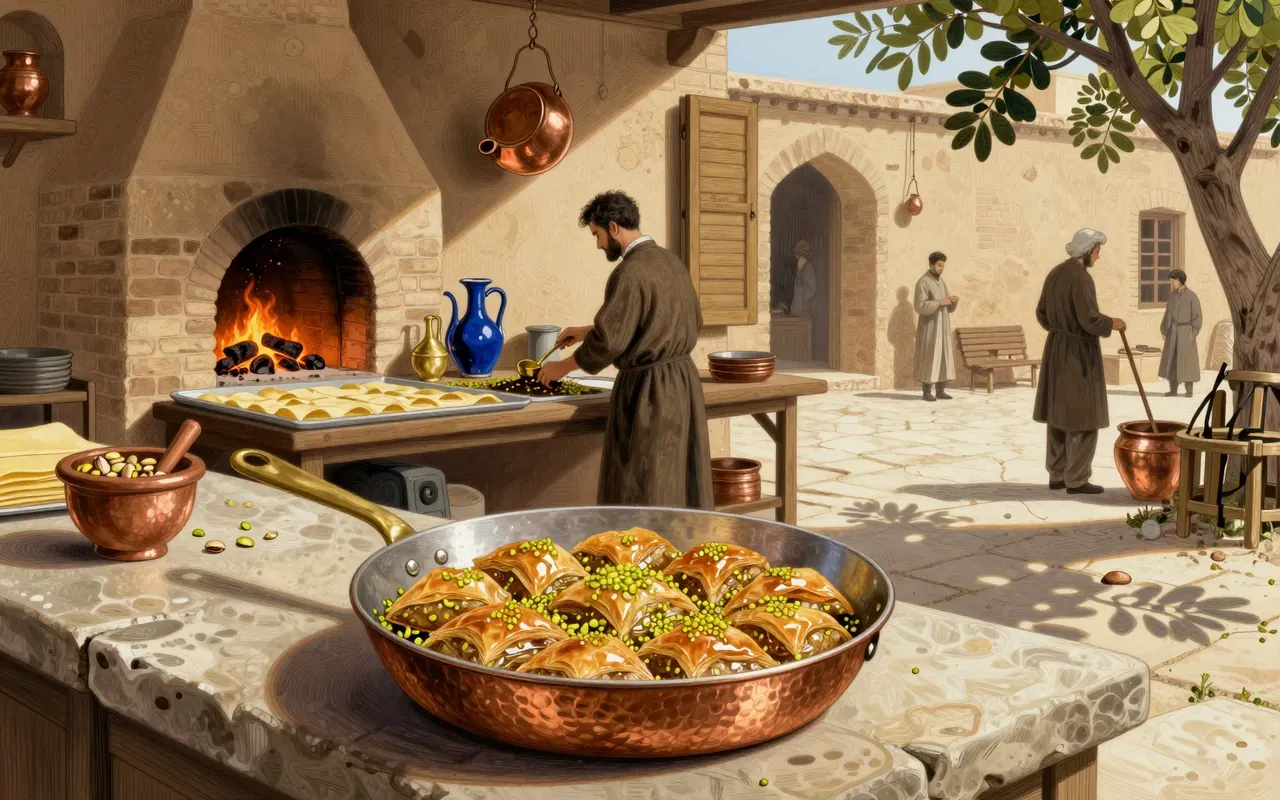
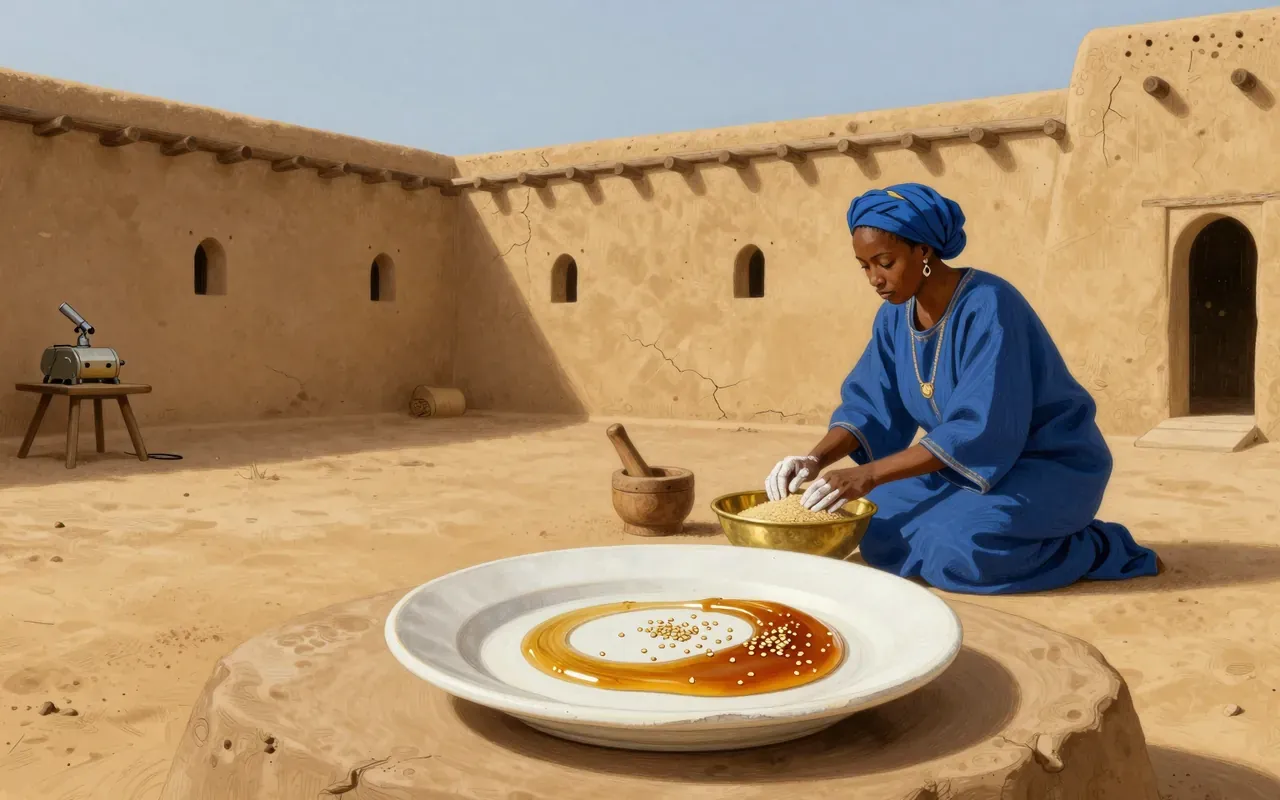
A dense, crumbly or fudge-like confection made from sesame paste and sugar—or toasted flour and syrup—rooted in Persian and early Arab culinary traditions.
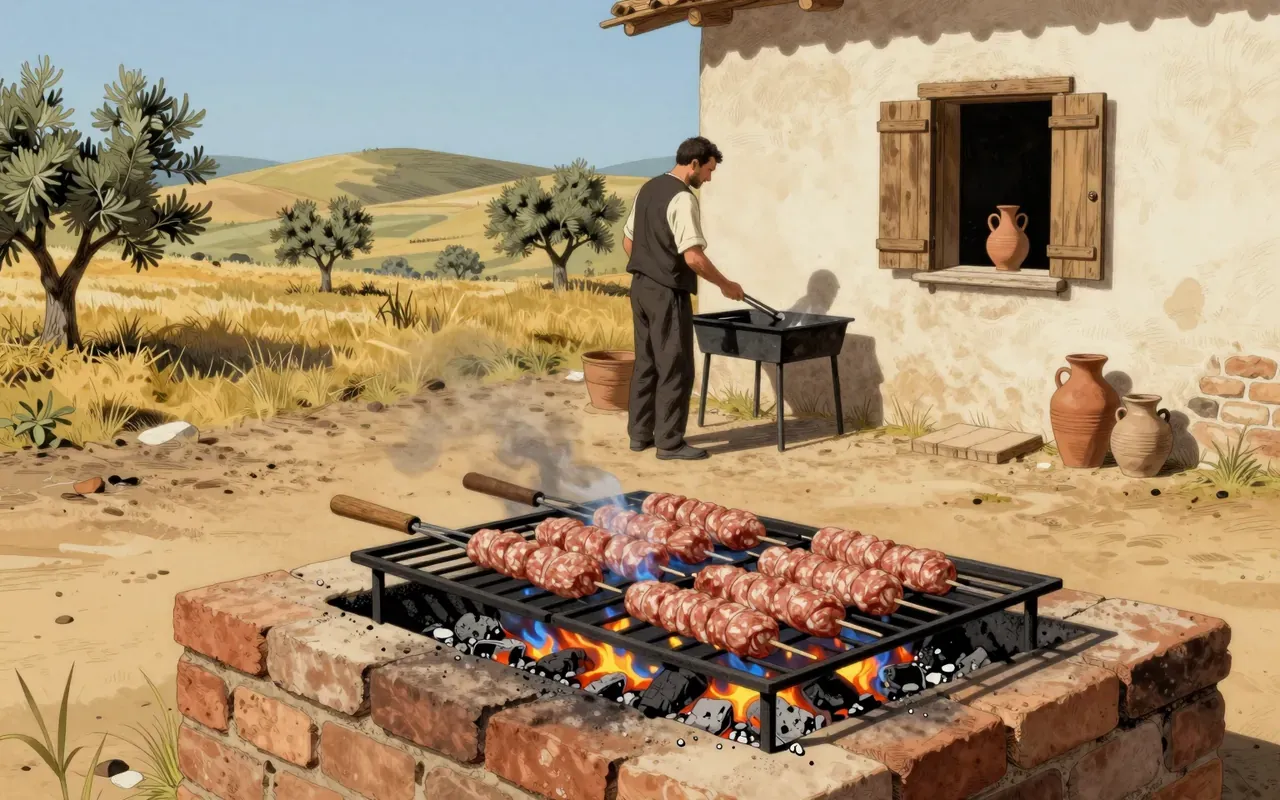
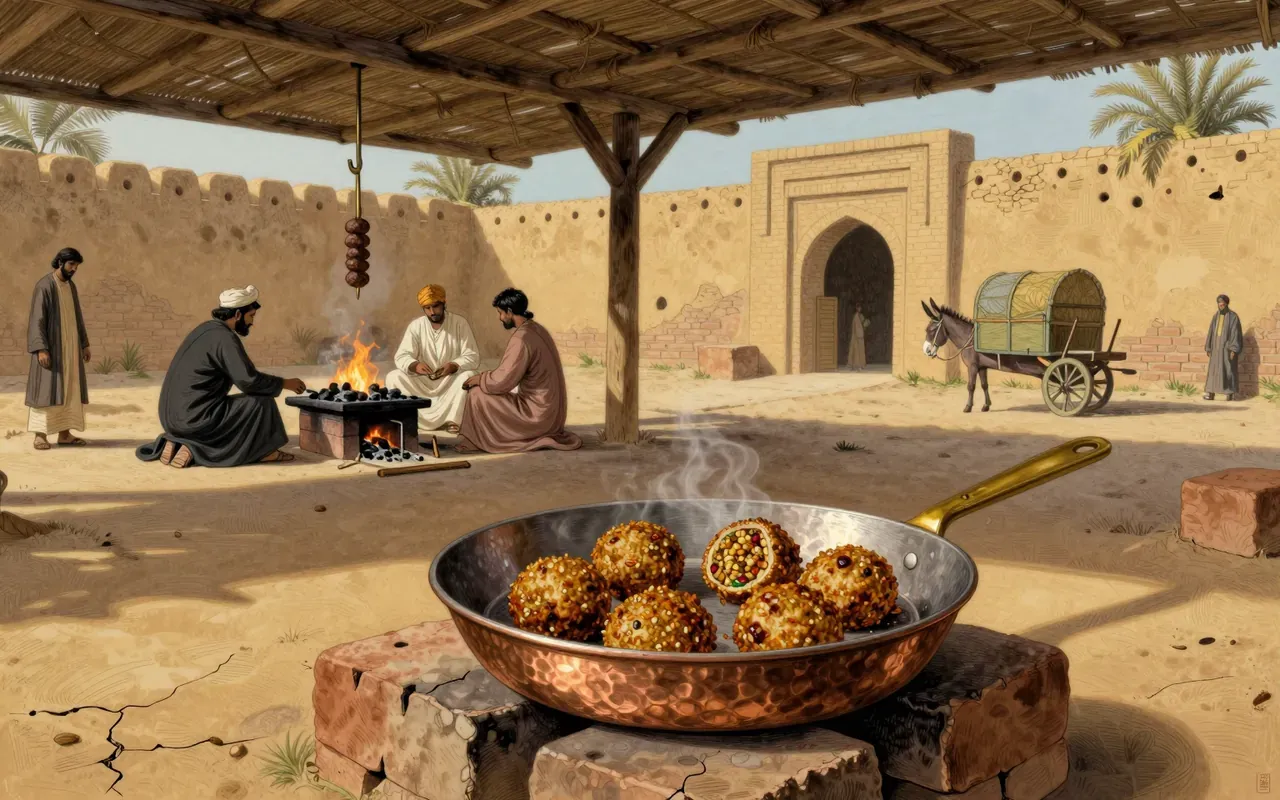
Kofta is a family of meatball and meatloaf dishes across South Asian, Central Asian, Balkan, Middle Eastern, North African, and South Caucasian cuisines.
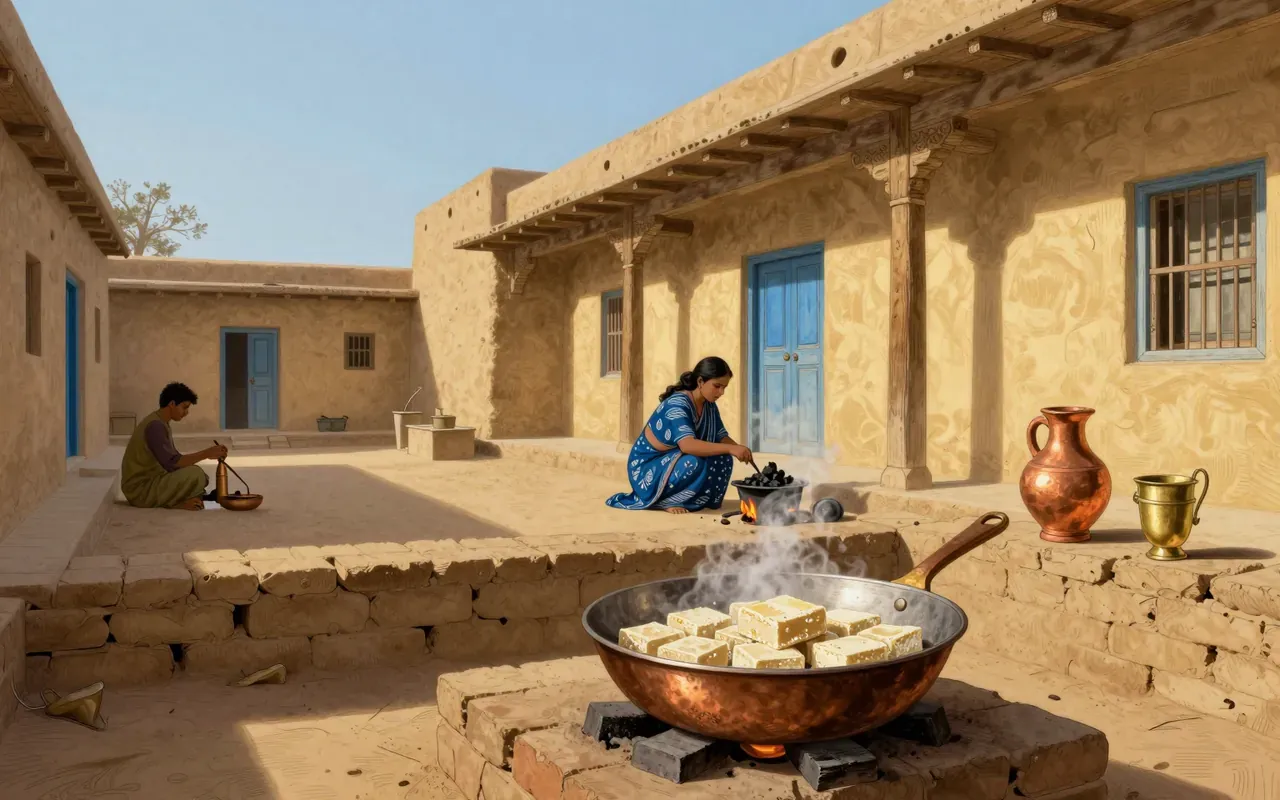
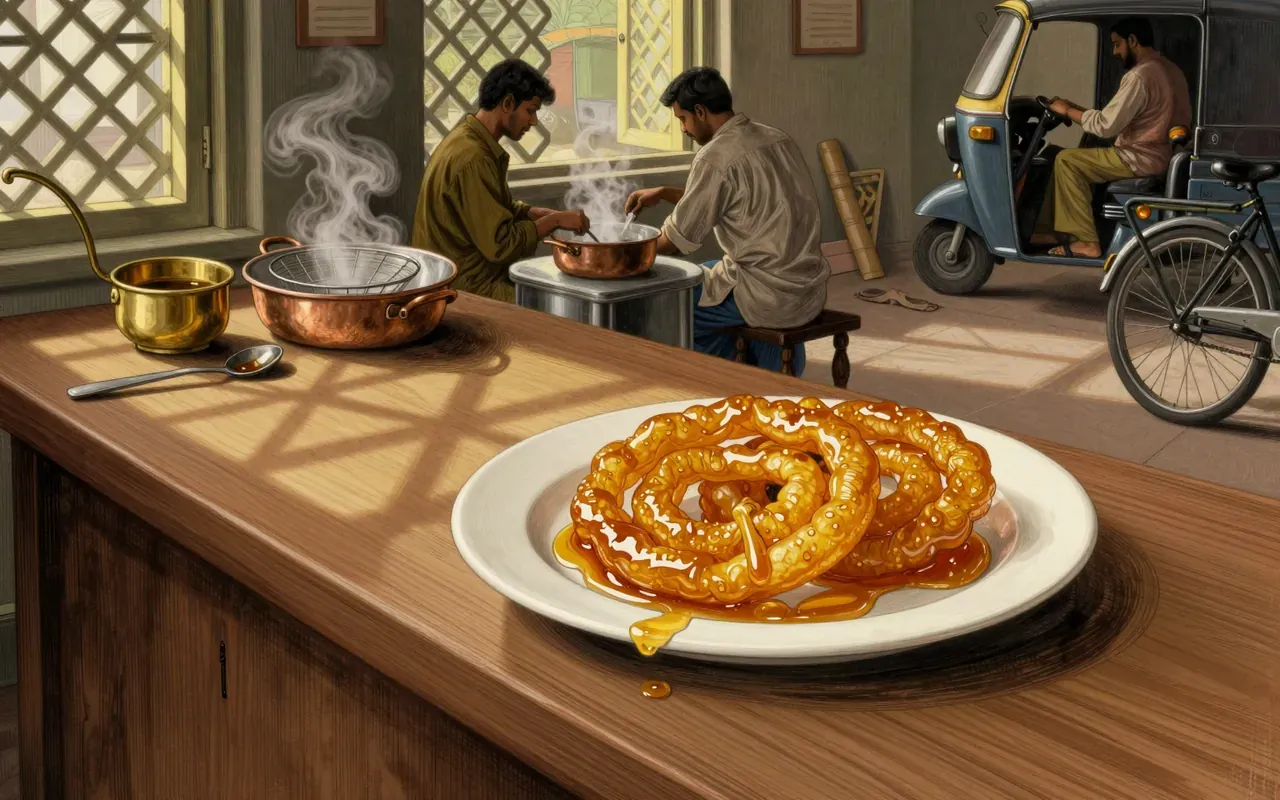
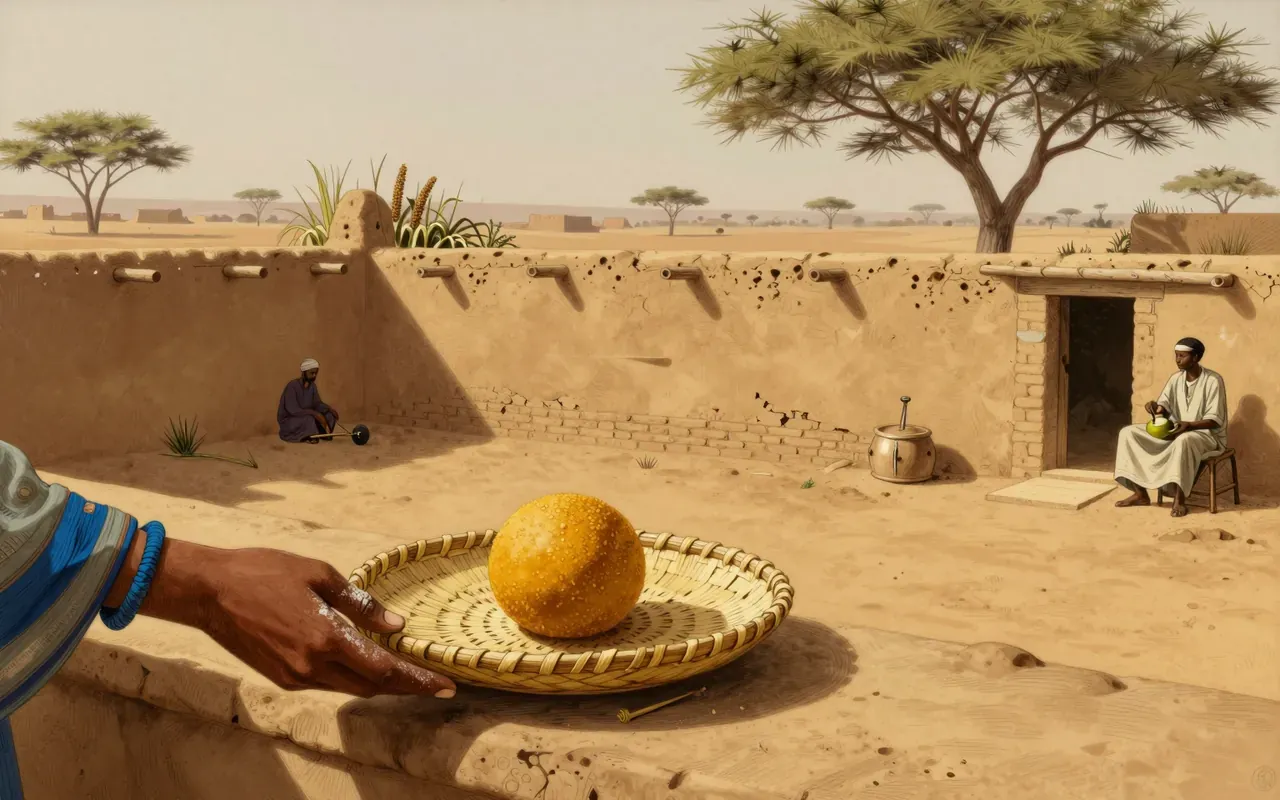
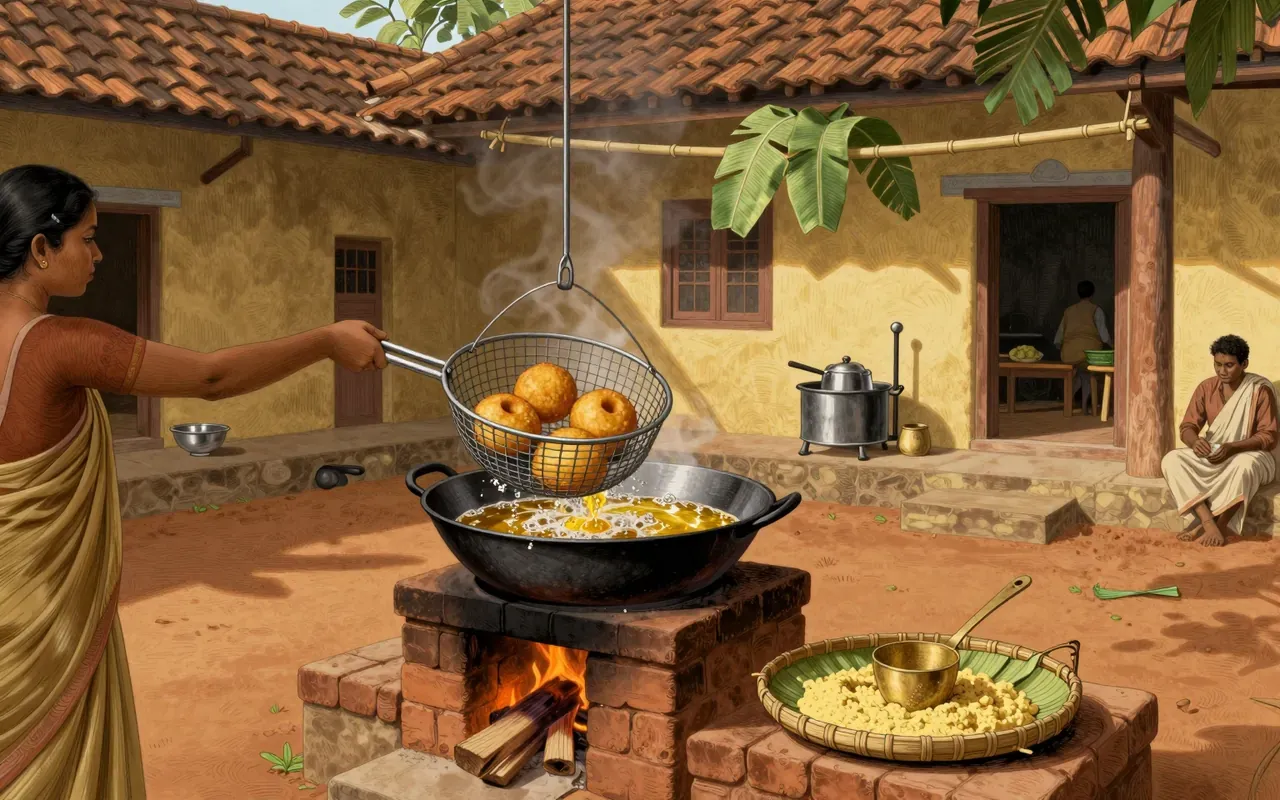
A spherical sweet from the Indian subcontinent, made with ingredients like chickpea flour, rice vermicelli, or coconut, bound by sugar syrup or jaggery.
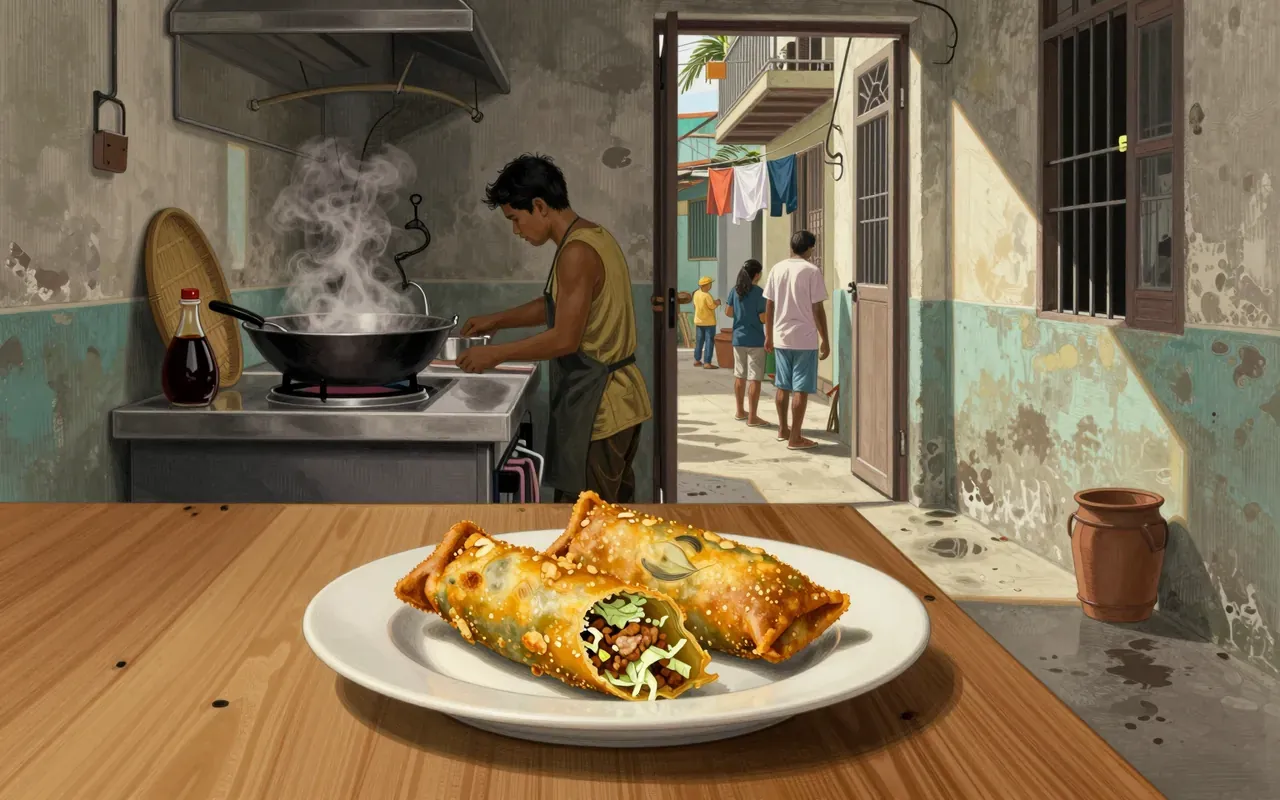
A thin-wrapped roll with savory or sweet fillings, served fried or fresh, rooted in Indonesian and Filipino adaptations of Fujianese and Teochew spring rolls.
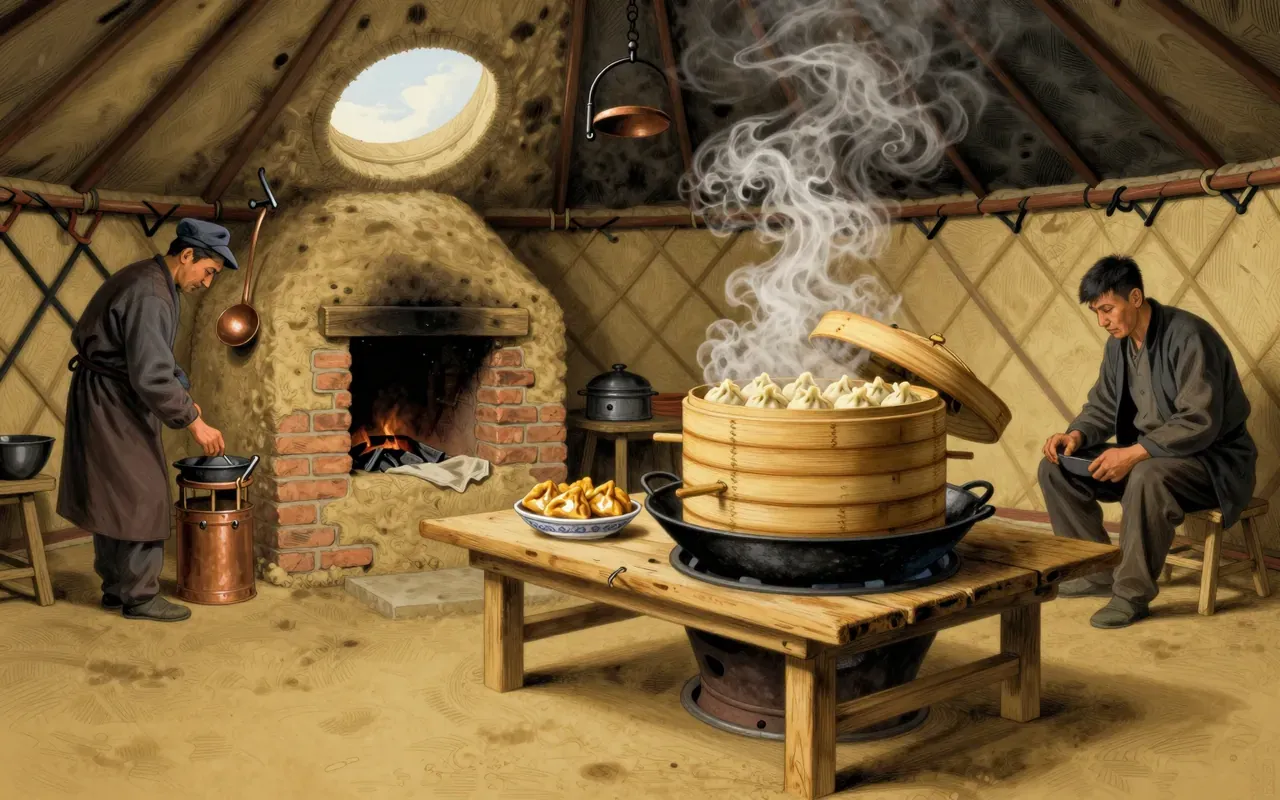
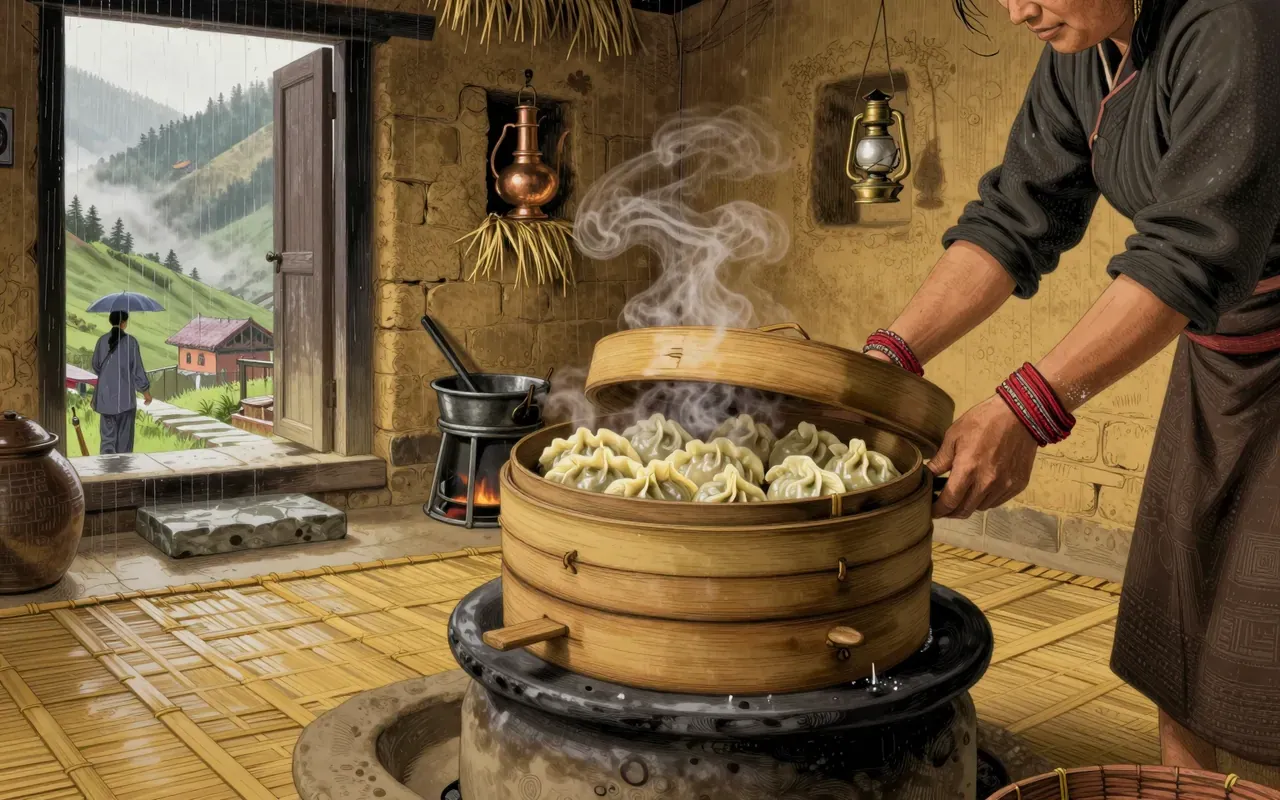
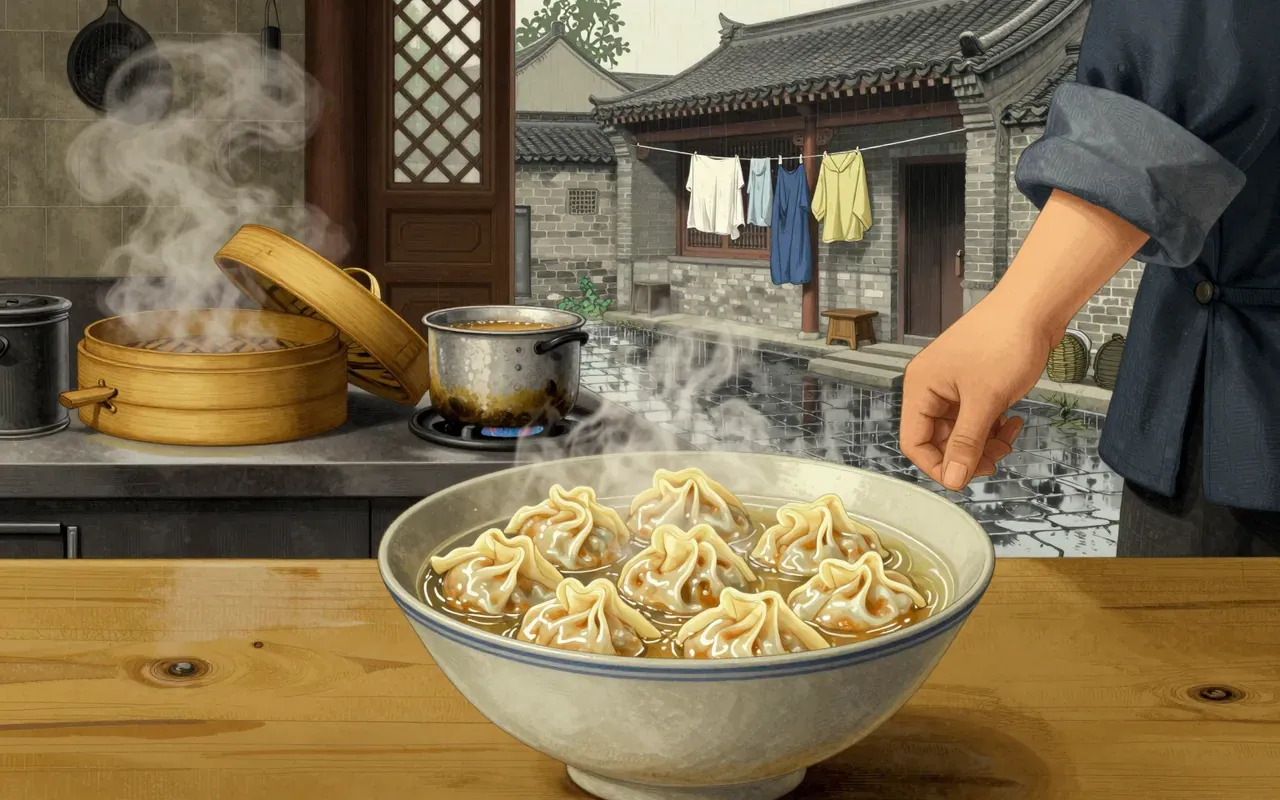
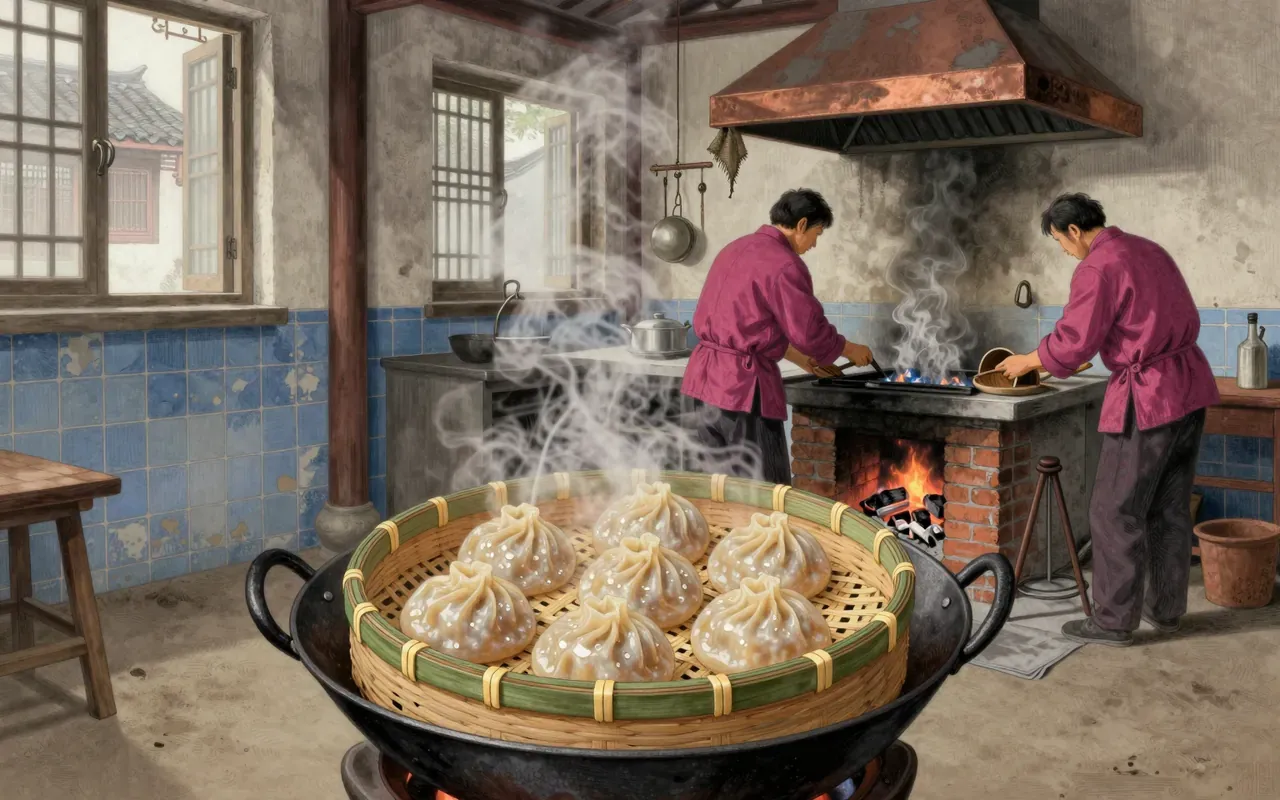
Manti are small dumplings with spiced meat filling, wrapped in thin dough and boiled or steamed, found across Central Asia, West Asia, the South Caucasus, and the Balkans.
Osechi is a traditional Japanese New Year meal served in stacked lacquered boxes, composed of symbolic dishes meant to convey wishes for health and prosperity.
A composed or tossed salad from Nice, traditionally built around tomatoes, anchovies or tuna, Niçoise olives, and hard-boiled eggs, dressed with olive oil or vinaigrette.
A creamy, oily paste made from toasted, ground sesame kernels, used across multiple regions as a condiment, bread accompaniment, or ingredient in dishes like hummus.