foodbriefs
9:26in productionCh. 1 · Monotypic and pulmonary/ 9:26 · ceiling 15 min
Culture · Dishes

Escargot de Quimper

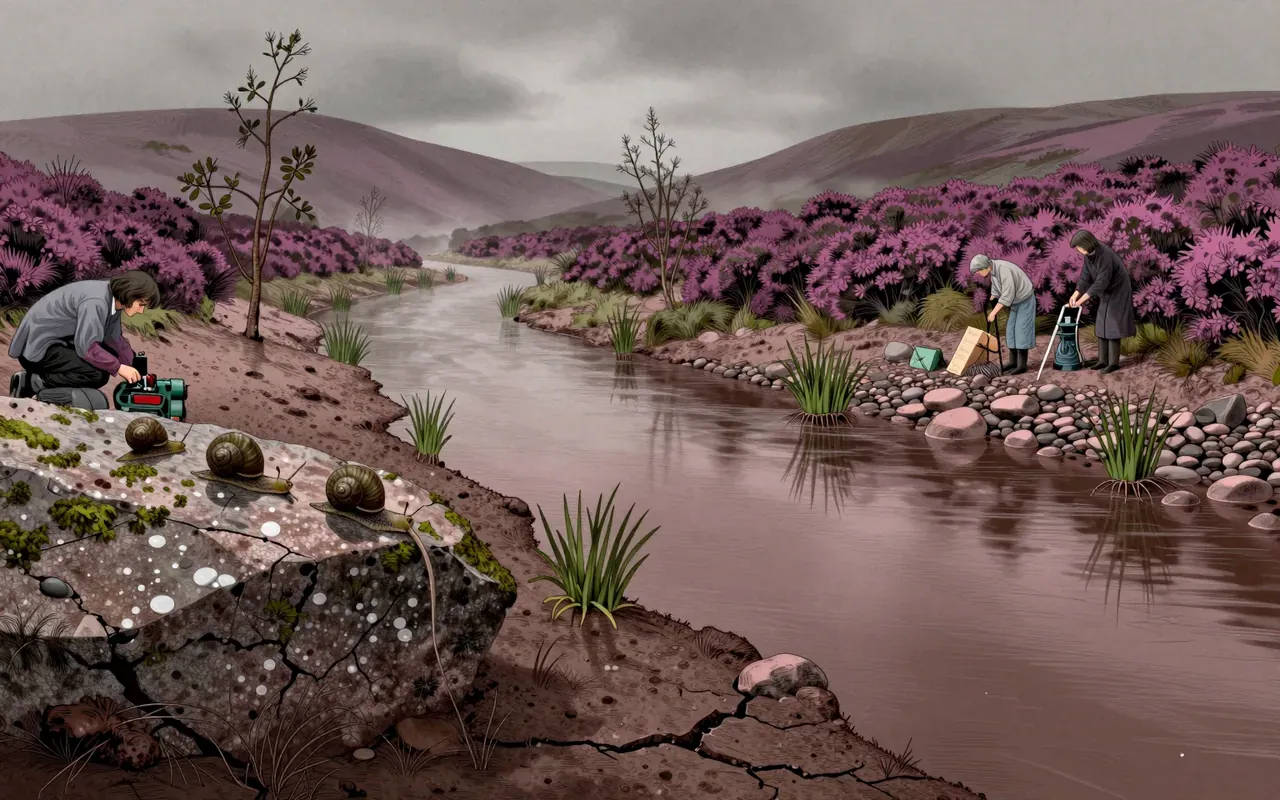
A snail named for a Breton town—not for taste, but for taxonomy.

A taxonomic entry, not a culinary one. Precise. Local. Unromantic.

Chapters & takeaways4
  1. 1:03
    Monotypic and pulmonary

    It is the only species in its genus—and it breathes air.

  2. 2:36
    Named for place, not plate

    Quimper is not a brand—it’s the type locality, recorded in 1821.

  3. 4:31
    Shell geometry, not symbolism

    Its shell is umbilicate, planorboid, and precisely sized: 20–30 mm wide, 10–12 mm tall.

  4. 5:51
    Feeds on fungi, not folklore

    It lives on mycelia from rotten oak stumps—not in garlic butter.

Worth your time?

Yes. Cook the whole thing.

4.5/ 5
What works
  • taxonomy
  • field biology
  • Habitats Directive compliance
What does not
  • culture/food
  • culture/arts
Cook it if
  • malacologists
  • conservationists
  • regional biologists
Skip it if
  • gourmands
  • culinary historians
  • general readers seeking narrative
The written brief1 min read

What the thing is

Escargot de Quimper is Elona quimperiana: a terrestrial pulmonate gastropod, sole species in the monotypic genus Elona, native to temperate humid deciduous forests in northwestern France and northwestern Spain.

Where it came from

It was first found at the margin of Briec-de-l’Odet near Quimper in Brittany by De Kermovan and Bonnemaison, and formally described as Helix quimperiana by Férussac in 1821.

What it gets right

It names and locates a real organism with taxonomic rigour. It records morphology, life cycle, habitat, and distribution without embellishment.

What it gets wrong

Nothing is claimed to be wrong in the source material. The document makes no value claims, so there is no misrepresentation to correct.

Why it matters now

It matters as a fixed point in European malacology—a species defined by place, anatomy, and ecology, not culinary use or cultural myth—and as a marker of biodiversity under the Habitats Directive.

Is it worth your time

Yes—if you care about precise biological description, regional endemism, or the quiet specificity of a snail named for a Breton town.
Same course · Culture4 of 158
Up next in Food

Fabada asturiana

· 1:02

A rich Asturian bean stew made with large white beans, pork shoulder, blood sausage, chorizo, bacon, olive oil, paprika, garlic, and salt.

1:02