7:26in productionCh. 1 · Not a guidebook. A sales manual./ 7:26 · ceiling 15 min
Culture · Restaurants
Michelin Guide
1900
The Michelin Guide began as a tyre sales manual — not a culinary authority.
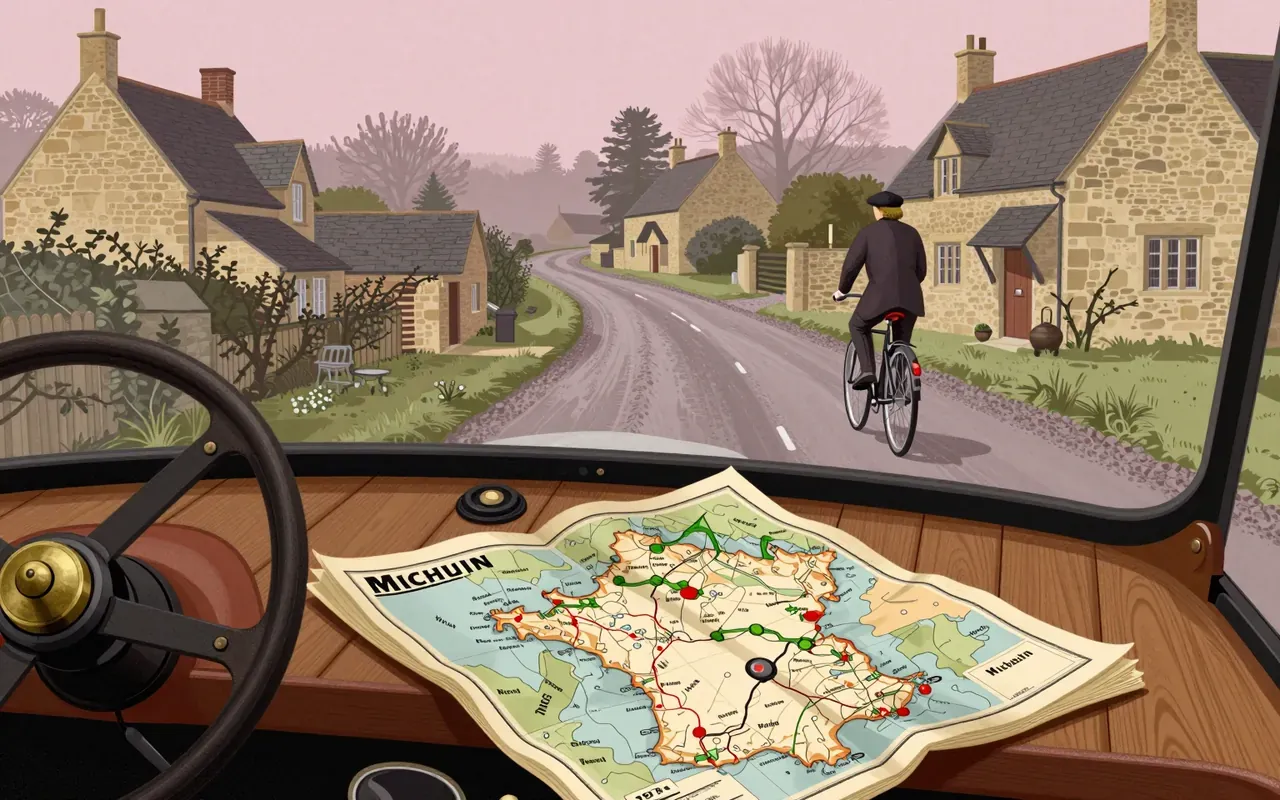
The Michelin Guide was not born from love of food. It was born from scarcity of cars — fewer than 3,000 in France in 1900 — and abundance of tyres to sell.
It was a tyre company’s sales tool — not a cultural institution.
2:15
Maps, mechanics, and petrol — not stars.
Its first edition solved real problems for early French drivers.
3:06
Demand was manufactured, not discovered.
More driving meant more tyre wear — and that was the point.
4:13
Gastronomy was an afterthought.
The restaurant focus came later — and only after the guide started charging.
Worth your time?
Yes. Cook the whole thing.
3.5/ 5
What works
as a case study in corporate infrastructuralism
as evidence of early 20th-century mobility planning
as a corrective to mythologised food authority
What does not
culture/arts
culture/literature
culture/movements-and-scenes
Cook it if
marketing historians
food-system researchers
transport historians
Skip it if
gourmets seeking dining advice
culinary biographers
restaurant critics
The written brief1 min read
What the thing is
A free 1900 French motorist guide published by Michelin. Not a restaurant guide. Not a luxury reference. A promotional utility.
Where it came from
France, 1900. Created by tyre manufacturers Édouard and André Michelin to stimulate car use — and thus tyre wear — amid fewer than 3,000 cars on French roads.
What it gets right
It identified a real gap: French motorists needed practical, road-ready information in 1900. Maps, repair instructions, and petrol station listings were useful and scarce.
What it gets wrong
It pretended neutrality while serving a sales agenda. The Guide was never a disinterested cultural project. It was a tyre marketing tool disguised as public service.
Why it matters now
It reveals how infrastructure for taste is built not by critics or chefs, but by corporations solving distribution problems — a pattern that still defines food media.
Is it worth your time
Yes — if you want to understand how commercial logic shaped modern food culture. No — if you expect it to be about gastronomy first.