Saved
Culture · Preserving & fermentation

Fermentation

Fermentation isn’t magic—it’s redox chemistry with a 13,000-year user manual.

Worth your time?4/5Yes.Cook the whole thing.What works, what does not, who it is for ↓
10:01in productionCh. 1 · What it actually is/ 10:01 · ceiling 15 min
6 chapters · 10:01Ceiling 15:00

The brief is written and checked. The video joins this page when it is cut.6 chapters · 1 min read · 10:01 planned

Read the brief

A precise, biochemically grounded definition of fermentation—correct on mechanism, scale, and antiquity—but compromised by overextending the term to animal metabolism without distinction.

Chapters & takeaways6
  1. 0:51
    What it actually is

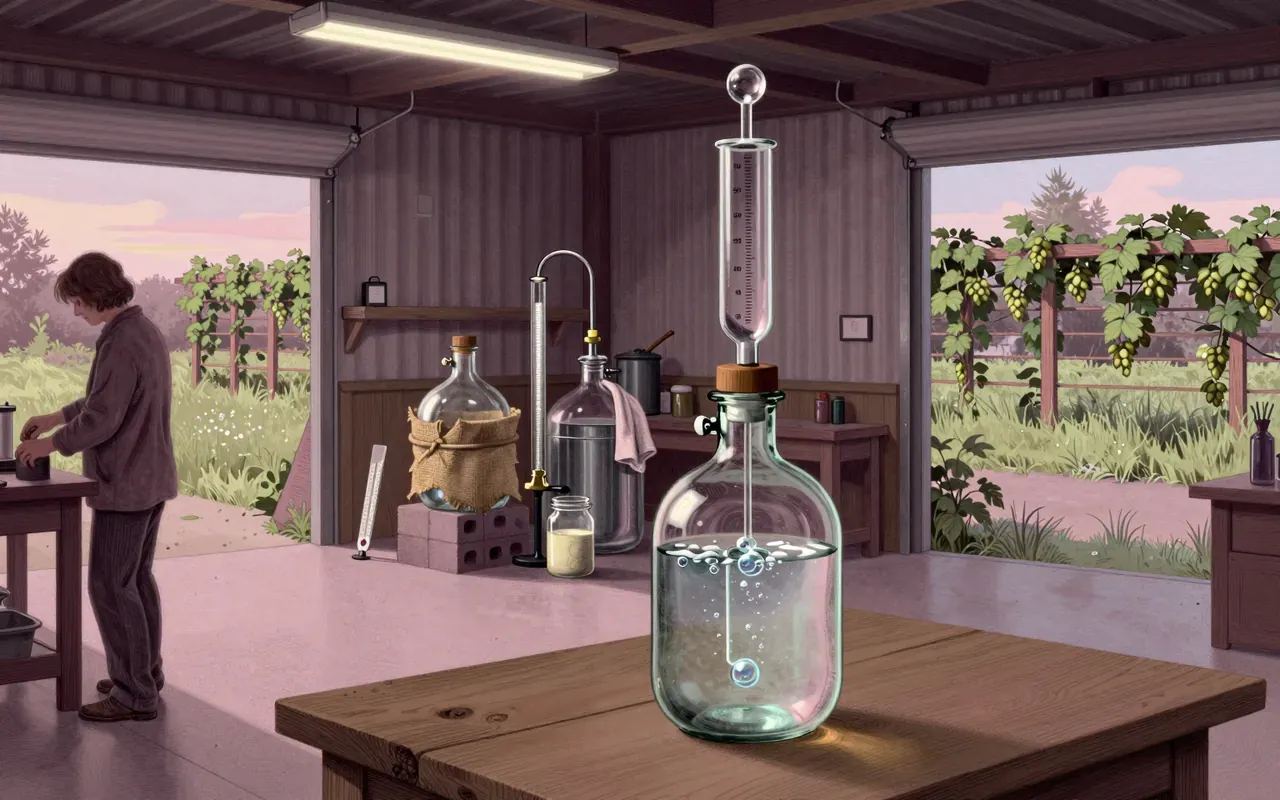
    Fermentation is catabolism where organic molecules are both electron donor and acceptor.

  2. 1:54
    How old it is

    Humans have used fermentation for food production and preservation for 13,000 years.

  3. 3:07
    How varied its outputs are

    Fermentation yields nearly 300 different combinations of organic end products.

  4. 4:13
    Where it happens biologically

    Fermentation occurs in both prokaryotes and eukaryotes.

  5. 5:28
    Where the definition breaks down

    In animals, fermentation is misapplied to describe anaerobic glycolysis under oxygen shortage.

  6. 7:04
    Why it extends beyond the lab

    Fermentation is important across several areas of human society.

3 more chaptersFewer chapters
Worth your time?

Yes. Cook the whole thing.

4/ 5
What works
  • culture/food
  • culture/ideas
  • culture/science
What does not
  • culture/art
  • culture/literature
  • culture/movements-and-scenes
  • culture/subcultures
Cook it if
  • biochemists
  • food scientists
  • historians of technology
Skip it if
  • home cooks seeking recipes
  • food writers chasing trends
  • cultural critics looking for symbolism
Who should cook it, and who should skipHide who it is for
The written brief1 min read

What the thing is

Fermentation is catabolism where organic compounds serve as both electron donor and acceptor. It is an anaerobic metabolic process that generates ATP and organic end products by harnessing redox potential.

Where it came from

It evolved as a primordial energy-harvesting strategy in prokaryotes and eukaryotes. Humans began applying it to food 13,000 years ago.

What it gets right

It defines fermentation precisely as an anaerobic catabolic process where organic compounds act as both electron donor and acceptor. It correctly identifies its occurrence across prokaryotes and eukaryotes, its 300 possible end-product combinations, and its 13,000-year human application in food production and preservation.

What it gets wrong

It conflates fermentation with anaerobic glycolysis in animals without distinguishing the biochemical distinction: animal lactate production is a terminal step of glycolysis under hypoxia, not microbial-style fermentation with diverse organic electron acceptors. The text mislabels this as ‘fermentation’ without qualification.

Why it matters now

Because industrial food systems rely on fermentation for preservation, flavour, and safety—but most consumers and even many chefs conflate it with spoilage, culturing, or generic ‘probiotic’ buzzwords. Precision matters for regulation, nutrition science, and craft.

Is it worth your time

Yes—if you care how food is made, preserved, or metabolised at a biochemical level. No—if you expect cultural commentary, culinary technique, or historical narrative.
Same course · Culture4 of 156
8:56
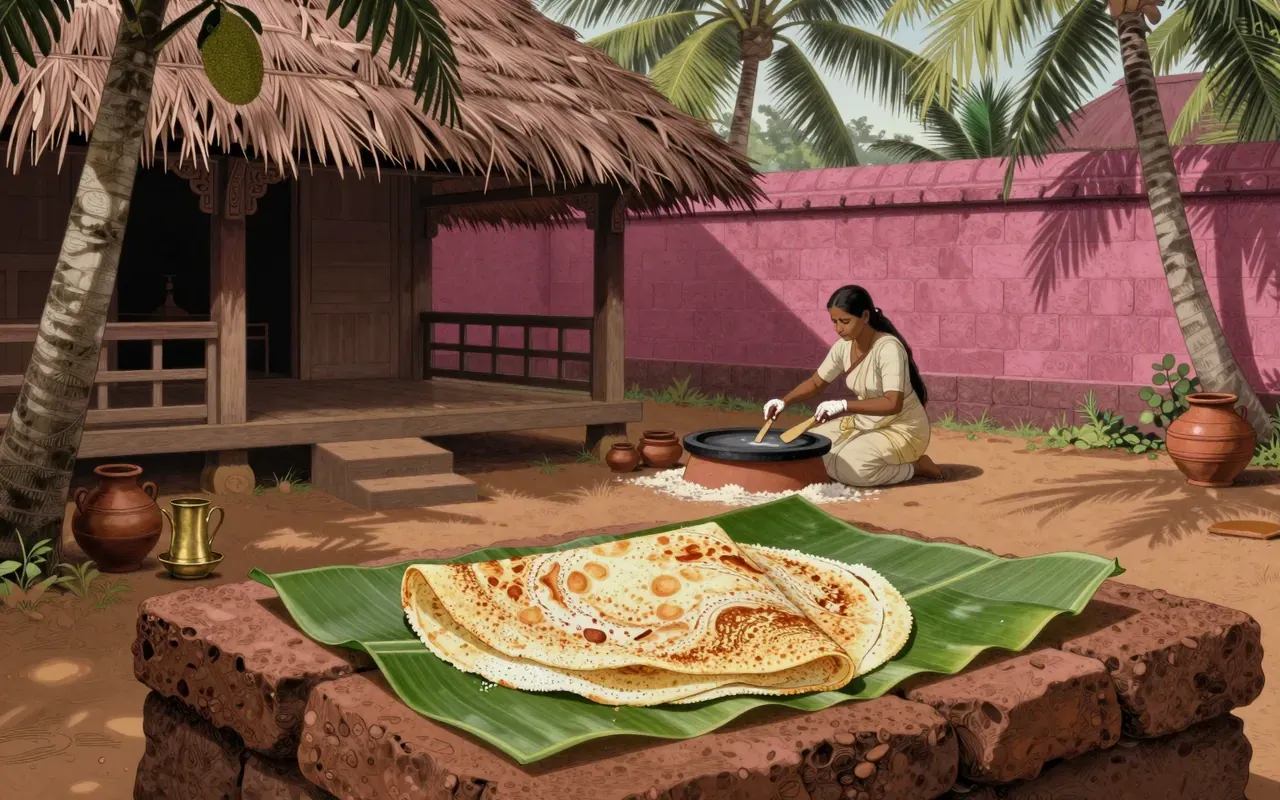
Dosa (food)Dosa is a fermented rice-and-black-gram crepe from South India. Evidence confirms its use in the ancient Tamil country by the first century CE and its earliest written mention in eighth-century Tamil Nadu literature. It arrived in Mumbai via Udupi restaurants in the 1930s and gained wider North Indian popularity after 1947. It is served hot with chutney and sambar, and appears in a 12th-century Sanskrit cookbook. Its durability as a portable, scalable, fermentable food explains its endurance—and its dominance over less-documented contemporaries.
9:55
MeadMead is fermentation’s first known form—not because it was ‘discovered’ in one place, but because honey + water + time works everywhere. Its longevity proves nothing about taste or status, but everything about human ingenuity with available sugars. It predates beer and wine archaeologically. It survives not through continuity, but through repeated reinvention—metheglin, melomel, hydromel—each name a functional adaptation, not a tradition.
8:13
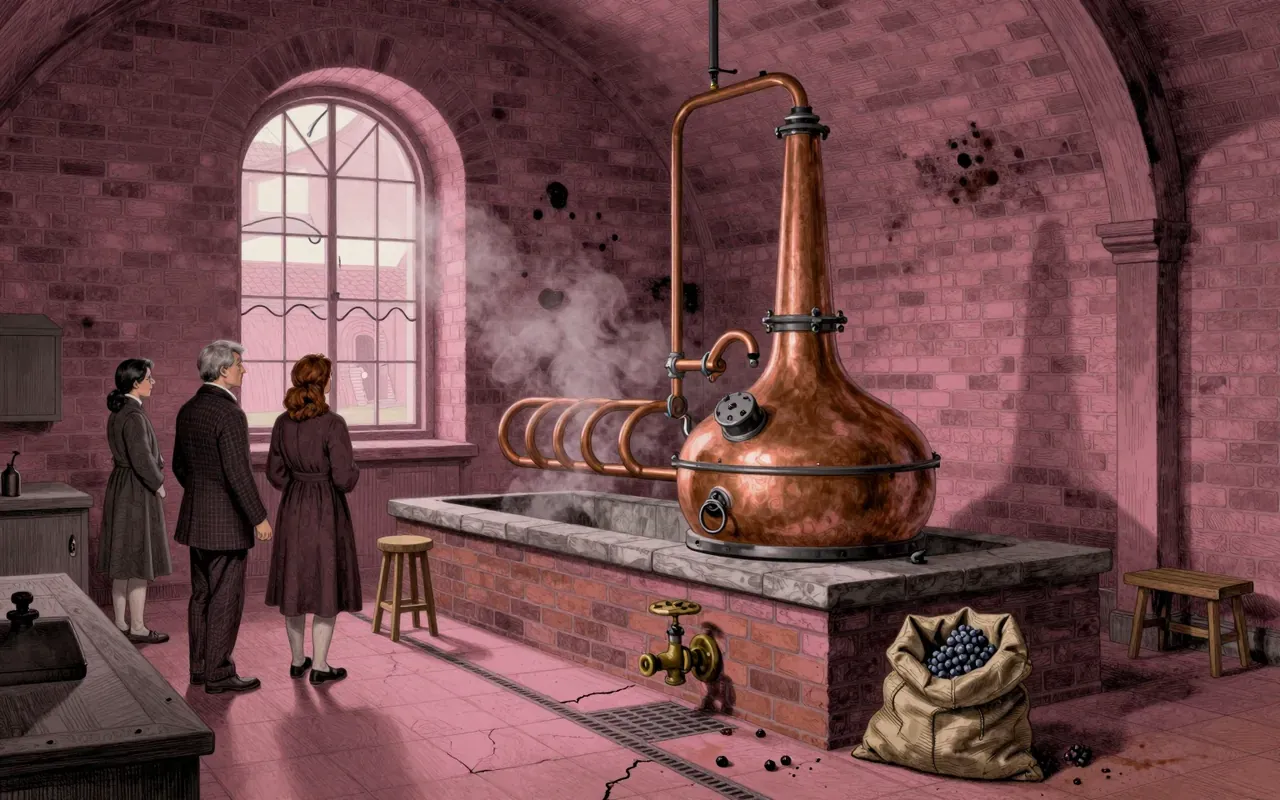
GrappaGrappa is a legally protected Italian pomace brandy, made since pre-1300s to prevent waste. Its production evolved via water-cooled distillation (1300–1400), Jesuit codification (c.1600), and modern refinements beginning in 1979. It is consumed as a digestif, especially in northern Italy and among the Italian diaspora in Argentina and Uruguay.
9:34
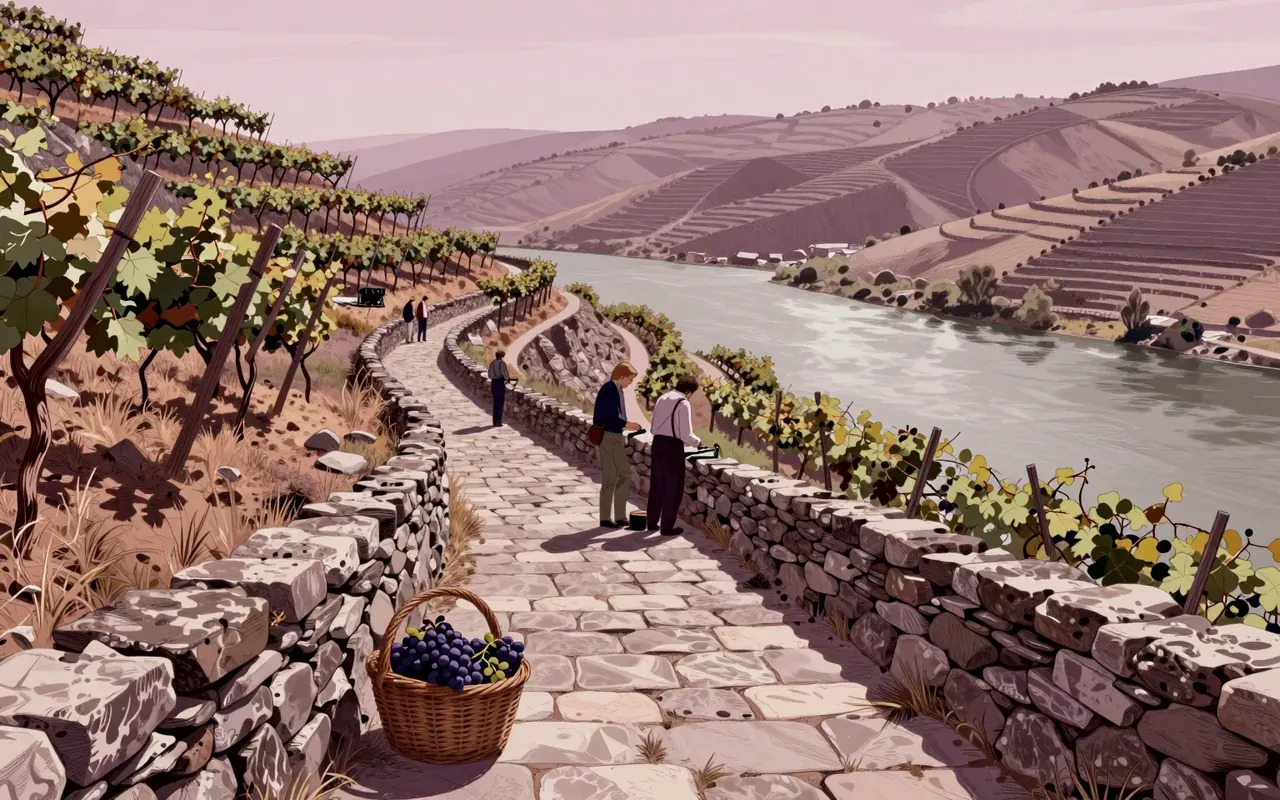
Port winePort is a legally defined, fortified wine from the Douro Valley. Its name misattributes origin to Porto. Its method fixes sweetness and strength. Its success followed a treaty, not taste. Its regulation in 1756 set a precedent for protected food designations worldwide.
Up next in Food

Fine dining

18 · 8:02

Fine dining isn’t about taste—it’s about who gets to sit at the table, and who polishes the silver.

8:02