8:13in productionCh. 1 · Leftovers/ 8:13 · ceiling 15 min
Culture · Drinks
Grappa
Grappa is not heritage—it’s salvage, systematised, then certified.
Grappa is a legally protected Italian pomace brandy, made since pre-1300s to prevent waste. Its production evolved via water-cooled distillation (1300–1400), Jesuit codification (c.1600), and modern refinements beginning in 1979. It is consumed as a digestif, especially in northern Italy and among the Italian diaspora in Argentina and Uruguay.
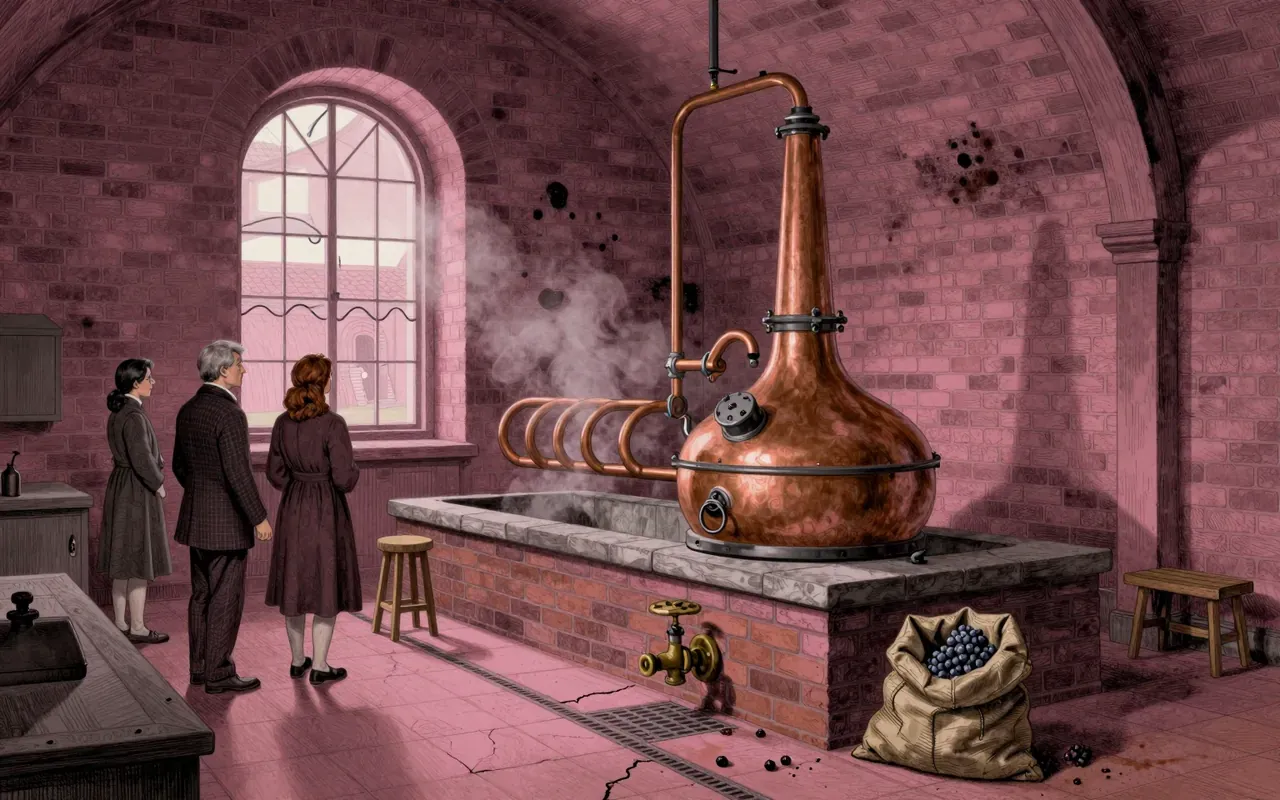
Grappa begins with waste—not grapes, but what’s left behind.
2:03
Pre-1300s, Not 1492
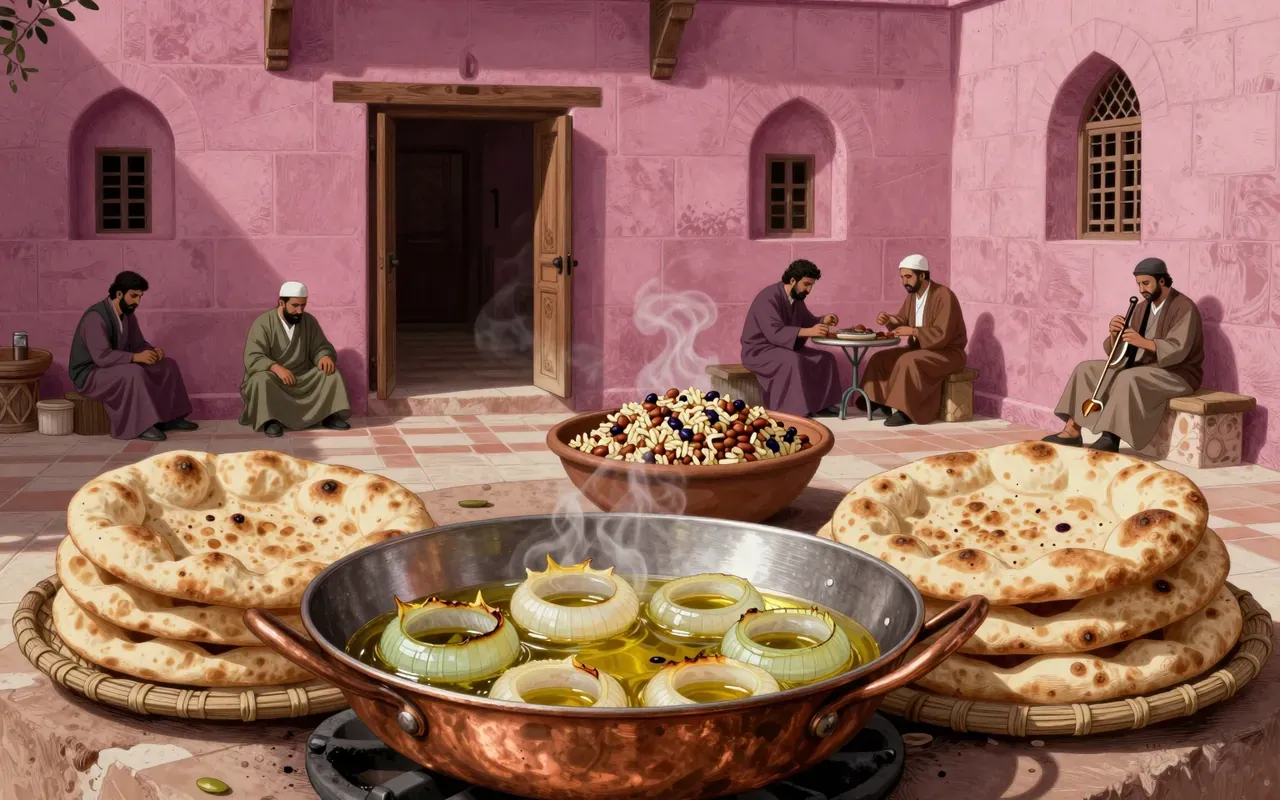
Its origins are medieval, not Renaissance—and its scale depended on cooling tech, not genius.
3:41
Codified, Not Created
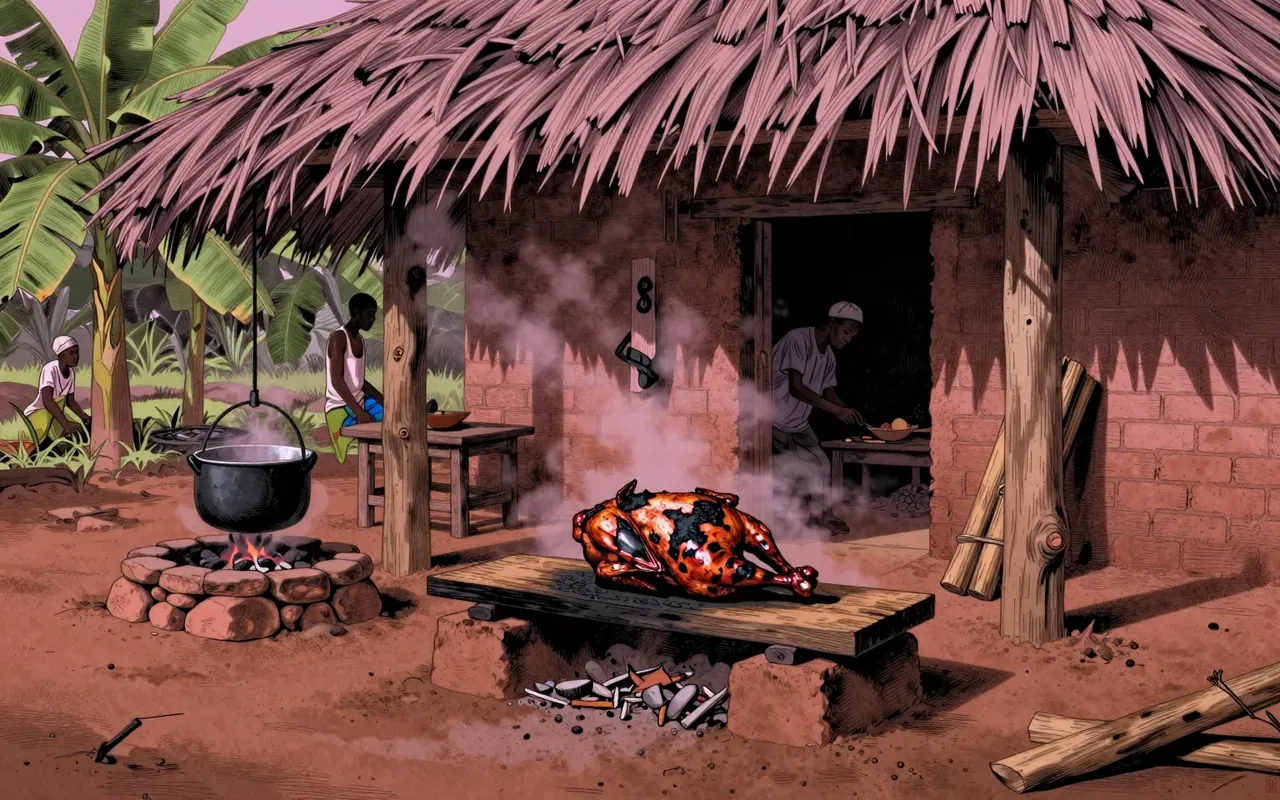
Jesuits didn’t invent grappa—they standardised it across borders using safer heat methods.
5:06
1979 Was the Real Start
Modern grappa isn’t traditional—it’s a 1979 upgrade: vacuum, varietals, wood.
Worth your time?
Yes. Cook the whole thing.
3.5/ 5
What works
as a case study in PGI law
as evidence of technical continuity across centuries
as a counter-narrative to artisanal mythmaking
What does not
culture/arts
culture/literature
culture/movements-and-scenes
Cook it if
winemakers
EU policy readers
diaspora food historians
Skip it if
casual cocktail drinkers
spirit collectors seeking rarity
general food trend followers
The written brief1 min read
What the thing is
Grappa is a grape pomace brandy. It is not wine. It is not eau-de-vie. It is distilled from skins, pulp, seeds, and stems left after pressing grapes.
Where it came from
It likely began pre-1300s in Italy, as distillation arrived in the Middle Ages. Water-cooled equipment enabled large-scale pomace distillation by 1300–1400 AD. Jesuits codified techniques around 1600 AD. Modern refinements—including vacuum distillation, varietal grapes, and wood cask ageing—began in northern Italy in 1979.
What it gets right
It turns winemaking waste into a legal, protected category of spirit. It enforces strict method: pomace only, no added water, steam or bain-marie distillation to remove methanol. It anchors identity in northern Italy and the Italian diaspora.
What it gets wrong
It pretends purity of origin while relying on medieval tech transfers, Jesuit codification across borders, and post-1979 modernisation—none of which are native or continuous.
Why it matters now
It shows how EU PGI law can protect a process—not just a place—and how diaspora carries functional tradition (digestif use in Argentina and Uruguay) without requiring cultural replication.
Is it worth your time
Yes—if you care about how waste becomes ritual, or how regional craft resists standardisation without romanticising poverty.