9:51in productionCh. 1 · Made From Any Agave/ 9:51 · ceiling 15 min
Culture · Drinks
Mezcal
Mezcal isn’t ancient—it’s colonial fusion, forged by Filipino stills and Mexican agave.
Mezcal is a distilled agave spirit whose origin lies not in pre-Hispanic antiquity but in colonial-era technological transfer—specifically, Filipino distillation methods arriving via the Manila-Acapulco galleon trade (1565–1815). Its first documented production occurred in southern Jalisco; its first colonial record dates to 1619. It correctly centres agave as endemic to the Americas and acknowledges the hybrid nature of its making. It wrongly implies continuity with purely indigenous practice—distillation was introduced, not inherited. Today, it matters as a case study in how global trade remade local taste—and how origin stories flatten complexity. Worth your time if you reject mythmaking in favour of material history.
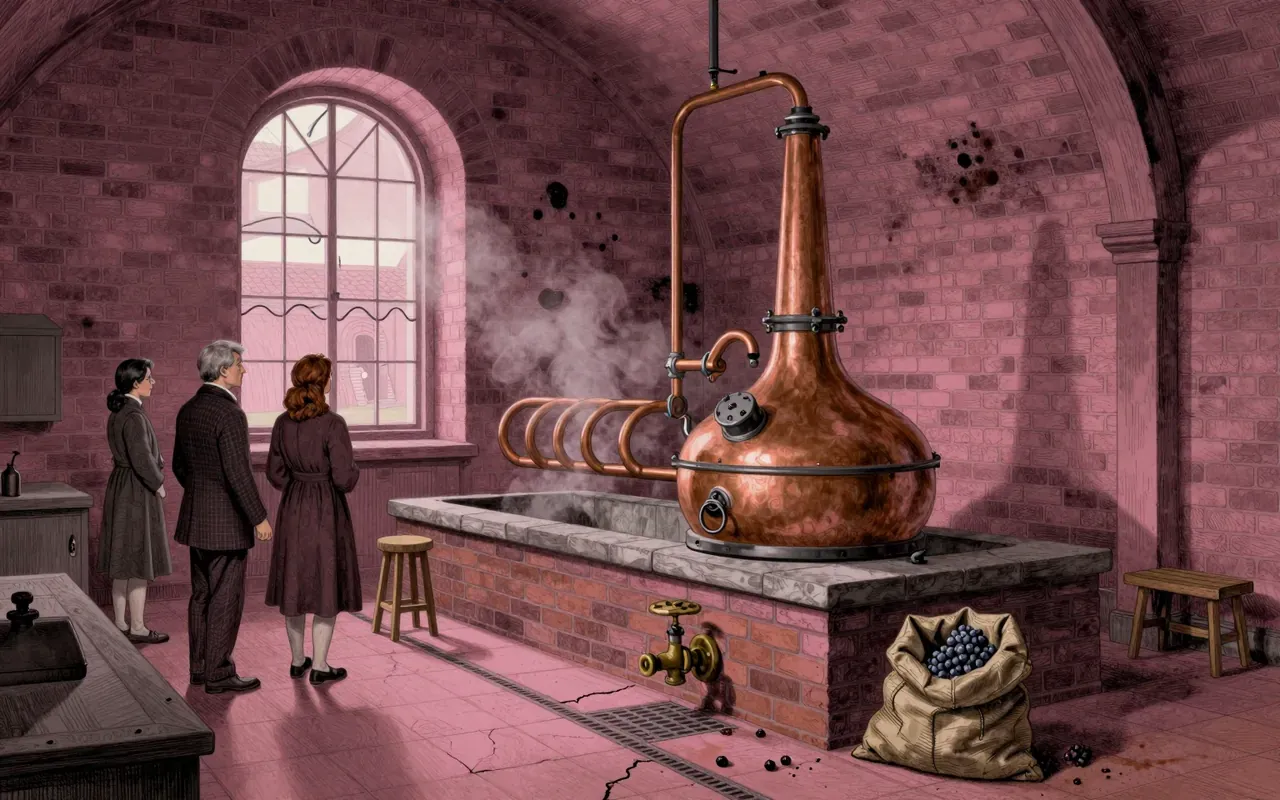
It required two worlds: Indigenous fermentation + Filipino distillation.
3:32
First Record: 1619, Southern Jalisco
Its first paper trail is from southern Jalisco in 1619.
5:50
Proof Is in the Place Names
Ethnohistoric and toponymic evidence confirms the Filipino link.
Worth your time?
Yes. Cook the whole thing.
4.5/ 5
What works
as a corrective to romanticised origin narratives
What does not
influence
define
start
displace
Cook it if
readers who track how technologies move across borders
Skip it if
those seeking tasting notes or cocktail recipes
The written brief1 min read
What the thing is
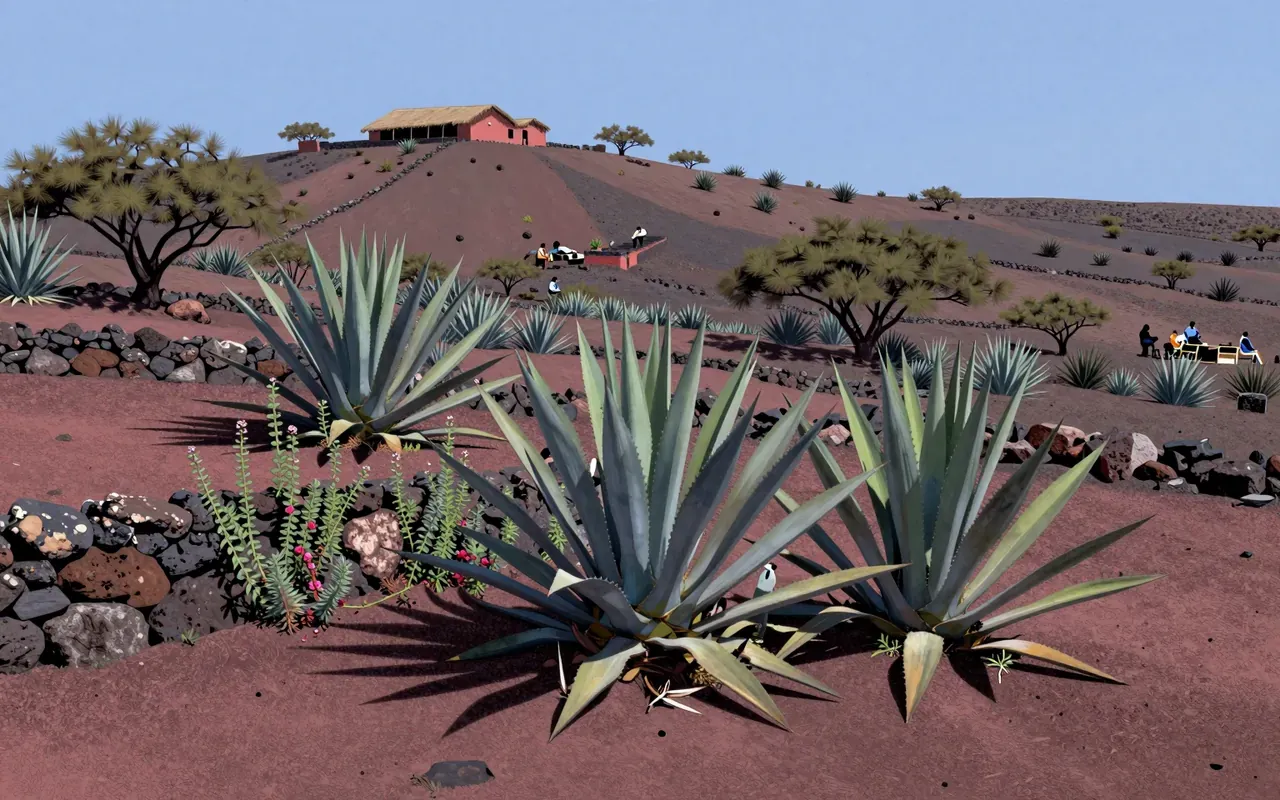
Mezcal is a distilled alcoholic beverage made from any type of agave.
Where it came from
It emerged in colonial-era Mexico from the fusion of pre-Columbian agave fermentation and Filipino distillation techniques brought via the Manila-Acapulco galleon trade (1565–1815). The first documented production was in southern Jalisco. The first colonial record is from 1619.
What it gets right
It honours agave’s deep American roots. It acknowledges distillation as an imported technology—not indigenous invention. It names the Manila-Acapulco galleon trade (1565–1815) as the vector.
What it gets wrong
It conflates ‘mezcal’ as a category with ‘tequila’ as a sub-type. The sources say mezcal is made from any agave—but do not mention tequila at all. Any implication that tequila is the original or dominant form is unsupported.
Why it matters now
It exposes how ‘traditional’ spirits are often hybrid products—neither purely indigenous nor purely European—and challenges origin myths built around nationalism or terroir alone.
Is it worth your time
Yes—if you care about how colonial trade routes reshaped taste, and want to understand a spirit defined by its material constraints, not marketing myths.