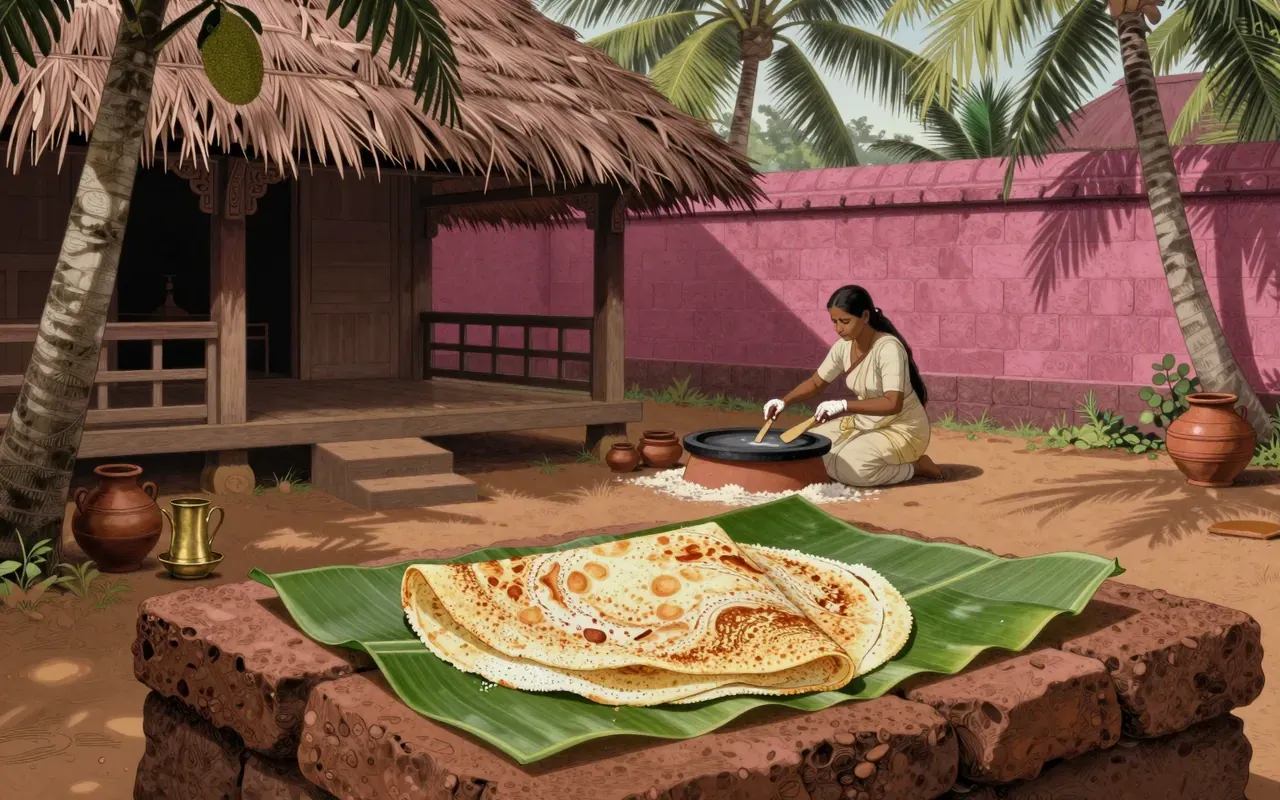
What the thing is
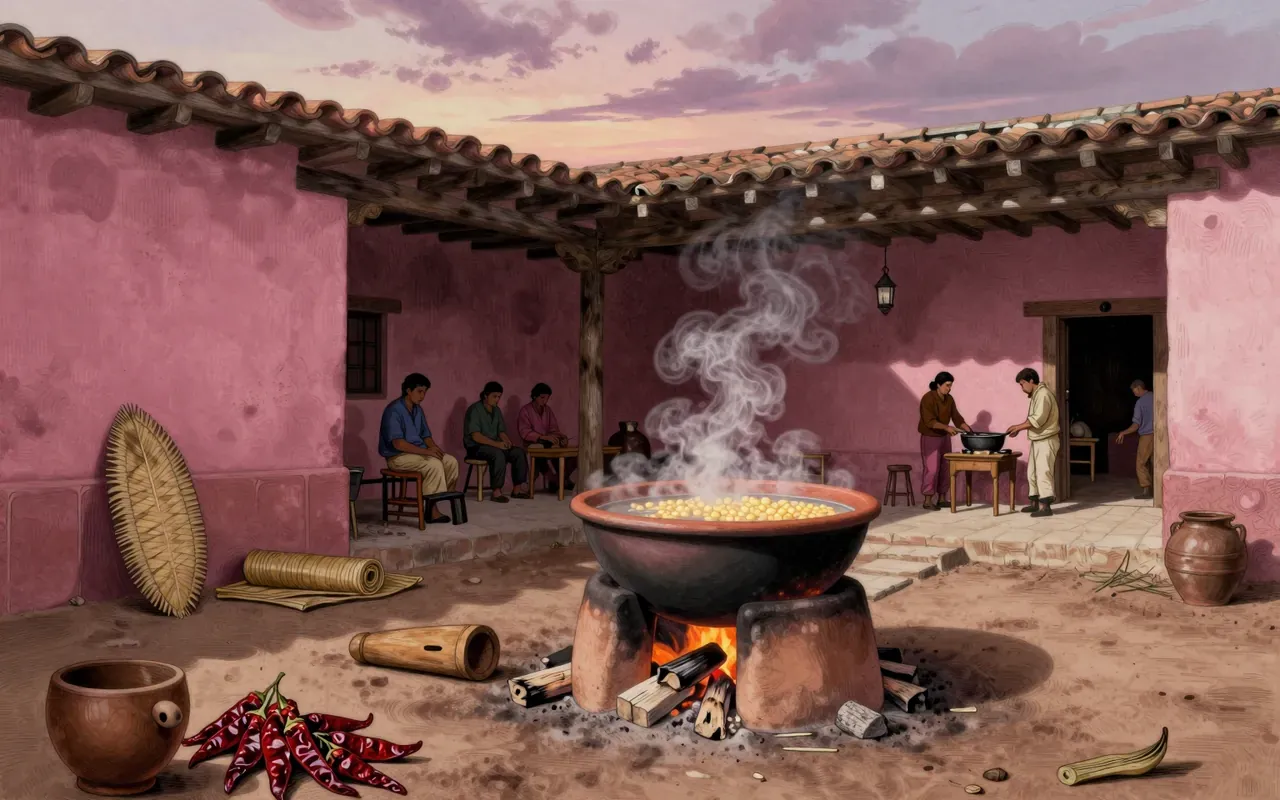
A thin, savoury crepe made from fermented black gram and rice batter.
Where it came from
South India. Textual evidence places it in the ancient Tamil country by the first century CE. The earliest written mention is in eighth-century Tamil Nadu literature.
What it gets right
It delivers reliable nutrition through fermentation. It adapts to local grains and fuel sources. It travels without losing structural integrity.
What it gets wrong
It displaces older, unrecorded grain preparations from the Tamil country by becoming the default ‘ancient’ South Indian food in popular accounts.
Why it matters now
It is a living archive of South Indian culinary continuity—and of how migration, restaurant economies, and post-1947 national integration reshaped what ‘Indian food’ means across the subcontinent.
Is it worth your time
Yes—if you care about how a food’s longevity reveals regional power, migration patterns, and the quiet standardisation of South Indian identity.