1:23in productionCh. 1 · What the dish is and where it came from/ 1:23 · ceiling 15 min
Dishes
Gyūdon
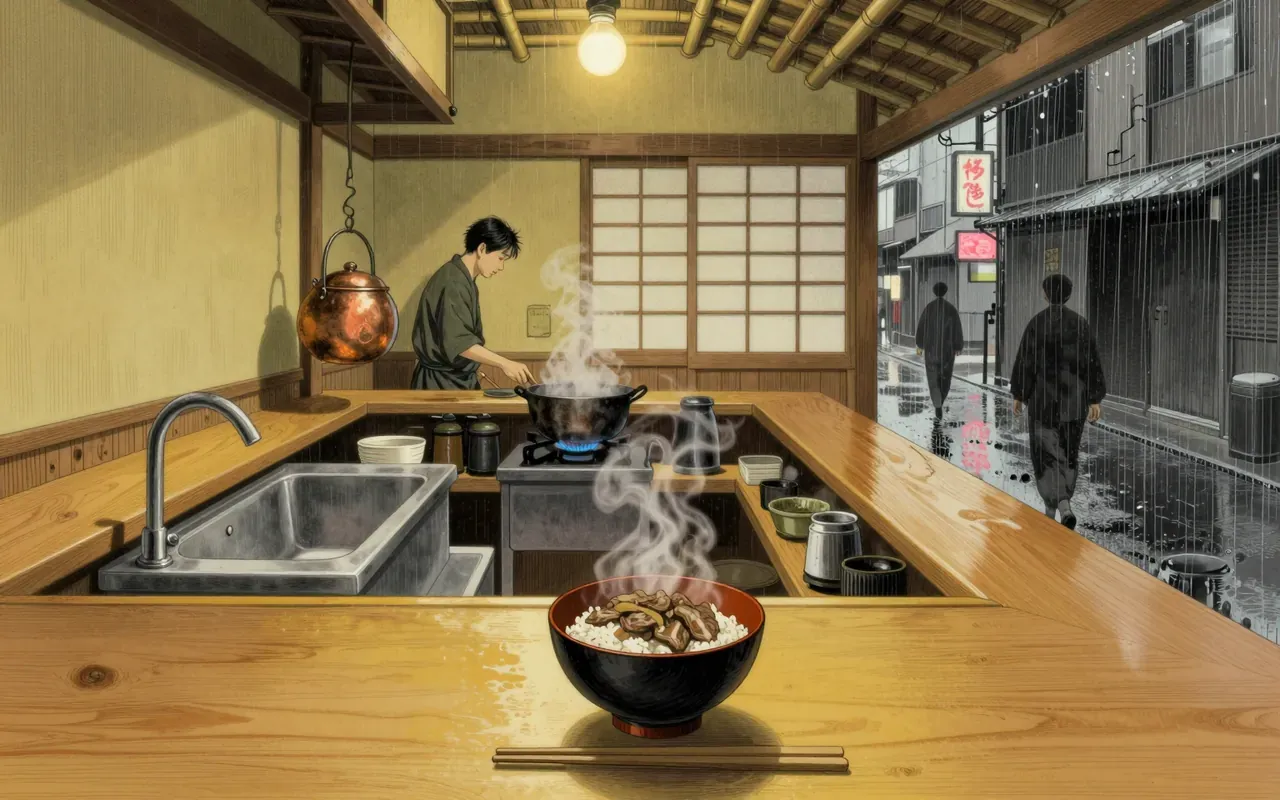
A Japanese rice bowl topped with beef and onion simmered in a mildly sweet sauce of dashi, soy sauce, and mirin.
Gyūdon is a Japanese dish of rice topped with beef and onion simmered in a mildly sweet sauce made from dashi, soy sauce, and mirin. It is also called gyūmeshi. It evolved from gyūnabe, a beef hot pot from the Kantō region.
Gyūdon is a Japanese dish of rice topped with beef and onion simmered in a mildly sweet sauce made from dashi, soy sauce, and mirin.
0:17
How it works, in terms someone would actually use
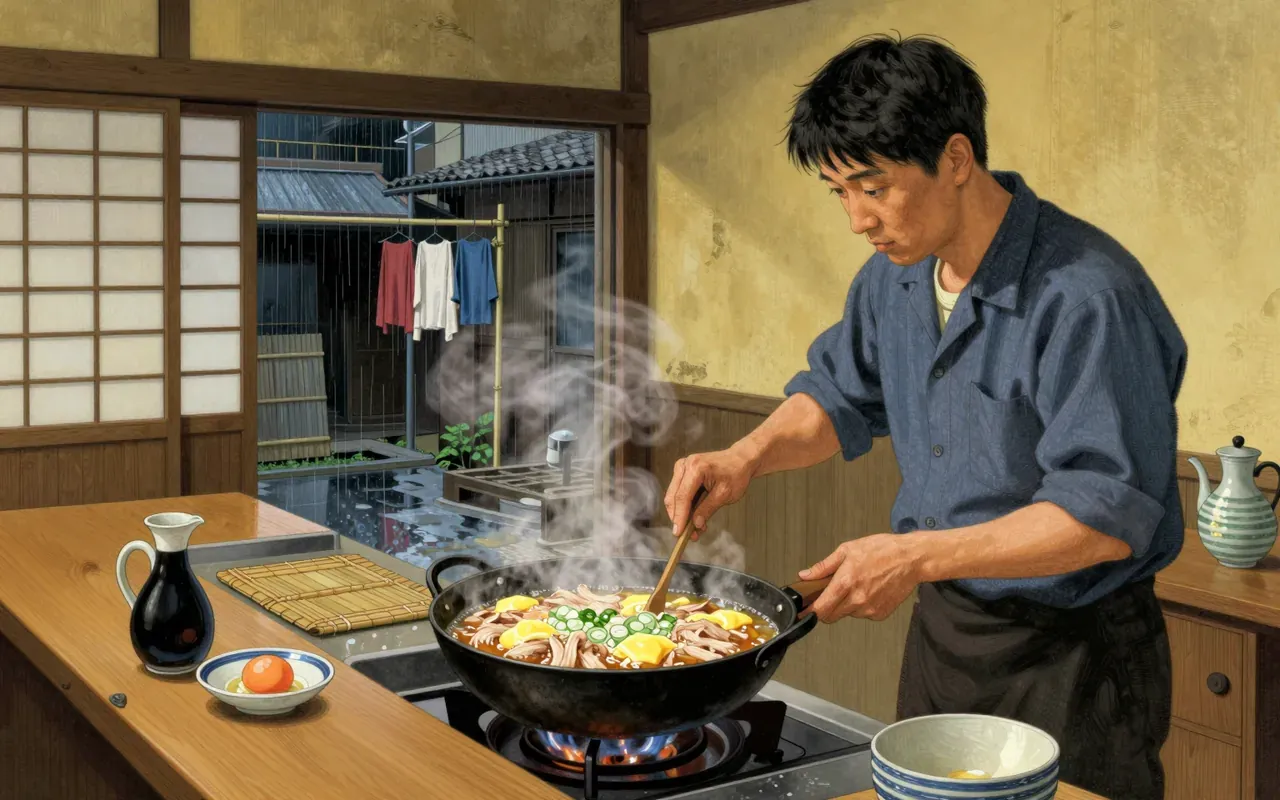
It works by serving cooked rice topped with beef and onion that have been simmered together in a sauce of dashi, soy sauce, and mirin.
0:27
What it gets right
It gets right a simple, balanced combination: tender beef, soft onion, savory-sweet sauce, and plain rice.
0:39
What it does not
It does not include shirataki or tofu in most major food chains today, though some establishments still offer those additions.
0:47
What it changed
It changed from earlier forms into its present format by the 1890s: rice topped with thin-sliced beef and onions.
0:55
Who it is for, and who it is not
It is for people seeking a straightforward beef-and-rice meal.
1:08
Is it worth your time
It is worth your time if you want a rice bowl centered on beef and onion in a mild, savory-sweet sauce.
Worth your time?
Selectively. Start with the brief, then cook the parts we point at.
What works
It gets right a simple, balanced combination: tender beef, soft onion, savory-sweet sauce, and plain rice. The sauce’s flavor base—dashi, soy sauce, and mirin—is clearly defined and consistent across descriptions.
What does not
It does not include shirataki or tofu in most major food chains today, though some establishments still offer those additions.
Cook it if
Skip it if
The written brief1 min read
What the dish is and where it came from
Gyūdon is a Japanese dish of rice topped with beef and onion simmered in a mildly sweet sauce made from dashi, soy sauce, and mirin. It is also called gyūmeshi. It evolved from gyūnabe, a beef hot pot from the Kantō region.
How it works, in terms someone would actually use
It works by serving cooked rice topped with beef and onion that have been simmered together in a sauce of dashi, soy sauce, and mirin.
What it gets right
It gets right a simple, balanced combination: tender beef, soft onion, savory-sweet sauce, and plain rice. The sauce’s flavor base—dashi, soy sauce, and mirin—is clearly defined and consistent across descriptions.
What it does not
It does not include shirataki or tofu in most major food chains today, though some establishments still offer those additions.
What it changed
It changed from earlier forms into its present format by the 1890s: rice topped with thin-sliced beef and onions.
Who it is for, and who it is not
It is for people seeking a straightforward beef-and-rice meal. It is not yet documented as available outside Tokyo before the 1890s, so it was not for Kyoto or Osaka diners at that time.
Is it worth your time
It is worth your time if you want a rice bowl centered on beef and onion in a mild, savory-sweet sauce. It is less relevant if you prefer dishes without beef or without rice as the base.