1:11in productionCh. 1 · What the dish is and where it came from/ 1:11 · ceiling 15 min
Dishes · Technique
Idli
A soft, steamed cake made from fermented rice and black lentil batter, native to South India and Sri Lanka.
Idli is a steamed rice-and-lentil cake originating in South India and Sri Lanka. The earliest reference is to 'iddalige' in a 920 CE Kannada text, made only from black gram. Later texts from 1025 CE and 1130 CE describe similar preparations, but the modern version—with rice, long fermentation, and steaming for fluffiness—appears in Indian sources only after 1250 CE.
Idli is a steamed rice-and-lentil cake originating in South India and Sri Lanka.
0:24
How it works, in terms someone would actually use
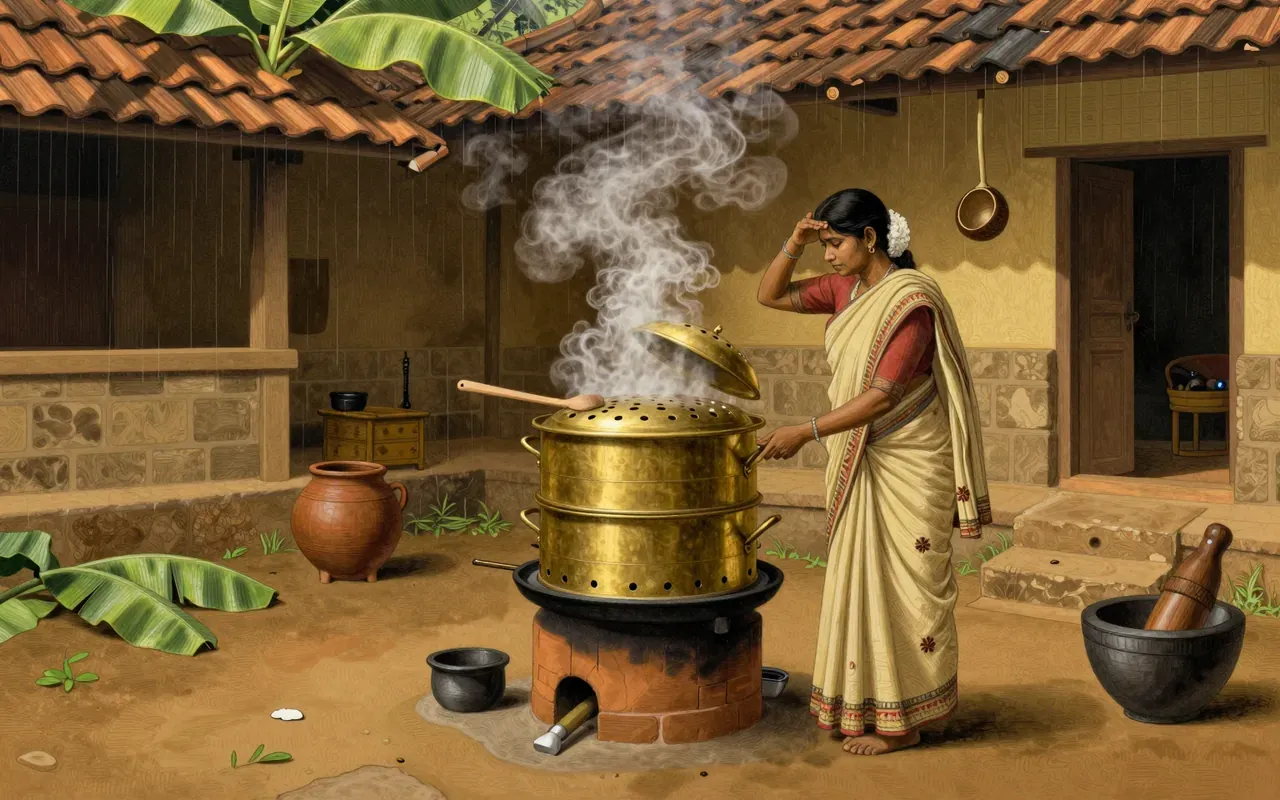
It is made by steaming a batter of fermented hulled black lentils and rice.
0:34
What it gets right
Fermentation breaks down starches for easier digestion.
0:42
What it does not
Its soft, steamed form may be less appealing if you are looking for a crisp or flaky breakfast bread.
0:50
What it changed
The modern idli recipe, distinct from earlier black-gram-only versions, appears in Indian texts only after 1250 CE.
0:57
Who it is for, and who it is not
It suits someone interested in the rice-and-lentil breakfast traditions of South India and Sri Lanka.
1:03
Is it worth your time
It is worth your time if you seek a soft, fermented, plant-based breakfast cake made from rice and black lentils.
Worth your time?
Selectively. Start with the brief, then cook the parts we point at.
What works
Fermentation breaks down starches for easier digestion. The combination of leavening and acidity contributes to its light, tangy character.
What does not
Its soft, steamed form may be less appealing if you are looking for a crisp or flaky breakfast bread.
Cook it if
Skip it if
The written brief1 min read
What the dish is and where it came from
Idli is a steamed rice-and-lentil cake originating in South India and Sri Lanka. The earliest reference is to ‘iddalige’ in a 920 CE Kannada text, made only from black gram. Later texts from 1025 CE and 1130 CE describe similar preparations, but the modern version—with rice, long fermentation, and steaming for fluffiness—appears in Indian sources only after 1250 CE.
How it works, in terms someone would actually use
It is made by steaming a batter of fermented hulled black lentils and rice. Fermentation produces carbon dioxide and acidity, which leaven and acidify the batter.
What it gets right
Fermentation breaks down starches for easier digestion. The combination of leavening and acidity contributes to its light, tangy character.
What it does not
Its soft, steamed form may be less appealing if you are looking for a crisp or flaky breakfast bread.
What it changed
The modern idli recipe, distinct from earlier black-gram-only versions, appears in Indian texts only after 1250 CE.
Who it is for, and who it is not
It suits someone interested in the rice-and-lentil breakfast traditions of South India and Sri Lanka.
Is it worth your time
It is worth your time if you seek a soft, fermented, plant-based breakfast cake made from rice and black lentils.