foodbriefs
1:40in productionCh. 1 · What the dish is and where it came from/ 1:40 · ceiling 15 min
Dishes · Food history

Laddu

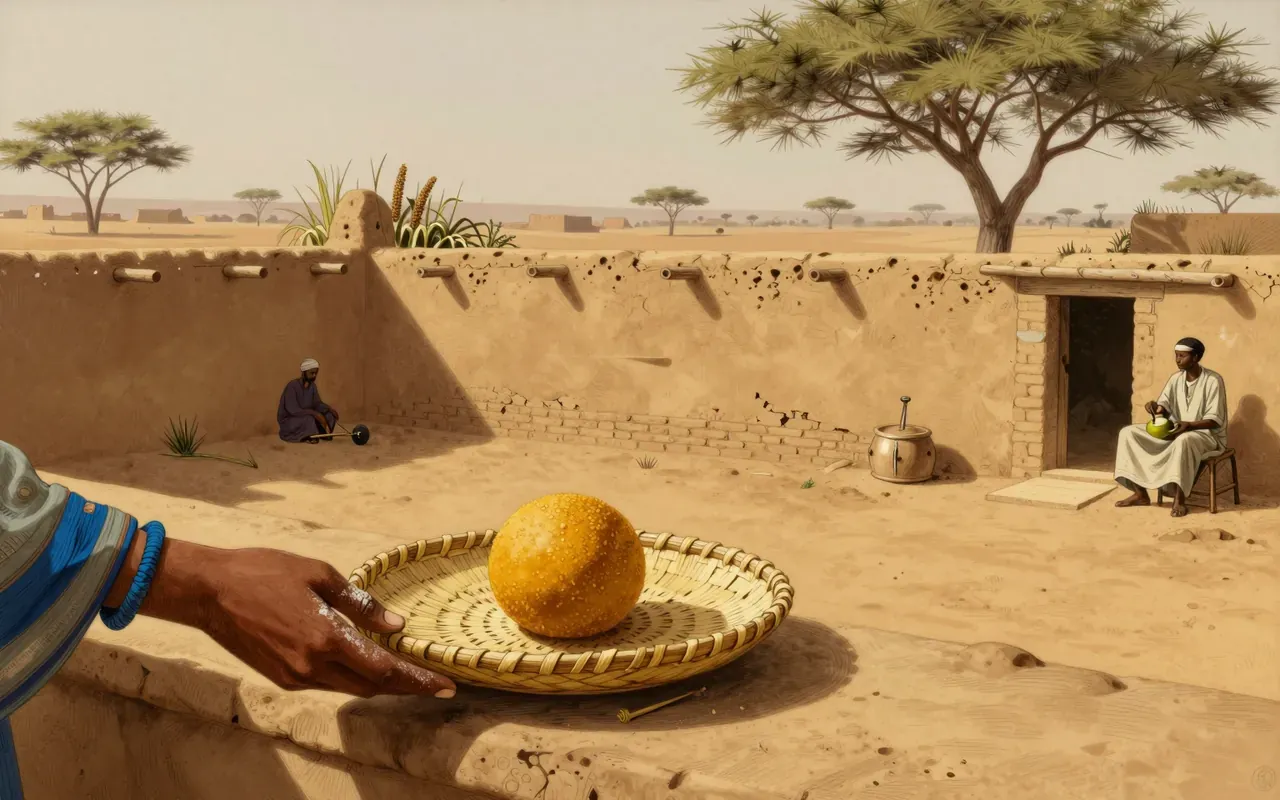
A spherical sweet from the Indian subcontinent, made with ingredients like chickpea flour, rice vermicelli, or coconut, bound by sugar syrup or jaggery.

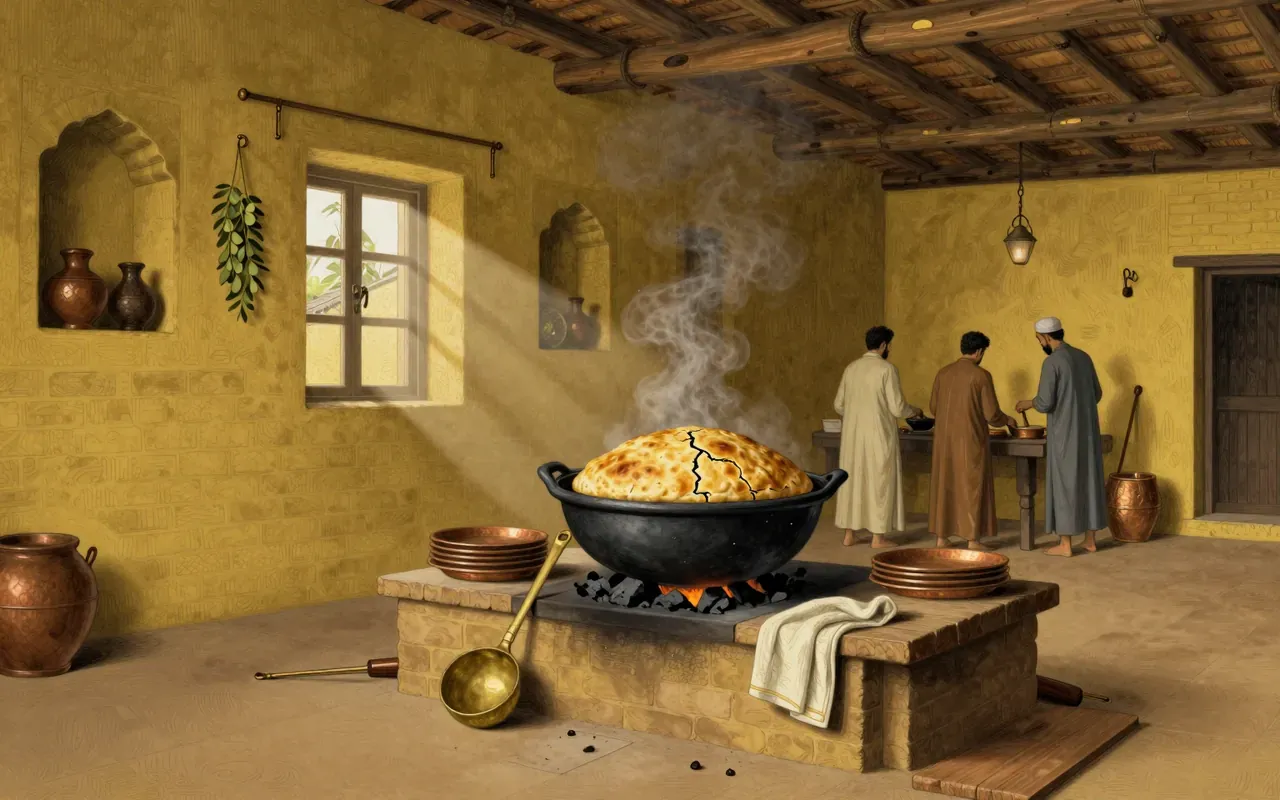
Laddu is a spherical sweet from the Indian subcontinent. It appears in the 3rd–4th century Sushruta Samhita as medicinal ladduka—balls of jaggery, peanuts, and sesame coated in honey. The first documented recipe as a sweet appears in the 11th-century Lokopakara, using rice vermicelli, ghee, and sugar syrup. Coconut laddu originated in the medieval Chola Empire. It has been called 'perhaps the most universal and ancient of Indian sweets.'

Chapters & takeaways7
  1. 0:00
    What the dish is and where it came from

    Laddu is a spherical sweet from the Indian subcontinent.

  2. 0:27
    How it works, in terms someone would actually use

    To make besan laddu—the most common variety—chickpea flour is fried in hot ghee, then mixed with sugar and cardamom powder.

  3. 0:39
    What it gets right

    It gets right portability, versatility, and cultural resonance: coconut laddu was packed for travelers and warriors; motichoor uses delicate boondi soaked in syrup; Thaggu ke laddu combines khoa, semolina, and white sugar in a Kanpur specialty.

  4. 0:53
    What it does not

    It does not offer uniformity: varieties differ widely in base (besan, boondi, khoa, coconut), binder (sugar syrup, jaggery, ghee), and regional role.

  5. 1:02
    What it changed

    It changed from medicinal use in the Sushruta Samhita to a documented sweet in the 11th-century Lokopakara, and later acquired specific regional forms like Kanpur’s Thaggu ke laddu and Chola-era coconut laddu.

  6. 1:15
    Who it is for, and who it is not

    It is for people seeking a portable, festive, or ceremonial sweet made with ingredients like chickpea flour, coconut, or condensed milk.

  7. 1:30
    Is it worth your time

    It is worth your time if you want a widely available, historically rooted sweet with many accessible variations—especially besan laddu, the most common type.
Worth your time?

Selectively. Start with the brief, then cook the parts we point at.

What works
  • It gets right portability, versatility, and cultural resonance: coconut laddu was packed for travelers and warriors; motichoor uses delicate boondi soaked in syrup; Thaggu ke laddu combines khoa, semolina, and white sugar in a Kanpur specialty.
What does not
  • It does not offer uniformity: varieties differ widely in base (besan, boondi, khoa, coconut), binder (sugar syrup, jaggery, ghee), and regional role.
Cook it if
    Skip it if
      The written brief1 min read

      What the dish is and where it came from

      Laddu is a spherical sweet from the Indian subcontinent. It appears in the 3rd–4th century Sushruta Samhita as medicinal ladduka—balls of jaggery, peanuts, and sesame coated in honey. The first documented recipe as a sweet appears in the 11th-century Lokopakara, using rice vermicelli, ghee, and sugar syrup. Coconut laddu originated in the medieval Chola Empire. It has been called ‘perhaps the most universal and ancient of Indian sweets.’

      How it works, in terms someone would actually use

      To make besan laddu—the most common variety—chickpea flour is fried in hot ghee, then mixed with sugar and cardamom powder. The mixture is formed into balls and cooled until solid.

      What it gets right

      It gets right portability, versatility, and cultural resonance: coconut laddu was packed for travelers and warriors; motichoor uses delicate boondi soaked in syrup; Thaggu ke laddu combines khoa, semolina, and white sugar in a Kanpur specialty.

      What it does not

      It does not offer uniformity: varieties differ widely in base (besan, boondi, khoa, coconut), binder (sugar syrup, jaggery, ghee), and regional role.

      What it changed

      It changed from medicinal use in the Sushruta Samhita to a documented sweet in the 11th-century Lokopakara, and later acquired specific regional forms like Kanpur’s Thaggu ke laddu and Chola-era coconut laddu.

      Who it is for, and who it is not

      It is for people seeking a portable, festive, or ceremonial sweet made with ingredients like chickpea flour, coconut, or condensed milk. It is not for those avoiding dairy (khoa, ghee), nuts (peanut in ladduka), or concentrated sugars.

      Is it worth your time

      It is worth your time if you want a widely available, historically rooted sweet with many accessible variations—especially besan laddu, the most common type.
      Same course · Dishes4 of 327
      Up next in Food

      Lahmacun

      · 1:11

      A thin flatbread topped with spiced minced meat and vegetables, baked and often wrapped with fresh produce.

      1:11