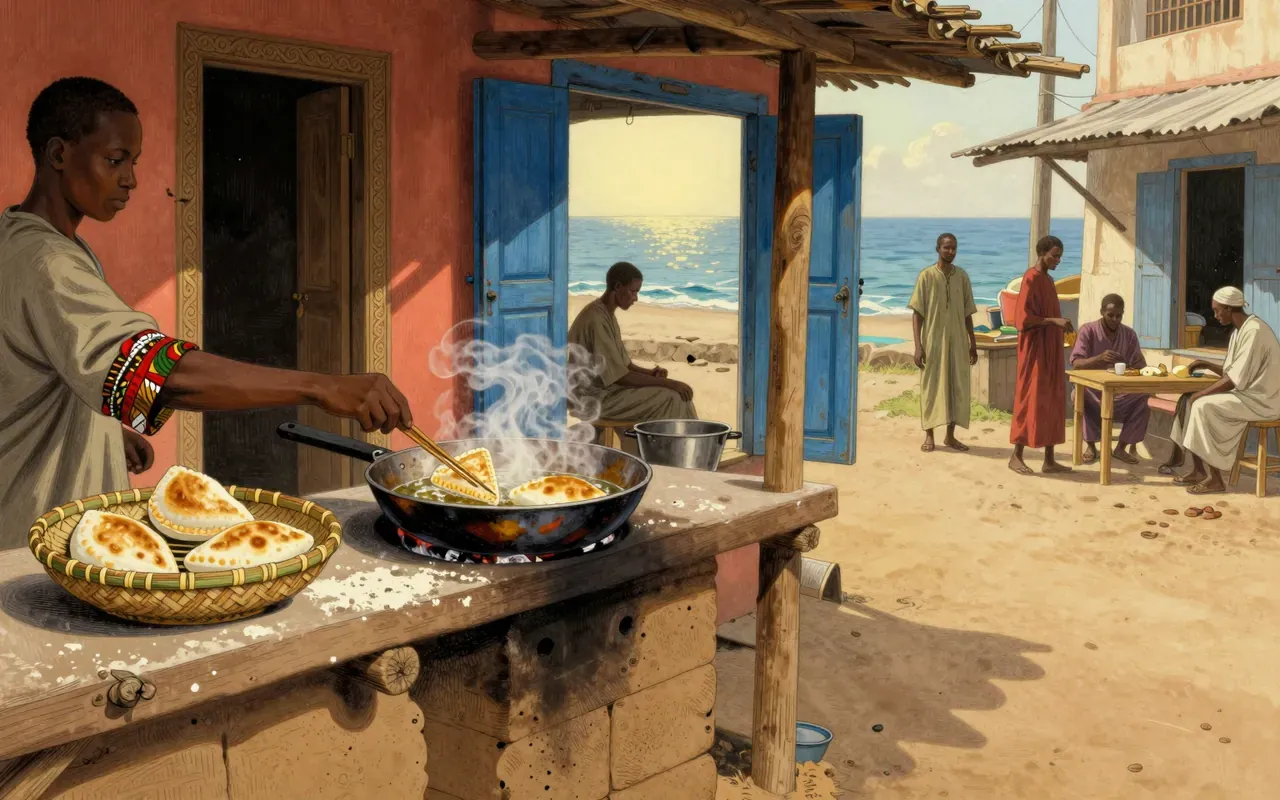
Matoke is a steamed, mashed dish made from green East African Highland bananas (Musa AAA-EA).
0:09
How it works, in terms someone would actually use
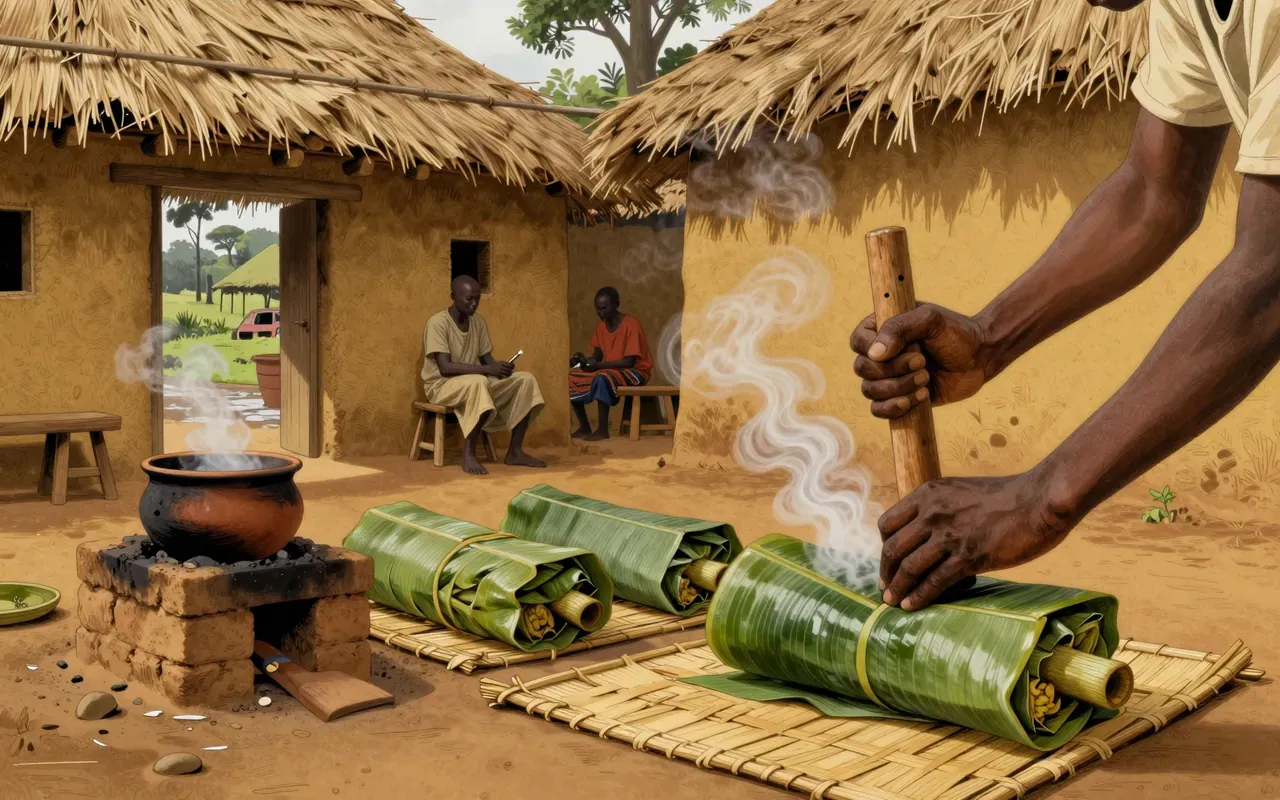
Green matoke are peeled, wrapped in banana leaves or plastic bags, stacked atop banana stalks in a pot, and steamed over charcoal or wood for several hours with repeated water additions.
0:26
What it gets right
It delivers soft, yellow, starchy texture after cooking and pairs well with vegetable, peanut, or meat sauces—making it a flexible, staple carbohydrate base.
0:35
What it does not
Because it is typically served with meat or peanut sauce, it is not inherently a standalone vegetable dish.
0:42
What it changed
Matoke serves as the base for katogo, a Ugandan breakfast dish combining peeled matoke with peanuts, beef, goat, or offal.
0:50
Who it is for, and who it is not
It is for people seeking a starchy, steamed banana-based staple, often paired with savory accompaniments.
1:02
Is it worth your time
Yes—it is worth your time if you want a national dish of Uganda and Rwanda built around a distinct, cooked banana preparation.
Worth your time?
Selectively. Start with the brief, then cook the parts we point at.
What works
It delivers soft, yellow, starchy texture after cooking and pairs well with vegetable, peanut, or meat sauces—making it a flexible, staple carbohydrate base.
What does not
Because it is typically served with meat or peanut sauce, it is not inherently a standalone vegetable dish.
Cook it if
Skip it if
The written brief1 min read
What the dish is and where it came from
Matoke is a steamed, mashed dish made from green East African Highland bananas (Musa AAA-EA). It originates from the African Great Lakes region.
How it works, in terms someone would actually use
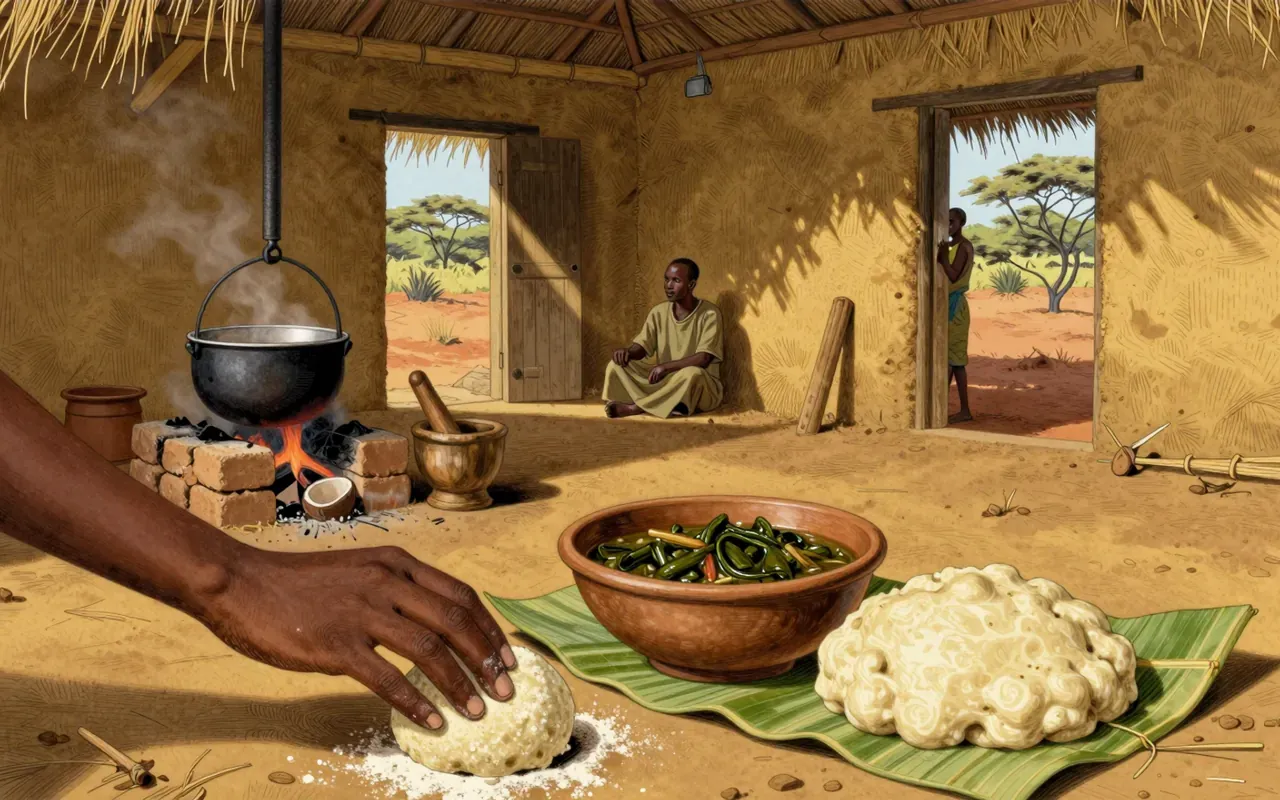
Green matoke are peeled, wrapped in banana leaves or plastic bags, stacked atop banana stalks in a pot, and steamed over charcoal or wood for several hours with repeated water additions. They are mashed while still wrapped and served on fresh banana leaves.
What it gets right
It delivers soft, yellow, starchy texture after cooking and pairs well with vegetable, peanut, or meat sauces—making it a flexible, staple carbohydrate base.
What it does not
Because it is typically served with meat or peanut sauce, it is not inherently a standalone vegetable dish.
What it changed
Matoke serves as the base for katogo, a Ugandan breakfast dish combining peeled matoke with peanuts, beef, goat, or offal.
Who it is for, and who it is not
It is for people seeking a starchy, steamed banana-based staple, often paired with savory accompaniments. It is not for those avoiding bananas or preferring raw, sweet, or uncooked fruit preparations.
Is it worth your time
Yes—it is worth your time if you want a national dish of Uganda and Rwanda built around a distinct, cooked banana preparation.