1:03in productionCh. 1 · What the dish is and where it came from/ 1:03 · ceiling 15 min
Dishes · Food history
Naengmyeon
A cold Korean noodle dish of North Korean origin, traditionally handmade from buckwheat or starches like potato or kudzu.
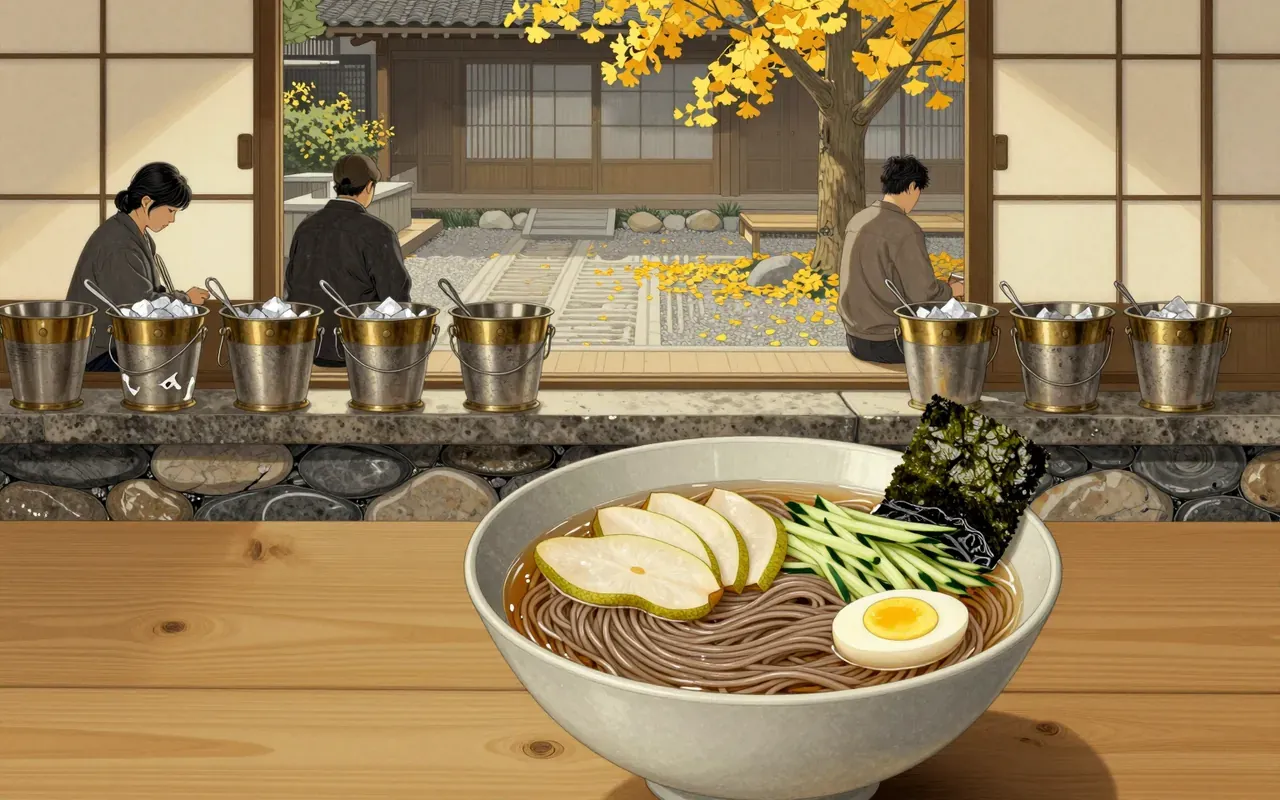
Naengmyeon is a cold noodle dish of North Korean origin. It features long, thin handmade noodles made from buckwheat, potato, sweet potato, arrowroot starch, or kudzu. It originated in northern Korea, especially Pyongyang and Hamhung.
Naengmyeon is a cold noodle dish of North Korean origin.
0:14
How it works, in terms someone would actually use
It is served chilled, typically as mul naengmyeon with broth or bibim naengmyeon mixed with sauce.
0:20
What it gets right
It gets regional distinction right: mul naengmyeon is tied to Pyongyang, bibim naengmyeon to Hamhung, and Jinju-naengmyeon to Jinju with seafood broth and garnishes like abalone and sea cucumber.
0:32
What it does not
It does not offer a single standardized form—noodle base, broth, and garnishes vary by region, limiting uniformity.
0:39
What it changed
It changed seasonal association: historically eaten in winter, now commonly consumed in summer.
0:44
Who it is for, and who it is not
It is for people seeking regionally distinct cold noodle dishes.
0:54
Is it worth your time
It is worth your time if you want a historically rooted, regionally varied Korean cold noodle dish with diverse starch-based noodles and broths.
Worth your time?
Selectively. Start with the brief, then cook the parts we point at.
What works
It gets regional distinction right: mul naengmyeon is tied to Pyongyang, bibim naengmyeon to Hamhung, and Jinju-naengmyeon to Jinju with seafood broth and garnishes like abalone and sea cucumber.
What does not
It does not offer a single standardized form—noodle base, broth, and garnishes vary by region, limiting uniformity.
Cook it if
Skip it if
The written brief1 min read
What the dish is and where it came from
Naengmyeon is a cold noodle dish of North Korean origin. It features long, thin handmade noodles made from buckwheat, potato, sweet potato, arrowroot starch, or kudzu. It originated in northern Korea, especially Pyongyang and Hamhung.
How it works, in terms someone would actually use
It is served chilled, typically as mul naengmyeon with broth or bibim naengmyeon mixed with sauce.
What it gets right
It gets regional distinction right: mul naengmyeon is tied to Pyongyang, bibim naengmyeon to Hamhung, and Jinju-naengmyeon to Jinju with seafood broth and garnishes like abalone and sea cucumber.
What it does not
It does not offer a single standardized form—noodle base, broth, and garnishes vary by region, limiting uniformity.
What it changed
It changed seasonal association: historically eaten in winter, now commonly consumed in summer.
Who it is for, and who it is not
It is for people seeking regionally distinct cold noodle dishes. It is not for those expecting a single fixed recipe or ingredient set across all versions.
Is it worth your time
It is worth your time if you want a historically rooted, regionally varied Korean cold noodle dish with diverse starch-based noodles and broths.