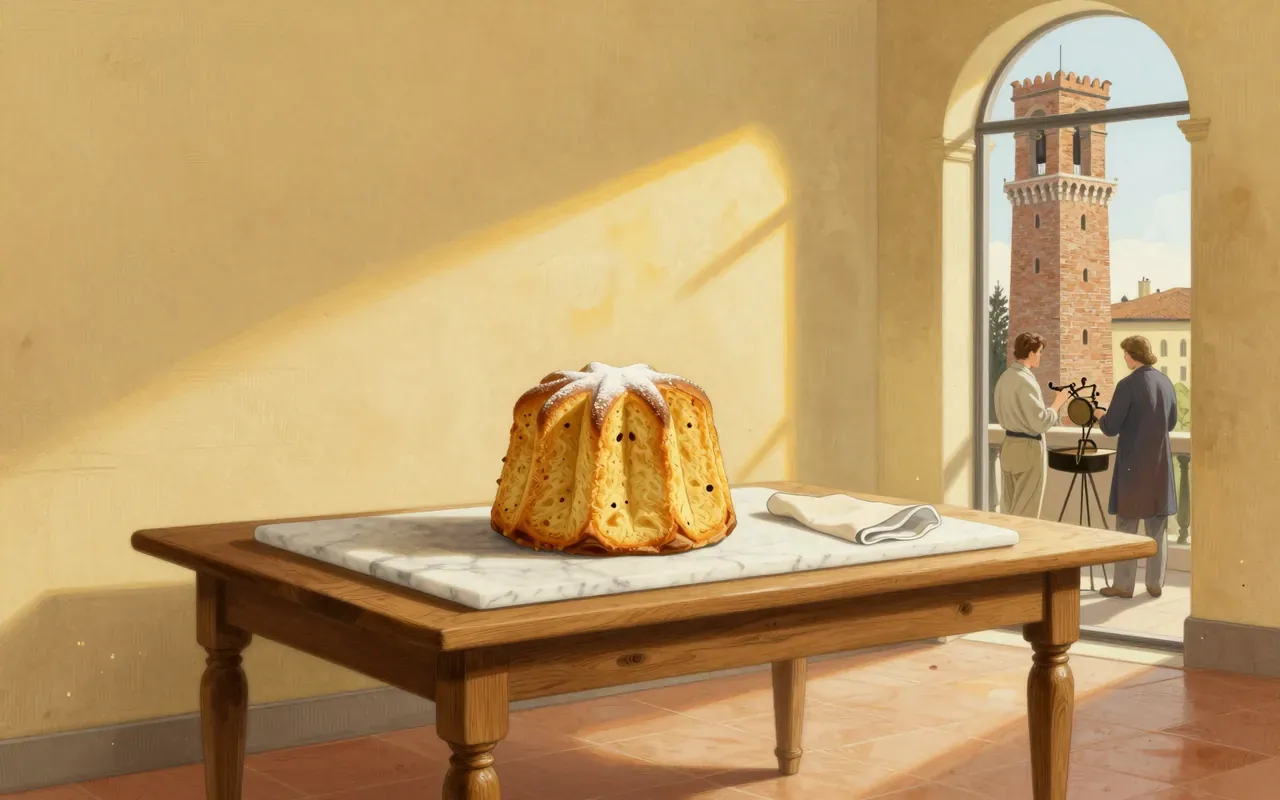
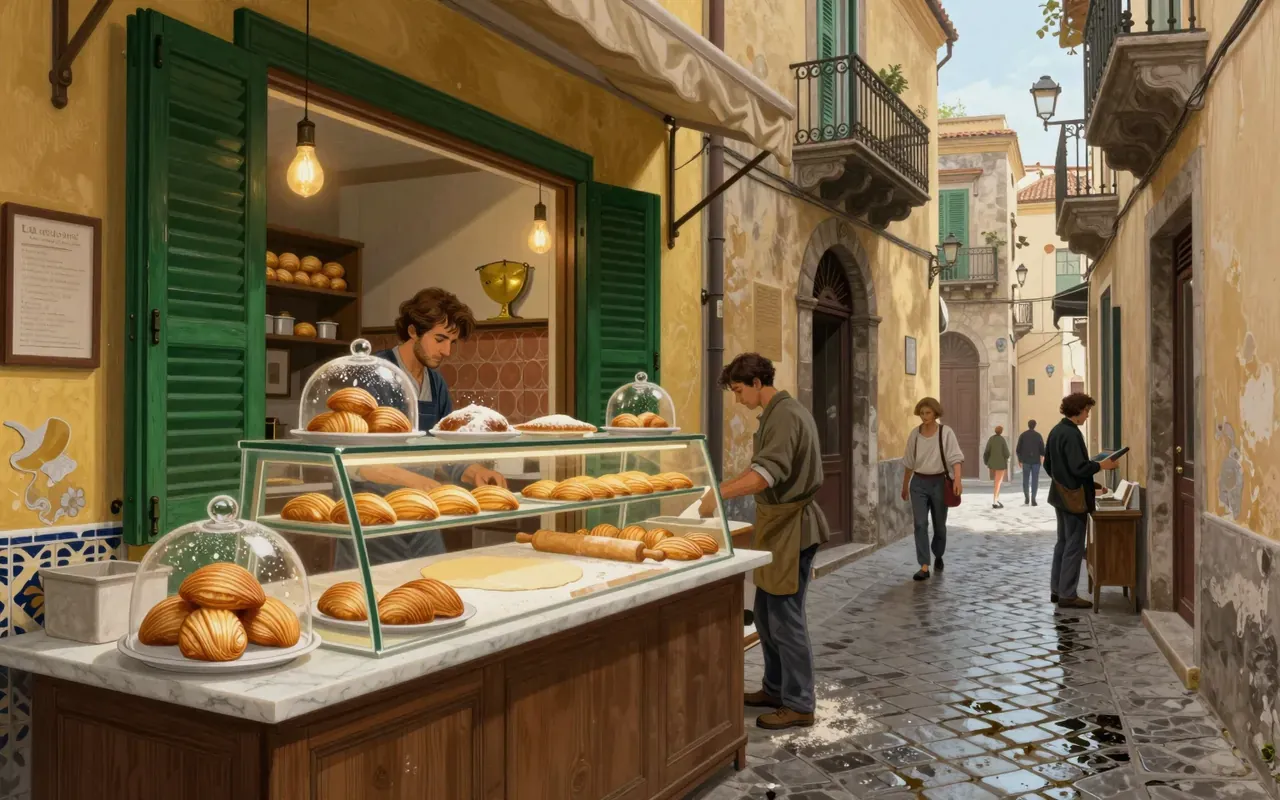
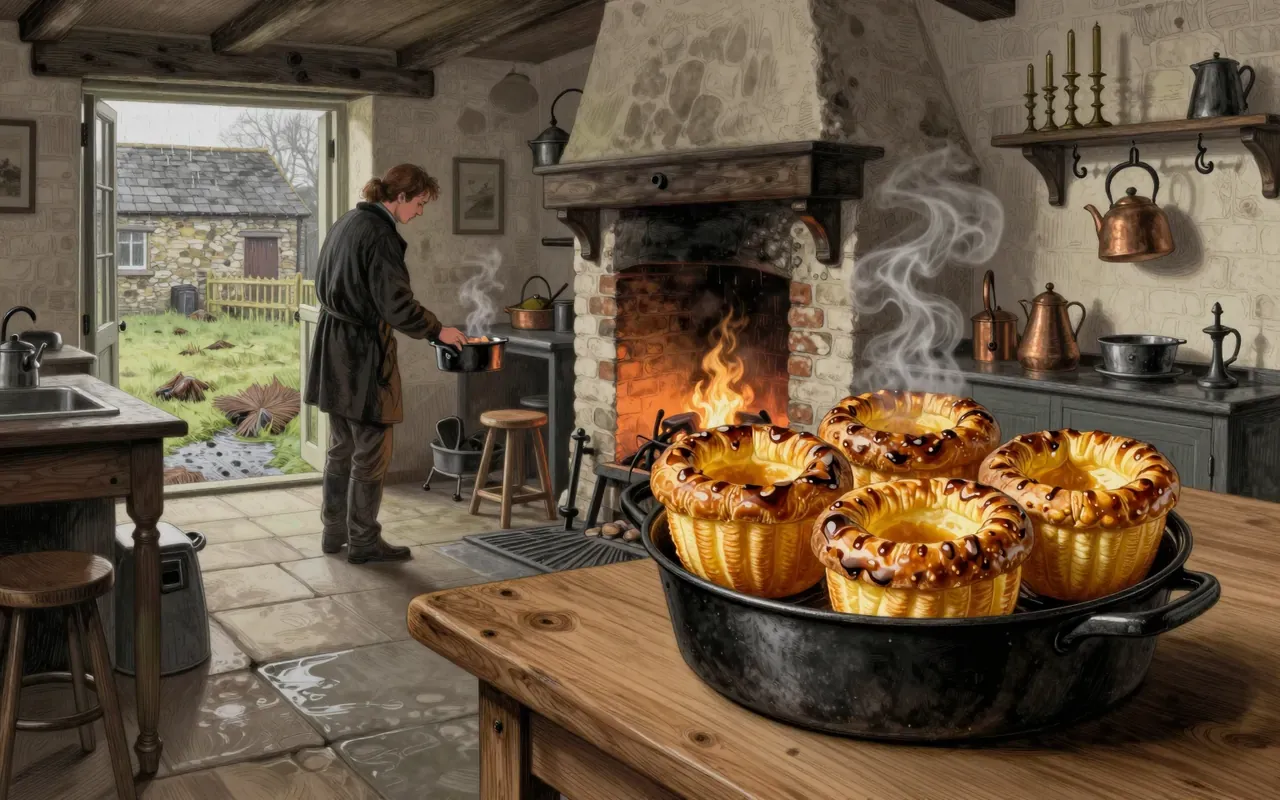
Pandoro is not a cake — it’s a butter-rich, star-shaped bread whose industrial patent in 1894 turned Verona’s century-old formula into Italy’s most geometrically correct Christmas ritual.
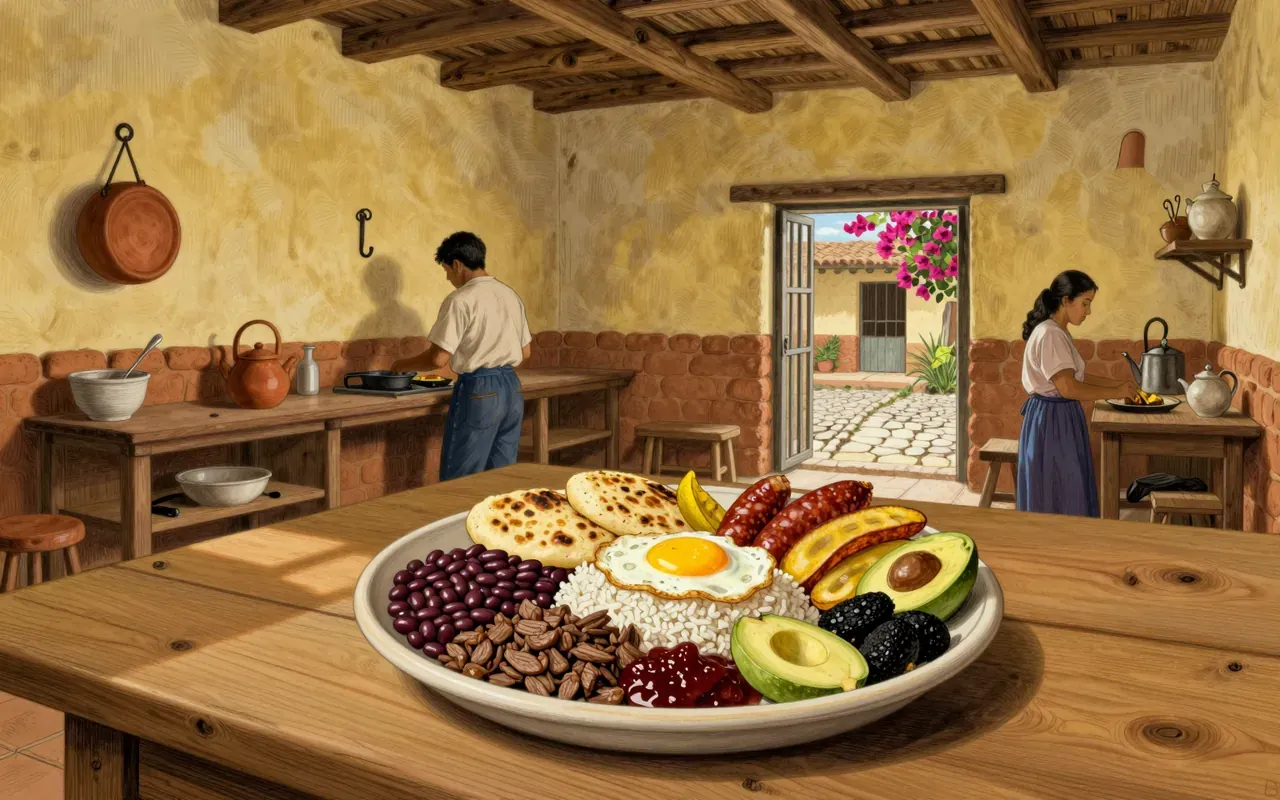
A large platter from Colombia’s Paisa region featuring red beans with pork, rice, ground meat, chicharrón, fried egg, ripe plantain, chorizo, arepa, hogao sauce, black pudding, avocado, and lemon.
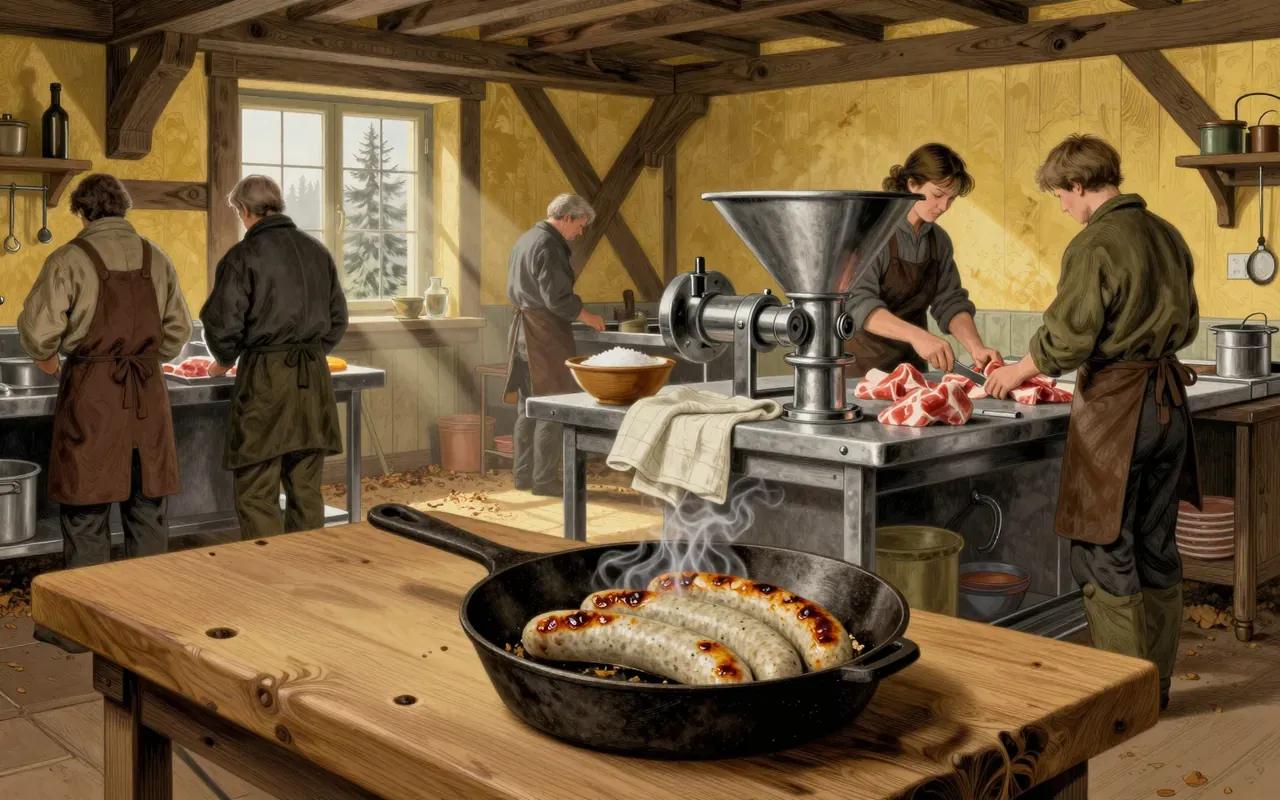
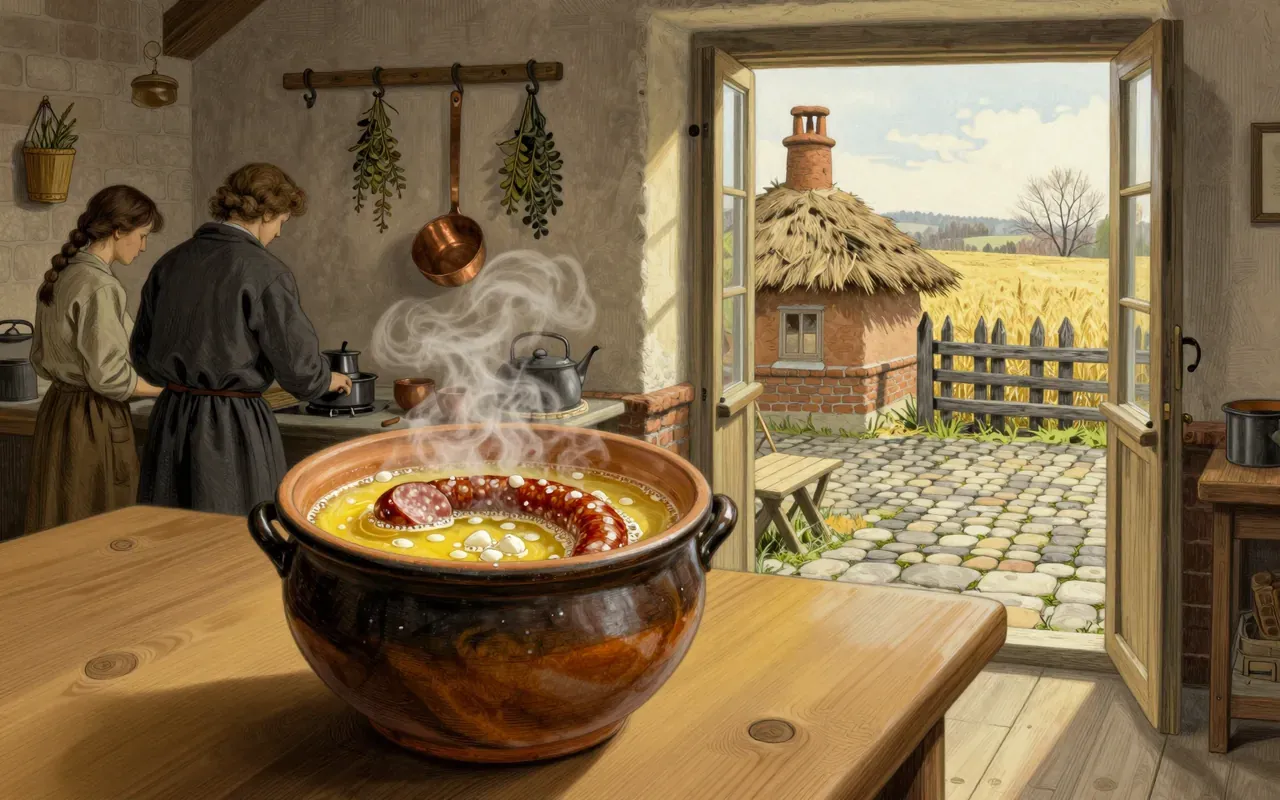
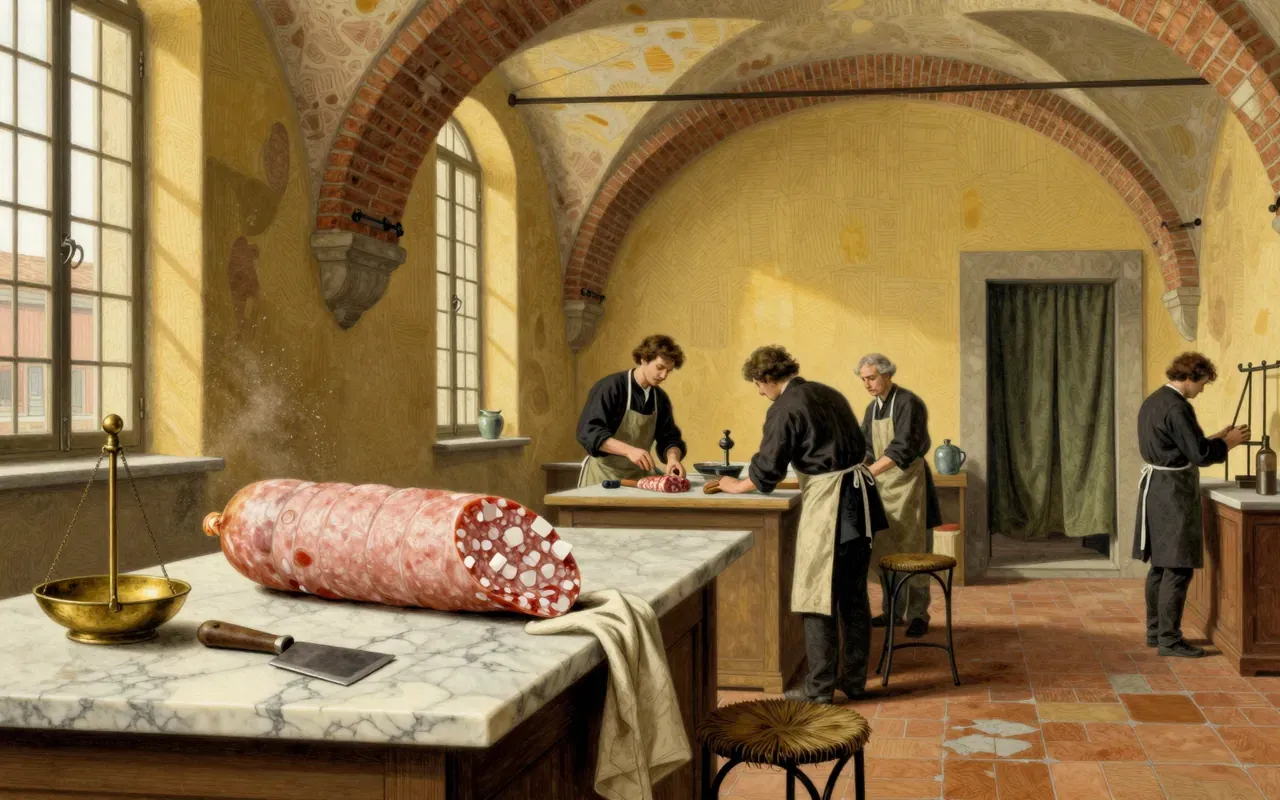
A German sausage made from pork or less commonly beef, veal, or combinations, with documented regional origins across Franconia, Thuringia, and eastern Switzerland.
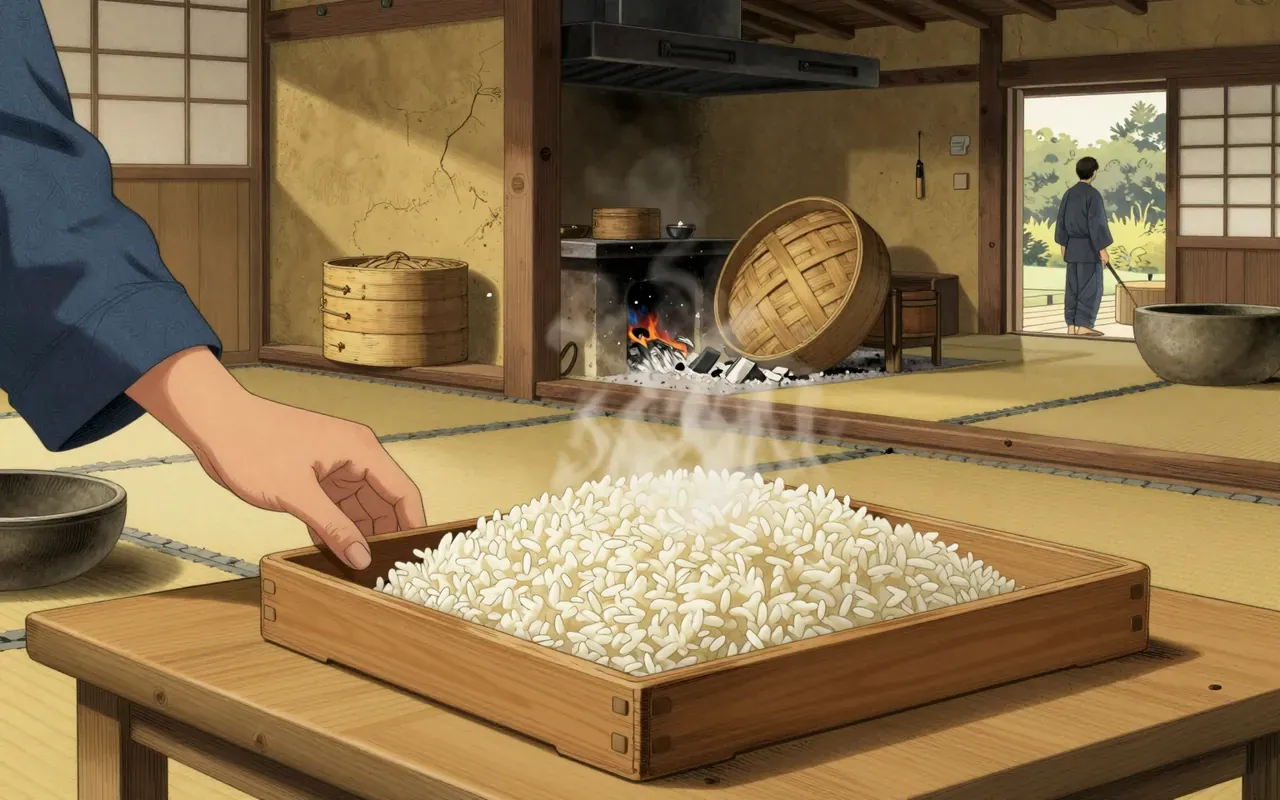
Koji is a filamentous fungus—most commonly Aspergillus oryzae—or a mixture of that culture with wheat and soybean meal, used in Japanese food fermentation.
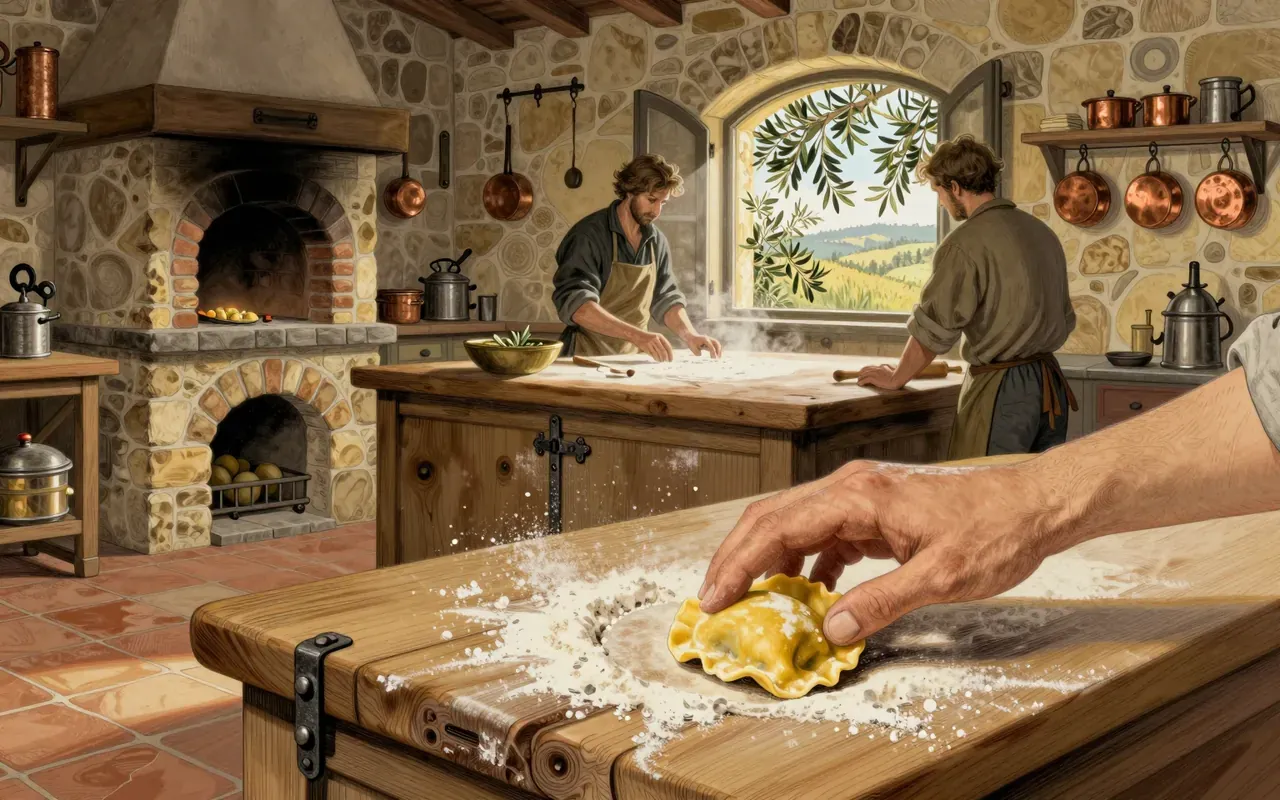
Pierogi are filled dumplings of unleavened dough, boiled and sometimes pan-fried, with traditional roots in Poland and widespread presence in North America.
A composed or tossed salad from Nice, traditionally built around tomatoes, anchovies or tuna, Niçoise olives, and hard-boiled eggs, dressed with olive oil or vinaigrette.
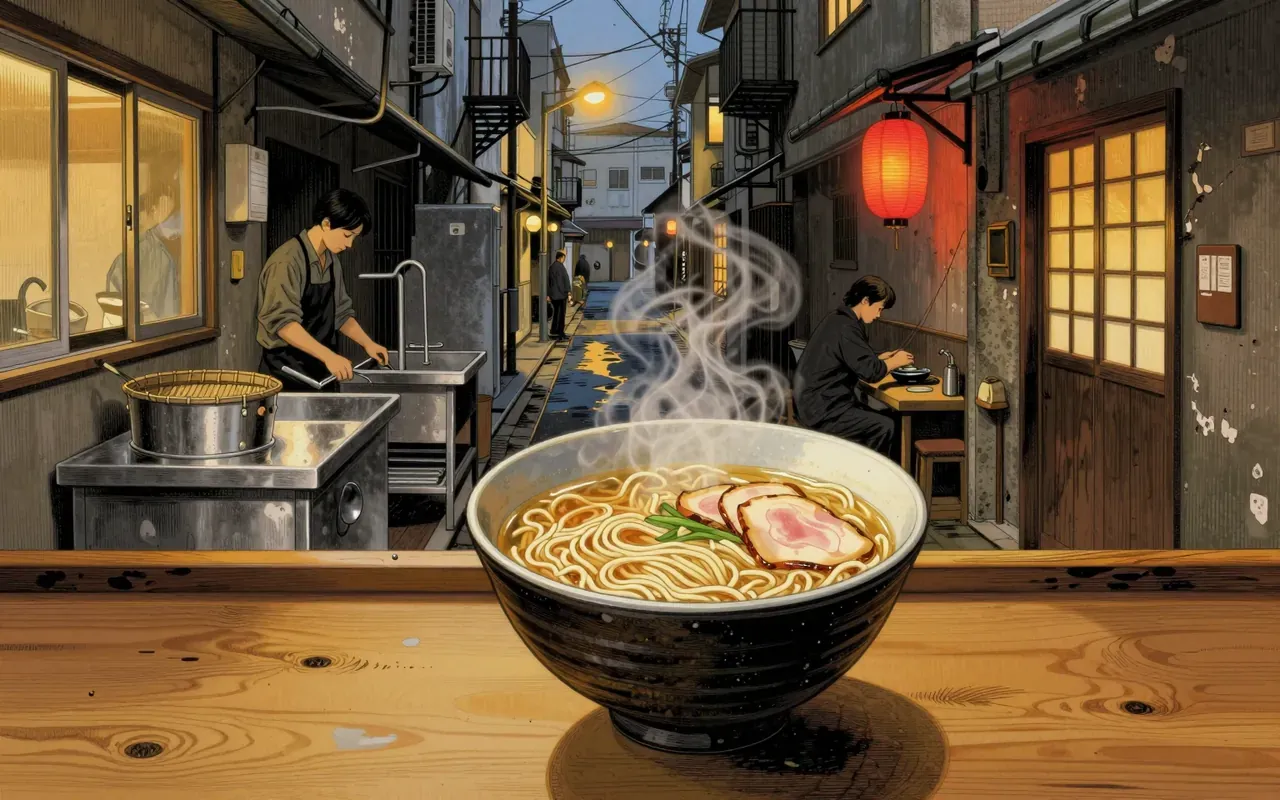
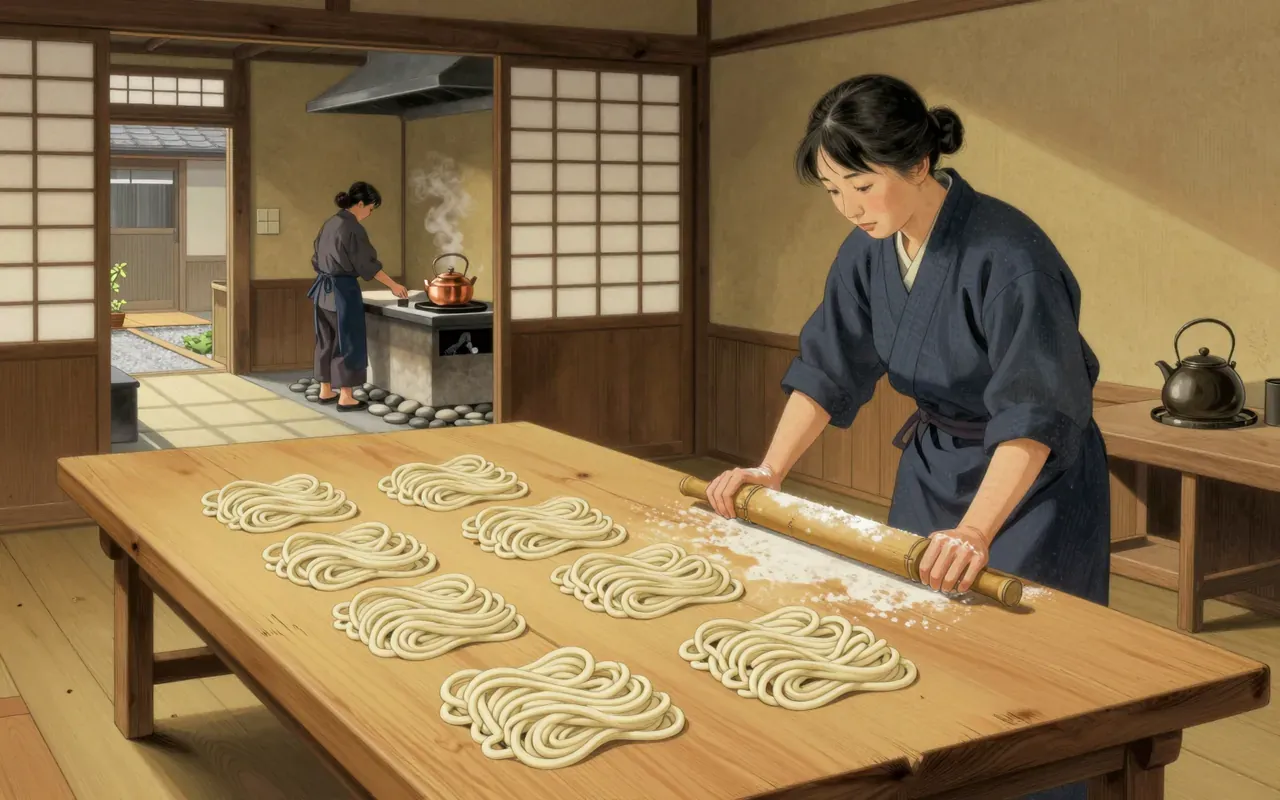
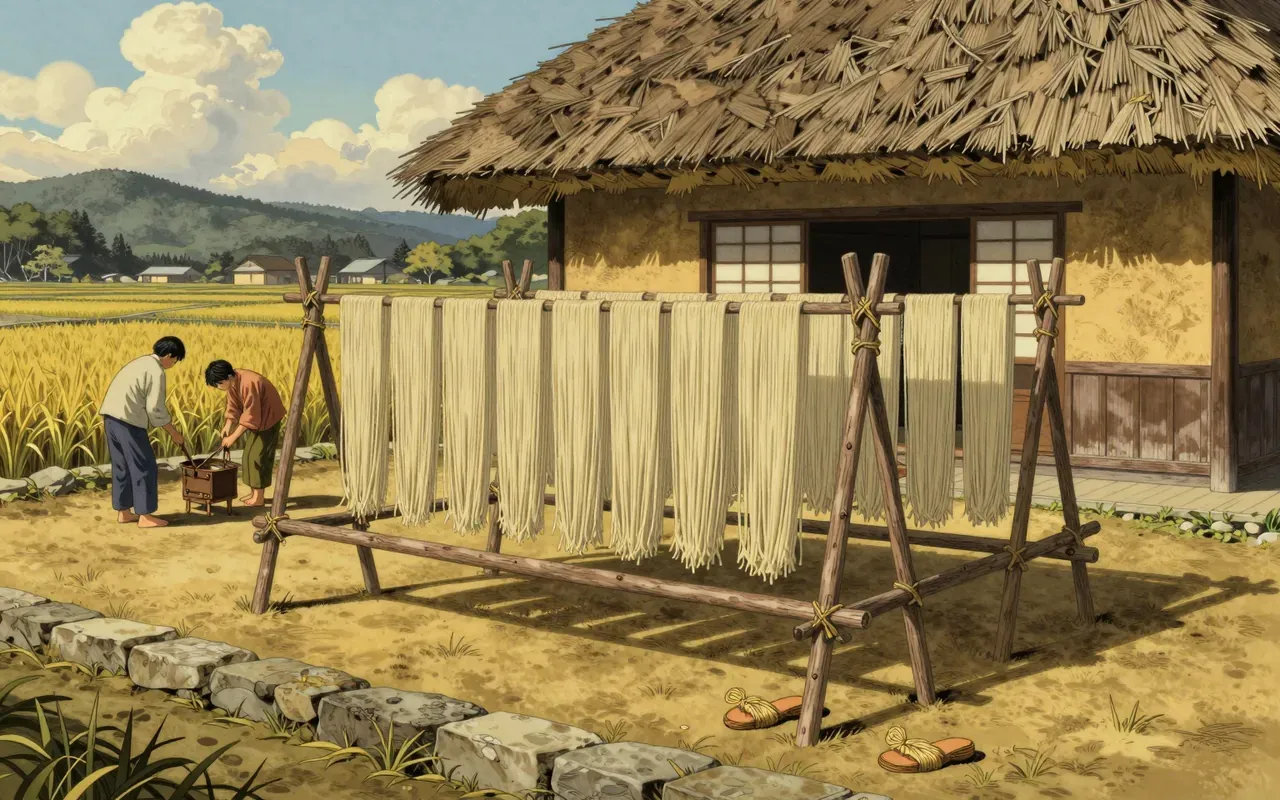
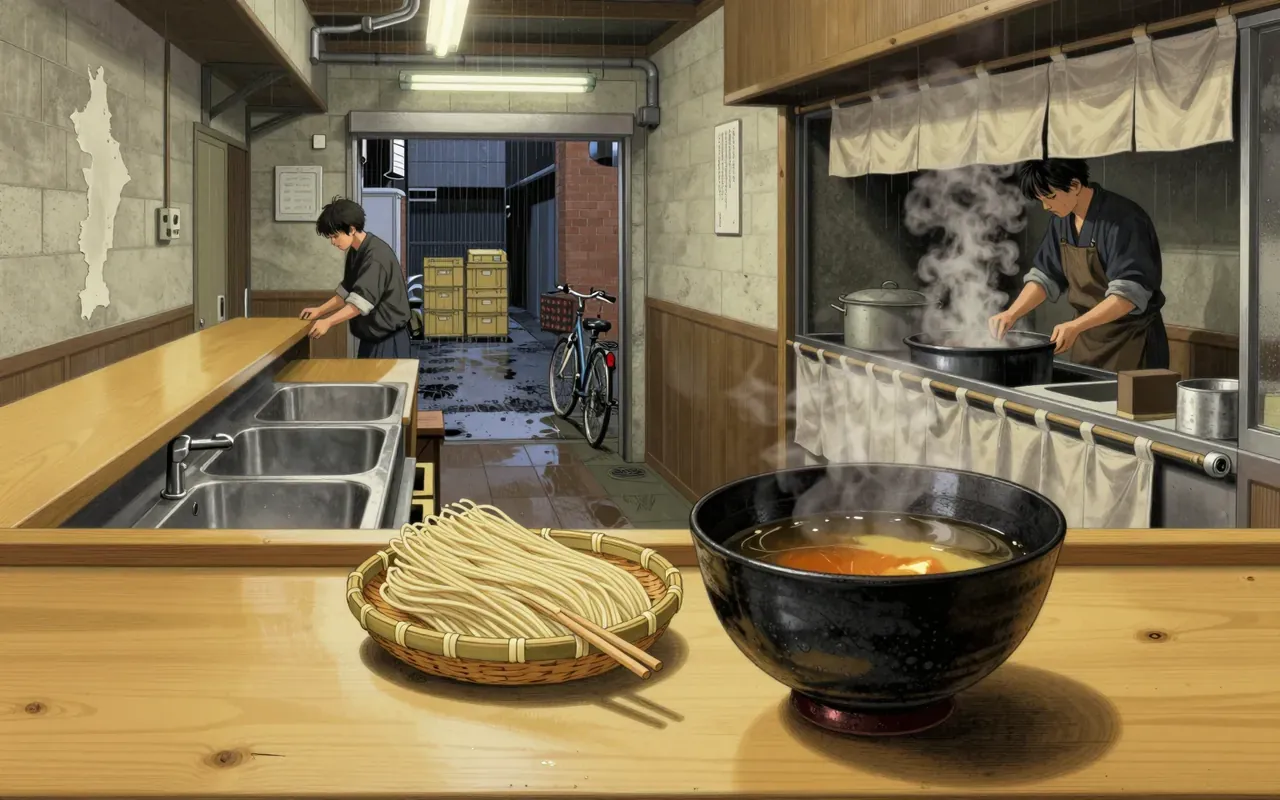
A very thin wheat noodle, less than 1.3 mm wide, with documented roots in Japan by the late 14th century and earlier antecedents in Tang dynasty China.
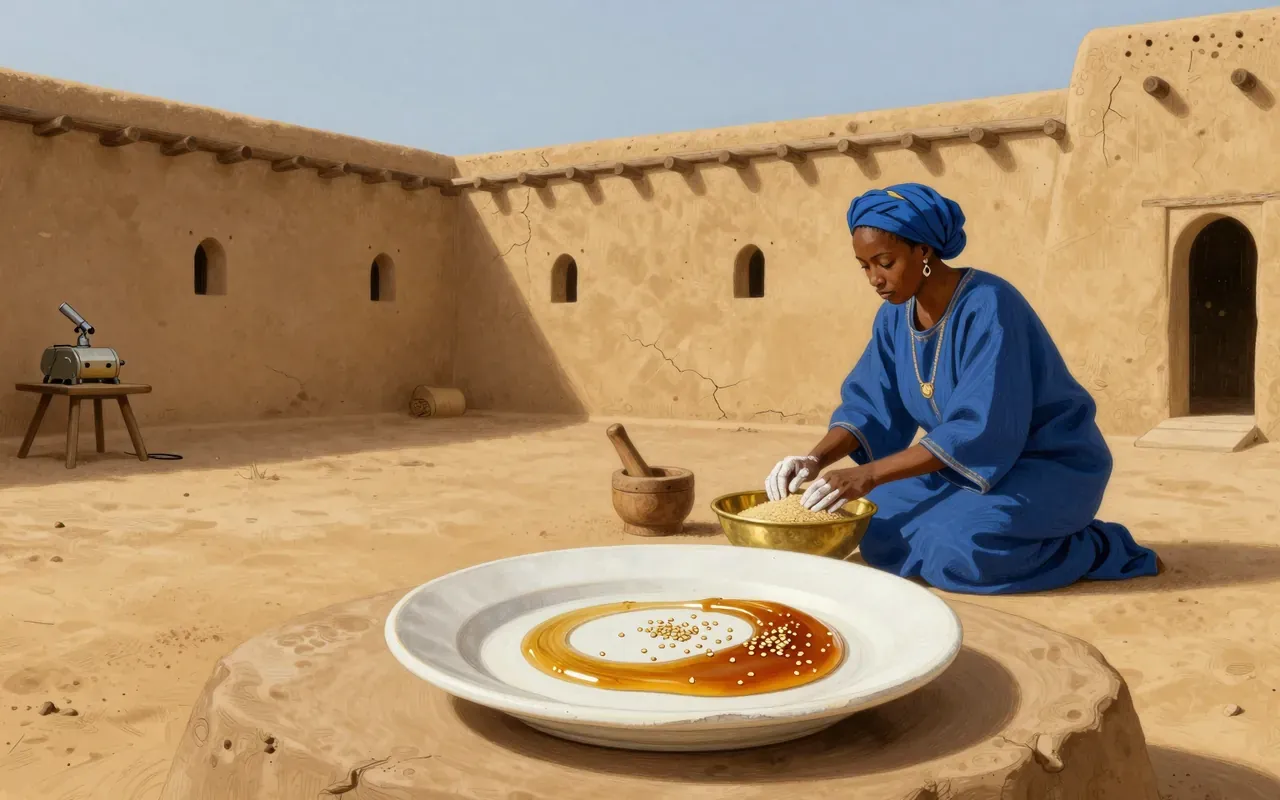
A creamy, oily paste made from toasted, ground sesame kernels, used across multiple regions as a condiment, bread accompaniment, or ingredient in dishes like hummus.