1:16in productionCh. 1 · What the dish is and where it came from/ 1:16 · ceiling 15 min
Dishes
Saag
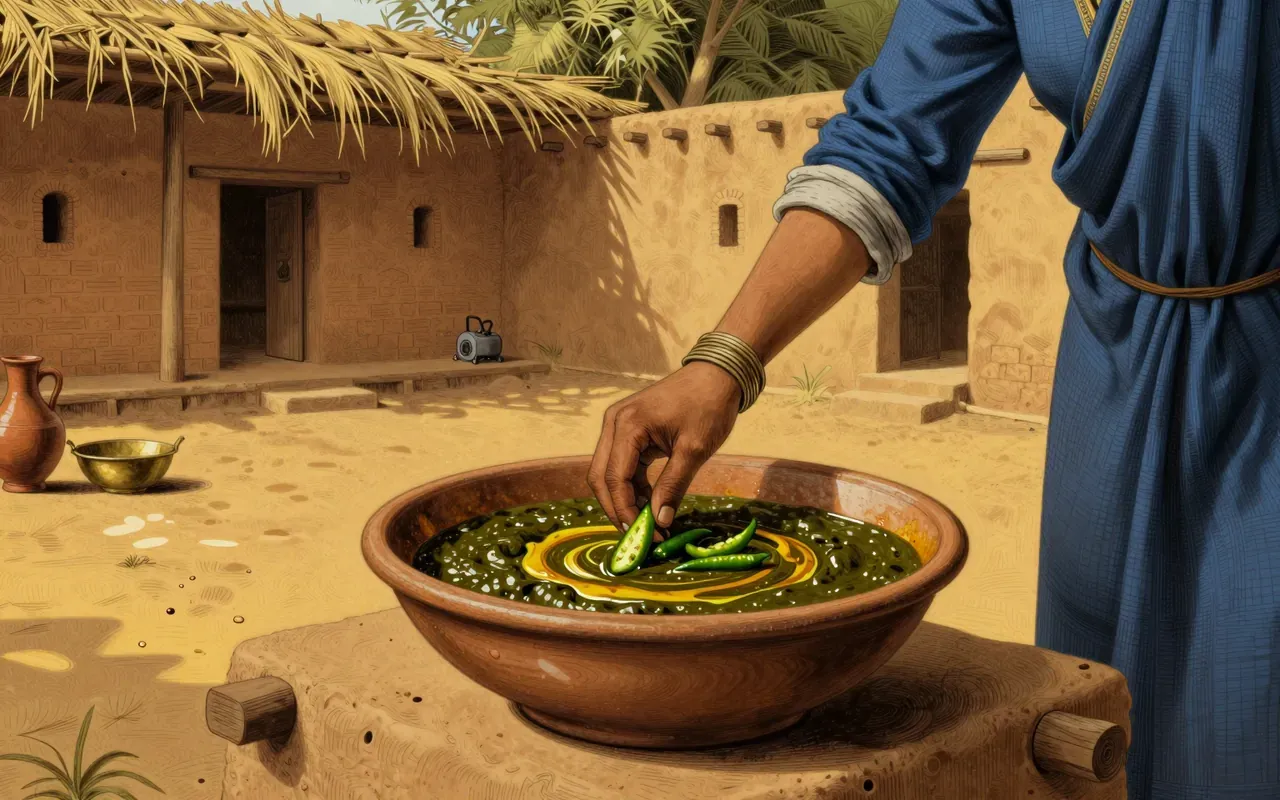
A leafy vegetable dish from the Indian subcontinent, made from greens like mustard, collard, basella, broccoli, or stinging nettle.
Saag is a leafy vegetable dish from the Indian subcontinent. The word derives from Apabhraṃśa and Prakrit 'sāgun' and Sanskrit 'śāka', all meaning leafy green vegetables.
Saag is a leafy vegetable dish from the Indian subcontinent.
0:10
How it works, in terms someone would actually use
One preparation method involves boiling stinging nettle leaves to neutralize their stinging hairs, then grinding them into a paste and cooking with ghee, tomato, and spices.
0:20
What it gets right
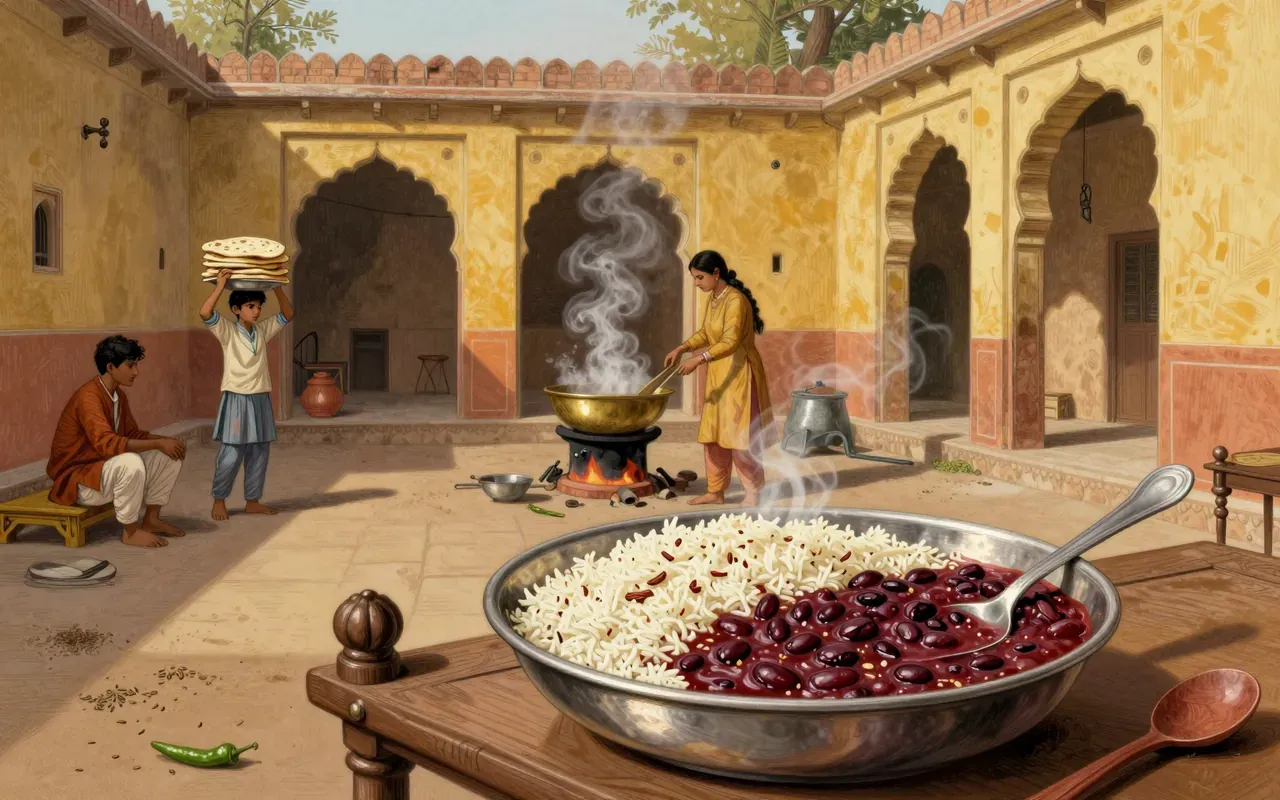
It gets right its flexibility: it can be made from mustard greens, collard greens, basella, broccoli, or stinging nettle, and is commonly paired with makki ki roti or pakhala.
0:35
What it does not
The version with mutton (saag gosht) makes it less suitable as a strictly vegetarian dish.
0:41
What it changed
In Puri’s Shree Jagannath Temple, saag is part of Mahaprasad—the sacred food offering to Jagannath—giving it ritual significance in that context.
0:49
Who it is for, and who it is not
It is for people who eat leafy greens and enjoy regional Indian or Pakistani preparations, especially in Odisha, West Bengal, North India, or Punjab.
1:07
Is it worth your time
Yes—it is worth your time if you seek a vegetable-forward dish with documented regional roots and adaptable preparations across the Indian subcontinent.
Worth your time?
Selectively. Start with the brief, then cook the parts we point at.
What works
It gets right its flexibility: it can be made from mustard greens, collard greens, basella, broccoli, or stinging nettle, and is commonly paired with makki ki roti or pakhala. Its regional presence—from Odisha to Punjab—reflects broad culinary integration.
What does not
The version with mutton (saag gosht) makes it less suitable as a strictly vegetarian dish.
Cook it if
Skip it if
The written brief1 min read
What the dish is and where it came from
Saag is a leafy vegetable dish from the Indian subcontinent. The word derives from Apabhraṃśa and Prakrit ‘sāgun’ and Sanskrit ‘śāka’, all meaning leafy green vegetables.
How it works, in terms someone would actually use
One preparation method involves boiling stinging nettle leaves to neutralize their stinging hairs, then grinding them into a paste and cooking with ghee, tomato, and spices.
What it gets right
It gets right its flexibility: it can be made from mustard greens, collard greens, basella, broccoli, or stinging nettle, and is commonly paired with makki ki roti or pakhala. Its regional presence—from Odisha to Punjab—reflects broad culinary integration.
What it does not
The version with mutton (saag gosht) makes it less suitable as a strictly vegetarian dish.
What it changed
In Puri’s Shree Jagannath Temple, saag is part of Mahaprasad—the sacred food offering to Jagannath—giving it ritual significance in that context.
Who it is for, and who it is not
It is for people who eat leafy greens and enjoy regional Indian or Pakistani preparations, especially in Odisha, West Bengal, North India, or Punjab. It is not for those avoiding meat if served as saag gosht, or avoiding maize-based bread if paired with makki ki roti.
Is it worth your time
Yes—it is worth your time if you seek a vegetable-forward dish with documented regional roots and adaptable preparations across the Indian subcontinent.