What the dish is and where it came from
A tasting menu is not a dish. It is a format: multiple small-portion dishes served as one unified meal. Its name has French linguistic origin.
How it works, in terms someone would actually use
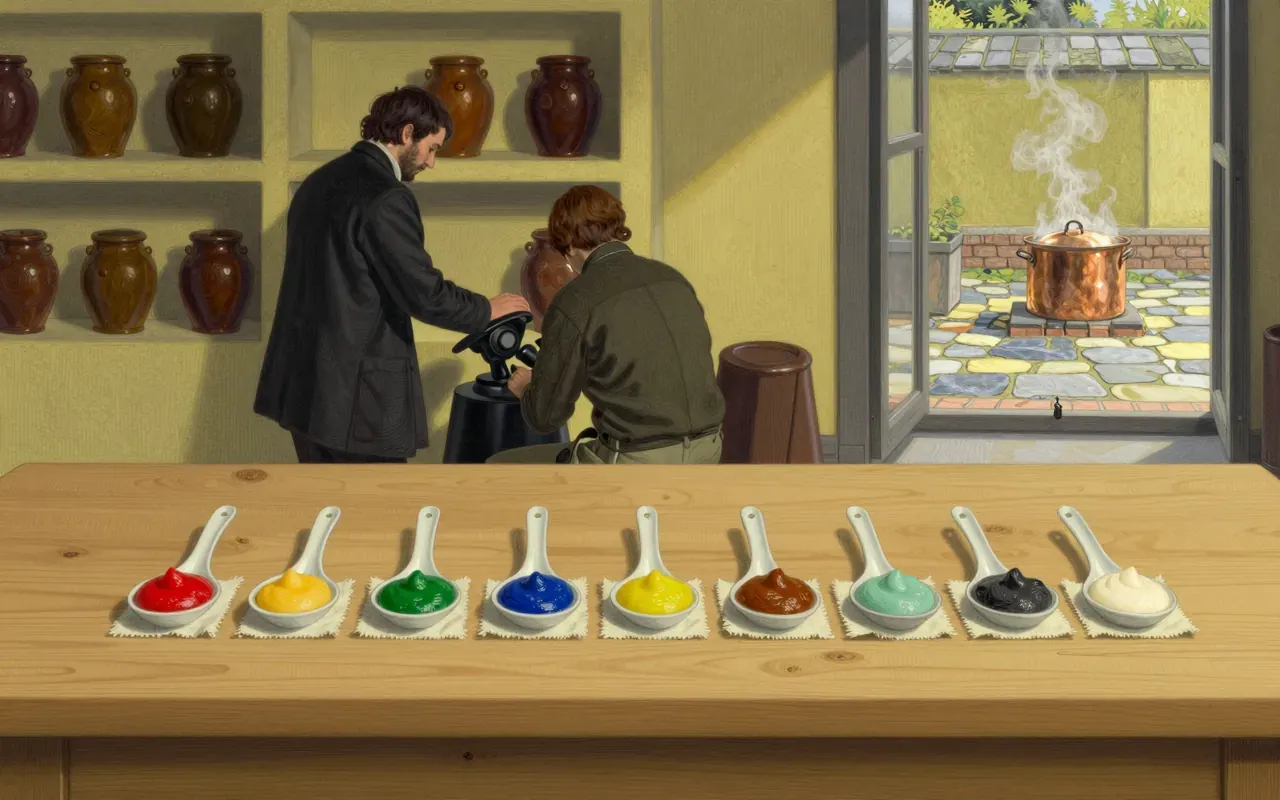
A tasting menu is multiple small-portion dishes served as one unified meal. It is not a series of snacks or appetisers. It is structured as a single experience, with each dish building on the last.
What it gets right
It showcases cuisine type, house specialty or seasonal ingredients. It forces precision in scaling, timing and contrast. It reveals how a kitchen thinks.
What it does not
It does not deliver full portions. It does not prioritise satiety, comfort or value. It does not serve food that stands alone—it serves food that refers.
What it changed
It shifted restaurant service from feeding diners to framing chefs as authors. By the 1990s, it turned kitchens into studios and dining rooms into galleries.
Who it is for, and who it is not
It is for diners who treat meals as curated exhibitions. It is not for those who eat to fuel, gather, or linger without scrutiny.
Is it worth your time
It is worth your time only if you want to assess a chef’s range, technique and sequencing—not if you want a satisfying, balanced meal.