1:09in productionCh. 1 · What the dish is and where it came from/ 1:09 · ceiling 15 min
Street food · Dishes
Balut (food)
A fertilized duck egg incubated 14–21 days, then steamed or boiled and eaten from the shell.
Balut is a fertilized developing bird egg, usually duck, boiled or steamed and eaten from the shell. It was introduced to the Philippines by the Chinese in 1565 and became a traditional part of Filipino culture.
Balut is a fertilized developing bird egg, usually duck, boiled or steamed and eaten from the shell.
0:14
How it works, in terms someone would actually use
The developing egg is incubated before being boiled or steamed and eaten from its shell.
0:24
What it gets right
At 14–16 days, the embryo floats on top of the egg white and yolk—a stage called 'mamatong'—which some prefer for its texture and composition.
0:34
What it does not
The developing embryo is central to the food, which makes it a poor choice if that form does not appeal to you.
0:43
What it changed
Differences in the preferred stage of development give balut variation within the tradition, including the stage known as mamatong.
0:51
Who it is for, and who it is not
It suits someone interested in the Filipino tradition of eating developing duck eggs.
1:02
Is it worth your time
Worth understanding as part of Filipino food culture, and worth trying if its distinctive form appeals to you.
Worth your time?
Selectively. Start with the brief, then cook the parts we point at.
What works
At 14–16 days, the embryo floats on top of the egg white and yolk—a stage called 'mamatong'—which some prefer for its texture and composition.
What does not
The developing embryo is central to the food, which makes it a poor choice if that form does not appeal to you.
Cook it if
Skip it if
The written brief1 min read
What the dish is and where it came from
Balut is a fertilized developing bird egg, usually duck, boiled or steamed and eaten from the shell. It was introduced to the Philippines by the Chinese in 1565 and became a traditional part of Filipino culture.
How it works, in terms someone would actually use
The developing egg is incubated before being boiled or steamed and eaten from its shell. Local customs differ in the stage of development preferred.
What it gets right
At 14–16 days, the embryo floats on top of the egg white and yolk—a stage called ‘mamatong’—which some prefer for its texture and composition.
What it does not
The developing embryo is central to the food, which makes it a poor choice if that form does not appeal to you.
What it changed
Differences in the preferred stage of development give balut variation within the tradition, including the stage known as mamatong.
Who it is for, and who it is not
It suits someone interested in the Filipino tradition of eating developing duck eggs. The form matters as much as the ingredient when deciding whether to try it.
Is it worth your time
Worth understanding as part of Filipino food culture, and worth trying if its distinctive form appeals to you.
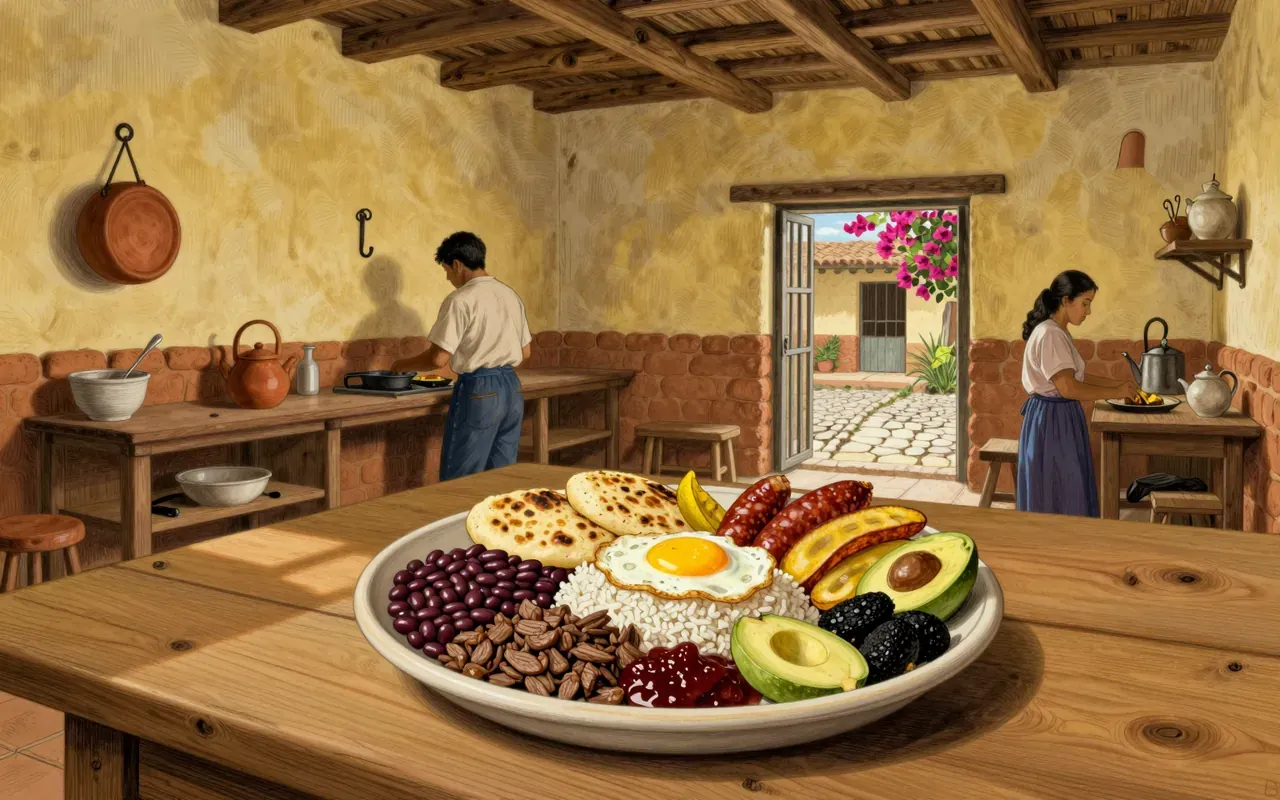
A large platter from Colombia’s Paisa region featuring red beans with pork, rice, ground meat, chicharrón, fried egg, ripe plantain, chorizo, arepa, hogao sauce, black pudding, avocado, and lemon.