What the thing is
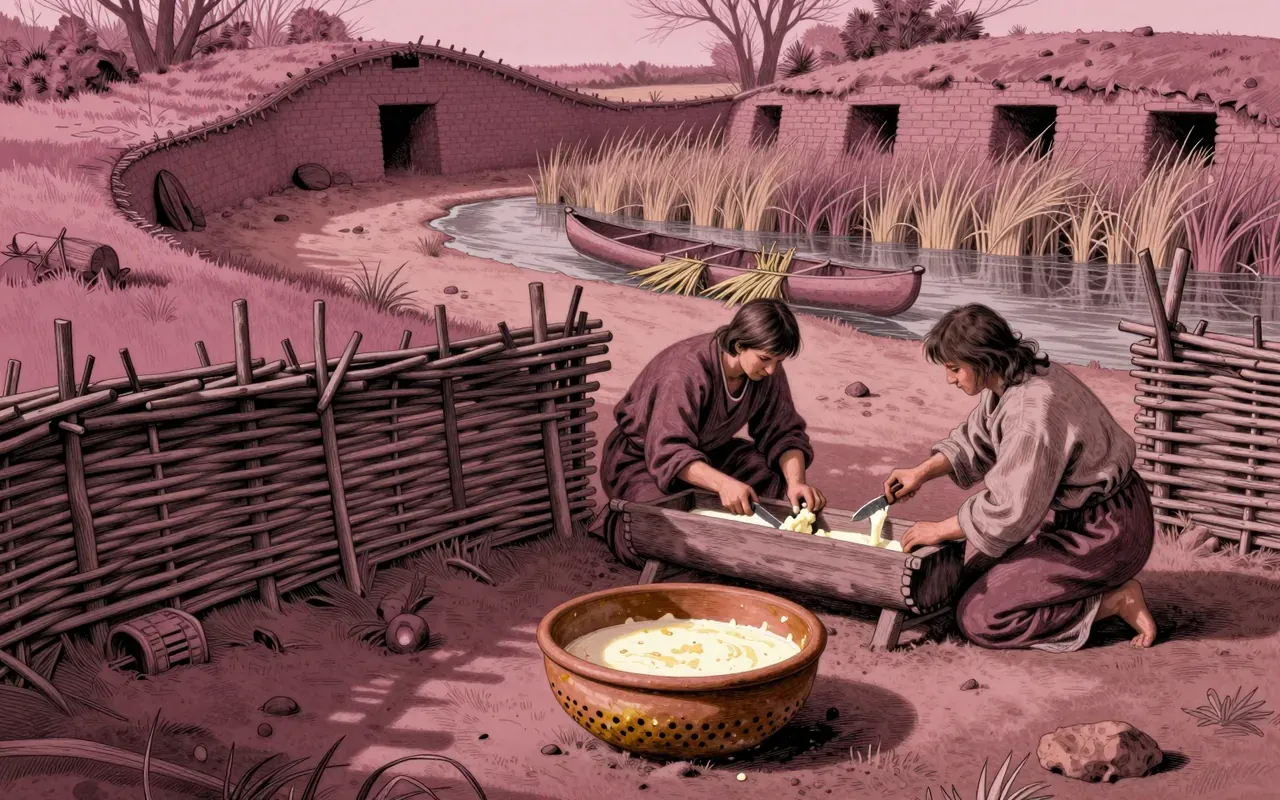
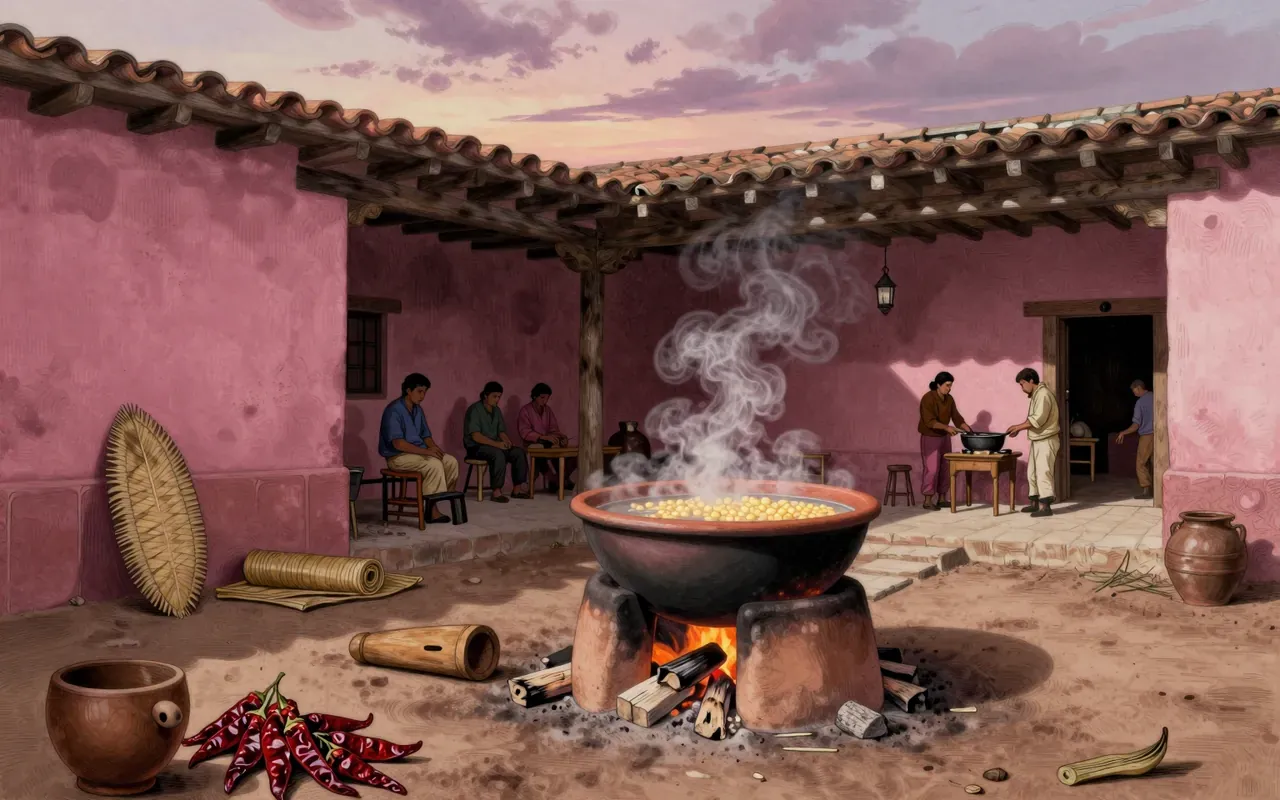
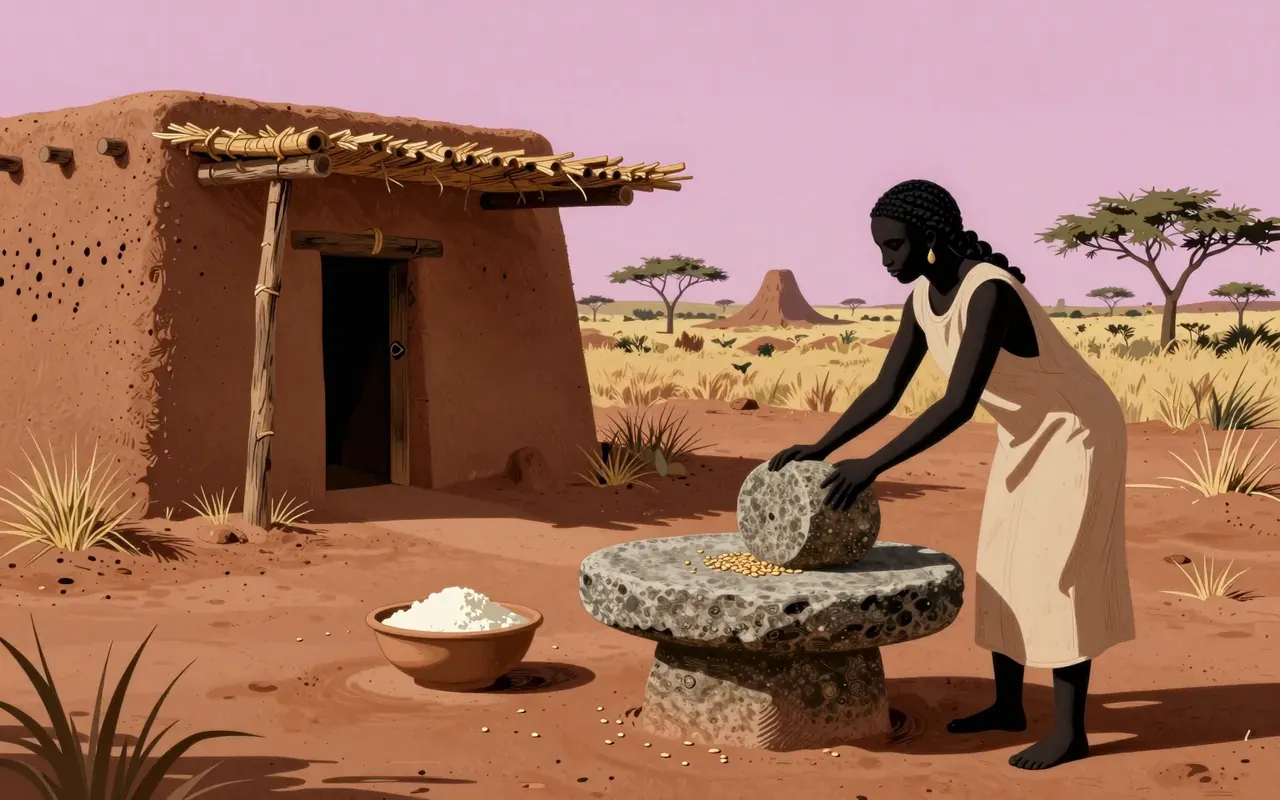
Beer is fermented cereal wort. Not a drink. A technology: starch → sugar → ethanol + CO₂, using grain, water, heat, time and yeast.
Water makes up 93% of beer’s weight, and the minerals dissolved in a region’s water decided what it could brew: Dublin’s hard water suits stout, the soft water of the Plzeň Region suits Pilsner, and the gypsum in the water at Burton in England benefits pale ale. Most modern beer is brewed with hops, which add bitterness and flavour and act as a natural preservative.
Where it came from
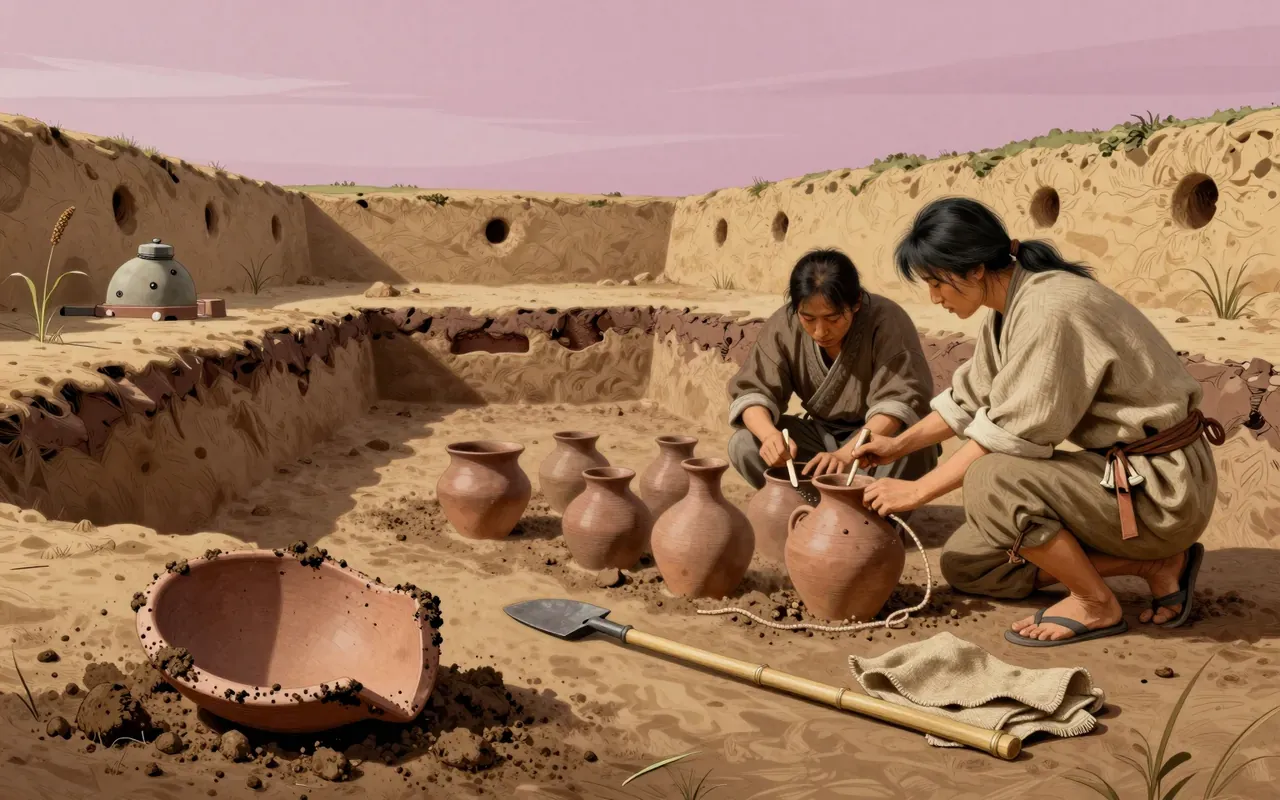
It emerged at least three times independently: with Natufians in Raqefet Cave (13,000 BP), at Göbekli Tepe (8500–5500 BC), and at Godin Tepe (3500–3100 BC). All pre-date bread, writing, cities and pottery.
The written record is early too. The Code of Hammurabi (1750 BC) included laws regulating beer, and the Sumerian “Hymn to Ninkasi” worked both as a prayer to the goddess of beer and as a way of remembering the recipe in a culture with few literate people. During the building of the Egyptian pyramids, each worker got a daily ration of four to five litres, which served as both nutrition and refreshment.
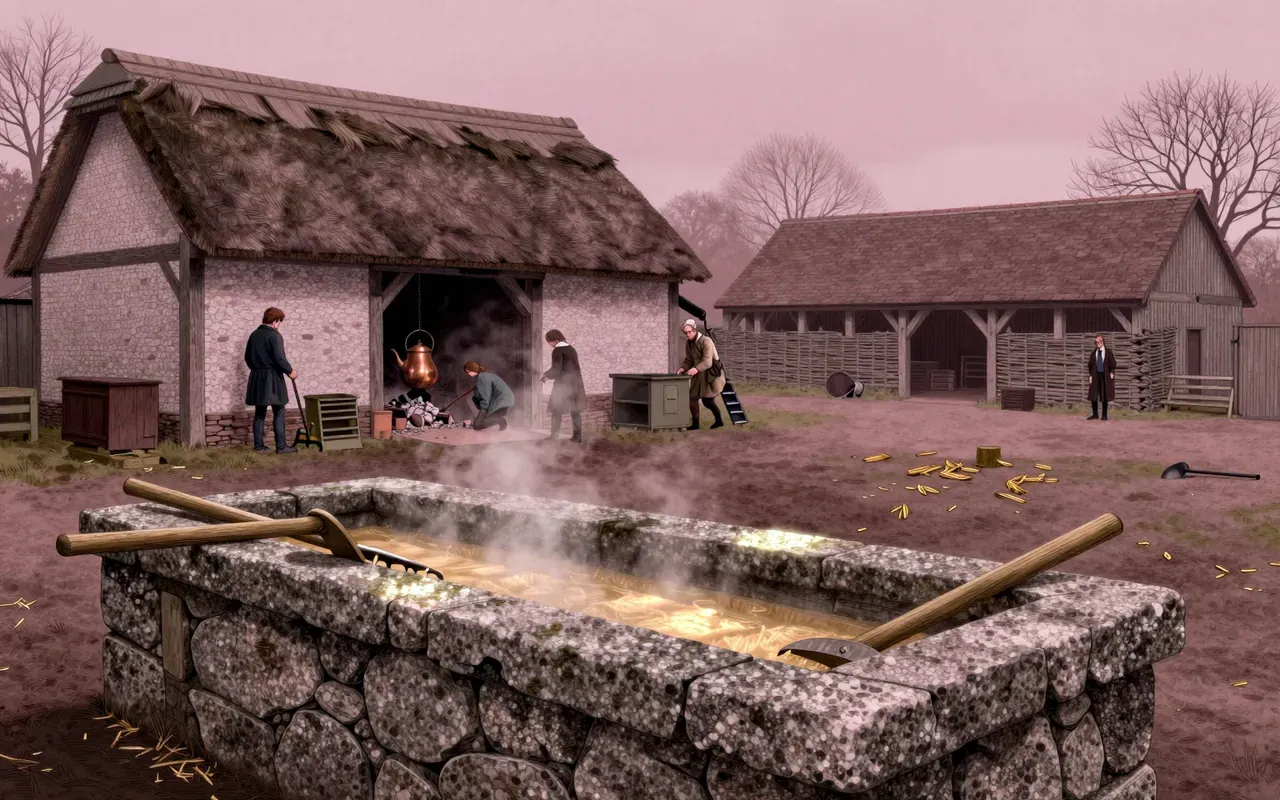
Hops came late. Early European beers were flavoured with a mixture called gruit, which could include fruits, honey, herbs and spices. The first mention of hops in beer is in monastery rules written in 822 AD, and widespread cultivation began in the thirteenth century. In 1516, William IV, Duke of Bavaria, adopted the Reinheitsgebot, which allowed only water, hops and barley-malt, perhaps the oldest food-quality regulation still in use.
What it gets right
It turns inedible starch into portable calories, social lubricant and preservable nutrition. It rewards patience, communal labour and controlled decay.
What it gets wrong
It pretends fermentation is about flavour first. It isn’t. Flavour was a side effect of preservation, storage and ritual utility.
Why it matters now
It reveals that large-scale cooperation predates agriculture—not the other way around. Feasting, not farming, may have built the first monuments.
The industrial scale is recent. Before the Industrial Revolution beer was mostly made and sold on a domestic scale, though European monasteries were also producing and selling it by the seventh century, and domestic production had ceased to be significant by the end of the nineteenth century. The same source also records the costs: alcohol is an IARC group 1 carcinogen, and a 2018 study suggested that sudden drops in barley production from drought and heat could in future make beer’s availability and price volatile.
Is it worth your time
Yes—if you care how human cooperation, ritual and surplus shaped civilisation. No—if you want a story about taste, brands or drinking culture.