Saved
Culture · Dishes

Cheese

Cheese is not food—it’s the first biotech platform.

Worth your time?4.5/5Yes.Cook the whole thing.What works, what does not, who it is for ↓
8:22in productionCh. 1 · How it’s made/ 8:22 · ceiling 15 min
4 chapters · 8:22Ceiling 15:00

The brief is written and checked. The video joins this page when it is cut.4 chapters · 1 min read · 8:22 planned

Read the brief

Cheese is a preservation technology, not a delicacy. It emerged in three separate archaeological contexts before 2000 BCE. Its method relies on microbial and enzymatic control of milk proteins. It works because it is modular—adaptable to local animals, climates, and containers. It matters because it proves food innovation preceded formal institutions—and because its logic still underpins modern fermentation industries.

Chapters & takeaways4
  1. 0:58
    How it’s made

    Cheese is defined by two biochemical steps: bacterial acidification, then enzymatic coagulation.

  2. 2:26
    Where it began

    Cheesemaking began before cities—in Neolithic Poland, coastal Croatia, and Pharaonic Egypt.

  3. 3:43
    The separation

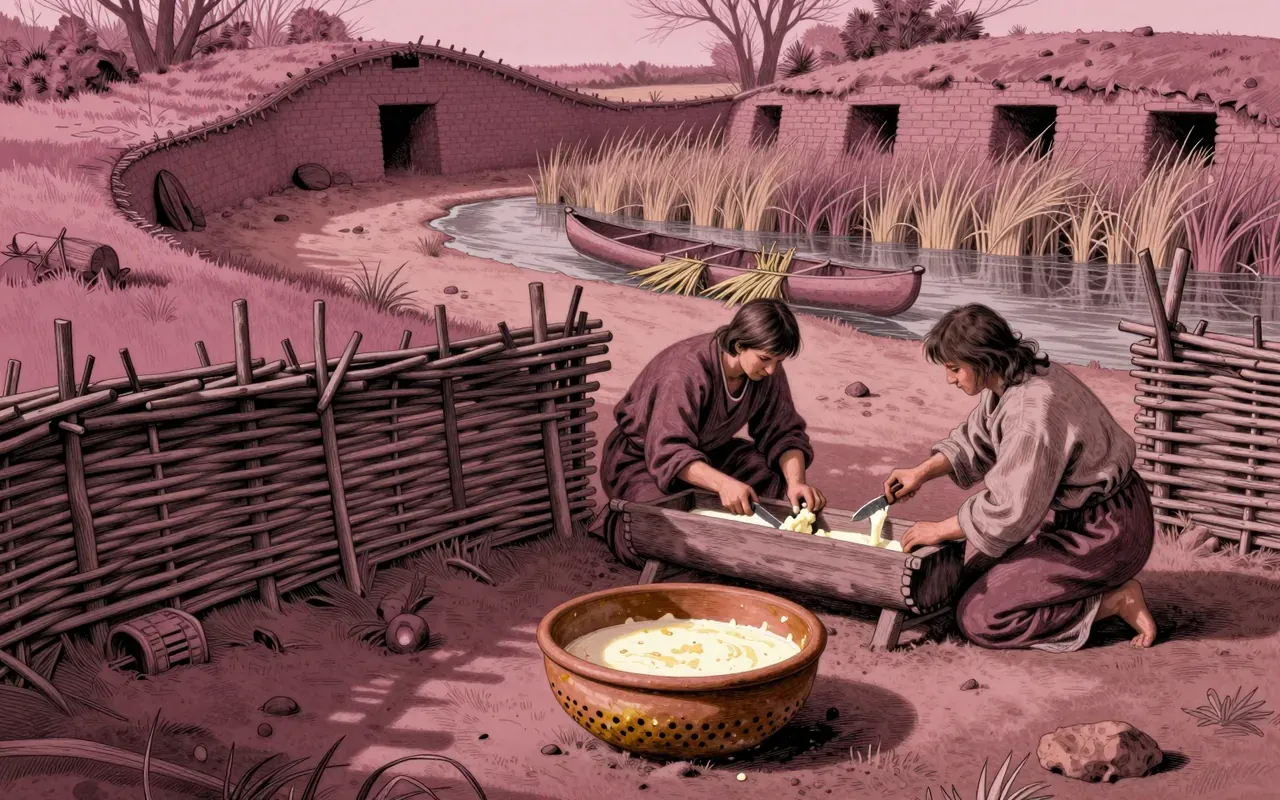
    Separating curds from whey is the irreversible act that makes cheese possible.

  4. 5:01
    The acid exception

    A few cheeses skip bacteria and rennet entirely—curdled only by vinegar or lemon juice.

1 more chapterFewer chapters
Worth your time?

Yes. Cook the whole thing.

4.5/ 5
What works
  • culture/food
  • culture/society
  • culture/ideas
What does not
  • culture/art
  • culture/arts
  • culture/cities
  • culture/fashion
Cook it if
  • archaeologists
  • food historians
  • microbiologists
Skip it if
  • gourmets
  • cooks seeking recipes
  • restaurant critics
Who should cook it, and who should skipHide who it is for
The written brief1 min read

What the thing is

Cheese is a preserved dairy product. It is made by separating milk’s solid curds from liquid whey after acidifying and coagulating the milk.

Where it came from

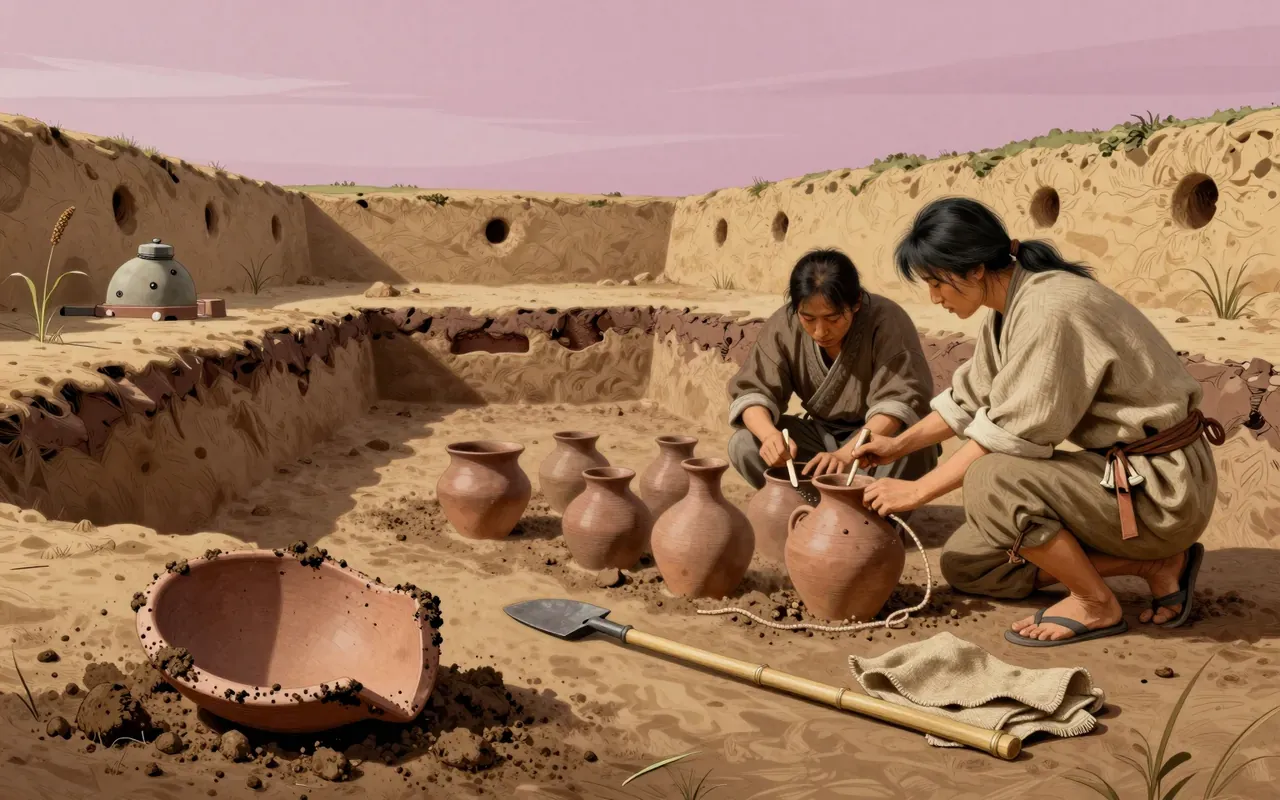
It emerged independently in at least three places: Kuyavia (Poland, 5500 BCE), Dalmatia (Croatia, 5200 BCE), and Egypt (c. 2000 BCE). Each site shows distinct material evidence—strainers, coastal residues, tomb murals.

What it gets right

It preserves milk beyond spoilage. It converts perishable lactose into stable fat and protein. It works with local microbes and milks. It scales from household strainers to industrial vats.

What it gets wrong

It assumes uniformity. Goat cheese behaves differently from buffalo cheese. Acid-curdled paneer bears little resemblance to rennet-set cheddar. The method is not one process but dozens of divergent adaptations.

Why it matters now

It reveals how food technology predates writing, cities, and states. It shows fermentation as a foundational human tool—not a trend, but a survival logic embedded in clay, stone, and mural.

Is it worth your time

Yes—if you care how food reshapes human settlement, digestion, and trade. It is not a luxury. It is infrastructure.
Same course · Culture4 of 156
9:55
MeadMead is fermentation’s first known form—not because it was ‘discovered’ in one place, but because honey + water + time works everywhere. Its longevity proves nothing about taste or status, but everything about human ingenuity with available sugars. It predates beer and wine archaeologically. It survives not through continuity, but through repeated reinvention—metheglin, melomel, hydromel—each name a functional adaptation, not a tradition.
10:00
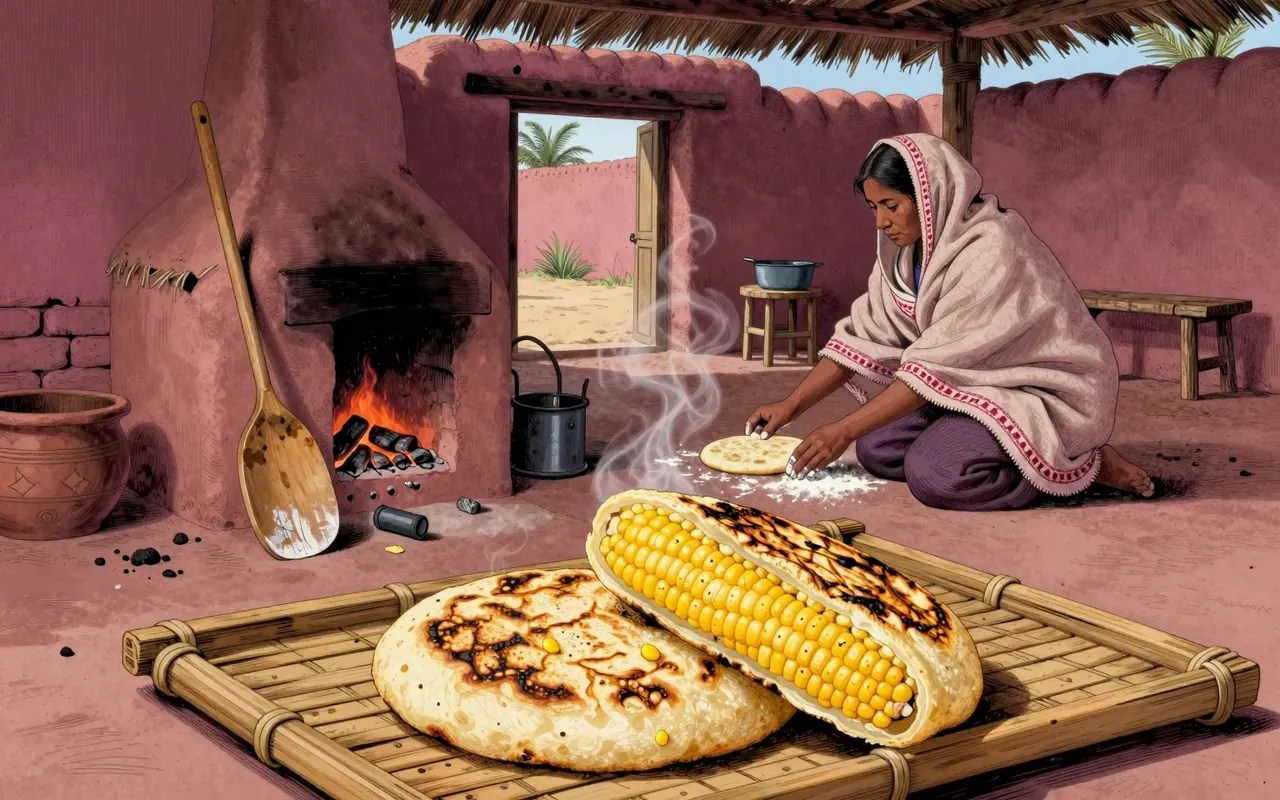
ArepaThe arepa is a pre-Columbian maize patty originating in Colombia, Panama, and Venezuela. It has remained materially and methodologically unchanged for 3,000 years. Its name derives from the Cumanagoto word for cornbread. Precooked flour—developed by Dr. Luis Caballero Mejías in the 1950s—enabled mass production without altering its core identity. It is neither a modern invention nor a national symbol first, but a living archaeological artefact.
8:10
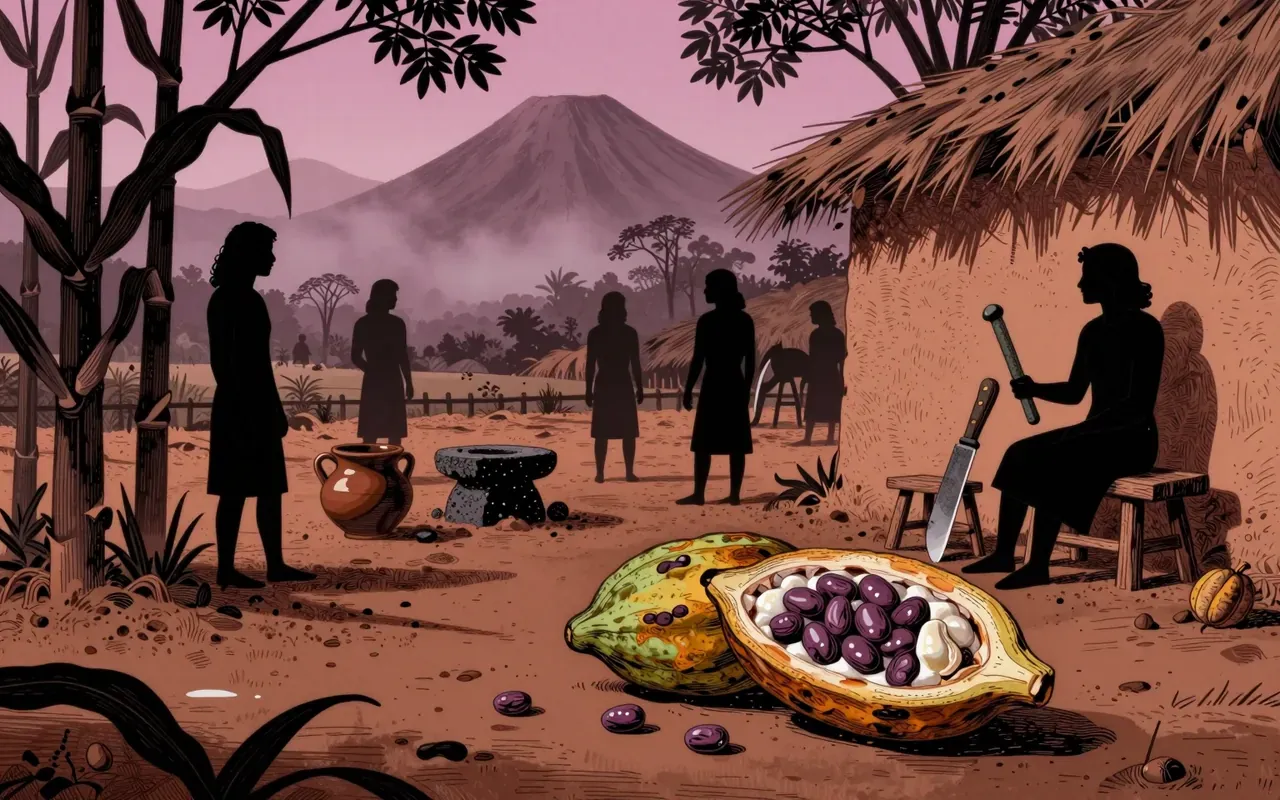
Chocolate1750 BCChocolate is a food made from roasted and ground cocoa beans—the processed seeds of the cacao tree. It originated in present-day southeast Ecuador, domesticated by the Mayo-Chinchipe culture around 5300 BP. Until the 19th century, it was consumed exclusively as a bitter, elite beverage. Van Houten’s 1828 hydraulic press enabled mass production of defatted cocoa powder and laid the foundation for solid chocolate. Today, most chocolate uses cocoa beans grown in West Africa—especially Ivory Coast and Ghana—which supply ~60% of the world’s cocoa.
10:15
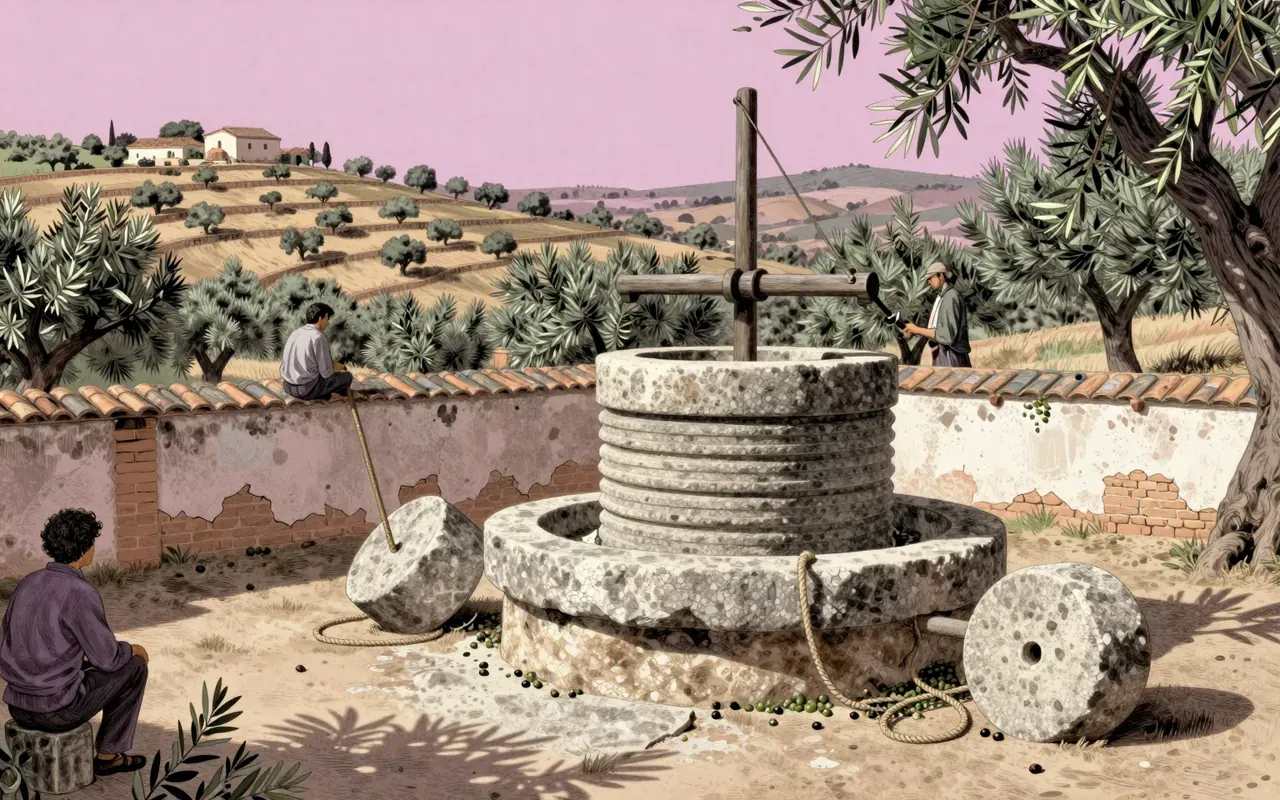
Olive oilOlive oil is the oldest continuously used food technology in the Mediterranean world. It is not a luxury additive but a structural element of cuisine, agriculture and trade — established before writing, sustained across empires, unchanged in method for ten thousand years.
Up next in Food

Chocolate

1750 BC · 8:10

Chocolate wasn’t invented for sweetness—it was weaponised for status, then industrialised for profit.

8:10