1:34in productionCh. 1 · What the dish is and where it came from/ 1:34 · ceiling 15 min
Dishes · Technique
Biryani
A layered, slow-cooked rice dish with meat, seafood, or vegetables and spices, rooted in Mughal-era India and Persian culinary tradition.
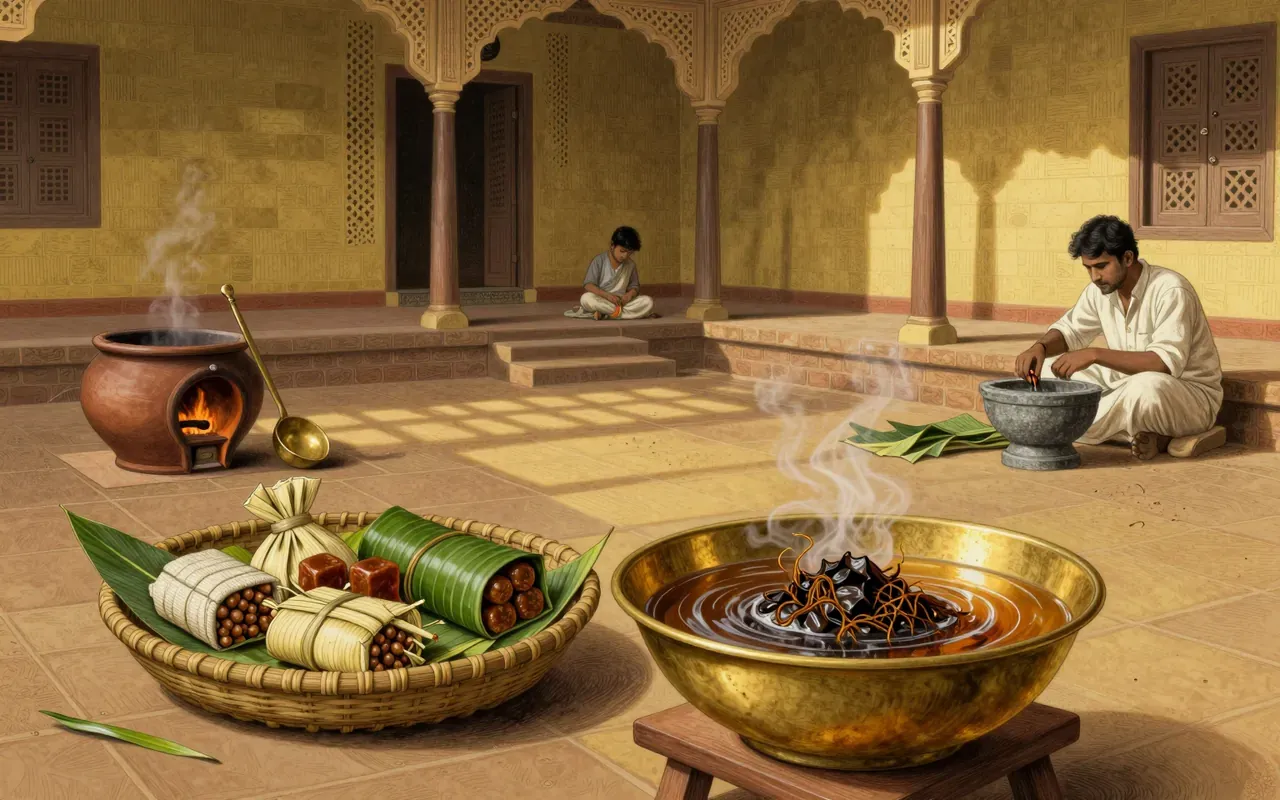
Biryani is a mixed rice dish traditionally made with rice, meat (chicken, goat, beef), seafood (prawns or fish), or vegetables, and spices. It was present in Mughal-era India, though whether it was created there is debated. It is thought to derive from a Persian rice dish, either pilau or birinj biryan, and likely developed in the Mughal court kitchens using slow-cooking, yoghurt-marinated meat, and spicy Indian techniques.
Biryani is a mixed rice dish traditionally made with rice, meat (chicken, goat, beef), seafood (prawns or fish), or vegetables, and spices.
0:27
How it works, in terms someone would actually use
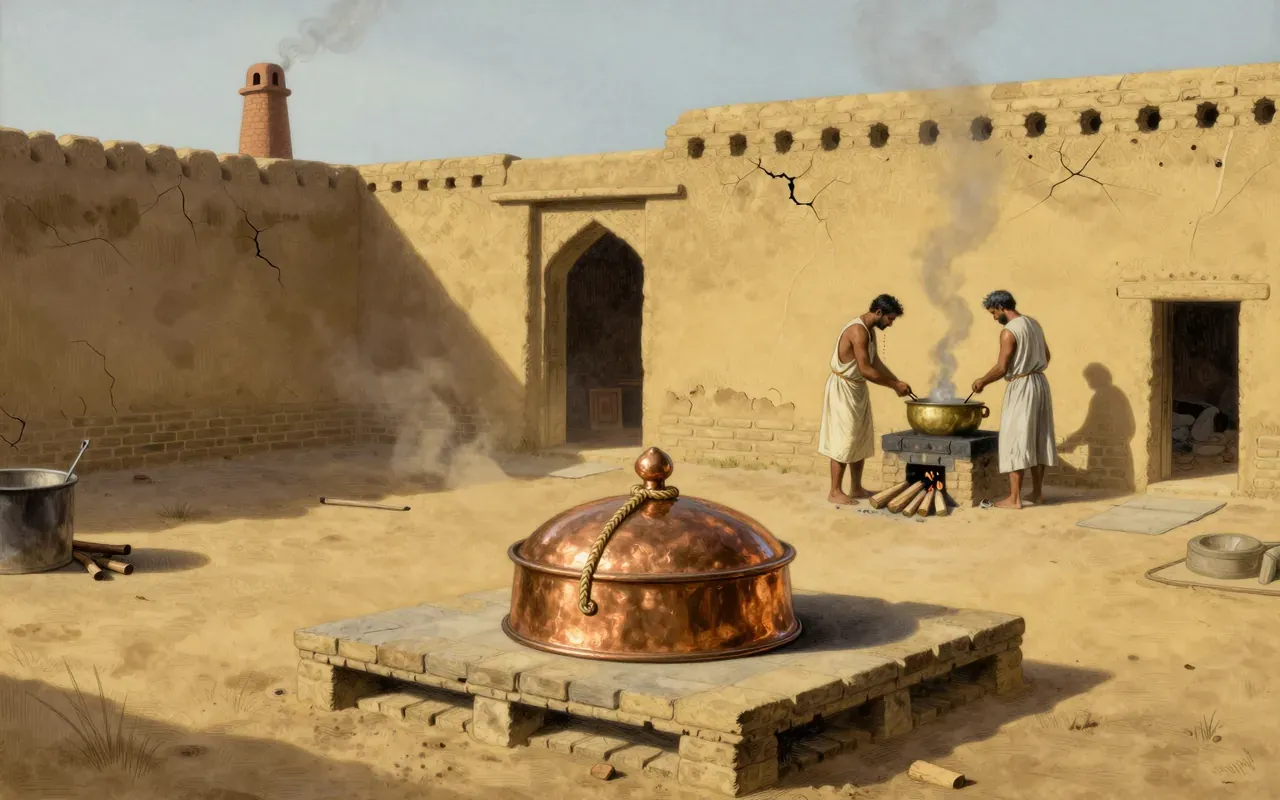
In a kacchi biryani, layers are arranged in a pot which is then sealed and cooked slowly (Dum cooking) for the food to steam in its own liquid.
0:38
What it gets right
It combines aromatic rice, protein or vegetables, and spices into one cohesive dish.
0:50
What it does not
It is not exclusively vegetarian: the inclusion of meat, seafood, or dairy-based marinades makes it less suitable for strict vegetarians or those avoiding animal products.
1:00
What it changed
The Ain-i-Akbari (1589–1596) lists biryani both as a rice dish and as a spiced mutton dish without rice, showing early conceptual flexibility.
1:13
Who it is for, and who it is not
It is for people who enjoy layered, spiced rice dishes with protein or vegetables.
1:28
Is it worth your time
Yes—it offers a complete, spiced, slow-cooked meal in one vessel, with adaptable proteins and vegetables.
Worth your time?
Selectively. Start with the brief, then cook the parts we point at.
What works
It combines aromatic rice, protein or vegetables, and spices into one cohesive dish. The Dum method concentrates flavor and tenderness, while the layered structure delivers varied textures in each bite.
What does not
It is not exclusively vegetarian: the inclusion of meat, seafood, or dairy-based marinades makes it less suitable for strict vegetarians or those avoiding animal products.
Cook it if
Skip it if
The written brief1 min read
What the dish is and where it came from
Biryani is a mixed rice dish traditionally made with rice, meat (chicken, goat, beef), seafood (prawns or fish), or vegetables, and spices. It was present in Mughal-era India, though whether it was created there is debated. It is thought to derive from a Persian rice dish, either pilau or birinj biryan, and likely developed in the Mughal court kitchens using slow-cooking, yoghurt-marinated meat, and spicy Indian techniques.
How it works, in terms someone would actually use
In a kacchi biryani, layers are arranged in a pot which is then sealed and cooked slowly (Dum cooking) for the food to steam in its own liquid.
What it gets right
It combines aromatic rice, protein or vegetables, and spices into one cohesive dish. The Dum method concentrates flavor and tenderness, while the layered structure delivers varied textures in each bite.
What it does not
It is not exclusively vegetarian: the inclusion of meat, seafood, or dairy-based marinades makes it less suitable for strict vegetarians or those avoiding animal products.
What it changed
The Ain-i-Akbari (1589–1596) lists biryani both as a rice dish and as a spiced mutton dish without rice, showing early conceptual flexibility. The earliest actual recipe appears later, from Bahadur Shah Zafar’s time.
Who it is for, and who it is not
It is for people who enjoy layered, spiced rice dishes with protein or vegetables. It is not for those seeking a quick-cook meal, a strictly vegetarian or vegan option without modification, or a dish without slow-cooked elements.
Is it worth your time
Yes—it offers a complete, spiced, slow-cooked meal in one vessel, with adaptable proteins and vegetables.