1:24in productionCh. 1 · What the dish is and where it came from/ 1:24 · ceiling 15 min
Dishes · Food history
Chicken tikka masala
A British-origin curry of roasted marinated chicken in a creamy spiced sauce.
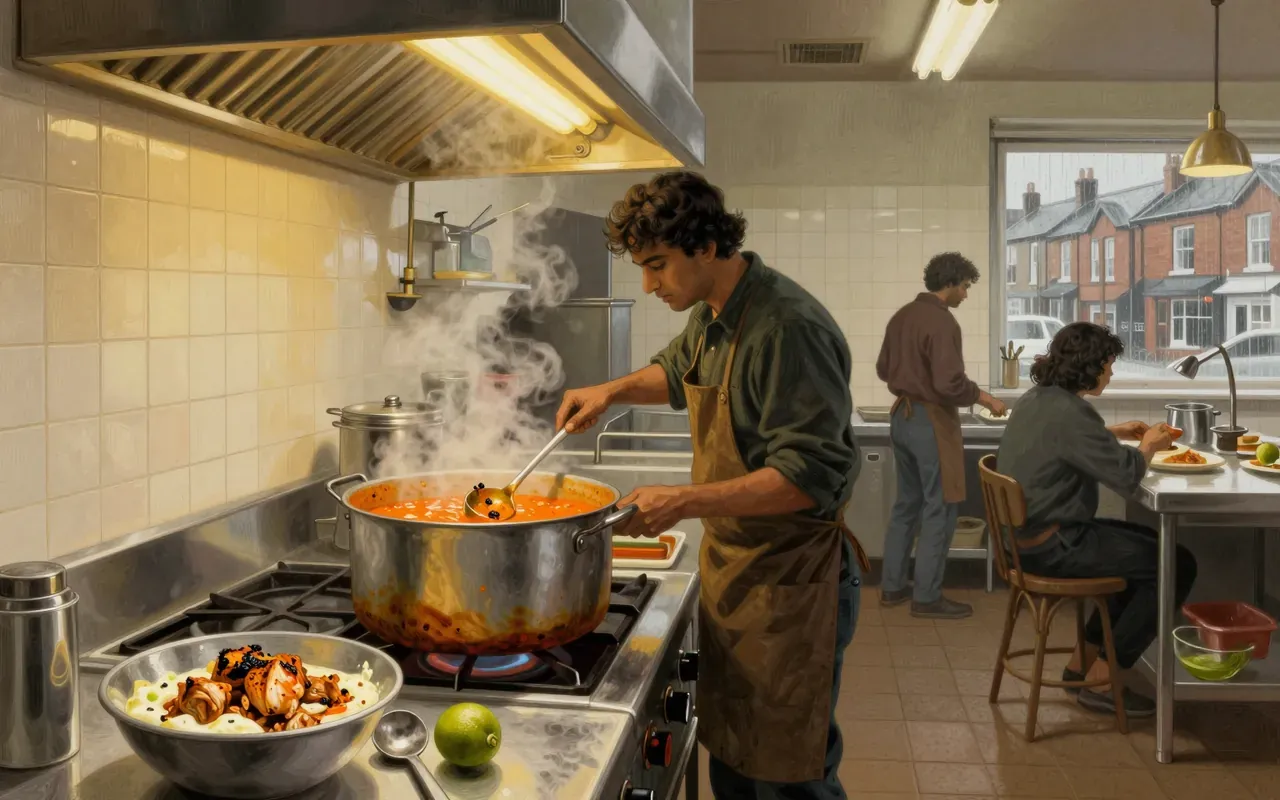
Chicken tikka masala is a curry of roasted marinated chicken pieces (chicken tikka) in a creamy spiced sauce (masala). It is thought to have been created in Britain, possibly by Ali Ahmed Aslam in Glasgow. The Multicultural Handbook of Food, Nutrition and Dietetics credits its creation to Bangladeshi migrant chefs in Britain in the 1960s, who ran most of Britain's Indian restaurants. Peter and Colleen Grove conclude it was most certainly invented in Britain, probably by a Bangladeshi chef.
Chicken tikka masala is a curry of roasted marinated chicken pieces (chicken tikka) in a creamy spiced sauce (masala).
0:32
How it works, in terms someone would actually use
It uses boneless chunks of chicken marinated in spices and yoghurt, roasted in an oven, then served in a creamy sauce.
0:46
What it gets right
It combines roasted marinated chicken with a creamy spiced sauce, offering texture contrast and layered seasoning from yoghurt, spices, and sauce.
0:54
What it does not
The meat-based format makes it less suitable if you seek a vegetarian or plant-forward main course.
1:00
What it changed
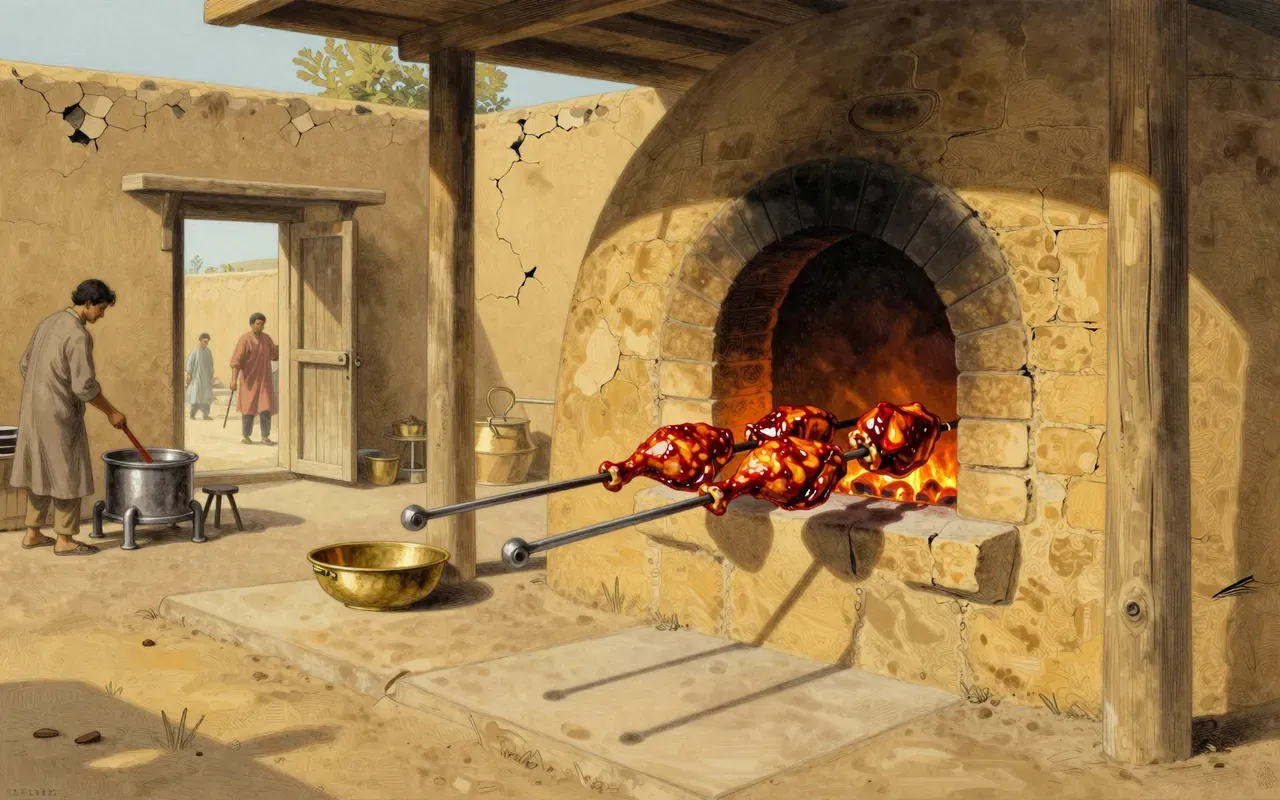
Chicken tikka—marinated in yoghurt and spices, grilled in a tandoor—predates the masala version by centuries, originating in the reign of Mughal Emperor Babur.
1:09
Who it is for, and who it is not
It is for people who choose chicken-based curries.
1:17
Is it worth your time
It is worth your time if you want a chicken curry with roasted pieces and a creamy sauce.
Worth your time?
Selectively. Start with the brief, then cook the parts we point at.
What works
It combines roasted marinated chicken with a creamy spiced sauce, offering texture contrast and layered seasoning from yoghurt, spices, and sauce.
What does not
The meat-based format makes it less suitable if you seek a vegetarian or plant-forward main course.
Cook it if
Skip it if
The written brief1 min read
What the dish is and where it came from
Chicken tikka masala is a curry of roasted marinated chicken pieces (chicken tikka) in a creamy spiced sauce (masala). It is thought to have been created in Britain, possibly by Ali Ahmed Aslam in Glasgow. The Multicultural Handbook of Food, Nutrition and Dietetics credits its creation to Bangladeshi migrant chefs in Britain in the 1960s, who ran most of Britain’s Indian restaurants. Peter and Colleen Grove conclude it was most certainly invented in Britain, probably by a Bangladeshi chef.
How it works, in terms someone would actually use
It uses boneless chunks of chicken marinated in spices and yoghurt, roasted in an oven, then served in a creamy sauce. A 1998 survey found chicken was the only common ingredient across 48 recipes.
What it gets right
It combines roasted marinated chicken with a creamy spiced sauce, offering texture contrast and layered seasoning from yoghurt, spices, and sauce.
What it does not
The meat-based format makes it less suitable if you seek a vegetarian or plant-forward main course.
What it changed
Chicken tikka—marinated in yoghurt and spices, grilled in a tandoor—predates the masala version by centuries, originating in the reign of Mughal Emperor Babur.
Who it is for, and who it is not
It is for people who choose chicken-based curries. It is not defined as suitable for vegetarians or for those avoiding poultry.
Is it worth your time
It is worth your time if you want a chicken curry with roasted pieces and a creamy sauce.