What the thing is
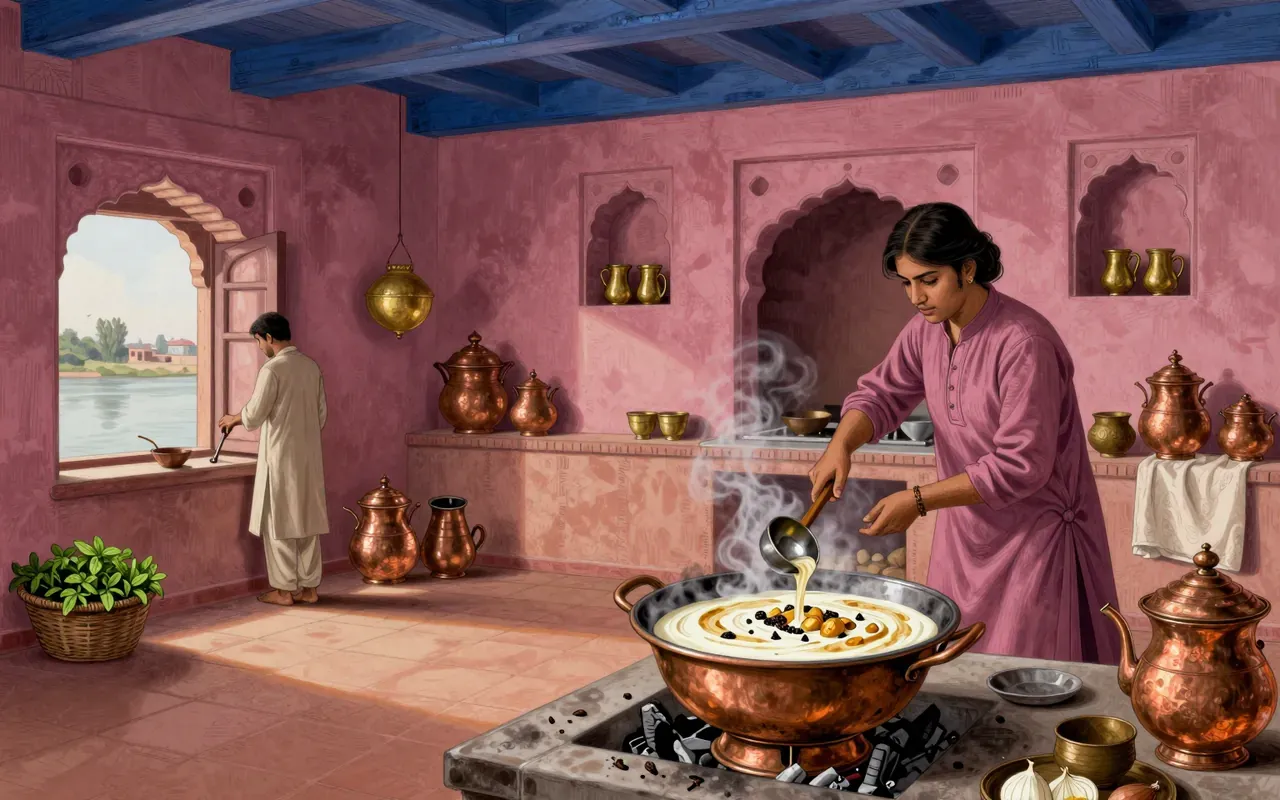
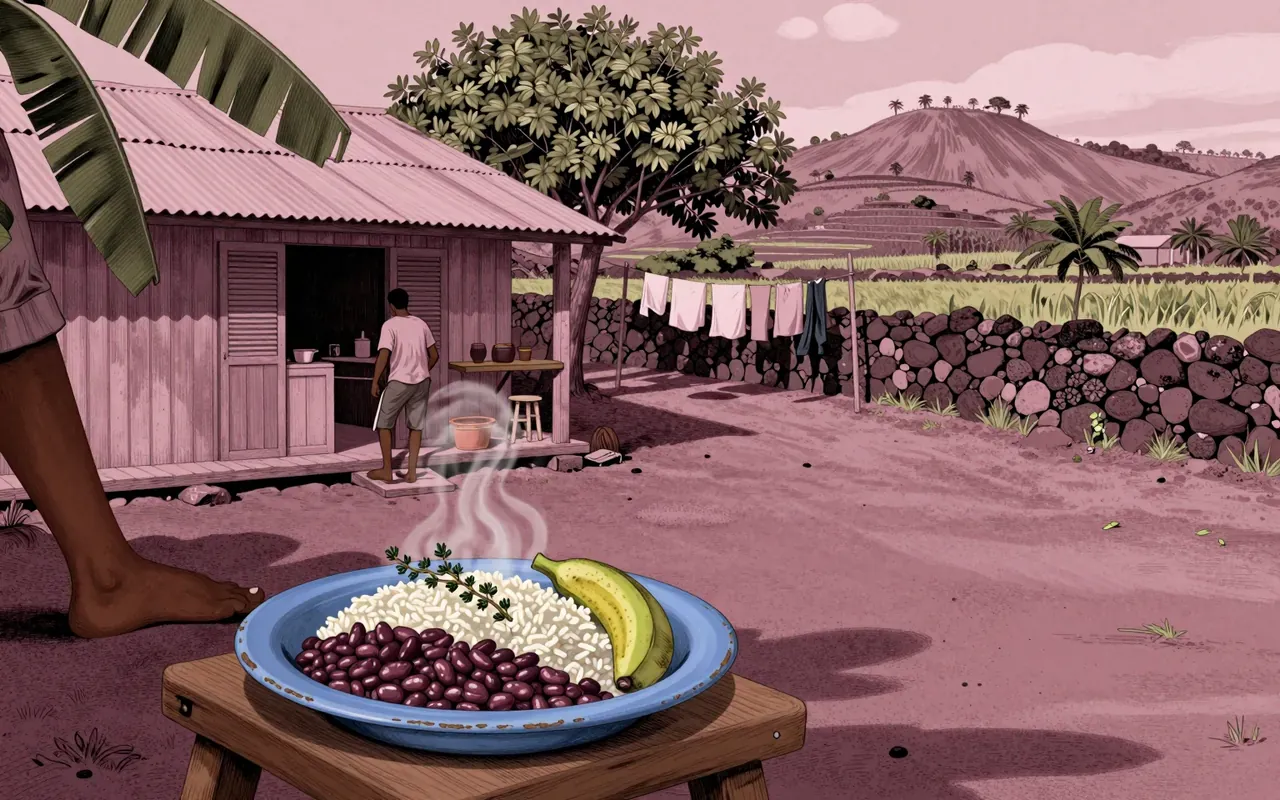
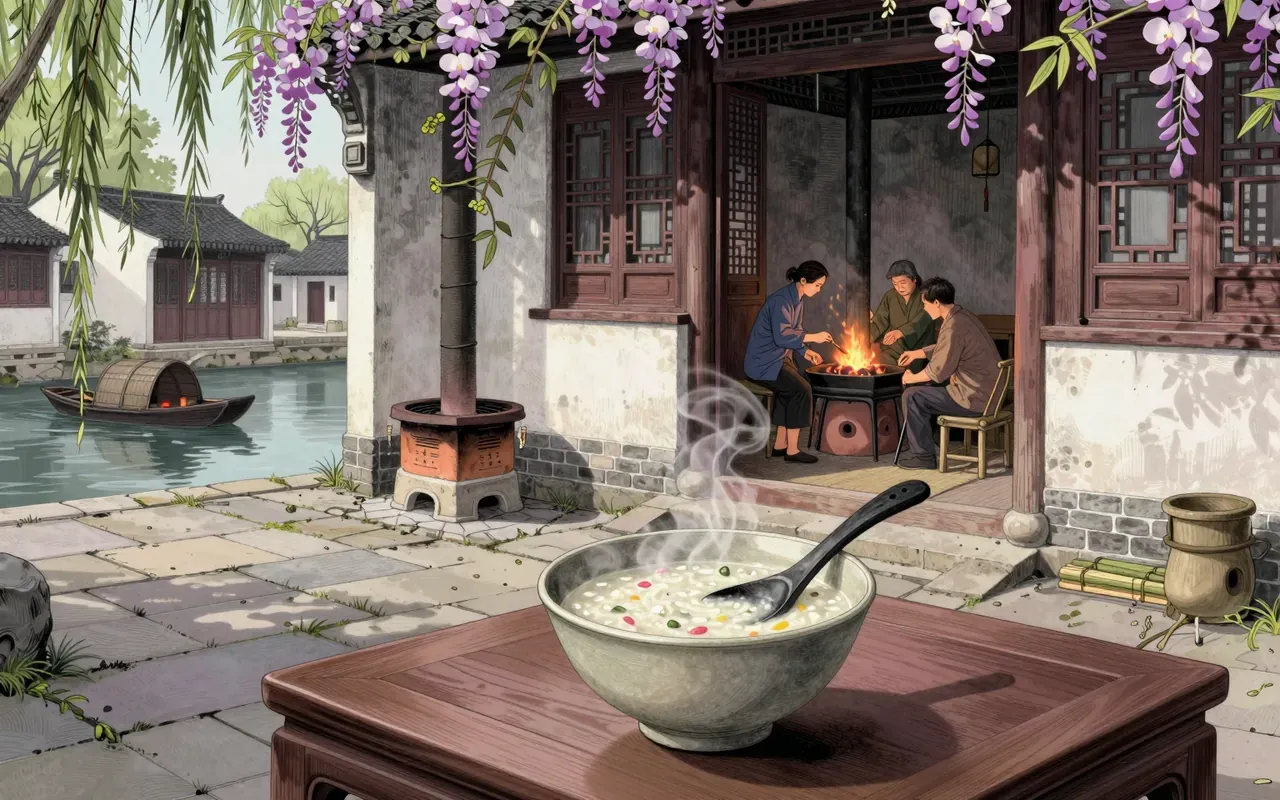
Congee is a savoury rice porridge made by boiling rice in abundant water until softened. Its thickness varies by rice–water ratio. It is served with side dishes or topped with meat, fish, or pickled vegetables.
Where it came from
Congee originates in South Asia. The English name derives from the Tamil word ‘kañci’. The Portuguese adopted it as ‘canje’, first documented in 1563.
What it gets right
Congee gets right the balance between simplicity and adaptability. It delivers nutrition with minimal ingredients. It meets physiological needs: mildness for illness, portability for crisis, flexibility for daily meals.
What it gets wrong
Nothing is wrong with congee itself—but its modern framing as a ‘comfort food’ or ‘wellness trend’ erases its historical role as famine fare. That flattening misrepresents its primary function in many contexts.
Why it matters now
It matters now because congee reveals how a single preparation method travels across empires, survives famine, and persists in kitchens—not as nostalgia, but as functional knowledge encoded in grain and water.
Is it worth your time
Yes—if you care about how food encodes resilience, scarcity, and care across centuries and continents.