Saved
Dishes · Culture

Moambe chicken

Palm butter—not tomato or peanut—makes this the definitive Central African stew.

Worth your time?4.5/5Yes.Cook the whole thing.What works, what does not, who it is for ↓
10:18in productionCh. 1 · National status/ 10:18 · ceiling 15 min
4 chapters · 10:18Ceiling 15:00

The brief is written and checked. The video joins this page when it is cut.4 chapters · 1 min read · 10:18 planned

Read the brief

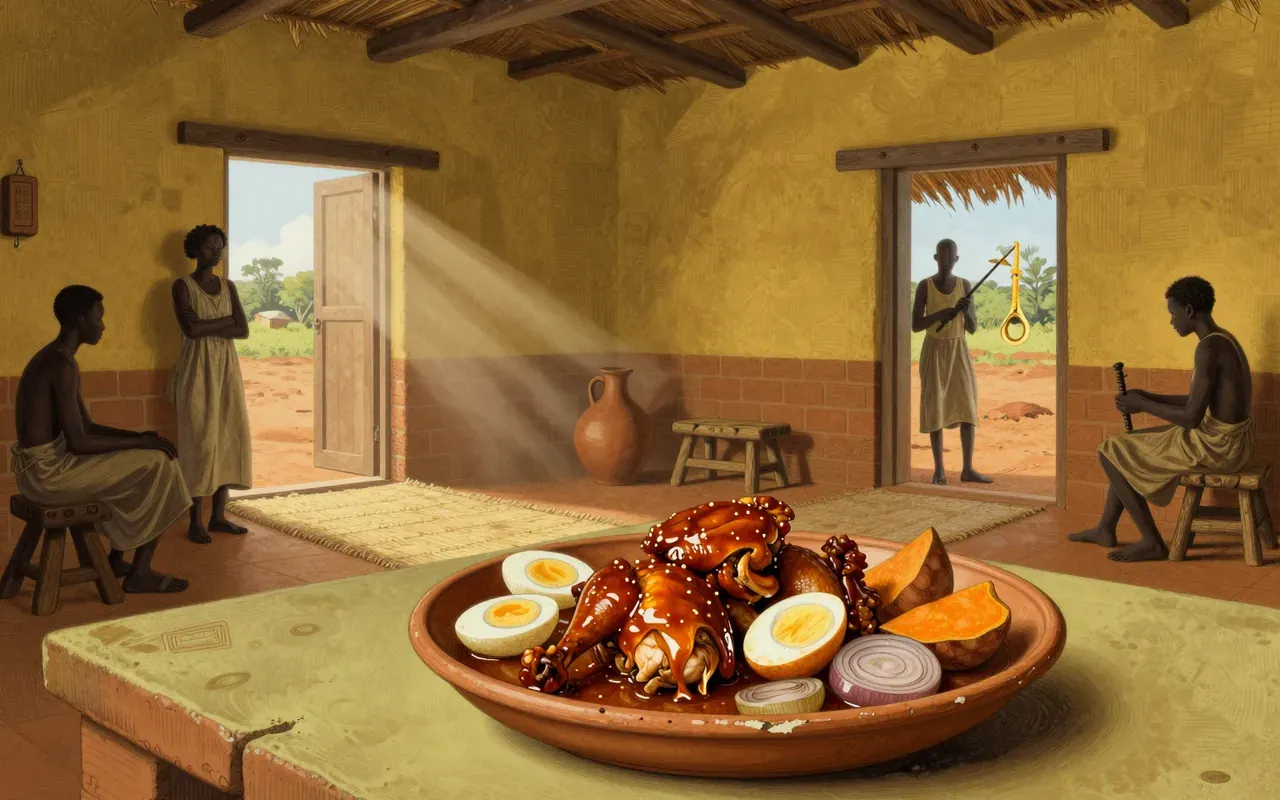
Moambe chicken is a Central African stew made by cooking chicken in palm butter and spinach, seasoned with peri-peri or red pepper. It is considered the national dish of Angola, the Republic of the Congo and the Democratic Republic of the Congo. It is served with sweet potatoes, brown onions, hard-boiled eggs, palm nut sauce, rice or manioc paste. A peanut butter version called muamba nsusu exists in the Republic of the Congo.

Chapters & takeaways4
  1. 0:58
    National status

    It is the national dish of Angola, the Republic of the Congo and the Democratic Republic of the Congo.

  2. 2:44
    How it's built

    Chicken cooks in palm butter and spinach, then gets spiced with peri-peri or red pepper.

  3. 4:03
    What it's served with

    It is served with sweet potatoes, brown onions, hard-boiled eggs, palm nut sauce, rice or manioc paste.

  4. 5:44
    Regional variation

    A peanut butter version called muamba nsusu exists in the Republic of the Congo.

1 more chapterFewer chapters
Worth your time?

Yes. Cook the whole thing.

4.5/ 5
What works
  • It locks in chicken’s moisture while building layered savouriness from palm butter’s fermented depth and spinach’s vegetal weight.
  • The peri-peri or red pepper cuts through richness without dominating.
What does not
  • It does not rely on tomatoes, onions as base aromatics, or slow-braised meat.
  • It does not use dairy, citrus or herbs like coriander or parsley.
Cook it if
  • It is for cooks who seek bold, regional stews anchored by a single, distinctive fat.
  • It is not for those avoiding palm products, seeking light or brothy preparations, or unwilling to source palm butter.
Skip it if
  • It is not for those avoiding palm products, seeking light or brothy preparations, or unwilling to source palm butter.
Who should cook it, and who should skipHide who it is for
The written brief1 min read

What the dish is and where it came from

Moambe chicken is a stew-like dish from Central Africa made by cooking chicken in palm butter and spinach, seasoned with peri-peri or red pepper. It is considered the national dish of Angola, the Republic of the Congo and the Democratic Republic of the Congo.

How it works, in terms someone would actually use

Chicken simmers in palm butter and spinach until tender. Spices like peri-peri or red pepper are added late. The sauce thickens into a stew-like consistency without flour or roux. It is served with sweet potatoes, brown onions, hard-boiled eggs, palm nut sauce, rice or manioc paste.

What it gets right

It locks in chicken’s moisture while building layered savouriness from palm butter’s fermented depth and spinach’s vegetal weight. The peri-peri or red pepper cuts through richness without dominating.

What it does not

It does not rely on tomatoes, onions as base aromatics, or slow-braised meat. It does not use dairy, citrus or herbs like coriander or parsley.

What it changed

It established palm butter—not tomato, peanut or coconut—as the foundational fat for national stews across three Central African countries.

Who it is for, and who it is not

It is for cooks who seek bold, regional stews anchored by a single, distinctive fat. It is not for those avoiding palm products, seeking light or brothy preparations, or unwilling to source palm butter.

Is it worth your time

Yes—if you want a rich, savoury Central African stew built on palm butter’s deep umami and spinach’s earthy bite. It demands palm butter, not substitute oils, and rewards attention to spice timing.
Same course · Dishes4 of 496
1:03
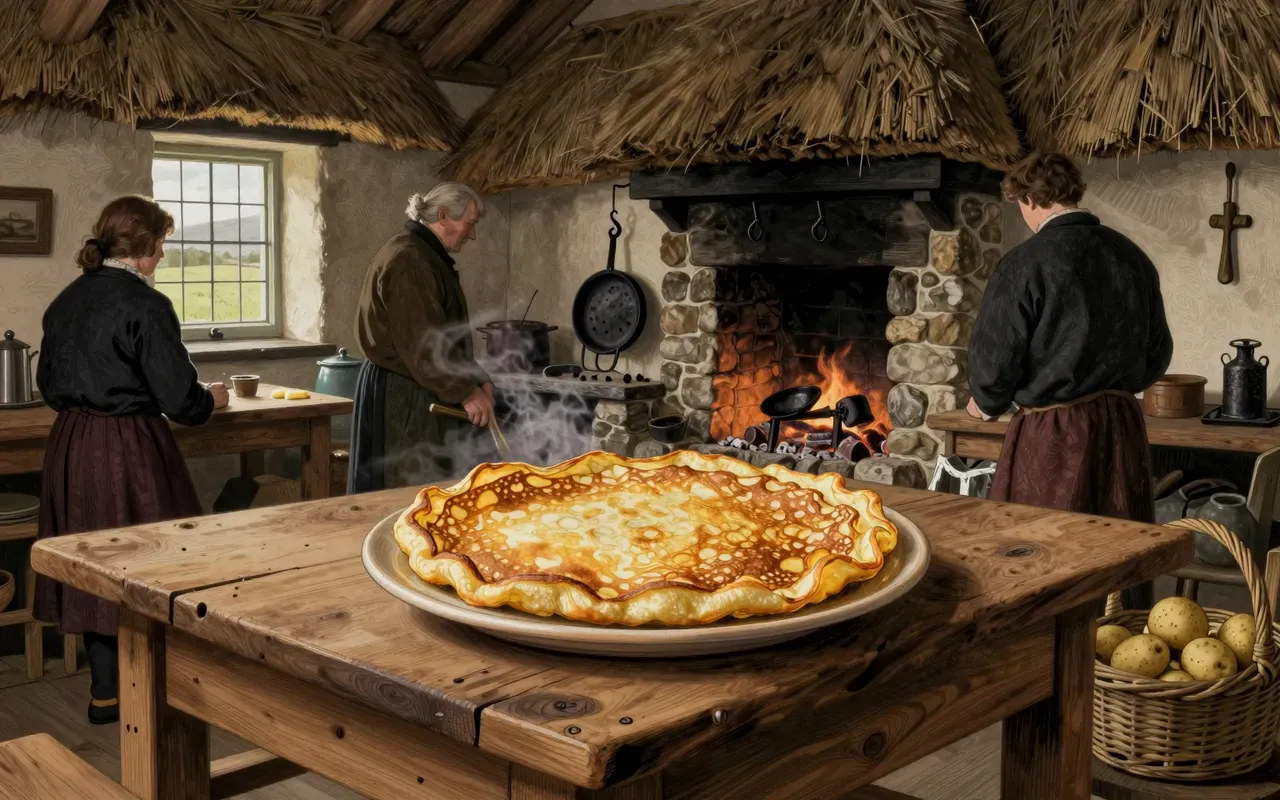
BoxtyBoxty is a traditional Irish potato pancake. It is mostly associated with the north midlands, north Connacht, and southern Ulster—especially Leitrim, Mayo, Sligo, Fermanagh, Longford, and Cavan.
1:11
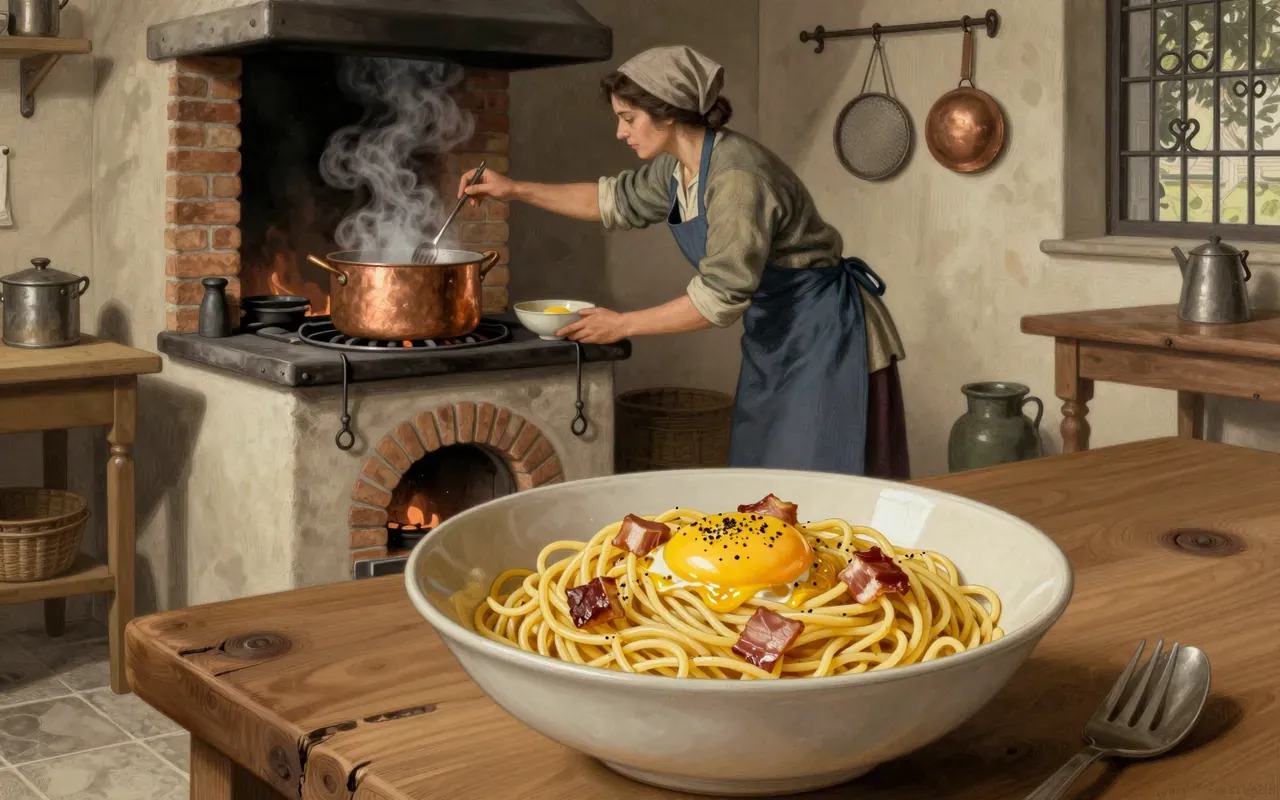
CarbonaraCarbonara is a pasta dish from the Lazio region of Italy. It consists of cured pork, hard cheese, eggs, salt, and black pepper. Its modern form and name emerged in mid-20th-century Rome, after the Allied liberation in 1944. The first attested recipe appeared in a 1952 Chicago cookbook. Interviews and archival research link it to a 'spaghetti breakfast' requested by Allied personnel in Italian cook shops.
8:36
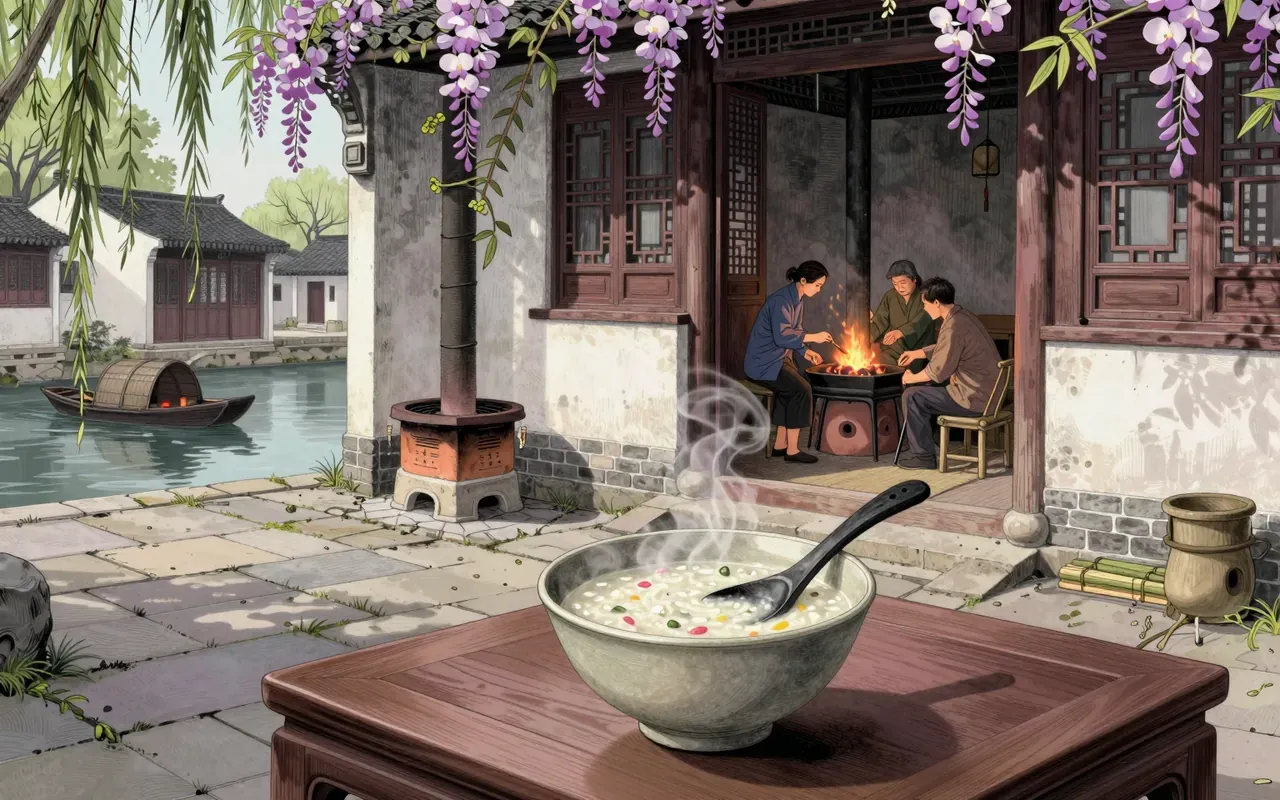
CongeeCongee is a rice porridge defined by its method—boiling rice in excess water—and its context: sustenance in scarcity, care in illness, flexibility in daily life. Its name traces from Tamil to Portuguese in 1563. It is never neutral: always served with accompaniments, always tied to need. Modern wellness narratives obscure its history as famine food. Its endurance lies not in taste, but in utility.
9:23
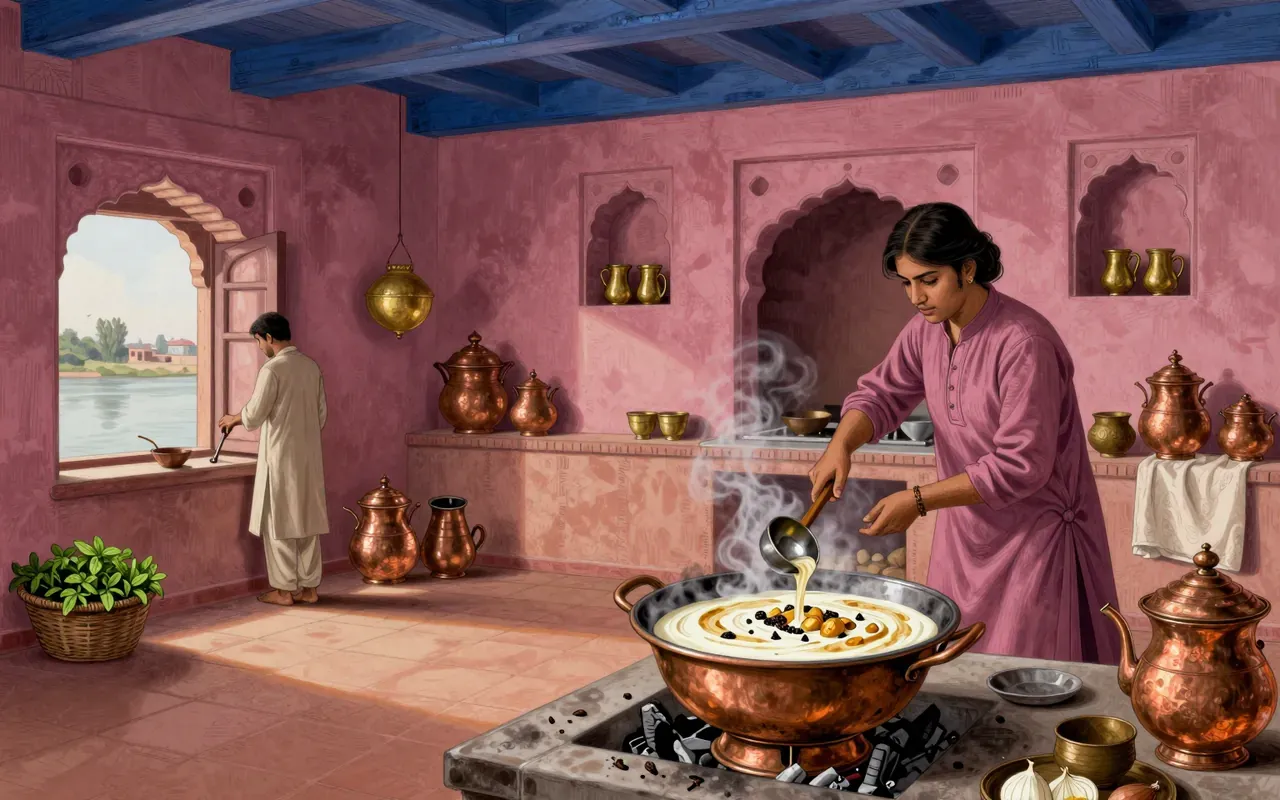
KormaKorma is a braised curry rooted in Mughlai court cuisine, defined by yoghurt, slow heat, and aromatic depth—not mildness. Its English name comes directly from the Hindi-Urdu word for 'braising'. First recorded under Shah Alam (1643–1712), it evolved through Persian stew enrichment in the 18th century and appeared as a pilau variant in Hyderabad in 1832. Today it is misread as a generic 'safe' curry, obscuring its technical precision and imperial lineage.
Up next in Food

Chilaquiles

· 9:00

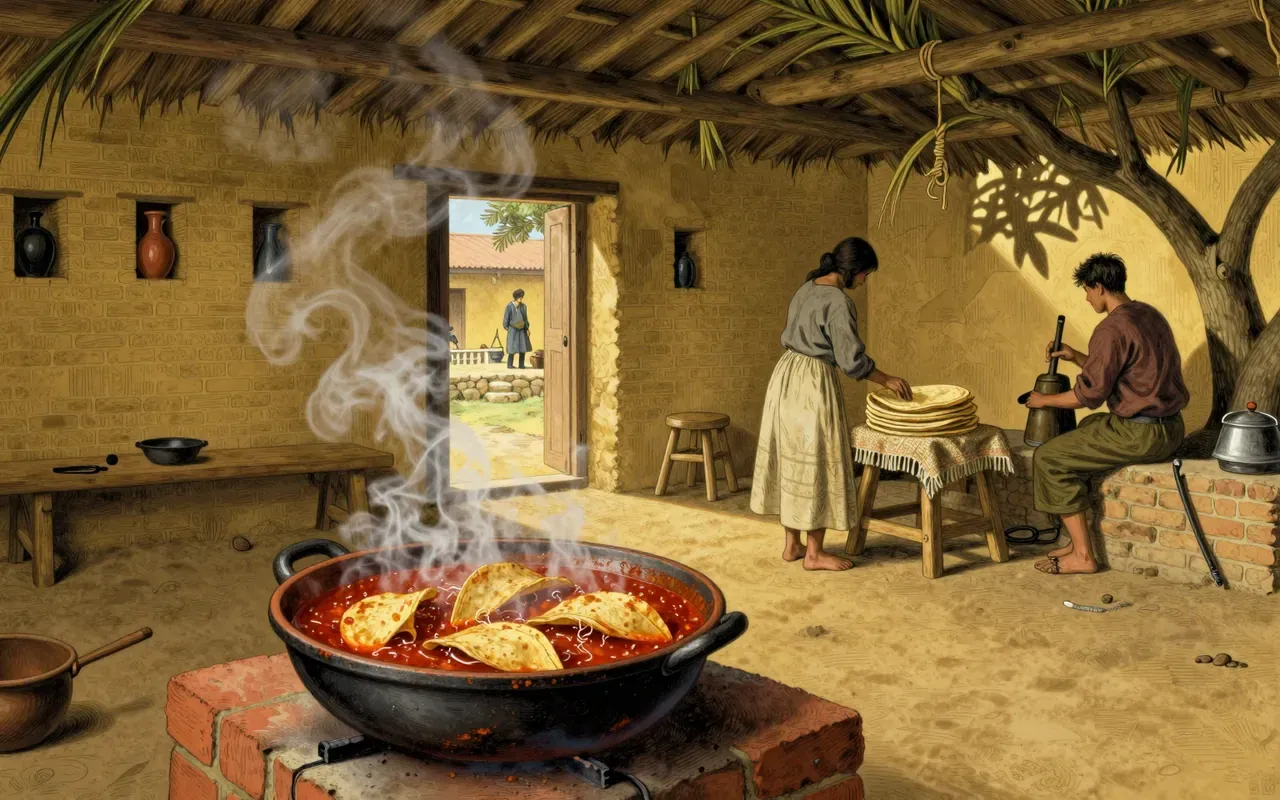
Chilaquiles are not a breakfast — they’re a salvage operation with salsa.

9:00