foodbriefs
0:53in productionCh. 1 · What the dish is and where it came from/ 0:53 · ceiling 15 min
Dishes · Culture

Dango

A Japanese rice-flour dumpling, typically round and skewered, served sweet.

Dango is a Japanese dumpling made with both regular rice flour and glutinous rice flour.

Chapters & takeaways7
  1. 0:00
    What the dish is and where it came from

    Dango is a Japanese dumpling made with both regular rice flour and glutinous rice flour.

  2. 0:06
    How it works, in terms someone would actually use

    Dango pieces are shaped into rounds and served three to five per skewer, known as kushi-dango.

  3. 0:12
    What it gets right

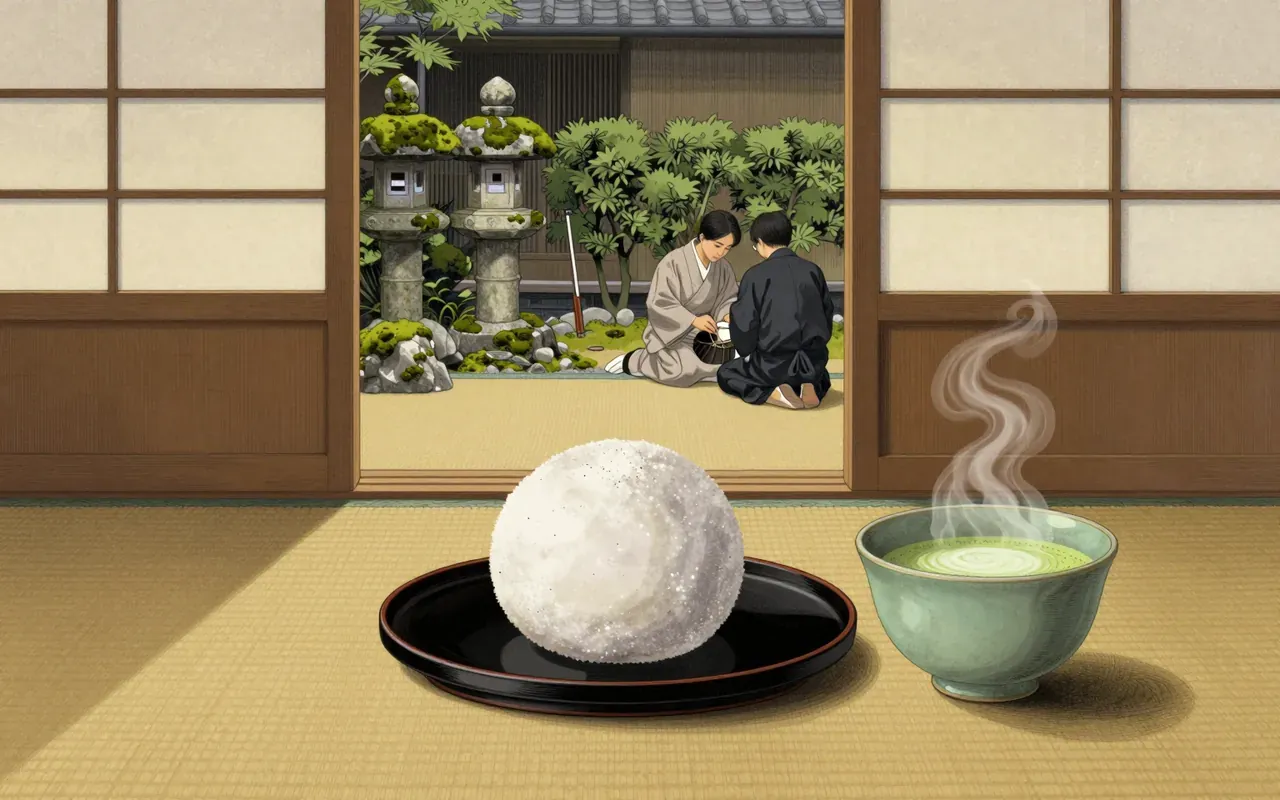
    It pairs with sweet accompaniments like sugar, syrup, or red bean paste, and fits naturally with green tea as part of wagashi.

  4. 0:21
    What it does not

    Unlike mochi—which uses only glutinous rice—dango includes regular rice flour, giving it a distinct texture.

  5. 0:27
    What it changed

    Different dango varieties are tied to seasons, though the dish itself is eaten year-round.

  6. 0:33
    Who it is for, and who it is not

    It is for people seeking a sweet, rice-based wagashi.

  7. 0:43
    Is it worth your time

    If you enjoy simple, skewered sweets with mild rice flavor and flexible toppings, dango fits.

Worth your time?

Selectively. Start with the brief, then cook the parts we point at.

What works
  • It pairs with sweet accompaniments like sugar, syrup, or red bean paste, and fits naturally with green tea as part of wagashi.
What does not
  • Unlike mochi—which uses only glutinous rice—dango includes regular rice flour, giving it a distinct texture.
Cook it if
    Skip it if
      The written brief1 min read

      What the dish is and where it came from

      Dango is a Japanese dumpling made with both regular rice flour and glutinous rice flour.

      How it works, in terms someone would actually use

      Dango pieces are shaped into rounds and served three to five per skewer, known as kushi-dango.

      What it gets right

      It pairs with sweet accompaniments like sugar, syrup, or red bean paste, and fits naturally with green tea as part of wagashi.

      What it does not

      Unlike mochi—which uses only glutinous rice—dango includes regular rice flour, giving it a distinct texture.

      What it changed

      Different dango varieties are tied to seasons, though the dish itself is eaten year-round.

      Who it is for, and who it is not

      It is for people seeking a sweet, rice-based wagashi. It is not for those avoiding added sweeteners or preferring single-ingredient rice confections like plain mochi.

      Is it worth your time

      If you enjoy simple, skewered sweets with mild rice flavor and flexible toppings, dango fits. If you prefer savory dumplings or grain-free options, it does not.
      Same course · Dishes4 of 327
      Up next in Food

      Detroit-style pizza

      · 1:09

      A rectangular pan pizza with thick, crisp-chewy crust, caramelized cheese edges, and cooked tomato sauce.

      1:09