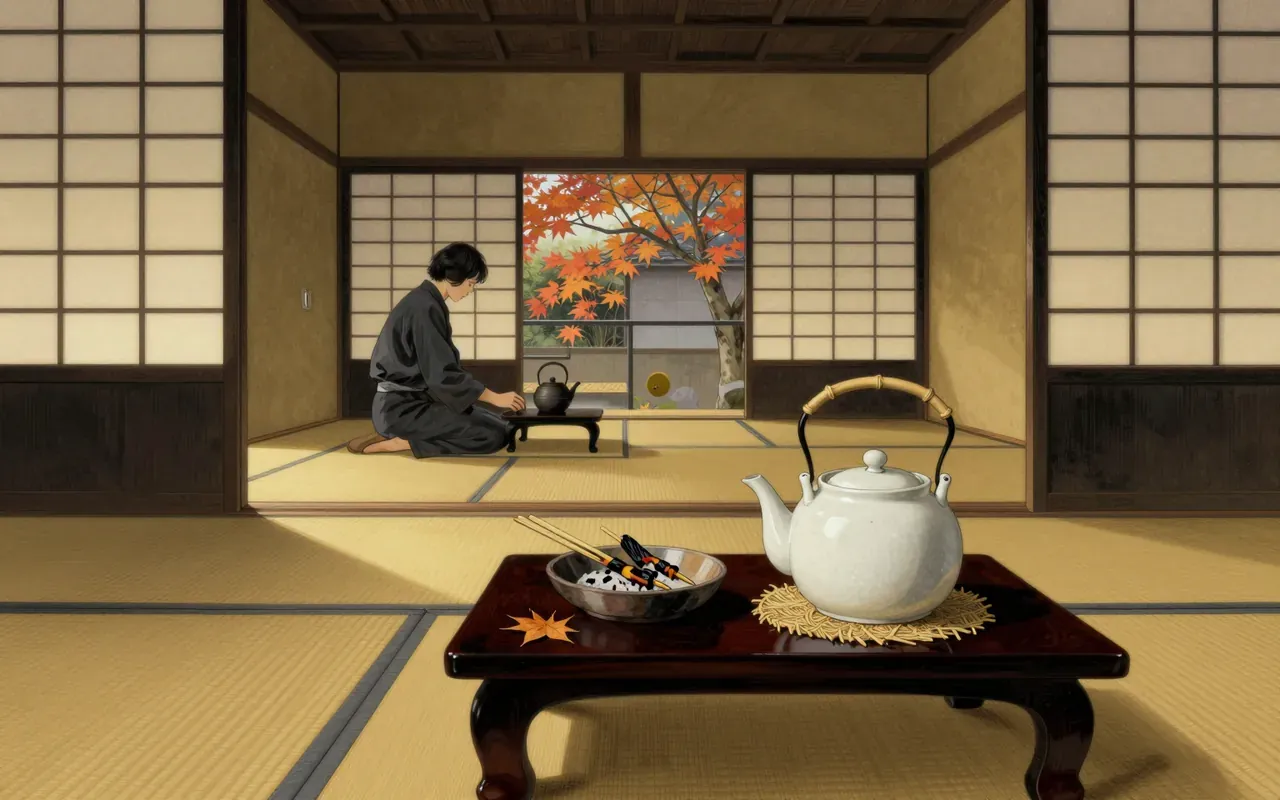
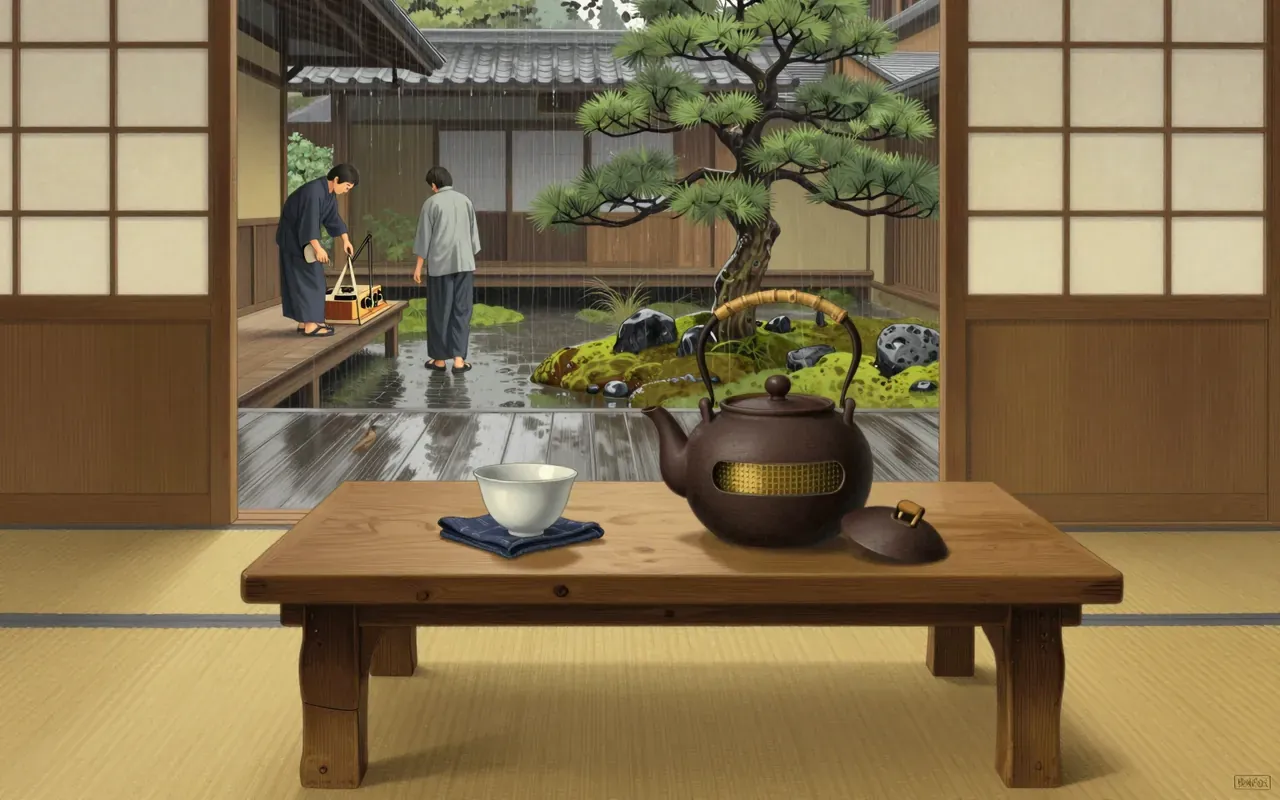
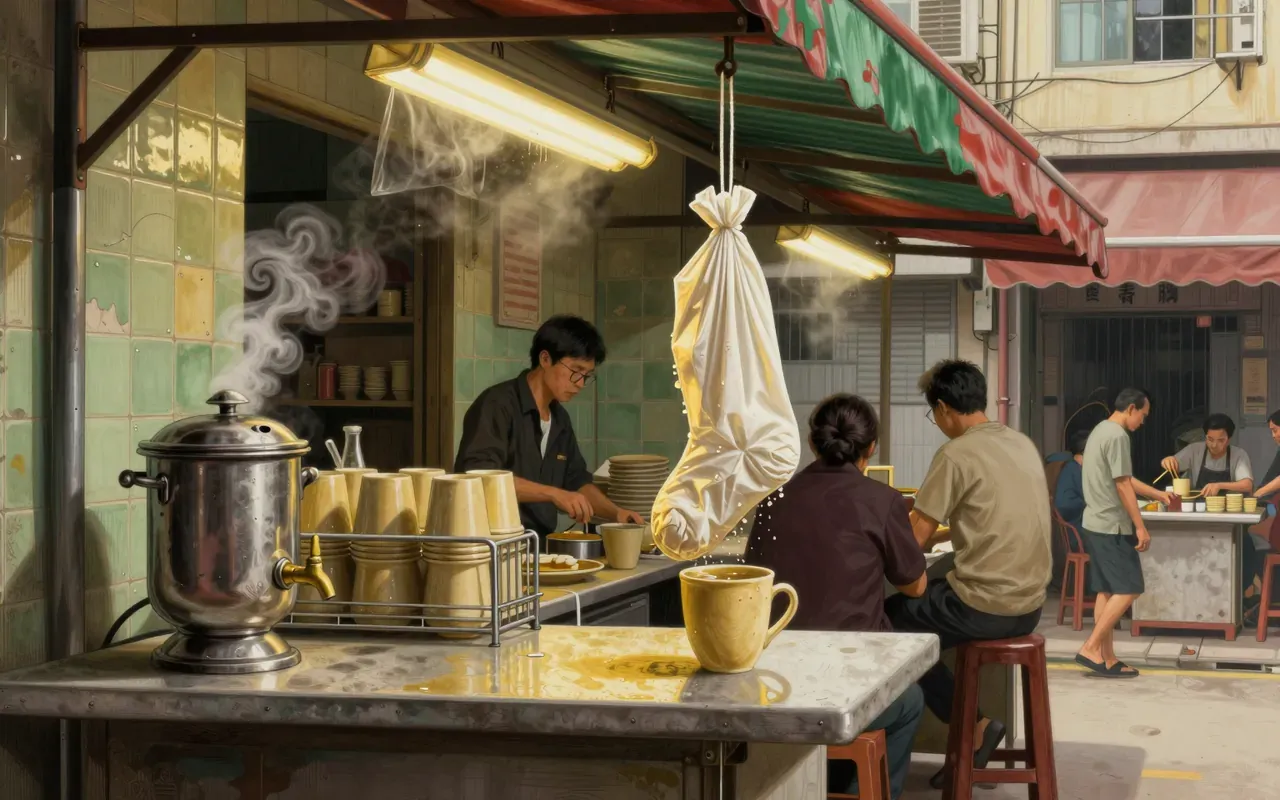
It is roasted in a porcelain pot over charcoal at 150 °C to prevent oxidation and produce a light golden colour.
0:12
What it gets right
It has lower astringency and less caffeine than other Japanese green teas due to catechin loss during roasting.
0:19
What it does not
It does not retain the higher catechin levels or caffeine content typical of unroasted Japanese green teas.
0:26
What it changed
It originated in 1920 when a Kyoto merchant roasted unsaleable bancha, creating a new flavor from existing 'everyday tea'.
0:34
Who it is for, and who it is not
It is for people seeking a low-caffeine, low-astringency Japanese green tea.
0:45
Is it worth your time
It is worth your time if you want a milder, less caffeinated Japanese green tea with a distinct roasted character.
Worth your time?
Selectively. Start with the brief, then cook the parts we point at.
What works
It has lower astringency and less caffeine than other Japanese green teas due to catechin loss during roasting.
What does not
It does not retain the higher catechin levels or caffeine content typical of unroasted Japanese green teas.
Cook it if
Skip it if
The written brief1 min read
What the dish is and where it came from
Hōjicha is a Japanese green tea. Its name means ‘roasted tea’.
How it works, in terms someone would actually use
It is roasted in a porcelain pot over charcoal at 150 °C to prevent oxidation and produce a light golden colour.
What it gets right
It has lower astringency and less caffeine than other Japanese green teas due to catechin loss during roasting.
What it does not
It does not retain the higher catechin levels or caffeine content typical of unroasted Japanese green teas.
What it changed
It originated in 1920 when a Kyoto merchant roasted unsaleable bancha, creating a new flavor from existing ‘everyday tea’.
Who it is for, and who it is not
It is for people seeking a low-caffeine, low-astringency Japanese green tea. It is not exclusively for those who prefer bancha, since sencha and kukicha varieties also exist.
Is it worth your time
It is worth your time if you want a milder, less caffeinated Japanese green tea with a distinct roasted character.