8:18in productionCh. 1 · Not pasta/ 8:18 · ceiling 15 min
Culture · Dishes
Gnocchi
Gnocchi is not pasta—it’s a dumpling that pretends to be one, and the potato didn’t even arrive until 1890.
Gnocchi is a traditional Italian dumpling, not pasta, with Roman origins and late-19th-century potato integration. It succeeds as an adaptable, texturally distinct starch but fails when mistaken for pasta or over-adapted with non-traditional substitutes. Its current relevance lies in exposing how ingredient fidelity defines—and destabilises—culinary categories.
Gnocchi are dumplings—not pasta—and belong to a varied family, not a single recipe.
2:13
What goes in—and what breaks tradition
Wheat flour, potato, egg, and salt define the base—but substitutions make gnocchi non-traditional.
3:47
How it’s cooked and served
Boil in salted water, then dress simply: butter and sage, pesto, or light sauces work best.
5:14
Where it sits on the plate
It functions as primo (first course) or contorno (side)—not main, not garnish, not snack.
Worth your time?
Yes. Cook the whole thing.
3.5/ 5
What works
as primo
as contorno
with minimal sauces
What does not
pasta
bread
main course
Cook it if
home cooks seeking flexible starches
diners who value texture over intensity
Skip it if
flavour-first eaters
those needing gluten-free without compromise
The written brief1 min read
What the thing is
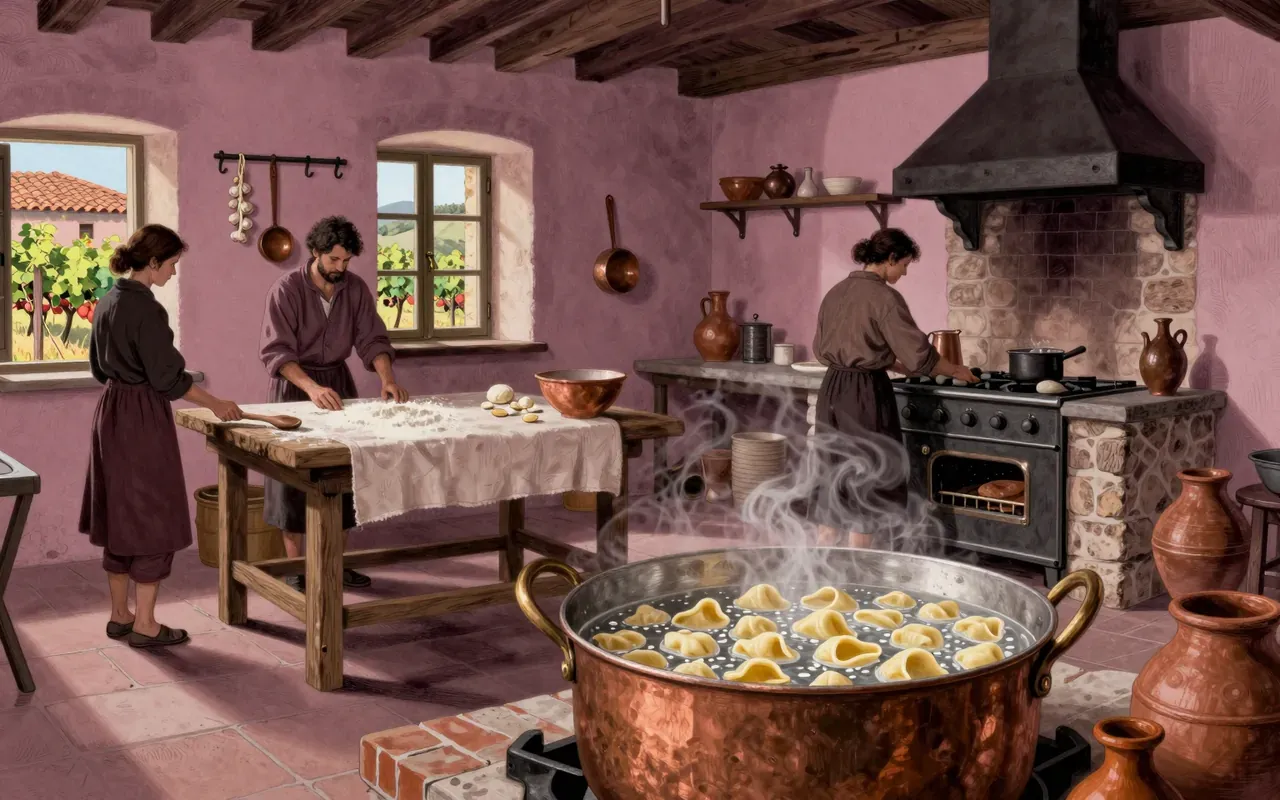
Gnocchi are small dough dumplings, not pasta, made from wheat flour, potato, egg, and salt.
Where it came from
Gnocchi originated in Roman-era Italy. Potato entered the recipe only in the late 19th century.
What it gets right
Gnocchi delivers textural contrast—soft interior, slight resistance—when made well. It absorbs sauces without disintegrating. Its flexibility in base ingredients lets cooks adapt to dietary needs or pantry constraints.
What it gets wrong
It misleads by calling itself pasta-like while lacking pasta’s structural integrity or sauce-clinging surface. Substitutions like sweet potato or rice flour produce non-traditional results that often collapse or mute flavour.
Why it matters now
It matters now as a marker of culinary literalism: a dish whose identity hinges on ingredient fidelity, yet whose modern iterations routinely violate it—exposing tensions between tradition, accessibility, and authenticity.
Is it worth your time
Yes—if you want a simple, adaptable starch that works as primo or contorno, and you accept its limits: it is not pasta, not bread, and not a vehicle for bold flavour without heavy intervention.