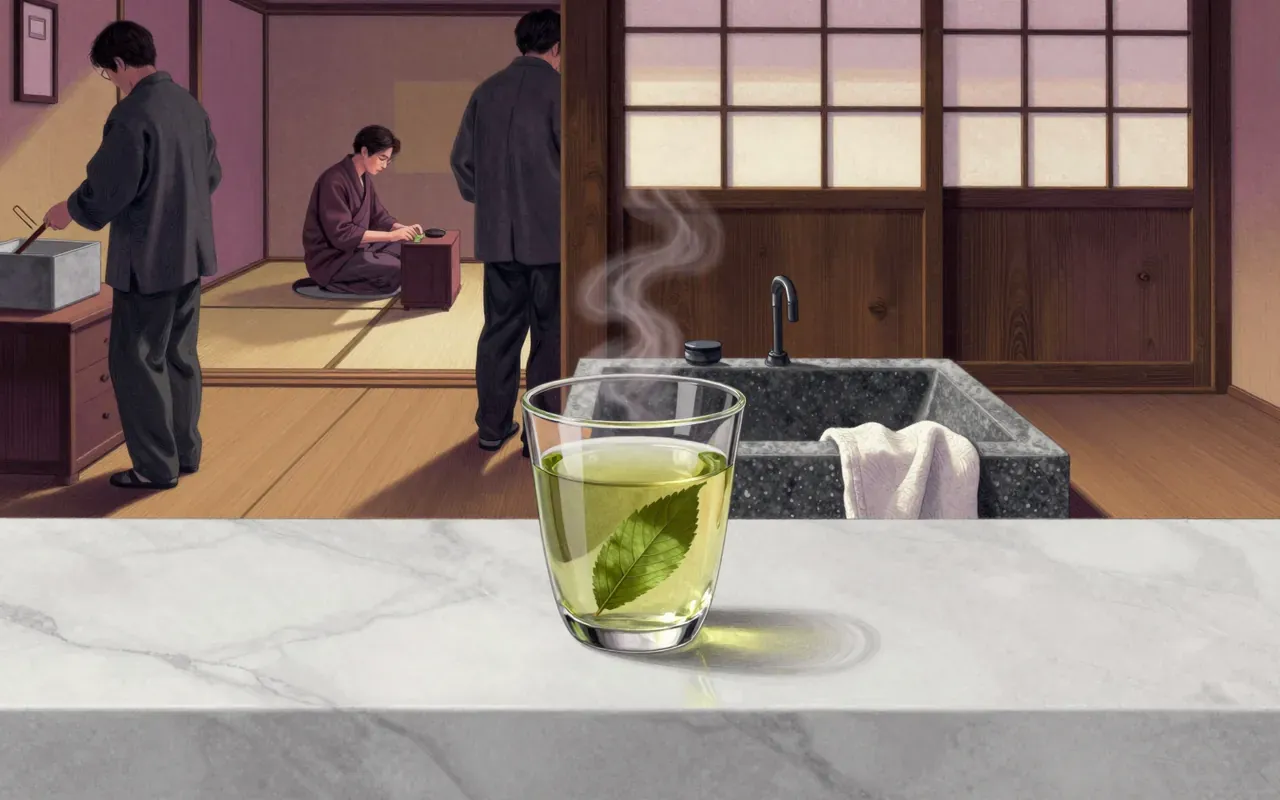
What the thing is
Green tea is a non-oxidized preparation of Camellia sinensis leaves and buds.
Several varieties exist, differing in the variety of C. sinensis used, growing conditions, processing and time of harvest. Chinese green tea was originally steamed, as most Japanese tea still is, but since the early Ming dynasty it has typically been pan-fired in a dry wok.
Where it came from
It originated in China in the late 1st millennium BC.
Tea’s legendary origins are in China during the reign of the mythological Emperor Shennong. In 1211 the Zen priest Eisai wrote the Book of Tea, which discusses tea drinking in relation to health and the five viscera.
What it gets right
It is a non-oxidized preparation of Camellia sinensis leaves and buds.
Meta-analyses of randomized trials found that green tea consumption for 3–6 months may produce small reductions, about 2–3 mm Hg each, in systolic and diastolic blood pressure. Steeping too hot or too long releases excessive tannins and gives a bitter, astringent brew.
What it gets wrong
It is marketed as protective against cancer, cardiovascular disease, inflammation and weight gain — claims unsupported by human clinical evidence.
In 2011 a panel of scientists reviewing the claims at the request of the European Commission found in general that they were not supported by sufficient scientific evidence, and there is no good evidence that green tea aids weight loss.
Why it matters now
Because its unproven health claims persist in wellness culture, displacing evidence-based interventions and exposing consumers to hepatotoxicity and drug interactions.
The liver risk is tied to extracts rather than the cup. According to the European Food Safety Authority, green tea prepared the traditional way is safe, and only rare cases of liver damage occur. Longer-term intake of extracts containing more than 800 mg of EGCG per day raised liver enzymes in some people, and there was insufficient data to set a safe dose.
Is it worth your time
No. It delivers modest alertness and slight blood pressure reduction, but no proven health benefits — and carries real risks at high doses.