10:27in productionCh. 1 · Origin/ 10:27 · ceiling 15 min
Culture · Ingredients
Fenugreek
A 6,000-year-old food crop masquerading as a modern cure.
Fenugreek is an ancient Near Eastern crop, cultivated since at least 4000 BC, used for food, fodder, and flavour across Rome, Galilee, Egypt, and Jewish tradition. It has no proven clinical benefit as a supplement. Claims about lactation and menstrual relief lack high-quality evidence as of 2023. Its real significance lies in its durability as infrastructure — not its marketing as medicine.
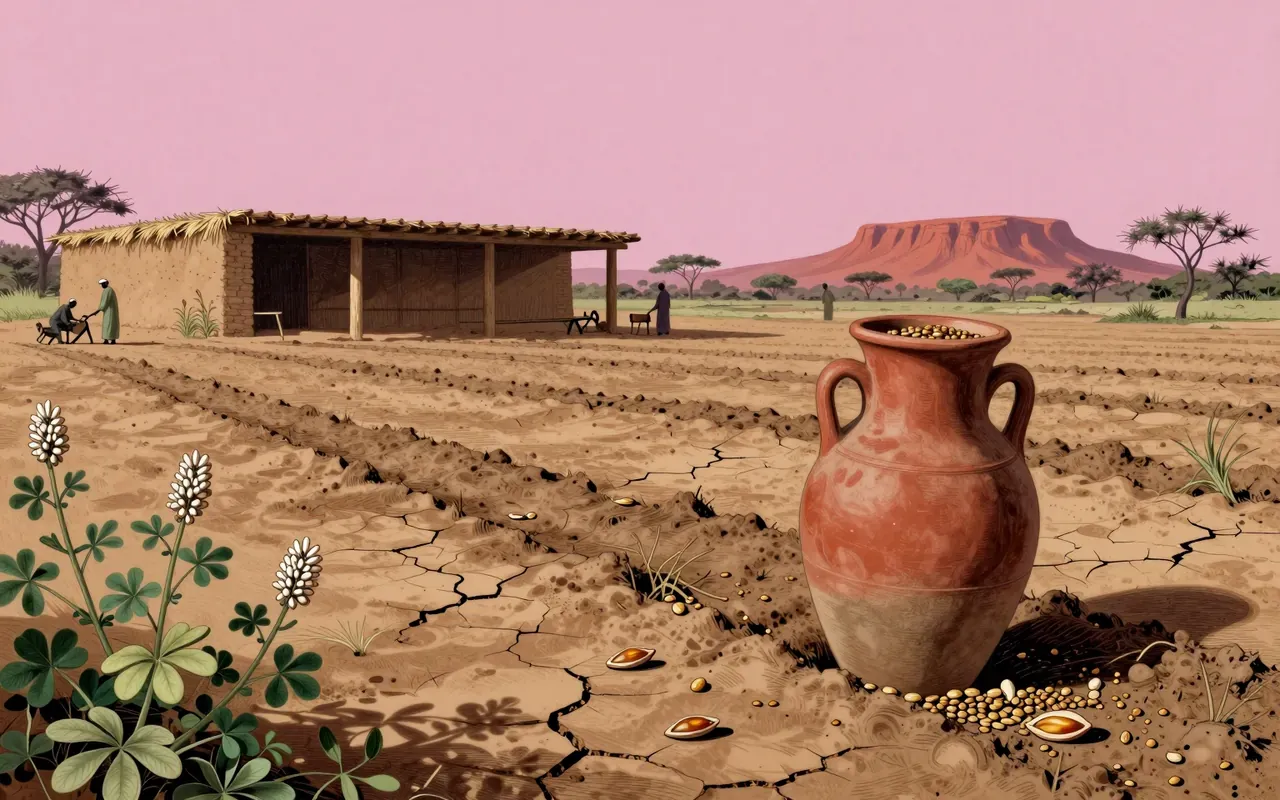
Fenugreek is one of humanity’s oldest cultivated plants — rooted in the Near East by 4000 BC.
2:43
Infrastructure
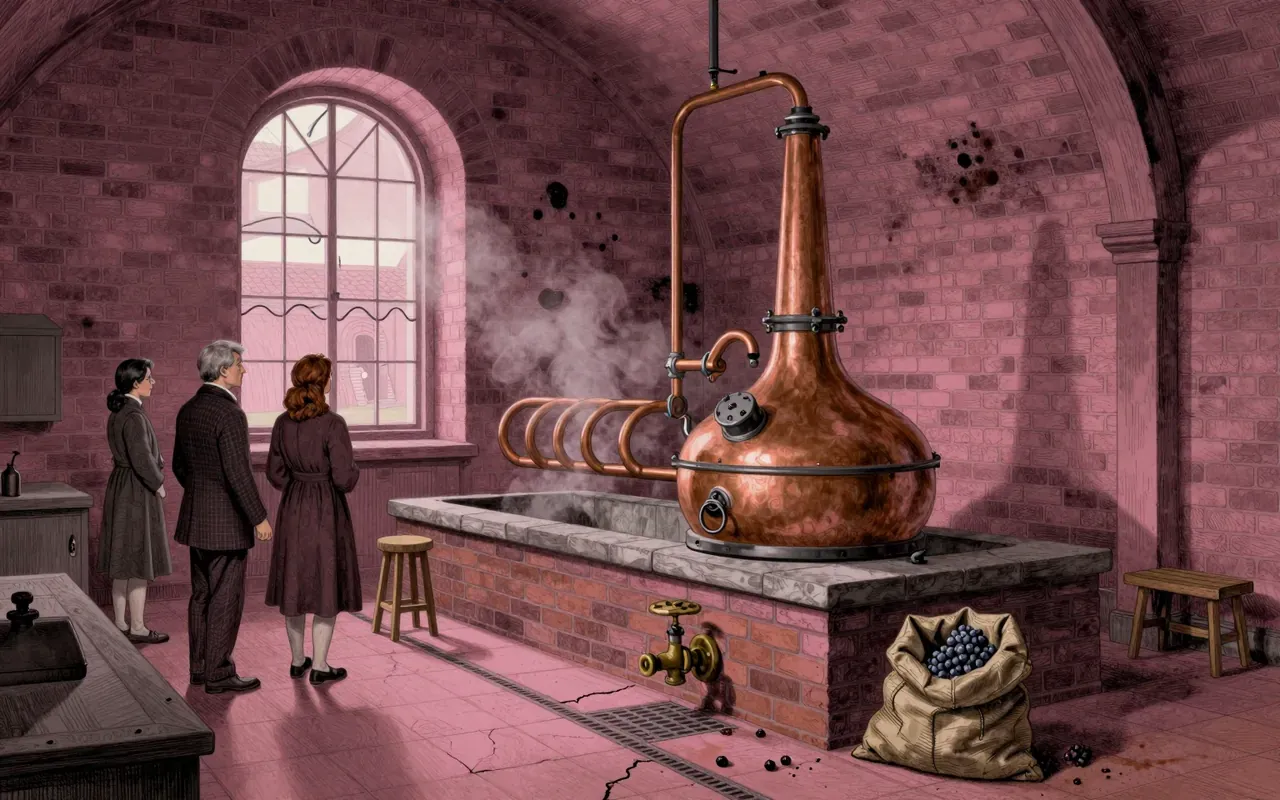
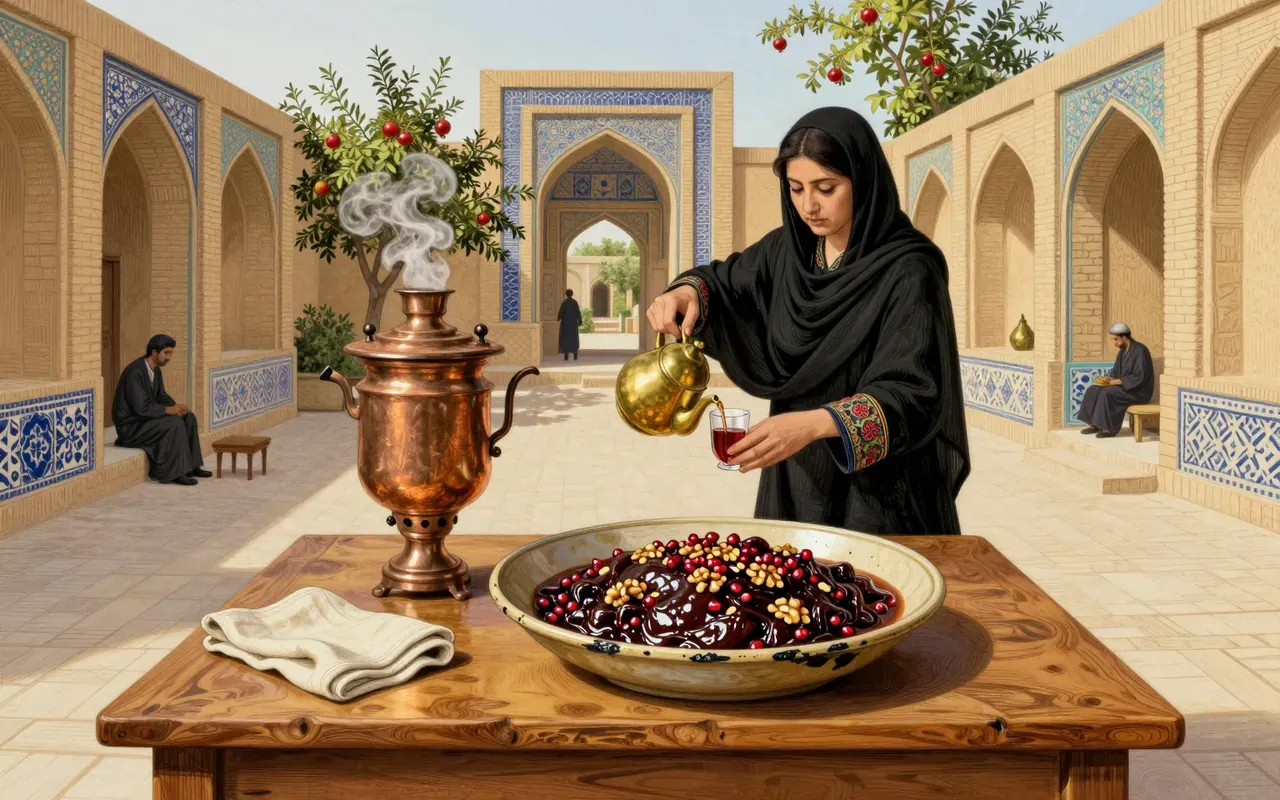
It fed cattle, flavoured wine, sustained Galilean farmers, and entered Jewish law — all before the Common Era ended.
4:21
Evidence Gap
No high-quality evidence supports clinical effectiveness of fenugreek supplements.
6:01
2023 Reality Check
As of 2023, there is no high-quality evidence that fenugreek safely or effectively treats dysmenorrhea or boosts lactation.
Worth your time?
Yes. Cook the whole thing.
3.5/ 5
What works
as food
as spice
as historical artefact
What does not
as medicine
Cook it if
cooks
historians
farmers
Skip it if
people seeking lactation or period relief
The written brief1 min read
What the thing is
Fenugreek is a leguminous plant cultivated for seed and foliage. It is used as food, fodder, and spice — not medicine.
Where it came from
It most likely originated in the Near East. Charred seeds from Tell Halal, Iraq, date to 4000 BC. Desiccated seeds were found in Tutankhamun’s tomb.
What it gets right
Fenugreek is a hardy, ancient crop that fed people and livestock across empires. It sustained Galilean communities. It flavoured Roman wine. It appears in Jewish law. Its nutritional profile — high in iron, protein, fibre — is real.
What it gets wrong
It is wrongly marketed as a safe, effective remedy for lactation or menstrual pain. As of 2023, no high-quality evidence supports either use. Risks — allergies, hormonal disruption, drug interactions, contamination — are documented and under-communicated.
Why it matters now
Because its ancient utility is being displaced by unverified wellness narratives — and because its real history reveals how deeply embedded staple crops shape civilisation, long before they become Instagram supplements.
Is it worth your time
Not as a supplement. As food or spice, yes — but only if you value ancient, widespread, and resilient culinary infrastructure over modern health claims.