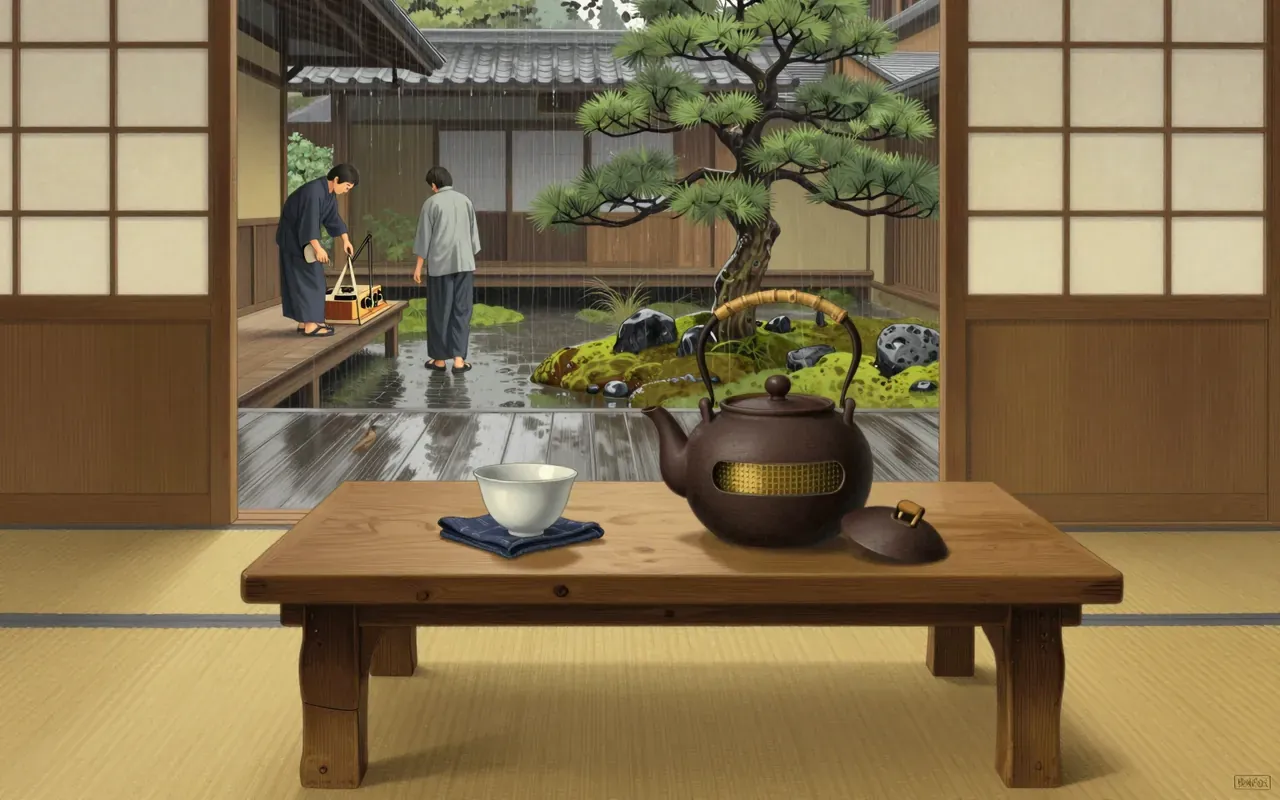
Sencha is a Japanese green tea (ryokucha) made by infusing processed whole tea leaves in hot water.
0:09
How it works, in terms someone would actually use
You steep the dried leaves in hot water—no grinding, no whisking, no straining required beyond standard infusion.
0:16
What it gets right
It offers seasonal variation, especially in shincha (first-flush tea), and its flavor shifts with water temperature—mellow with cooler water, astringent with hotter water.
0:28
What it does not
It is less shaded than gyokuro and harvested earlier than bancha, so it does not share those teas’ specific growing or timing traits.
0:37
What it changed
Its production uses brief steaming (15–20 seconds) to halt oxidation—a method distinct from Chinese pan-fired green teas.
0:44
Who it is for, and who it is not
It is for people who drink infused green tea regularly, especially those drawn to seasonal Japanese ryokucha.
0:58
Is it worth your time
Yes—it is the most popular tea in Japan, widely available and representative of standard Japanese green tea preparation.
Worth your time?
Selectively. Start with the brief, then cook the parts we point at.
What works
It offers seasonal variation, especially in shincha (first-flush tea), and its flavor shifts with water temperature—mellow with cooler water, astringent with hotter water. The ideal beverage color is greenish golden.
What does not
It is less shaded than gyokuro and harvested earlier than bancha, so it does not share those teas’ specific growing or timing traits.
Cook it if
Skip it if
The written brief1 min read
What the dish is and where it came from
Sencha is a Japanese green tea (ryokucha) made by infusing processed whole tea leaves in hot water. Its name means ‘infused tea’.
How it works, in terms someone would actually use
You steep the dried leaves in hot water—no grinding, no whisking, no straining required beyond standard infusion.
What it gets right
It offers seasonal variation, especially in shincha (first-flush tea), and its flavor shifts with water temperature—mellow with cooler water, astringent with hotter water. The ideal beverage color is greenish golden.
What it does not
It is less shaded than gyokuro and harvested earlier than bancha, so it does not share those teas’ specific growing or timing traits.
What it changed
Its production uses brief steaming (15–20 seconds) to halt oxidation—a method distinct from Chinese pan-fired green teas.
Who it is for, and who it is not
It is for people who drink infused green tea regularly, especially those drawn to seasonal Japanese ryokucha. It is not for people seeking powdered tea like matcha or deeply shaded leaf teas like gyokuro.
Is it worth your time
Yes—it is the most popular tea in Japan, widely available and representative of standard Japanese green tea preparation.