foodbriefs
10:41in productionCh. 1 · The Myth of the Medicinal Dumpling/ 10:41 · ceiling 15 min
Culture · Dishes

Jiaozi

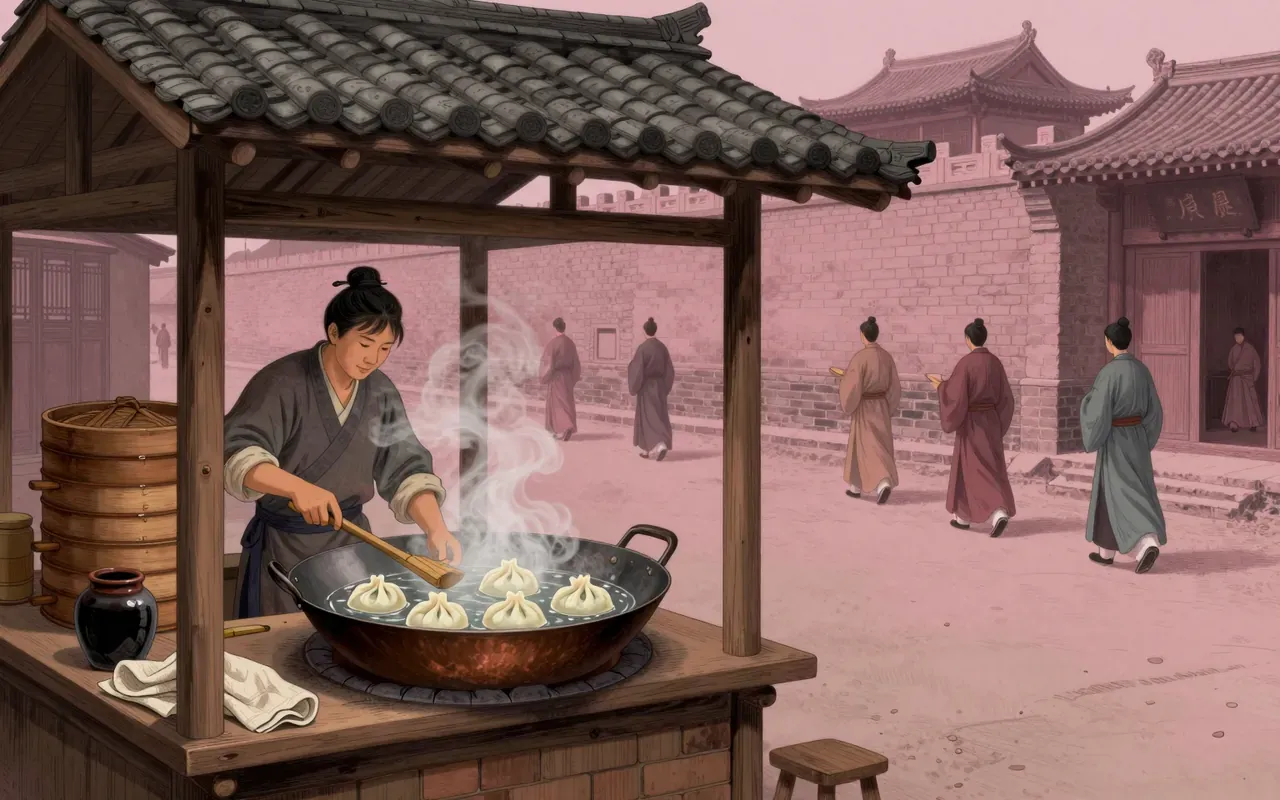
Jiaozi aren’t ancient medicine—they’re ancient paperwork, preserved in tombs and texts long before anyone claimed they cured frostbite.

Jiaozi are not a singular invention but a durable culinary form—named, shaped, and buried across centuries. Their history is textual and archaeological, not biographical.

Chapters & takeaways4
  1. 0:52
    The Myth of the Medicinal Dumpling

    The 'frostbitten ears' story is folklore—not evidence of origin.

  2. 2:46
    Textual Continuity, Not Invention

    Jiaozi appear in writing across four dynasties—Western Han to Northern Qi—under consistent names and shape.

  3. 4:27
    Dumplings in the Tomb

    Archaeology confirms jiaozi were buried as food offerings by the Six Dynasties and Tang.

  4. 6:33
    Flat Food, Not New Food

    The name 'Bian Shi' signals regional popularity—not innovation—in Tang dynasty Turfan.

Worth your time?

Yes. Cook the whole thing.

4/ 5
What works
  • textual continuity
  • material evidence
  • naming precision
  • dynastic range
What does not
  • influence
  • define
  • displace
  • start
Cook it if
  • historians of food
  • linguists of classical Chinese
  • archaeologists of Central Asia
Skip it if
  • casual eaters seeking origin stories
  • chefs looking for technique evolution
  • pop-culture commentators
The written brief1 min read

What the thing is

Jiaozi are crescent-shaped dumplings filled with meat or vegetables, folded and boiled or steamed.

Where it came from

They appear in Western Han texts as ‘jiaozi’ (角子), were described as ‘tender ears’ (jiao’er) in Eastern Han medicinal lore, named in Three Kingdoms texts, documented as common food in Northern Qi, and found archaeologically in Six Dynasties and Tang tombs in Turfan.

What it gets right

It correctly anchors jiaozi in early Chinese textual and material records across dynasties. It shows continuity: same crescent shape, shifting names (jiaozi, jiao’er, Bian Shi), and persistent association with ear health.

What it gets wrong

It misattributes invention to Zhang Zhongjing as fact. The source says only that jiaozi were ‘traditionally thought’ to have been invented by him—this is a folk attribution, not verified origin.

Why it matters now

It reveals how culinary objects become vessels for layered historical claims—medical myth, linguistic drift, and imperial-era material culture—all preserved without consensus on origin.

Is it worth your time

Yes—if you care about how food names, shapes and medicinal origins fossilise in language and archaeology.

Same course · Culture4 of 158
Up next in Food

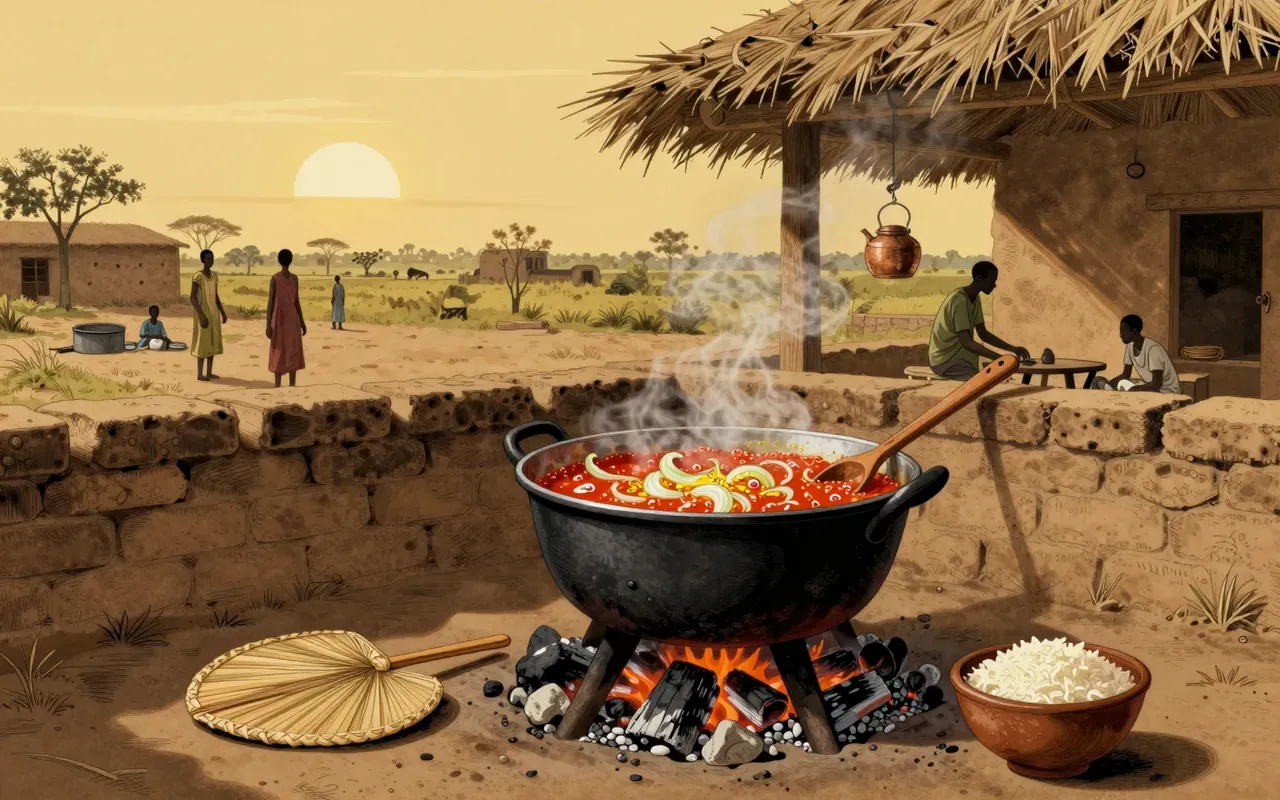
Jollof rice

· 1:16

A West African rice dish from Senegal, built on tomato-based sauce and aromatic seasonings.

1:16