foodbriefs
Topic

Ritual

Repeated action doing work that argument cannot.

32
in food
3:56
average
126 min
in total
96
across the network
Ritual across the network →
All briefs32
7:44

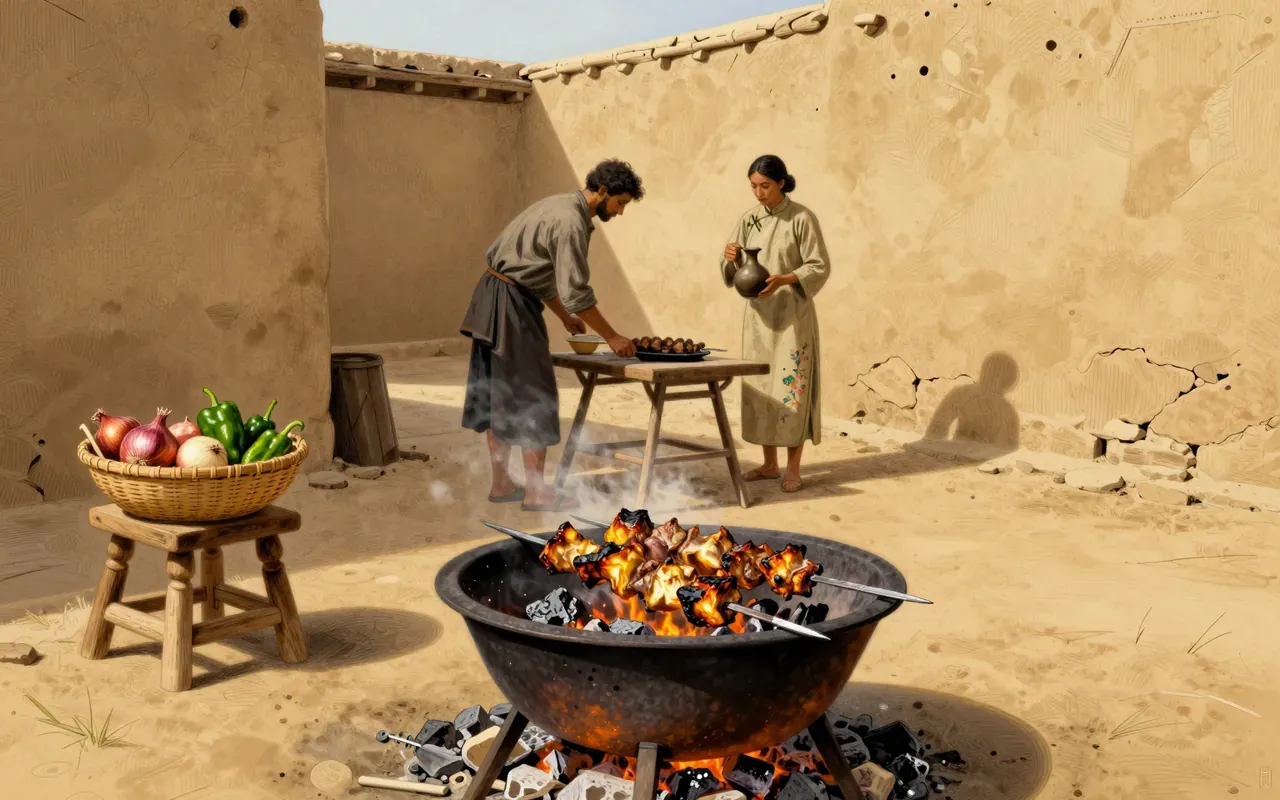
Plov

Plov is the Central Asian rice dish cooked with meat, onions, carrots and spices, the rice simmered in a stew until it has absorbed the liquid, and the national dish of Uzbekistan and Tajikistan.
9:31

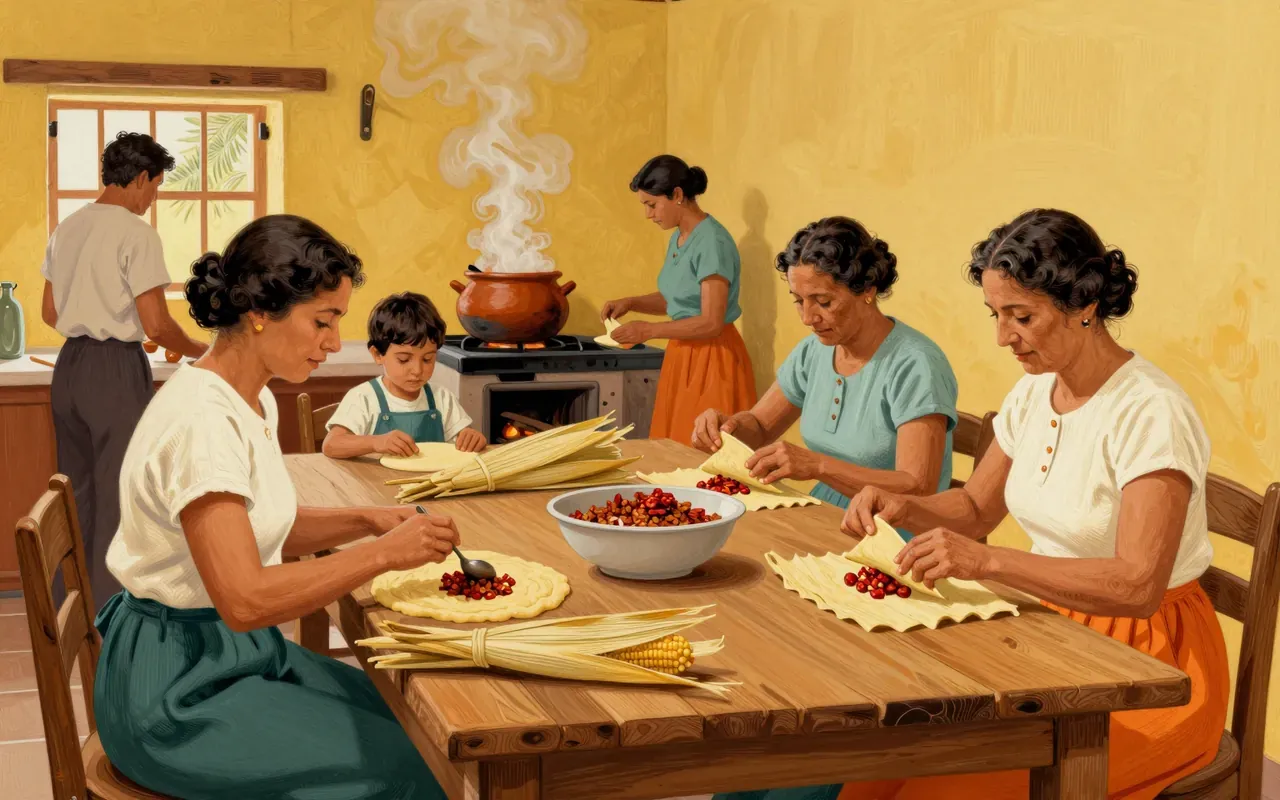
Tamales

Tamales are a Mesoamerican dish of nixtamalized corn dough, steamed in corn husks or banana leaves around a savoury or sweet filling.
9:44

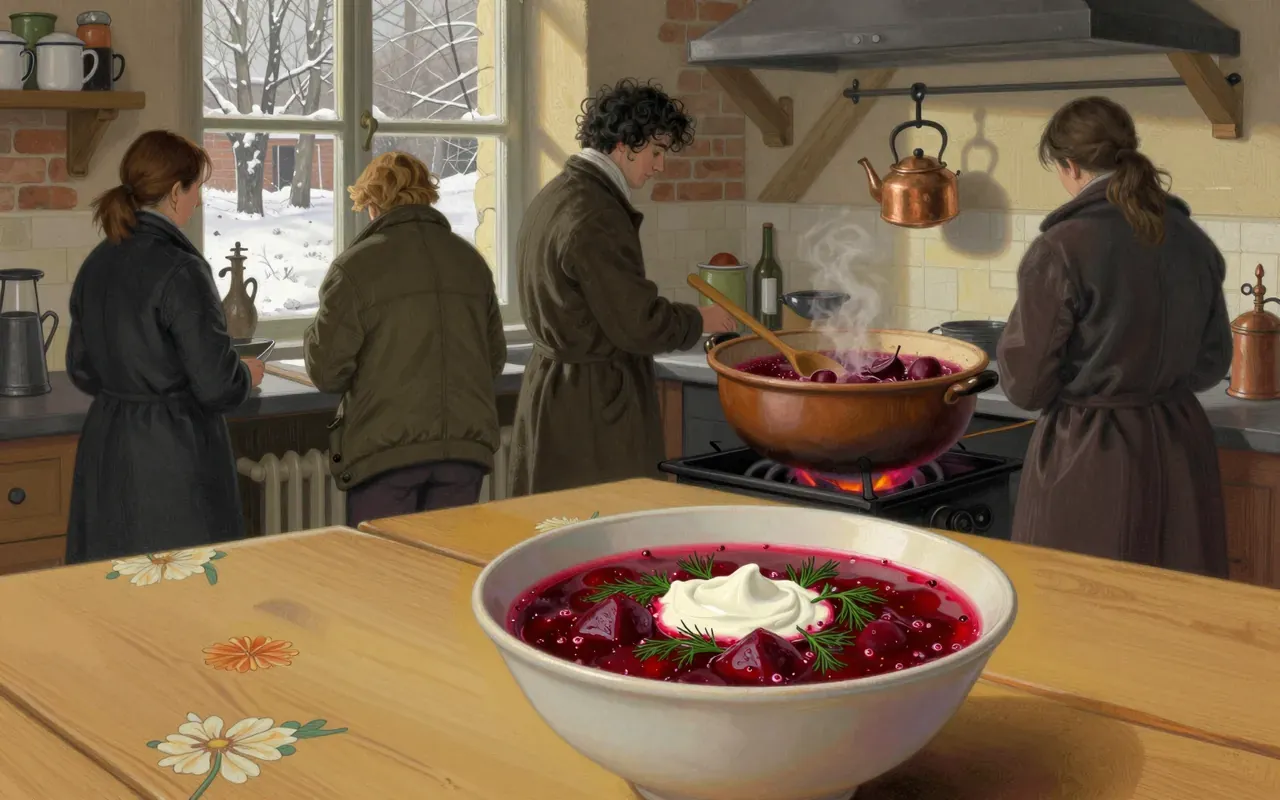
Borscht

Borscht isn’t red because of beets—it’s red because sourness needed a new vessel.
8:39

Weißwurst

A sausage that refuses to last — and insists you eat it before noon.
1:15

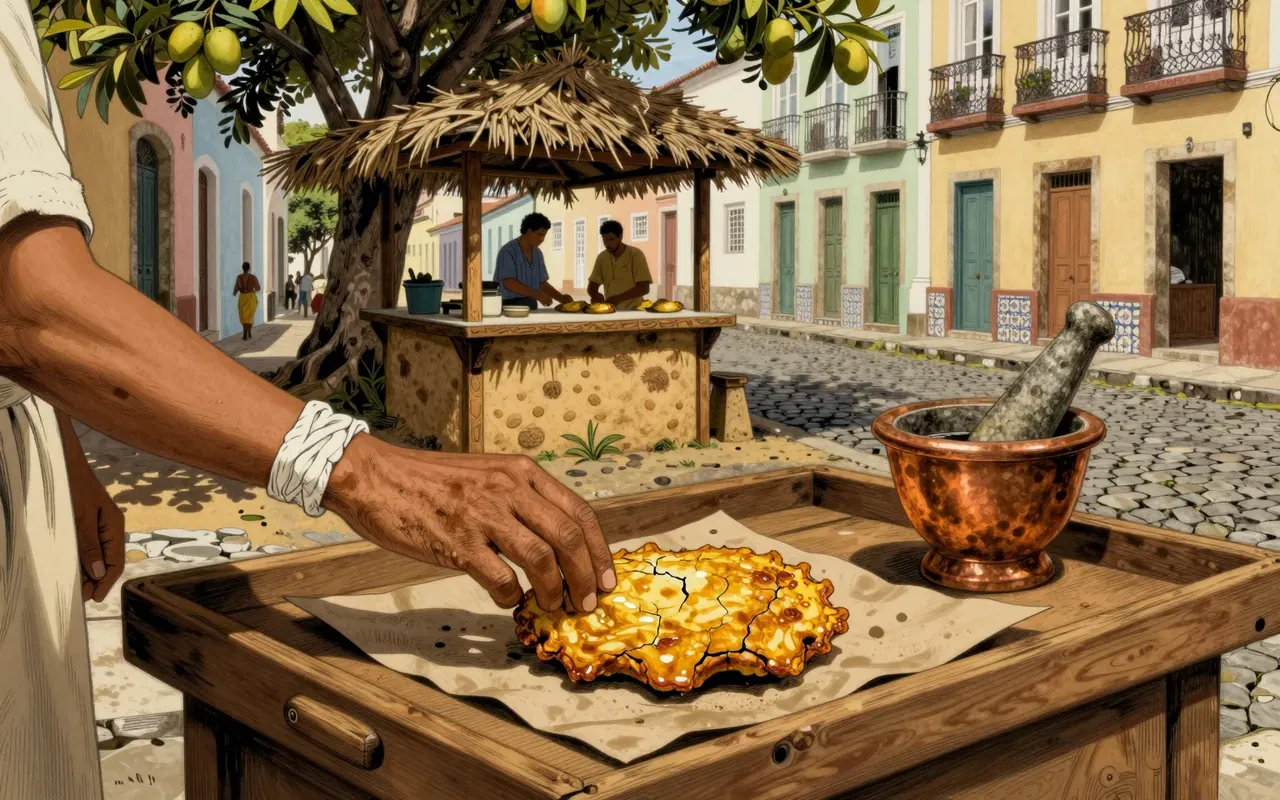
Acarajé

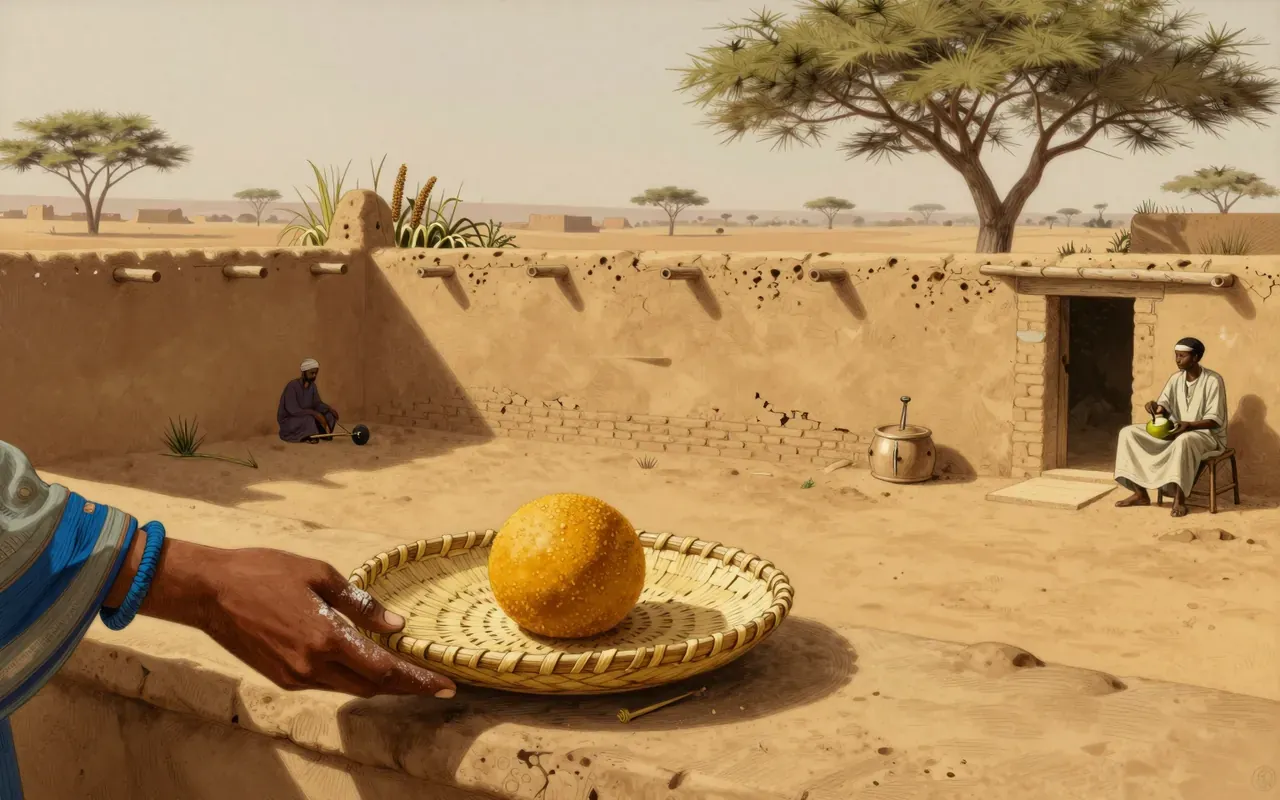
A fritter of milled cowpeas fried in palm oil, served split and stuffed, rooted in Yoruba tradition and central to Bahian street food and Candomblé practice.
1:09

Arancini

Sicilian rice balls stuffed with ragù or butter-based fillings, coated in breadcrumbs and deep-fried.
1:05

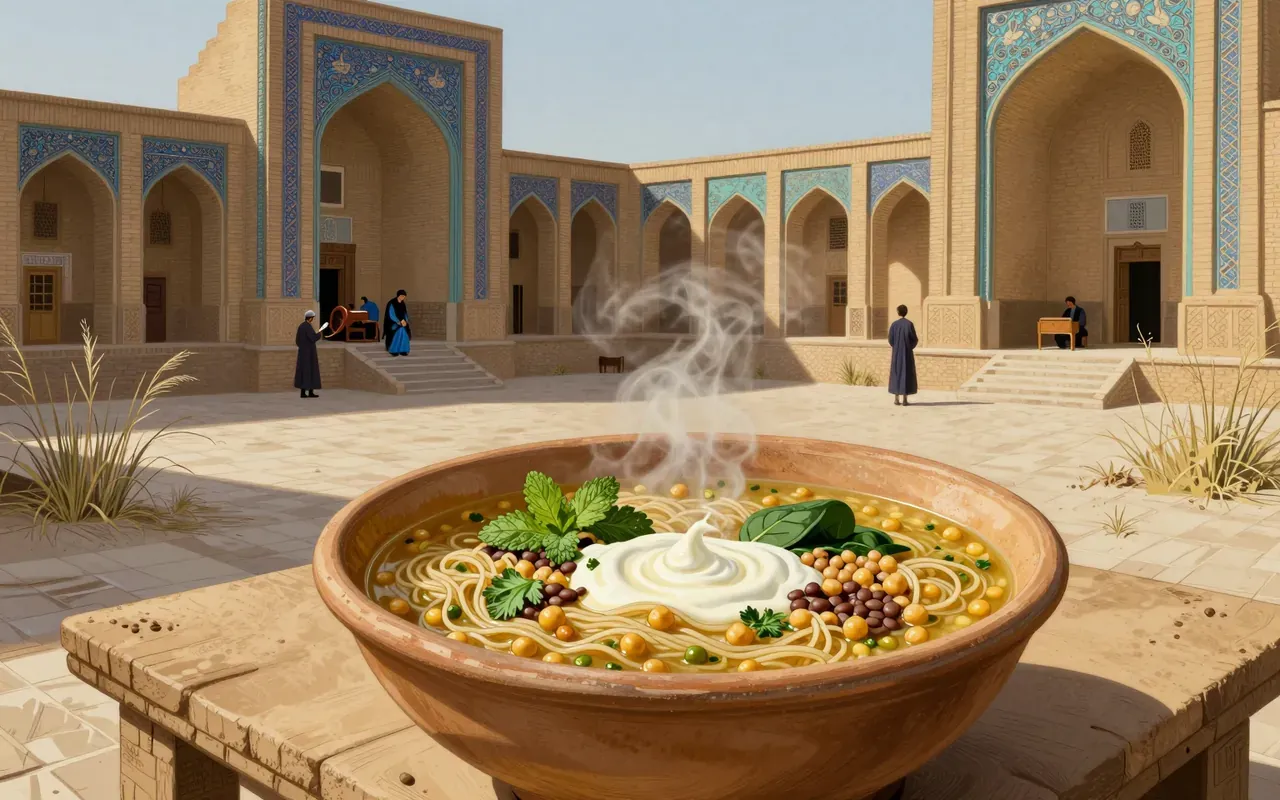
Aush reshteh

A thick Iranian soup with thin noodles, legumes, herbs, and sour kashk.
1:19

Barbacoa

A slow-cooked meat dish from indigenous Mexican earth-oven traditions, now commonly made with beef head, goat, or sheep.
1:26

Börek

A flaky, layered pastry made with thin dough like filo and filled with meat, cheese, spinach, or potatoes.
0:48

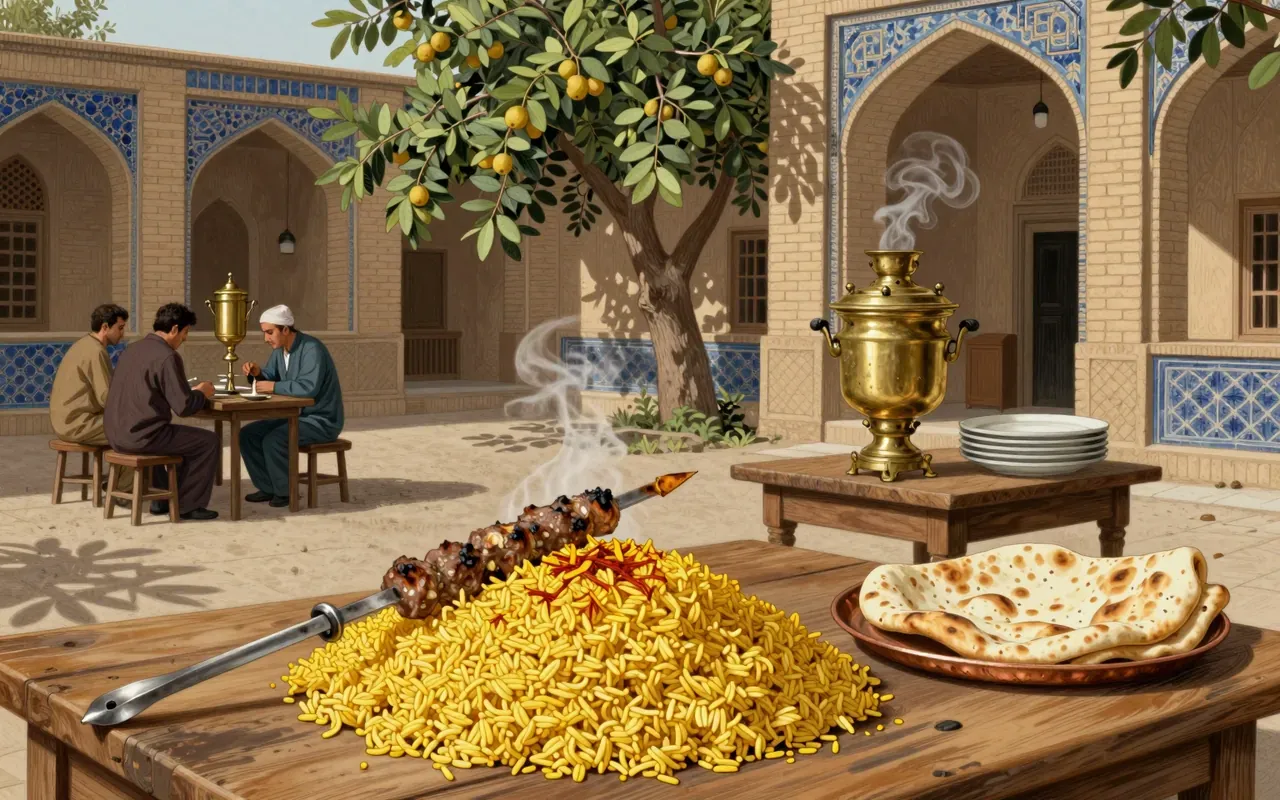
Chelow kabab

Chelow kabab is Iran's national dish: saffron-infused rice topped with grilled skewered meat, served with lavash.
0:51

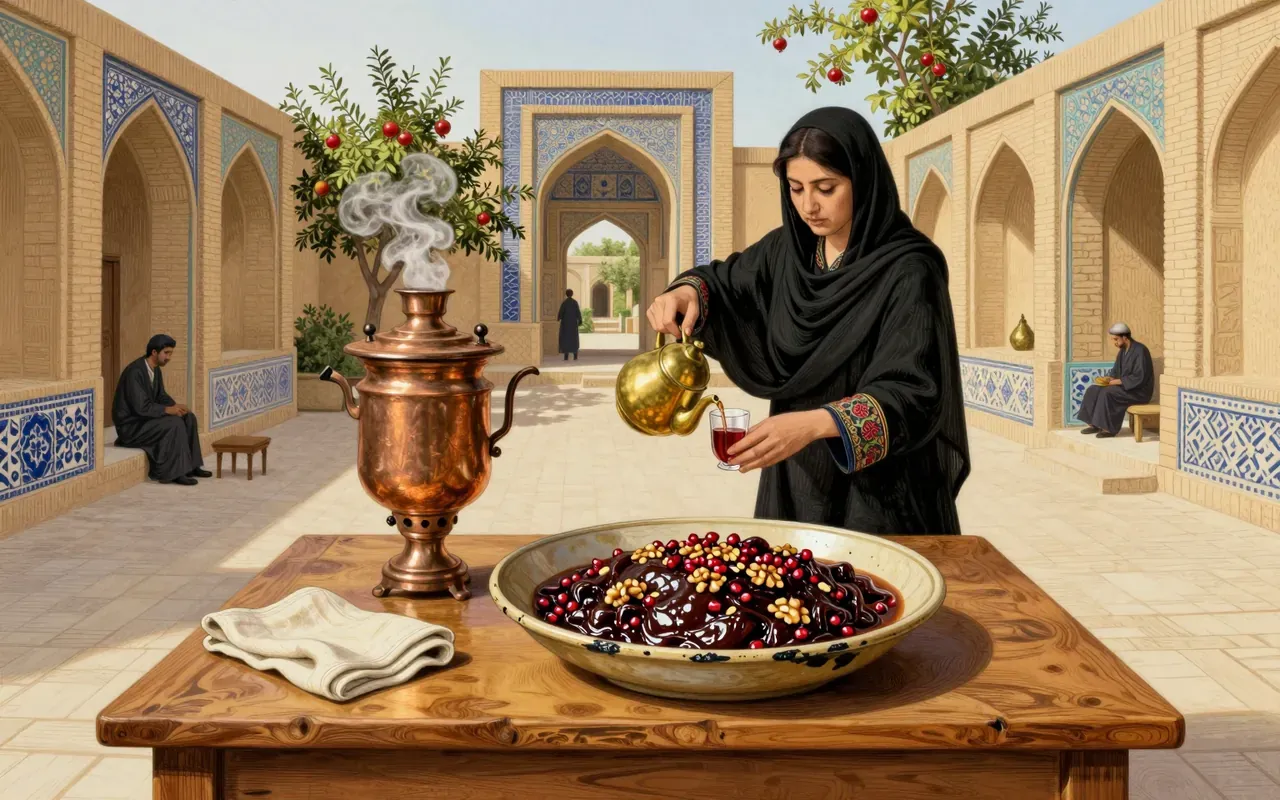
Fesenjān

A sweet-and-sour Iranian stew made with pomegranate paste and ground walnuts, traditionally served on Yaldā Night.
0:57

Harira

A thick North African soup with lentils, chickpeas, tomato, meat, and warm spices, traditionally served during Ramadan.
10:41

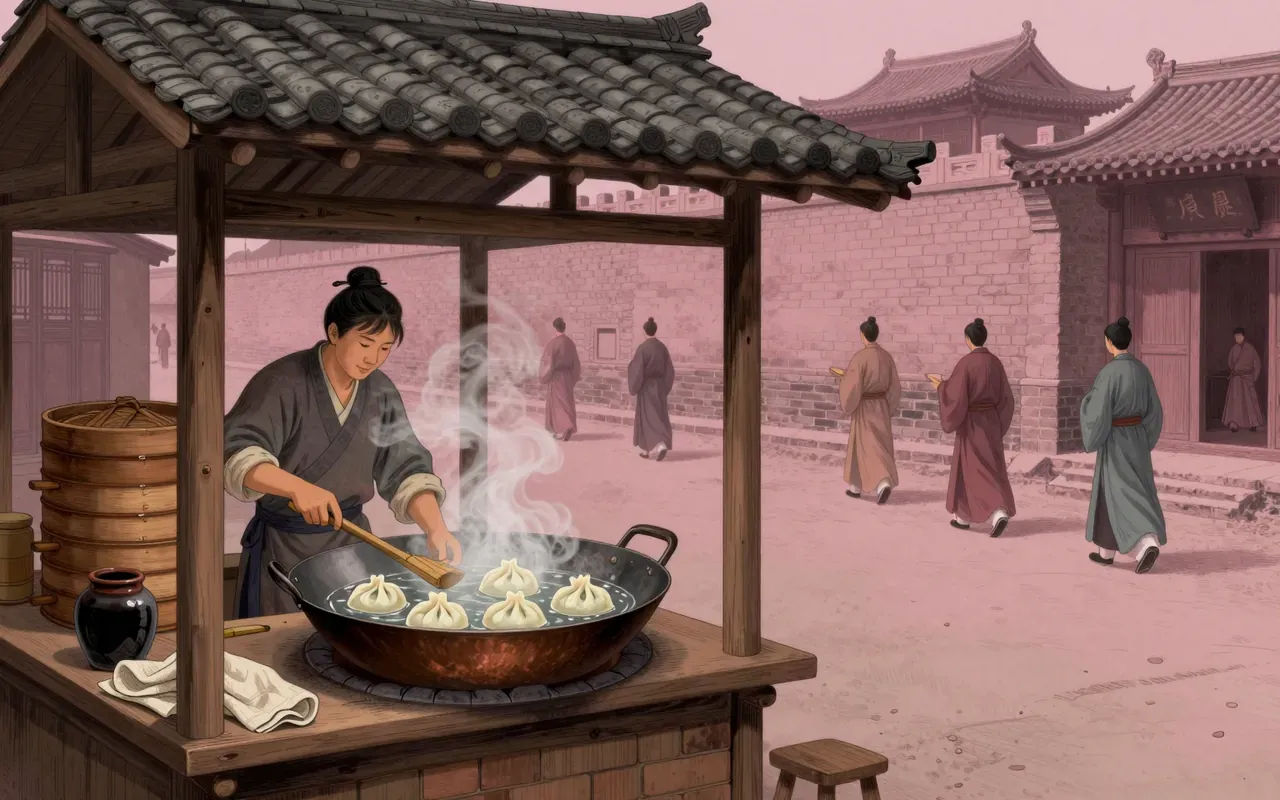
Jiaozi

Jiaozi aren’t ancient medicine—they’re ancient paperwork, preserved in tombs and texts long before anyone claimed they cured frostbite.
1:21

Kaiseki

Kaiseki is a traditional multi-course Japanese dinner rooted in tea ceremony practice and imperial, Buddhist, samurai, and gathering meal traditions.
1:01

Katsudon

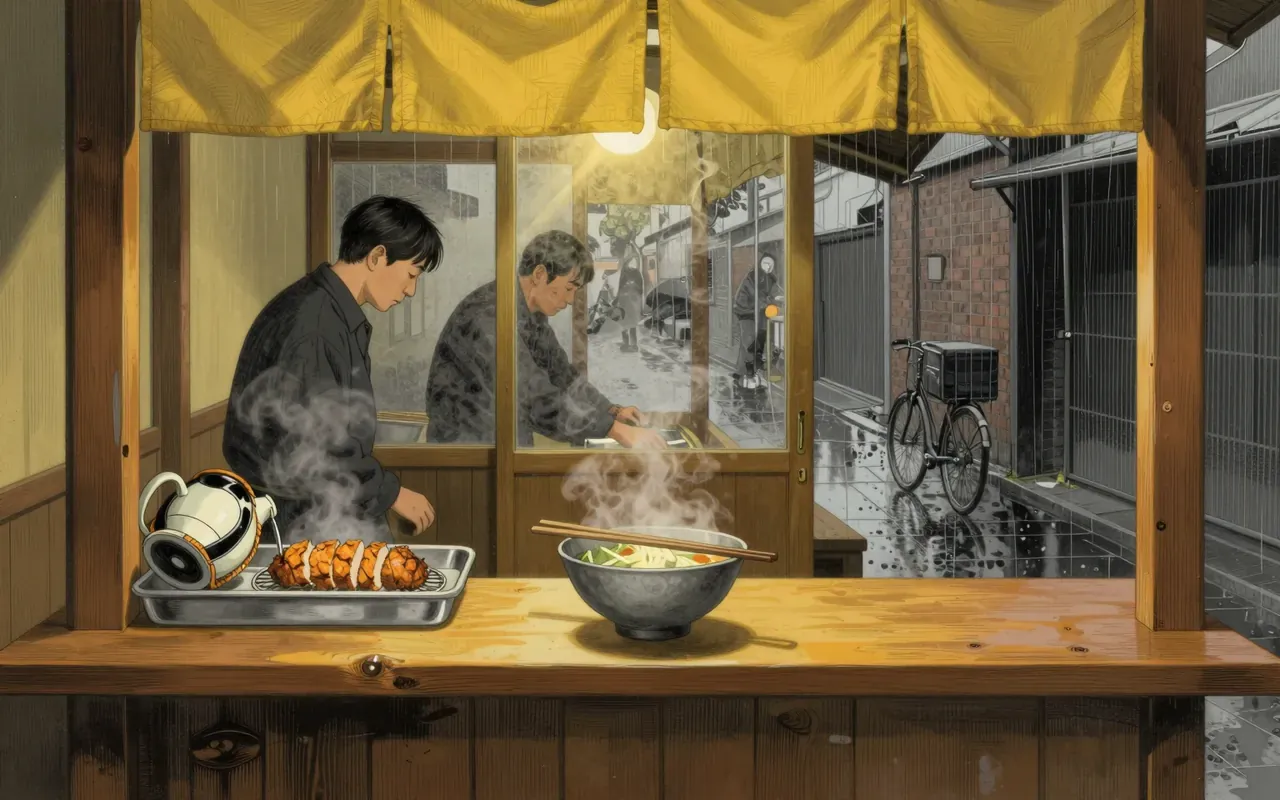
A Japanese rice bowl topped with fried breaded pork, egg, vegetables, and condiments in a dashi-soy broth.
1:40

Laddu

A spherical sweet from the Indian subcontinent, made with ingredients like chickpea flour, rice vermicelli, or coconut, bound by sugar syrup or jaggery.
0:57

Mandi (food)

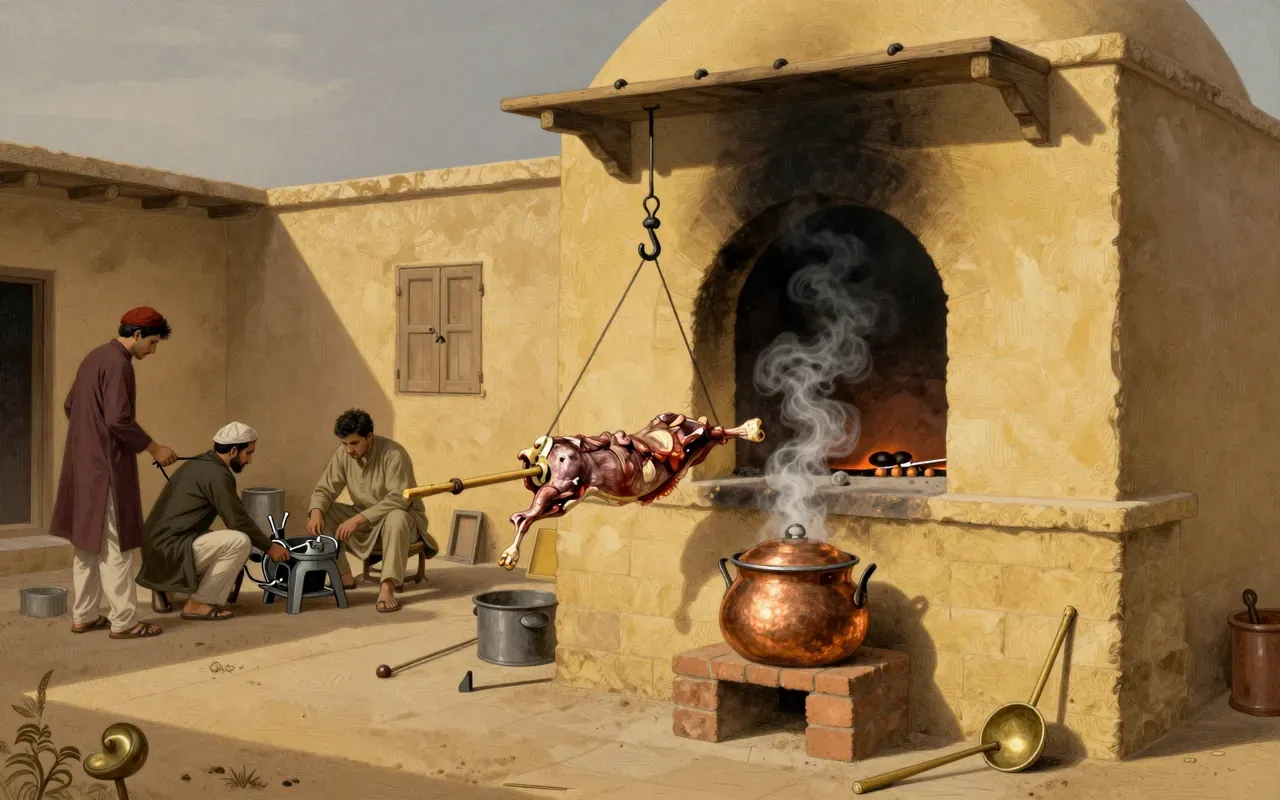
A traditional Arab rice-and-meat dish cooked in a tannour oven, with regional variations across the Arab world and in Hyderabad.
1:06

Mochi

A Japanese rice cake made from glutinous short-grain rice, traditionally pounded and molded, with deep ties to New Year celebrations.
1:19

Mooncake

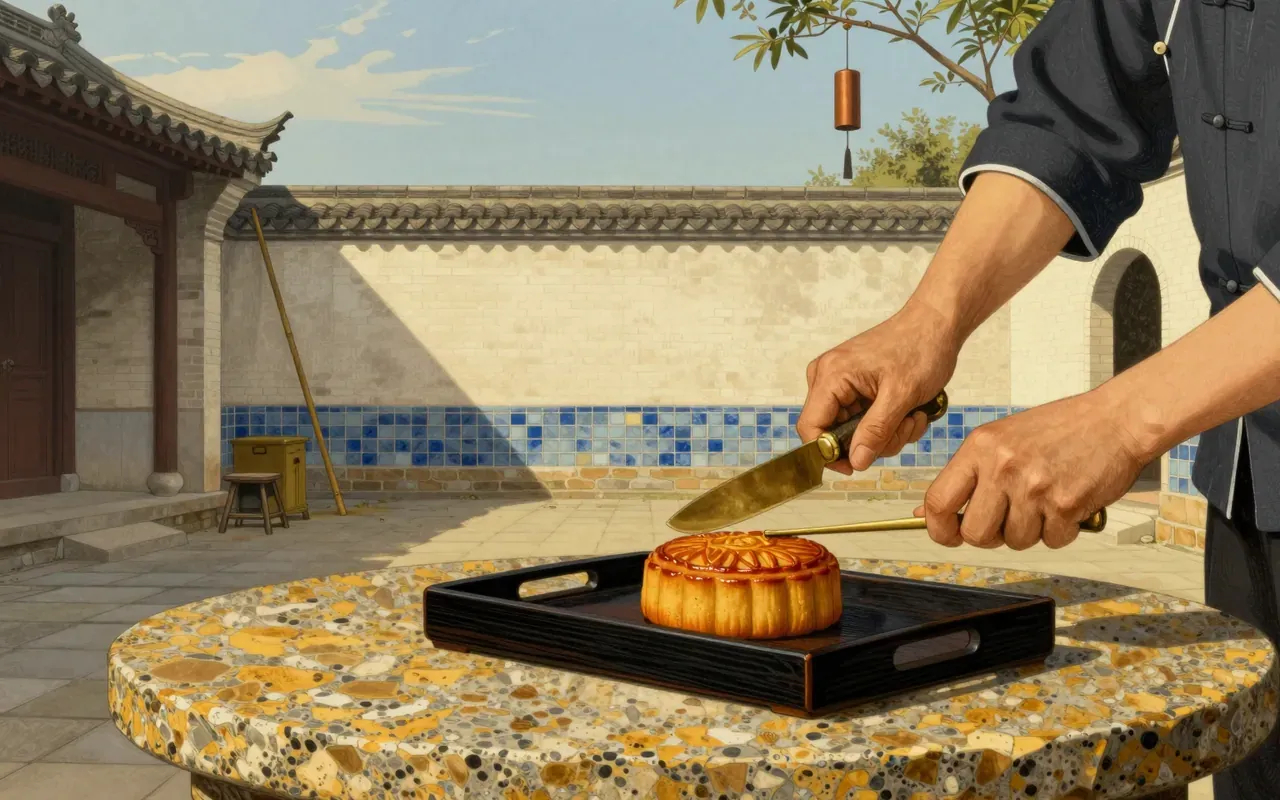
A round, dense Chinese pastry with sweet paste filling and optional salted duck egg yolk, eaten during the Mid-Autumn Festival.
1:01

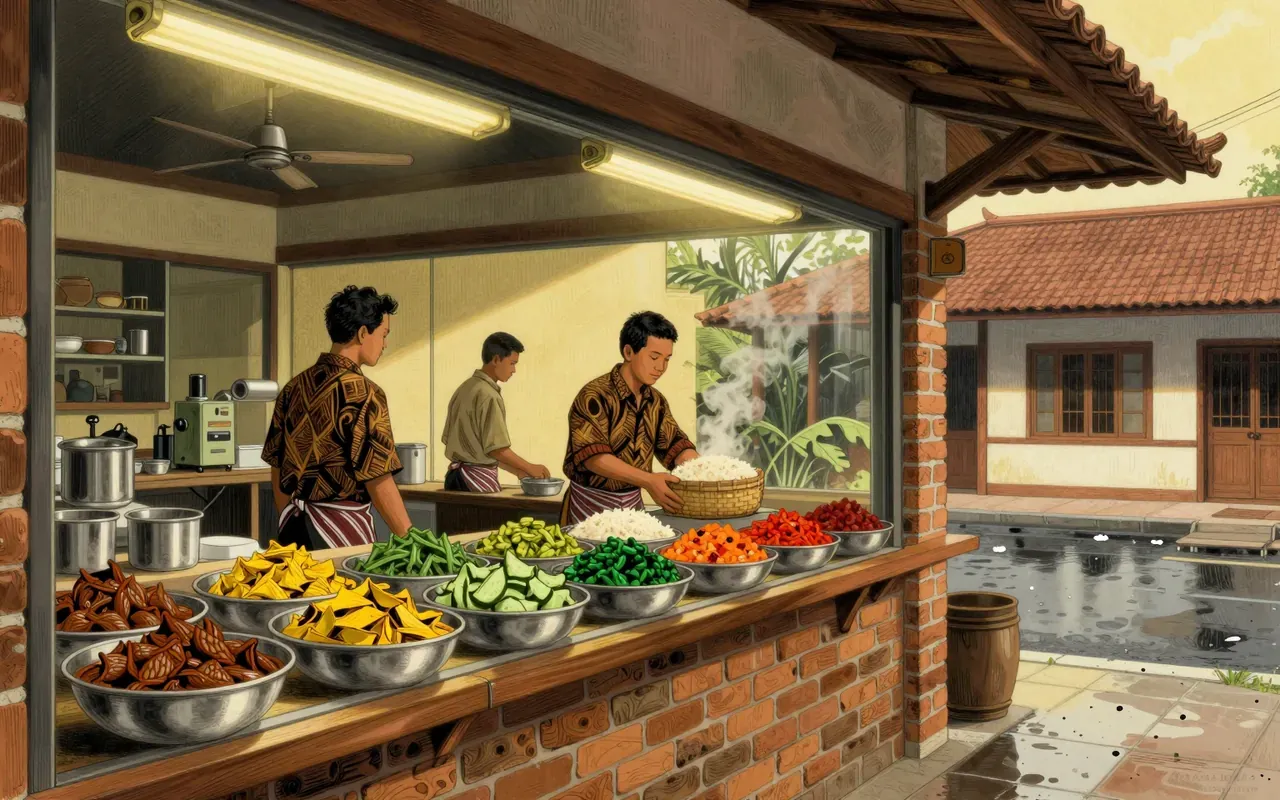
Nasi padang

Steamed rice with pre-cooked Minangkabau dishes from West Sumatra, Indonesia, served in two distinct service styles.
1:11

Osechi

Osechi is a traditional Japanese New Year meal served in stacked lacquered boxes, composed of symbolic dishes meant to convey wishes for health and prosperity.
7:59

Pirog

Pirog isn’t a recipe—it’s a linguistic container for everything East Slavic baking refuses to name separately.
9:32

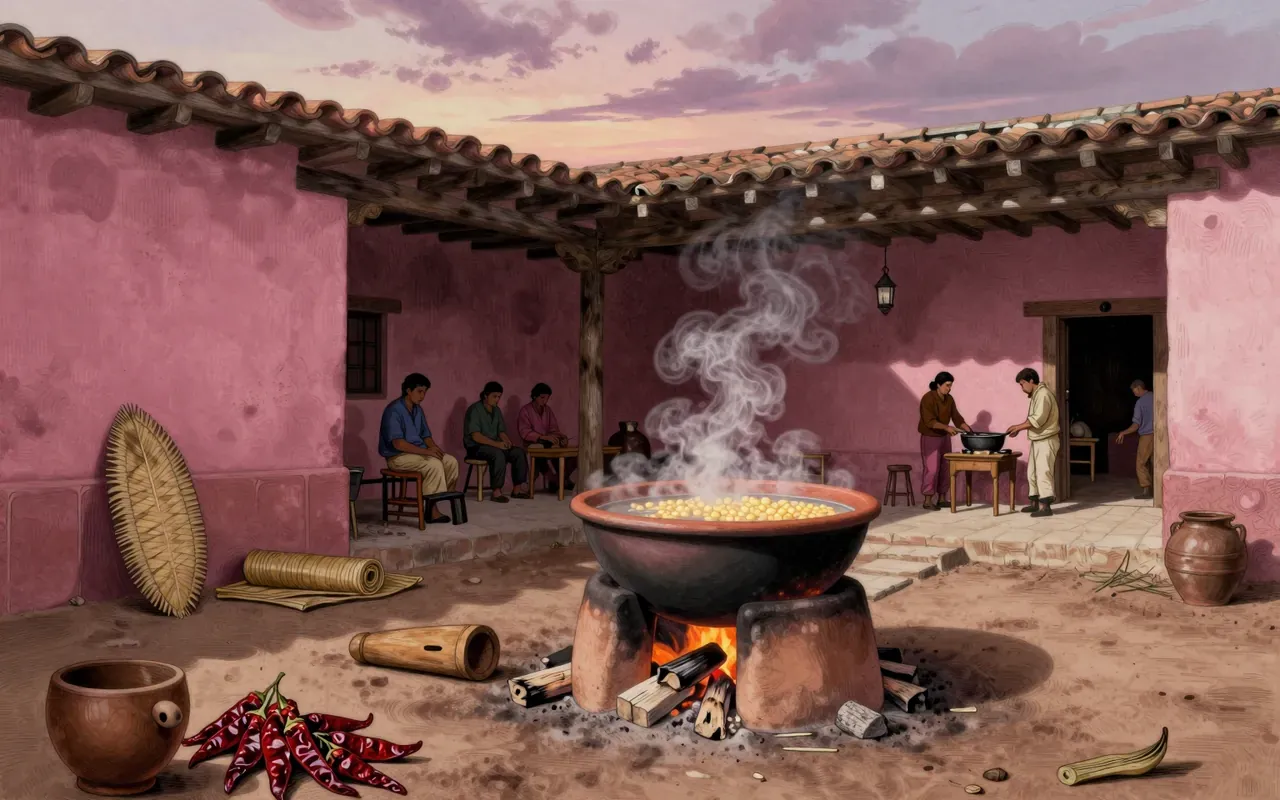
Pozole

Pozole isn’t comfort food—it’s a ritual vessel that holds Aztec cosmology, colonial erasure, and unresolved questions about what we choose to digest.
1:02

Rasgulla

A syrup-soaked cheese dumpling dessert from eastern South Asia, made from chhena balls simmered in sugar syrup.
0:57

Tteok

Tteok are Korean rice cakes made from steamed, pounded, or shaped rice flour.
1:08

Turkish coffee

A small, unfiltered coffee made by boiling very finely ground beans in a cezve, served with grounds suspended in the liquid.
1:16

Wagashi

Wagashi are traditional Japanese confections made primarily from plant-based ingredients and shaped to reflect seasonal themes.
1:18

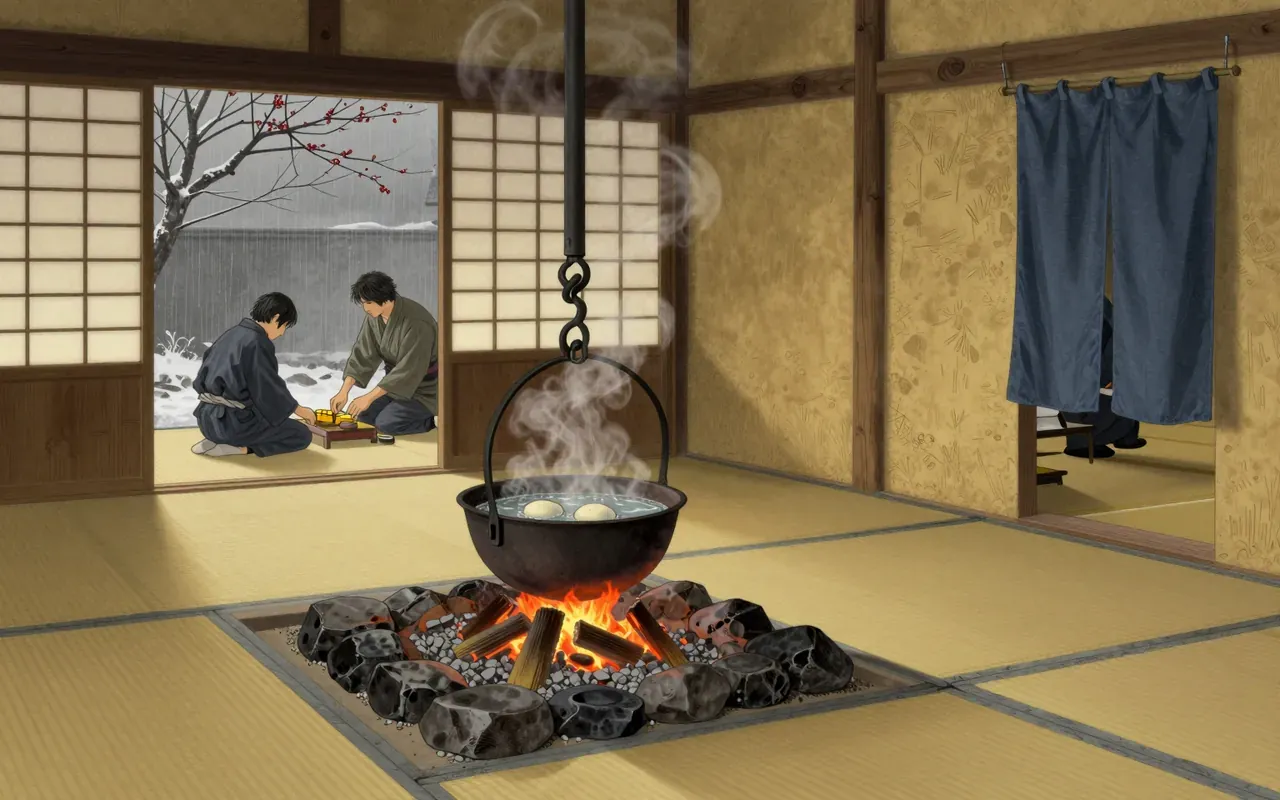
Zōni

A Japanese New Year soup with mochi rice cakes, boiled with miscellaneous ingredients.
10:01

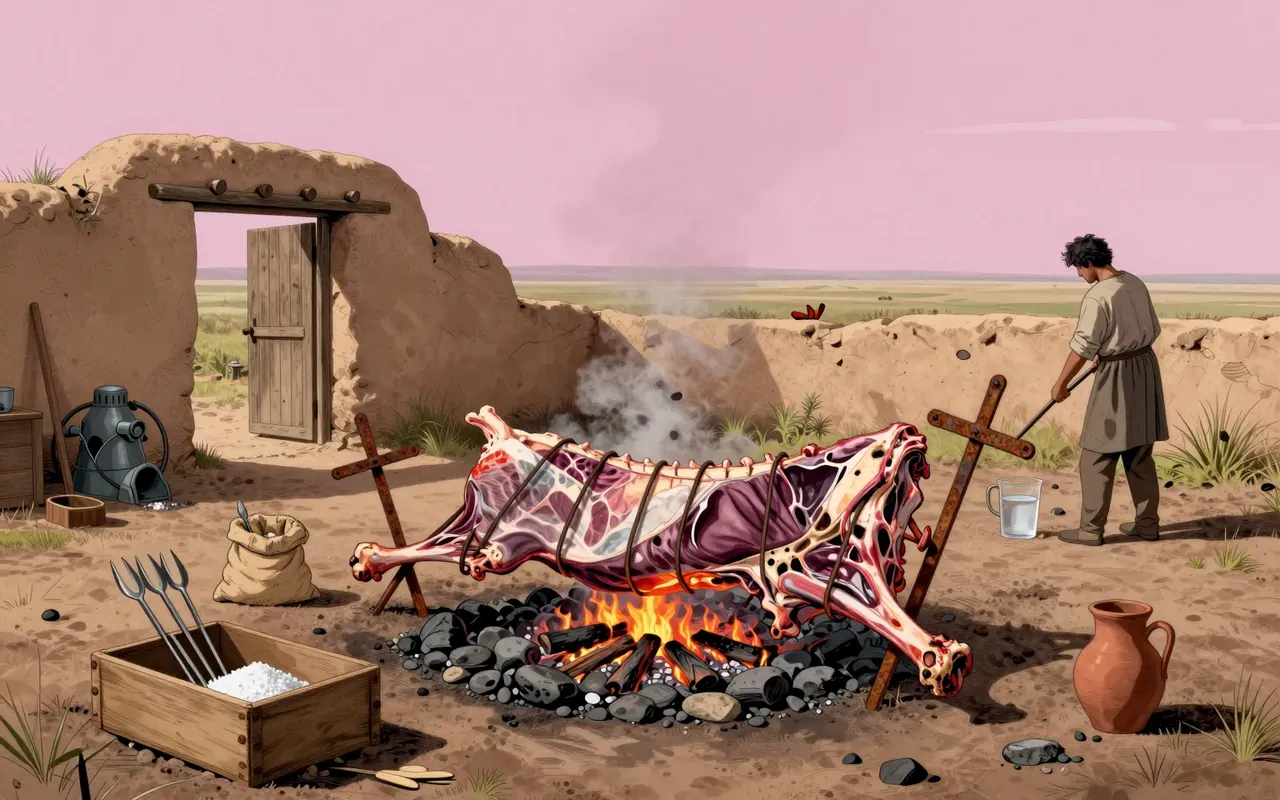
Asado

Asado isn’t barbecue—it’s a two-hour social contract written in smoke and salt.
9:32

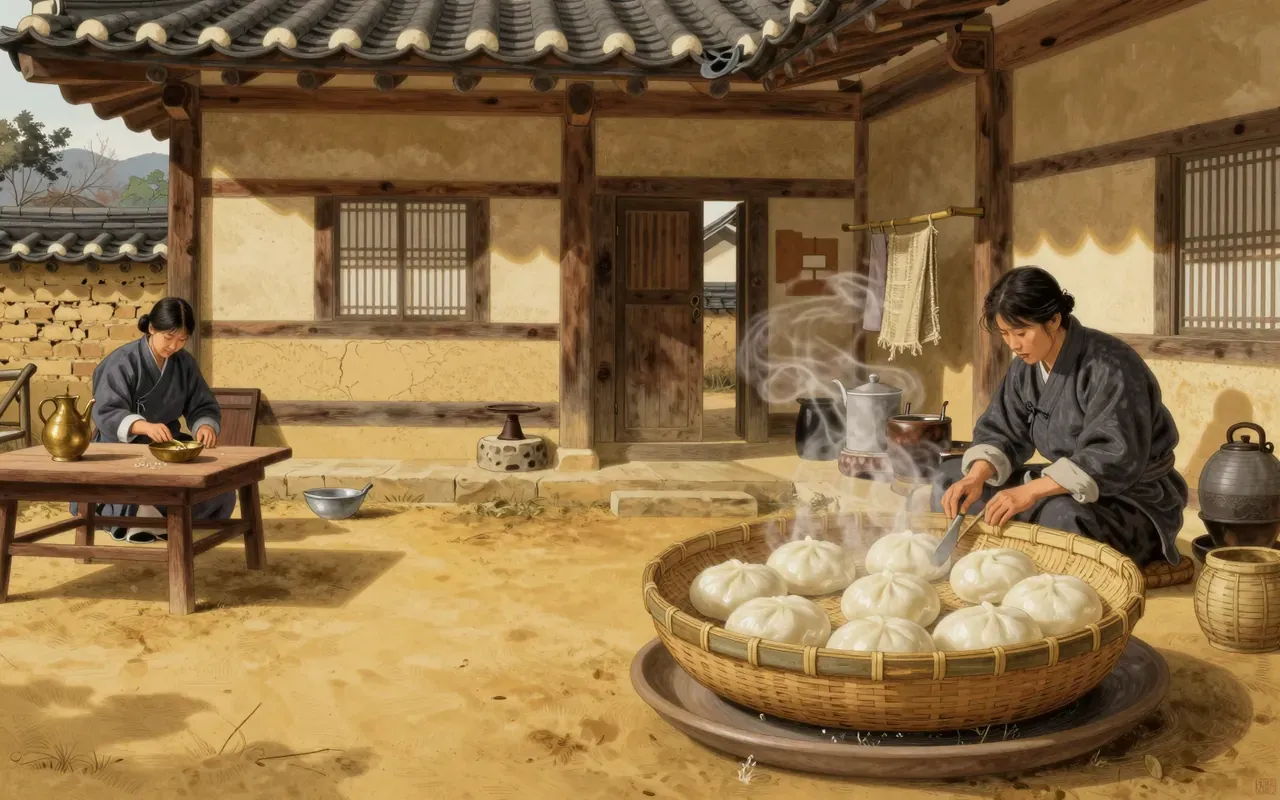
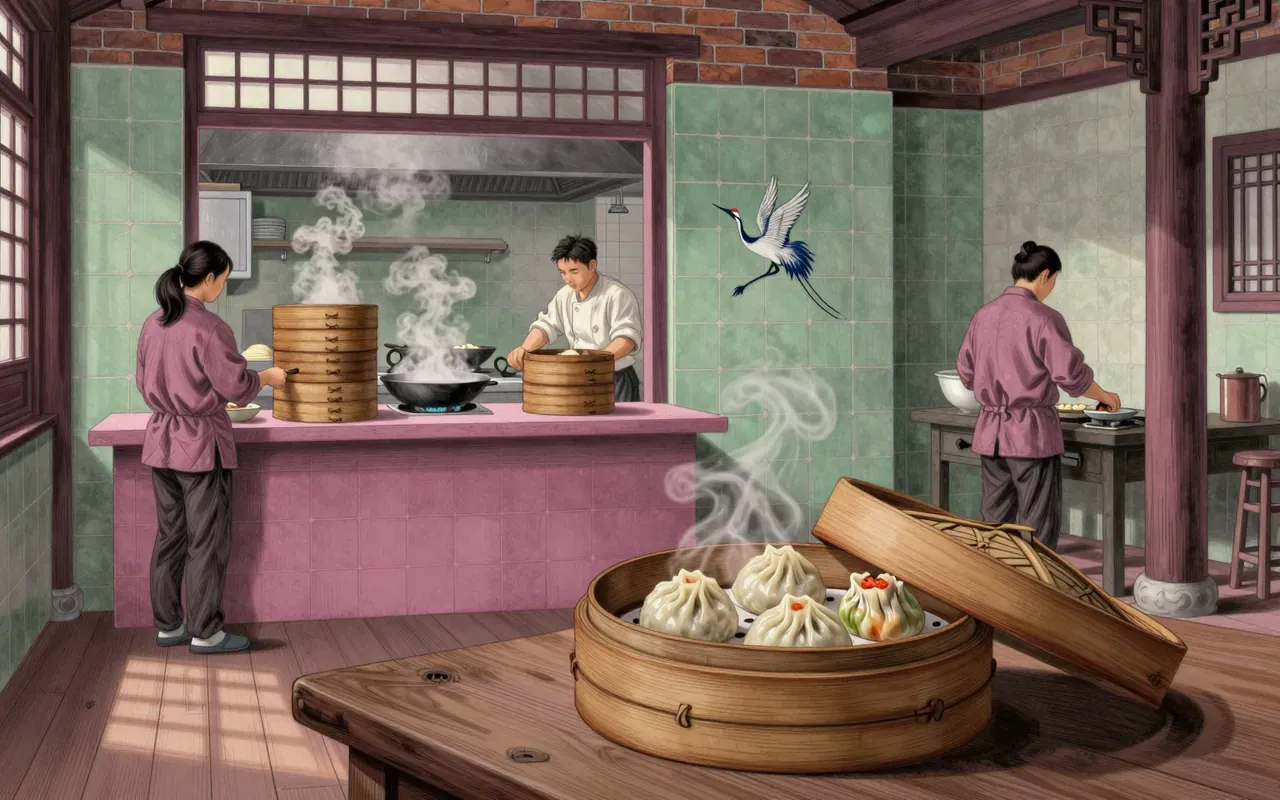
Dim sum

Dim sum isn’t about variety — it’s about pacing, presence, and the quiet insistence that meals belong to people, not schedules.