foodbriefs
8:16in productionCh. 1 · Origin: Karelia, not Finland/ 8:16 · ceiling 15 min
Dishes · Baking

Karelian pasty

Rye crust so thin it shatters. Rice so soft it yields. Butter so essential it’s non-negotiable.

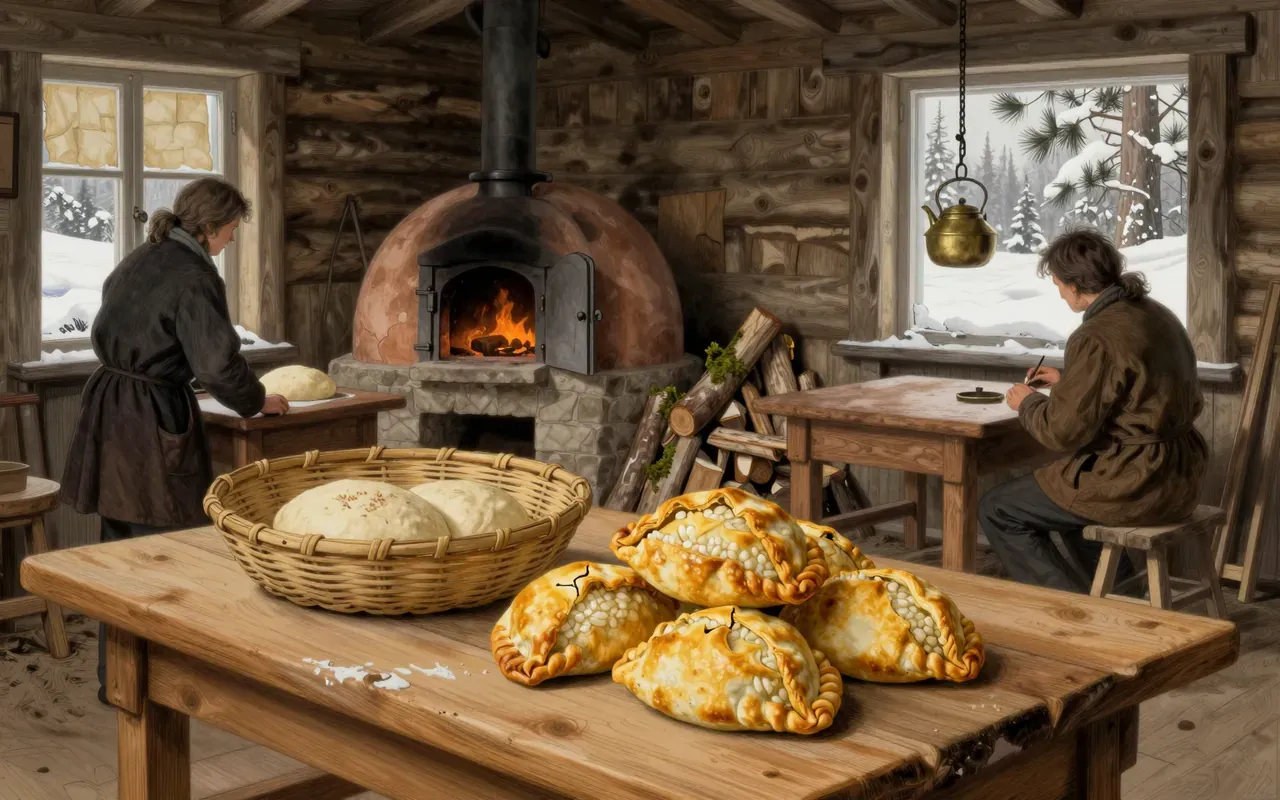
A Karelian pasty is a Finnish dish from Karelia. It has a thin rye crust and rice filling. Butter mixed with boiled egg is spread on it hot. It gained EU Traditional Speciality Guaranteed status in 2003.

Chapters & takeaways4
  1. 0:45
    Origin: Karelia, not Finland

    It is Karelian—not Finnish in general, not Scandinavian broadly—but rooted in a specific borderland region.

  2. 2:25
    Crust and filling, fixed

    Today’s standard uses thin rye crust and boiled rice—no wheat, no barley, no talkkuna.

  3. 4:00
    Topping is mandatory

    Butter, often mixed with chopped boiled egg, is applied hot—never omitted, never substituted.

  4. 5:00
    Protected, not preserved

    EU Traditional Speciality Guaranteed status since 2003 confirms its defined method and origin—not just folklore, but regulation.

Worth your time?

Yes. Cook the whole thing.

4.5/ 5
What works
  • Thin rye crust delivers sour-earthy crunch
  • Rice filling stays tender without slumping
  • Butter–egg topping adds fat and silk without masking grain
What does not
  • Use wheat as main flour
  • Include meat or cheese
  • Serve without butter or egg butter
Cook it if
  • Eaters who value textural contrast in savoury pastry
  • Those seeking grain-forward, low-fat, high-structure snacks
Skip it if
  • People expecting rich, creamy or meat-heavy fillings
  • Those allergic to rye or eggs
The written brief1 min read

What the dish is and where it came from

A Finnish baked pasty from Karelia. It has a thin rye crust and a rice filling. It holds EU Traditional Speciality Guaranteed status since 2003.

How it works, in terms someone would actually use

A thin rye crust is rolled out, filled with boiled rice, and baked until crisp-edged but pliant. Butter—often mixed with chopped boiled egg—is spread over the hot pasty just before eating.

What it gets right

The thin rye crust delivers sharp, sour-earthy crunch against yielding rice. The butter–egg topping adds fat, salt, and silk without masking the grain.

What it does not

It does not rely on dairy in the crust. It does not use wheat as a primary flour. It does not serve without butter or egg butter.

What it changed

It shifted from barley and talkkuna fillings to rice, and from thick rye crusts to thin ones—standardising around a delicate, open-faced form that prioritises contrast between brittle crust and soft filling.

Who it is for, and who it is not

It is for eaters who value structural clarity in savoury pastry—crust as vehicle, not barrier; filling as anchor, not filler. It is not for those seeking richness from cheese, meat or cream.

Is it worth your time

Yes—if you want a crisp, chewy, buttery bite with grain-forward depth and a clear regional signature. It demands attention to crust hydration and rice texture, not just assembly.

Same course · Dishes4 of 485
Up next in Food

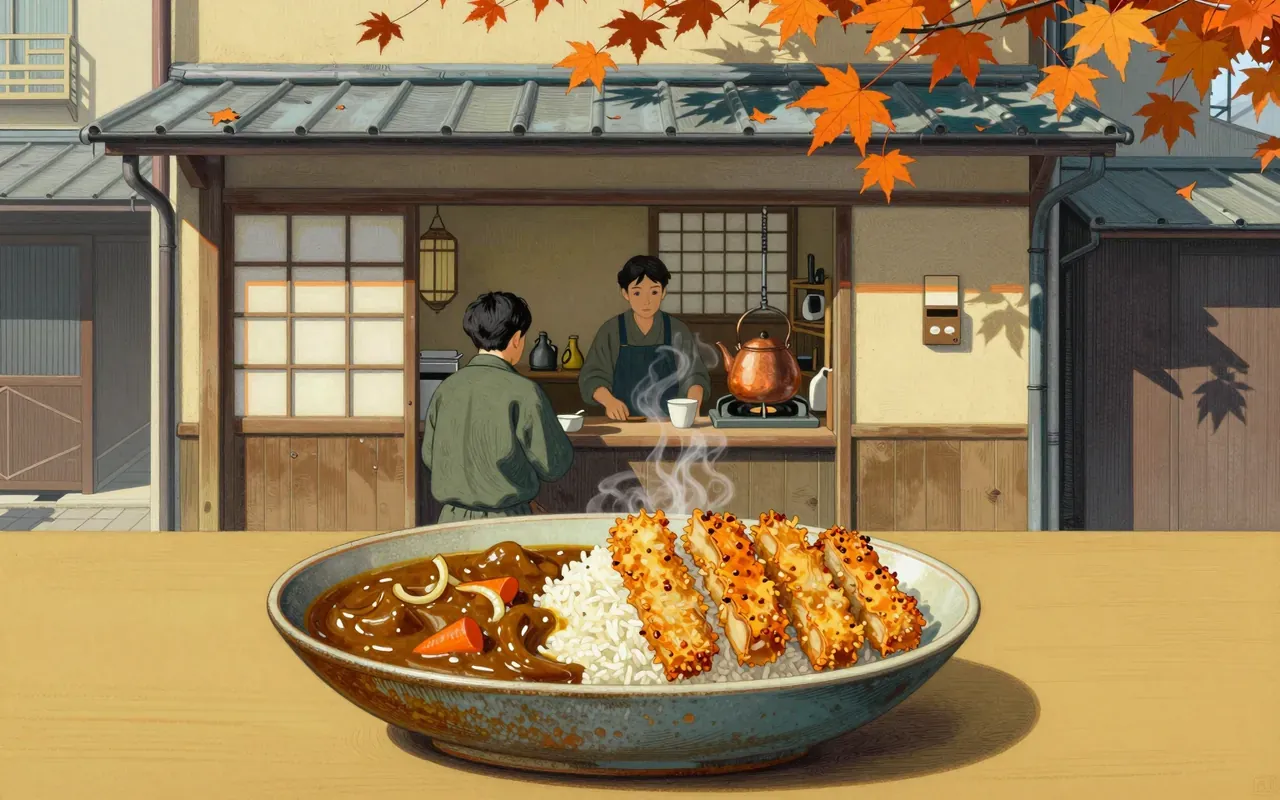
Katsu curry

1948 · 9:36

Katsu curry isn’t fusion—it’s logistics solved with a knife before the plate leaves the kitchen.

9:36