foodbriefs
0:53in productionCh. 1 · What the dish is and where it came from/ 0:53 · ceiling 15 min
Baking · Technique

Madeleine (cake)

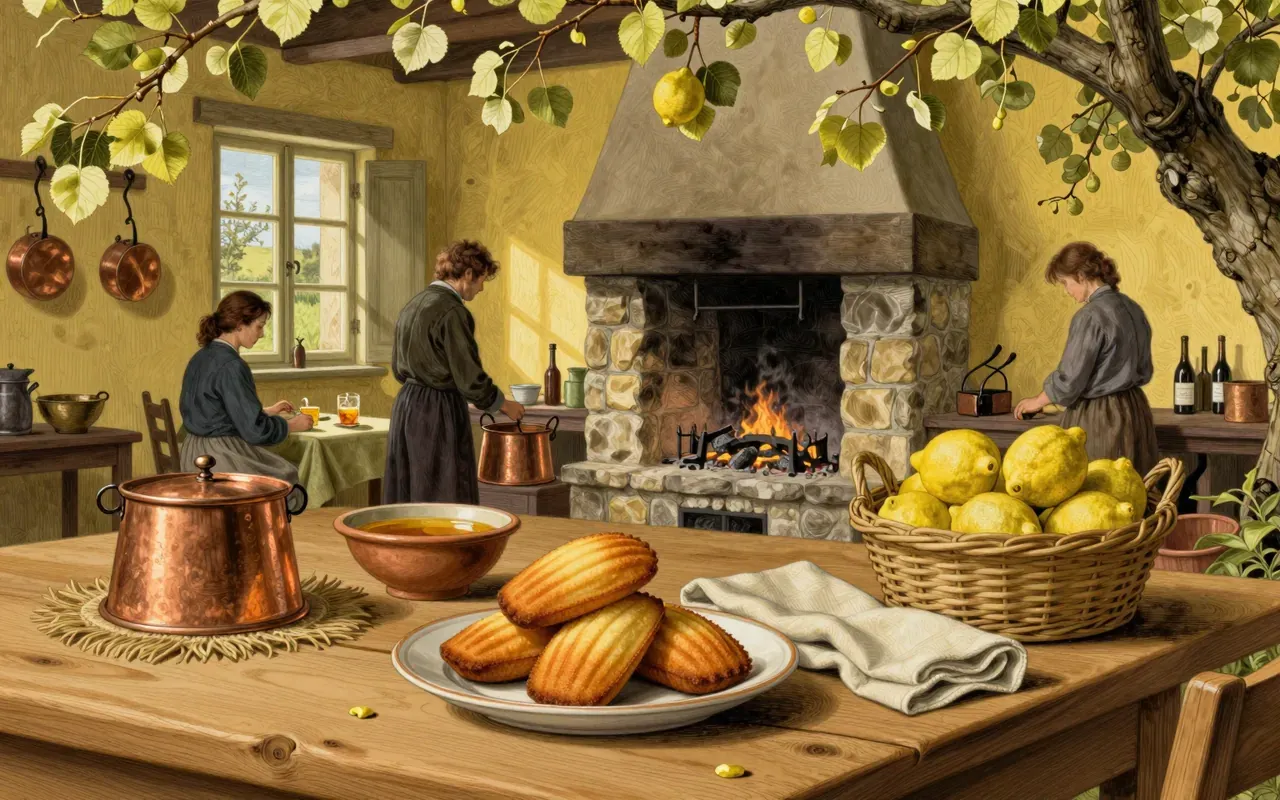
A small French sponge cake with a scalloped shell shape and a signature hump.

Madeleines are small traditional cakes from Commercy and Liverdun in Lorraine, northeastern France.

Chapters & takeaways7
  1. 0:00
    What the dish is and where it came from

    Madeleines are small traditional cakes from Commercy and Liverdun in Lorraine, northeastern France.

  2. 0:05
    How it works, in terms someone would actually use

    They are baked in shell-shaped metal pans using a génoise sponge batter, yielding a tender interior, crisp exterior, and a distinctive hump opposite the scalloped ridges.

  3. 0:15
    What it gets right

    The combination of defined shell pattern, hump, tender-crisp contrast, and sponge texture delivers visual and textural appeal.

  4. 0:22
    What it does not

    They are not large or flat; their form and structure depend on specific pans and batter type.

  5. 0:29
    What it changed

    Their commercial success began in the early 19th century, following broader 18th-century adoption of metal moulds in European baking.

  6. 0:37
    Who it is for, and who it is not

    They are for people who enjoy small, shaped sponge cakes with crisp-tender contrast.

  7. 0:47
    Is it worth your time

    Yes—if you want a small, visually distinct, tender-crisp sponge cake baked in a shell-shaped pan.
Worth your time?

Selectively. Start with the brief, then cook the parts we point at.

What works
  • The combination of defined shell pattern, hump, tender-crisp contrast, and sponge texture delivers visual and textural appeal.
What does not
  • They are not large or flat; their form and structure depend on specific pans and batter type.
Cook it if
    Skip it if
      The written brief1 min read

      What the dish is and where it came from

      Madeleines are small traditional cakes from Commercy and Liverdun in Lorraine, northeastern France.

      How it works, in terms someone would actually use

      They are baked in shell-shaped metal pans using a génoise sponge batter, yielding a tender interior, crisp exterior, and a distinctive hump opposite the scalloped ridges.

      What it gets right

      The combination of defined shell pattern, hump, tender-crisp contrast, and sponge texture delivers visual and textural appeal.

      What it does not

      They are not large or flat; their form and structure depend on specific pans and batter type.

      What it changed

      Their commercial success began in the early 19th century, following broader 18th-century adoption of metal moulds in European baking.

      Who it is for, and who it is not

      They are for people who enjoy small, shaped sponge cakes with crisp-tender contrast. They are not for those seeking flat, unfussy, or non-moulded cakes.

      Is it worth your time

      Yes—if you want a small, visually distinct, tender-crisp sponge cake baked in a shell-shaped pan.
      Same course · Baking4 of 19
      Up next in Food

      Makgeolli

      · 0:59

      A milky, mildly alcoholic Korean rice wine made with nuruk.

      0:59