1:01in productionCh. 1 · What the dish is and where it came from/ 1:01 · ceiling 15 min
Dishes
Manakish
A Levantine flatbread pastry topped with za'atar, cheese, or ground meat, traditionally shaped by hand and baked in communal or tabun ovens.
Manakish is a popular Levantine pastry made of dough topped with za'atar, cheese, or ground meat. It originates in the Levant and is known by the singular form man'ousheh.
Manakish is a popular Levantine pastry made of dough topped with za'atar, cheese, or ground meat.
0:12
How it works, in terms someone would actually use
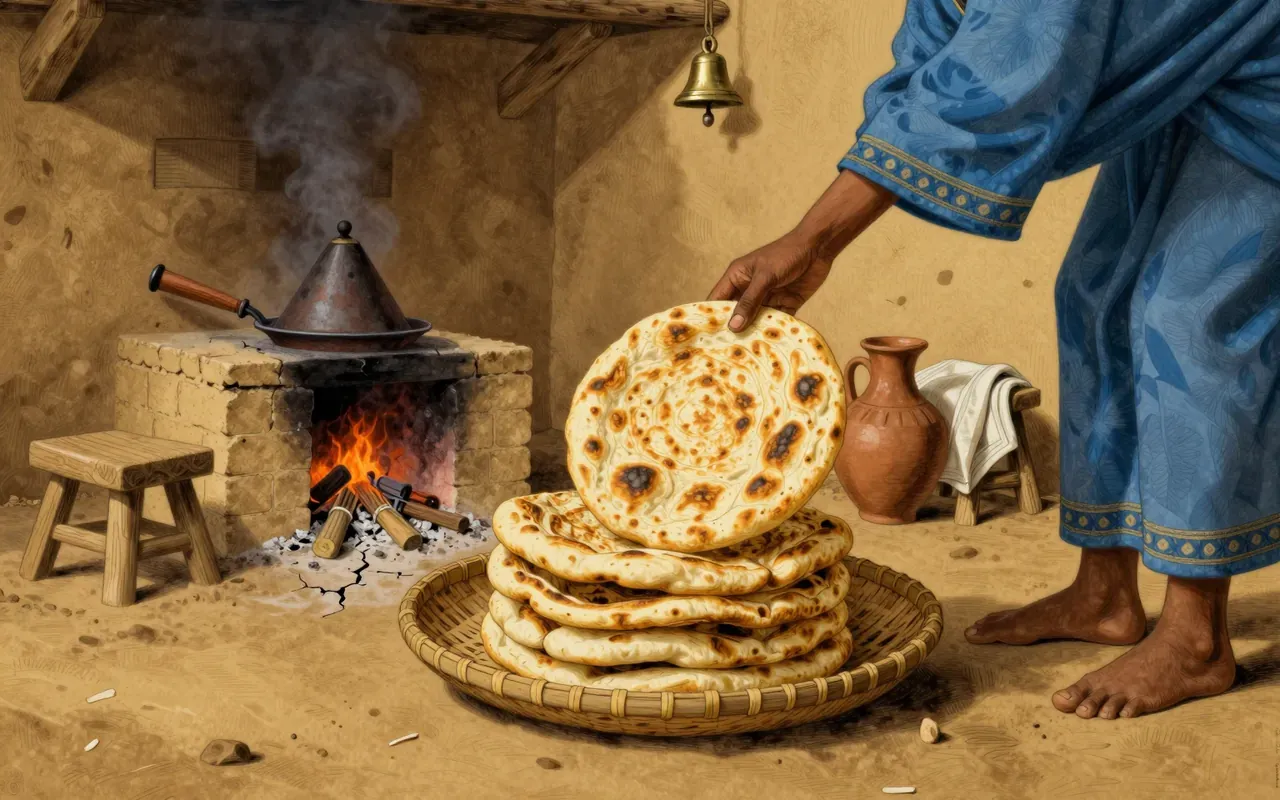
After rolling the dough flat, it is pressed with fingertips to create small dips that hold the topping.
0:23
What it gets right
It offers clear format variety: three distinct topping options let people choose based on preference for herbaceous, dairy, or meat flavors.
0:31
What it does not
The meat filling makes it less suitable if you prefer a vegetarian dish.
0:36
What it changed
It shifted from daily family bread to a breakfast item prepared in smaller portions with varied toppings.
0:43
Who it is for, and who it is not
It is for people who want a handheld, topped flatbread at breakfast or as a snack.
0:55
Is it worth your time
Yes—it is a widely available, culturally rooted option with simple, defined variations suited to quick meals.
Worth your time?
Selectively. Start with the brief, then cook the parts we point at.
What works
It offers clear format variety: three distinct topping options let people choose based on preference for herbaceous, dairy, or meat flavors.
What does not
The meat filling makes it less suitable if you prefer a vegetarian dish.
Cook it if
Skip it if
The written brief1 min read
What the dish is and where it came from
Manakish is a popular Levantine pastry made of dough topped with za’atar, cheese, or ground meat. It originates in the Levant and is known by the singular form man’ousheh.
How it works, in terms someone would actually use
After rolling the dough flat, it is pressed with fingertips to create small dips that hold the topping. It is baked in a tabun, saj, or taboon oven.
What it gets right
It offers clear format variety: three distinct topping options let people choose based on preference for herbaceous, dairy, or meat flavors.
What it does not
The meat filling makes it less suitable if you prefer a vegetarian dish.
What it changed
It shifted from daily family bread to a breakfast item prepared in smaller portions with varied toppings.
Who it is for, and who it is not
It is for people who want a handheld, topped flatbread at breakfast or as a snack. It is not for those avoiding gluten, dairy, or meat—depending on the chosen topping.
Is it worth your time
Yes—it is a widely available, culturally rooted option with simple, defined variations suited to quick meals.