Roti is a round, unleavened flatbread originating from the Indian subcontinent.
0:04
How it works, in terms someone would actually use
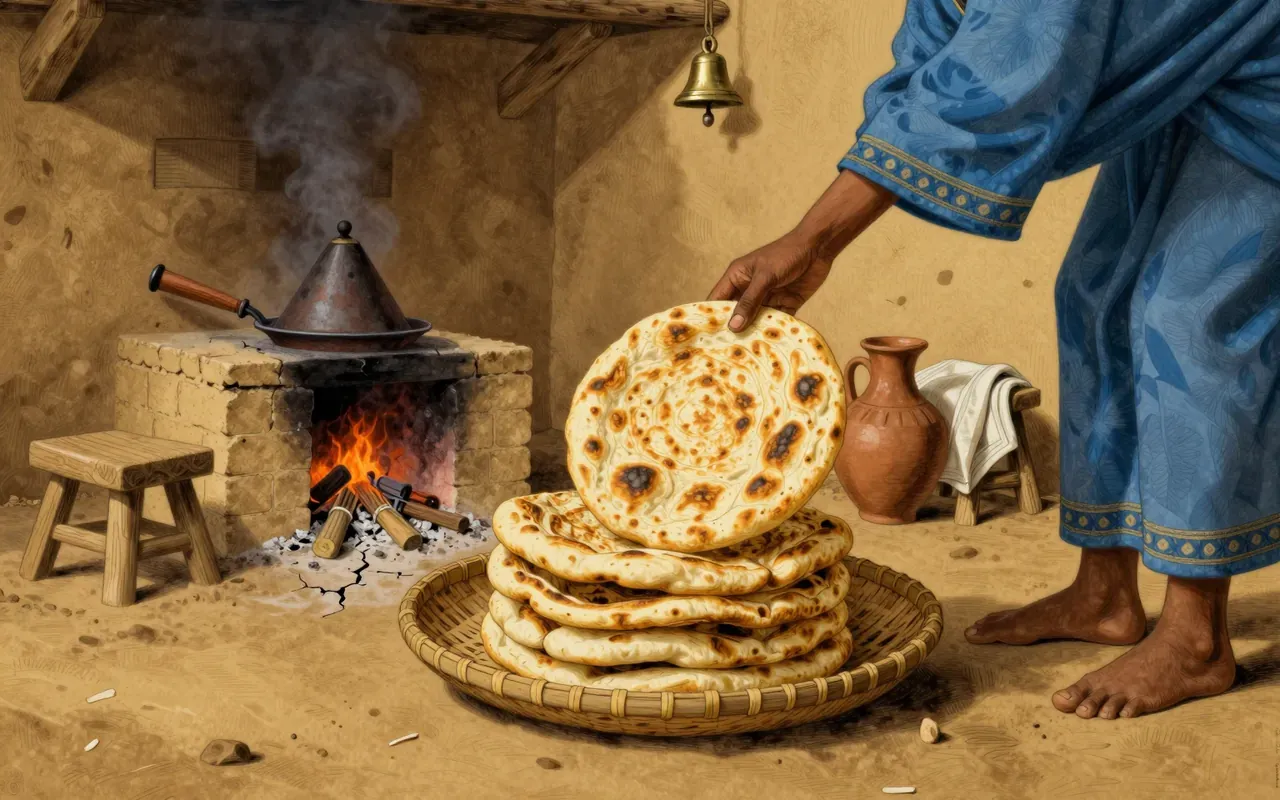
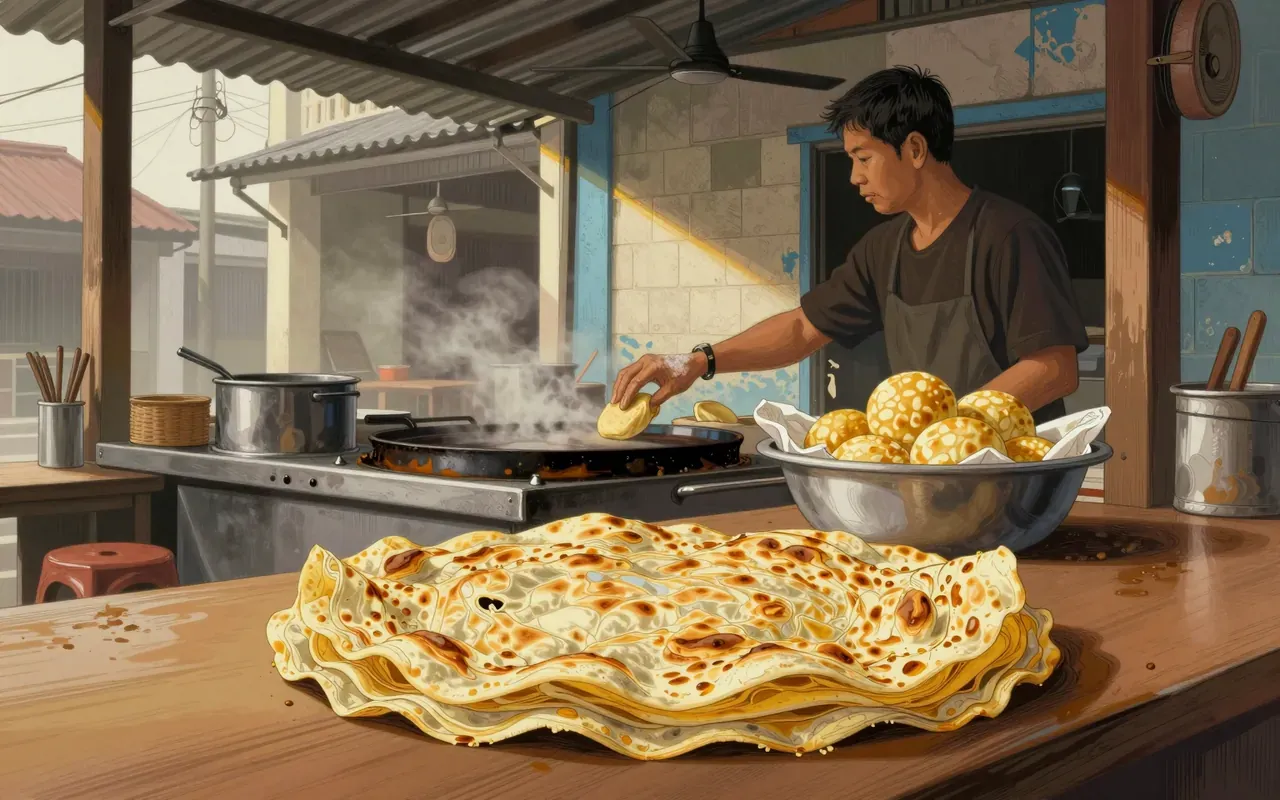
It is made by mixing flour, water, and optionally salt or butter/oil into a dough; resting it; dividing it into balls; flattening each with a rolling pin; then cooking on a tava (flat iron griddle) or, in the tandoori version, sticking it to the inner wall of a tandoor oven.
0:24
What it gets right
It gets right simplicity and directness: whole-wheat atta, no leavening, minimal added ingredients—making it light, neutral, and structurally suited for scooping or wrapping.
0:33
What it does not
The unleavened whole-wheat version offers a different form from a tall, leavened loaf; choose it for the flatbread itself.
0:41
What it changed
Griddle-cooked roti and tandoori roti show how the flatbread takes different forms according to its cooking surface.
0:48
Who it is for, and who it is not
It is for people seeking an unleavened, whole-wheat flatbread.
0:56
Is it worth your time
Yes—it delivers a straightforward, whole-grain flatbread using few ingredients and accessible tools.
Worth your time?
Selectively. Start with the brief, then cook the parts we point at.
What works
It gets right simplicity and directness: whole-wheat atta, no leavening, minimal added ingredients—making it light, neutral, and structurally suited for scooping or wrapping.
What does not
The unleavened whole-wheat version offers a different form from a tall, leavened loaf; choose it for the flatbread itself.
Cook it if
Skip it if
The written brief1 min read
What the dish is and where it came from
Roti is a round, unleavened flatbread originating from the Indian subcontinent.
How it works, in terms someone would actually use
It is made by mixing flour, water, and optionally salt or butter/oil into a dough; resting it; dividing it into balls; flattening each with a rolling pin; then cooking on a tava (flat iron griddle) or, in the tandoori version, sticking it to the inner wall of a tandoor oven.
What it gets right
It gets right simplicity and directness: whole-wheat atta, no leavening, minimal added ingredients—making it light, neutral, and structurally suited for scooping or wrapping.
What it does not
The unleavened whole-wheat version offers a different form from a tall, leavened loaf; choose it for the flatbread itself.
What it changed
Griddle-cooked roti and tandoori roti show how the flatbread takes different forms according to its cooking surface.
Who it is for, and who it is not
It is for people seeking an unleavened, whole-wheat flatbread. It is not for those requiring leavened, gluten-free, or refined-flour breads.
Is it worth your time
Yes—it delivers a straightforward, whole-grain flatbread using few ingredients and accessible tools.