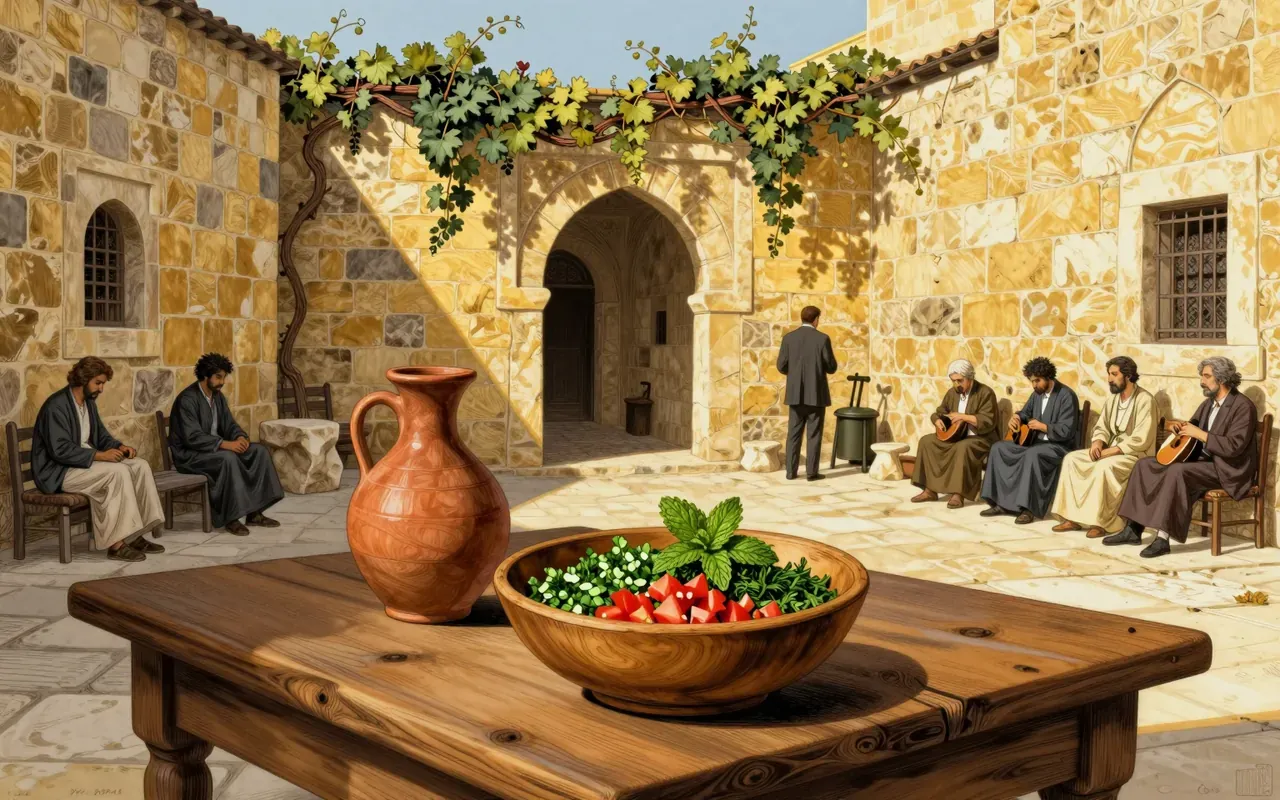
Tabbouleh is a Levantine salad originating in the mountains of Lebanon and Syria.
0:10
How it works, in terms someone would actually use
It is made by combining finely chopped parsley, soaked bulgur, tomatoes, mint, and onion, then seasoning with olive oil, lemon juice, salt, and sweet pepper.
0:20
What it gets right
It gets right a strong herb-forward balance: traditional versions use more parsley than bulgur, with some Palestinian preparations described as 80 percent parsley.
0:29
What it does not
It does not prioritize bulgur—western adaptations flip the ratio, using more bulgur than parsley, which departs from the traditional herb-dominant structure.
0:37
What it changed
It changed in western adaptations, where bulgur increased relative to parsley.
0:41
Who it is for, and who it is not
It is for people who want a fresh, herb-rich, grain-accented salad.
0:50
Is it worth your time
It is worth your time if you enjoy parsley-forward, bright, uncooked vegetable salads with a light grain component.
Worth your time?
Selectively. Start with the brief, then cook the parts we point at.
What works
It gets right a strong herb-forward balance: traditional versions use more parsley than bulgur, with some Palestinian preparations described as 80 percent parsley.
What does not
It does not prioritize bulgur—western adaptations flip the ratio, using more bulgur than parsley, which departs from the traditional herb-dominant structure.
Cook it if
Skip it if
The written brief1 min read
What the dish is and where it came from
Tabbouleh is a Levantine salad originating in the mountains of Lebanon and Syria. It is now one of the most popular salads in the Middle East.
How it works, in terms someone would actually use
It is made by combining finely chopped parsley, soaked bulgur, tomatoes, mint, and onion, then seasoning with olive oil, lemon juice, salt, and sweet pepper.
What it gets right
It gets right a strong herb-forward balance: traditional versions use more parsley than bulgur, with some Palestinian preparations described as 80 percent parsley.
What it does not
It does not prioritize bulgur—western adaptations flip the ratio, using more bulgur than parsley, which departs from the traditional herb-dominant structure.
What it changed
It changed in western adaptations, where bulgur increased relative to parsley.
Who it is for, and who it is not
It is for people who want a fresh, herb-rich, grain-accented salad. It is not for people seeking a bulgur-heavy or grain-dominant dish.
Is it worth your time
It is worth your time if you enjoy parsley-forward, bright, uncooked vegetable salads with a light grain component.
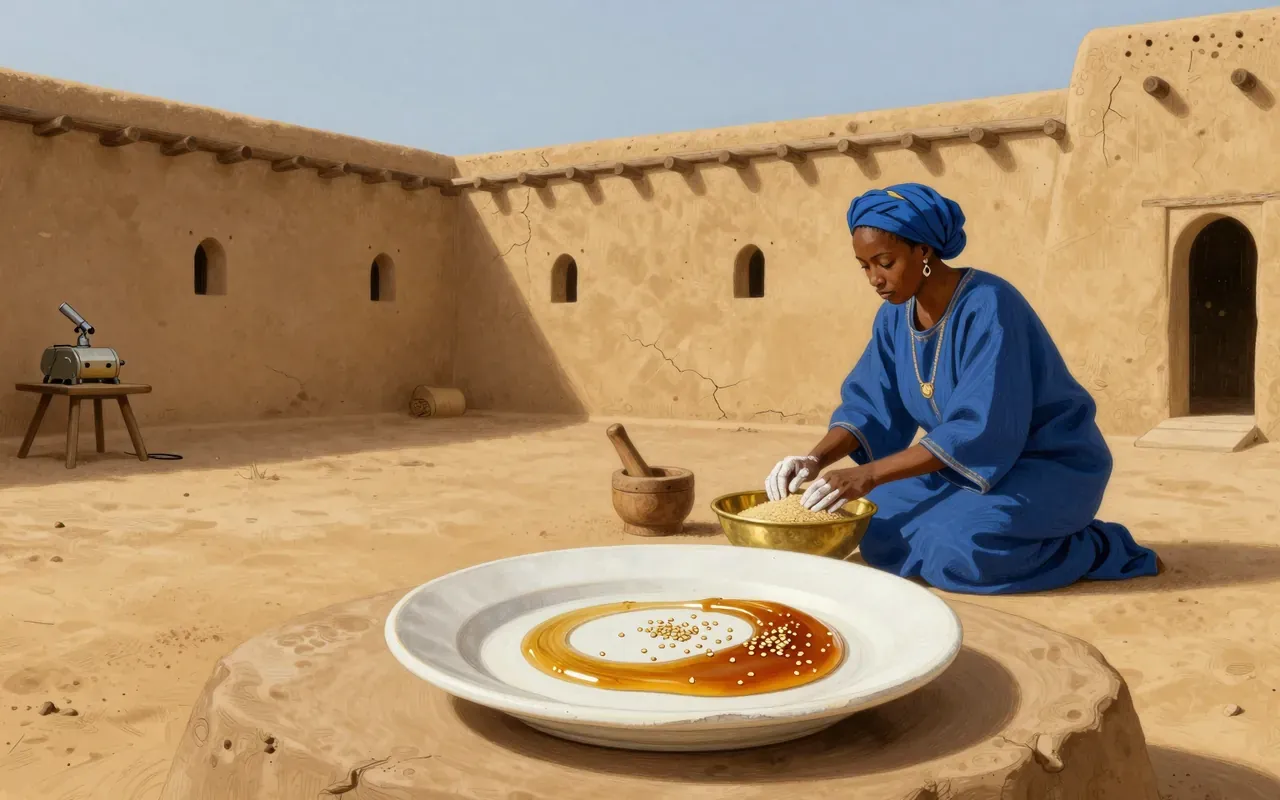
A creamy, oily paste made from toasted, ground sesame kernels, used across multiple regions as a condiment, bread accompaniment, or ingredient in dishes like hummus.