What the thing is
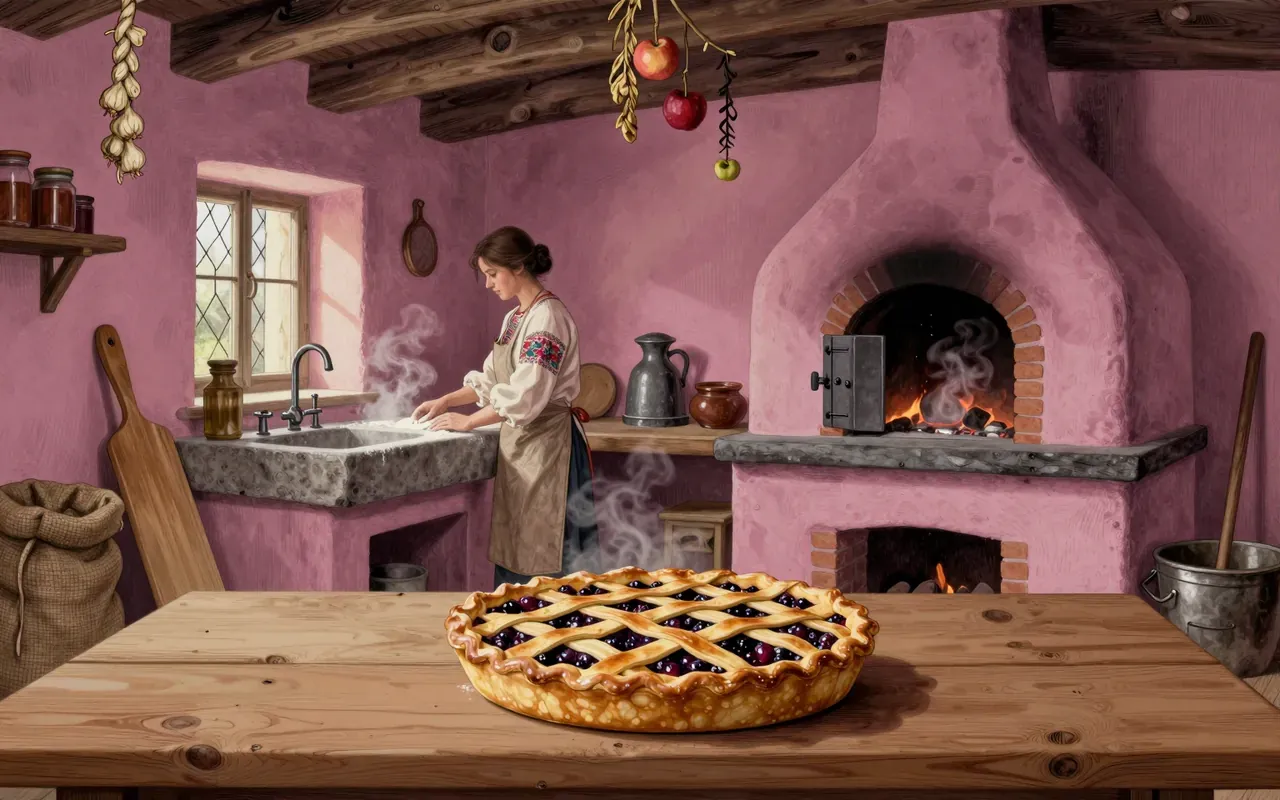
A baked dough case with sweet or savory filling.
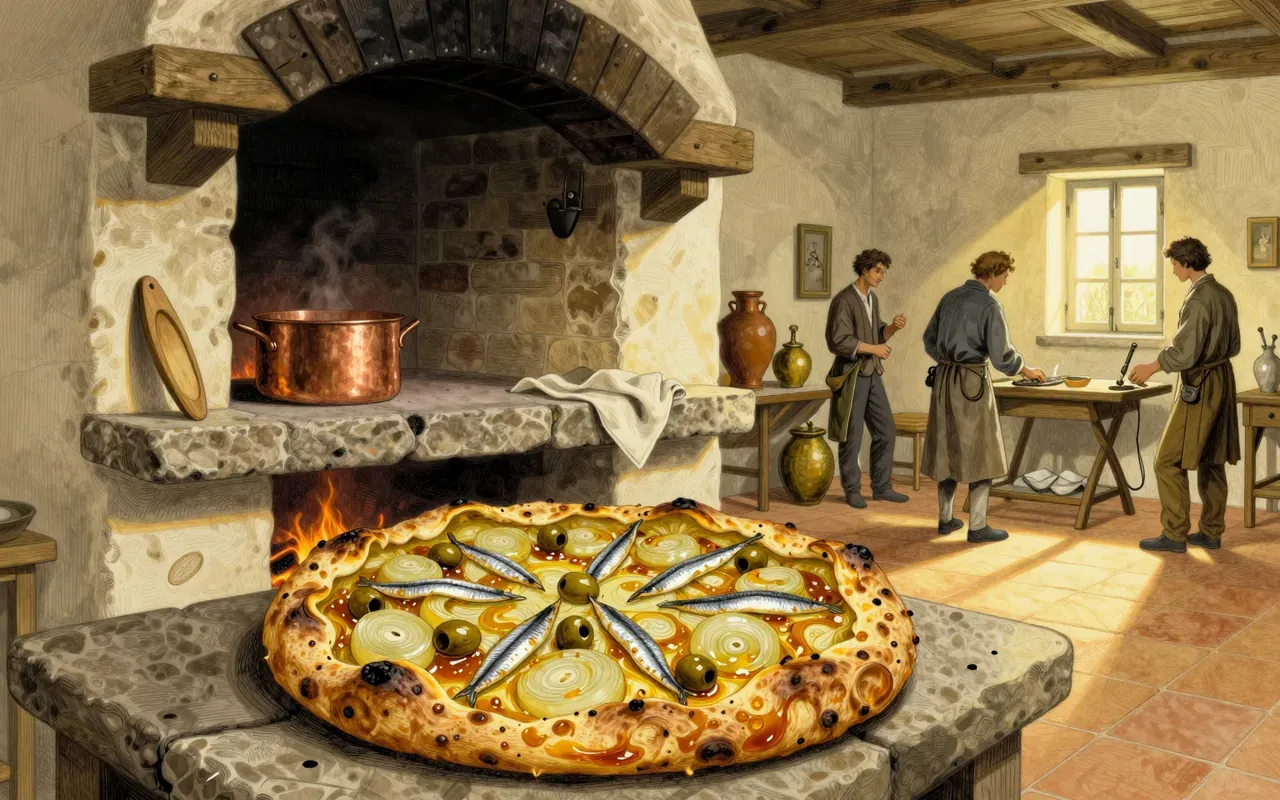
The dish is common in Finnish and Eastern European cuisines. Pirogi come in different shapes and forms: often oblong with tapering ends, but also circular or rectangular, and either closed or open-faced with no crust on top. The Russian plural, pirogi, should not be confused with Polish pierogi, which are dumplings similar to Russian pelmeni or varenyky.
The dough is usually yeast-raised, which distinguishes pirogi from pies and pastries common in other cuisines. In former times the dough for Russian pirogi was made predominantly of rye flour; later it was mixed with wheat flour, and nowadays mainly wheat flour is used. There are also variants made from shortcrust, flaky or puff pastry.
Sweet fillings may contain tvorog or cottage cheese, fruits such as apples, plums or berries, jam, honey, nuts or poppy seeds. Savory versions may hold meat, fish, poultry, variety meats, eggs, mushrooms, cabbage, scallions, rice, buckwheat groats, potato, or a mixture of these. In Ukrainian and Russian cuisines, savory pirogi, and their smaller versions called pirozhki, may be served as an accompaniment to clear borscht, broth or consommé, or eaten on their own.
Where it came from
Proto-Slavic ‘pir’, meaning ‘banquet’ or ‘festivity’; with parallel use in Finno-Ugric languages including Finnish, Estonian and Northern Sami.
What it gets right
It names a category, not a recipe. It holds space for rye and wheat, yeast and shortcrust, tvorog and plums, oblong and circular, closed and open-faced.
Several types have names of their own. Coulibiac is a middle-size Russian pirog of oblong shape with a complex filling. Kurnik, “chicken pirog”, also known as wedding pirog or tsar pirog, is a dome-shaped savory Russian pirog usually filled with chicken, eggs, onions, kasha or rice. Rasstegai, “unbuttoned pirog”, has a hole in the top. Pirozhki, literally “small pirogi”, are individual-sized buns that can be eaten with one hand. Vatrushka is a small sweet pirog formed as a ring of dough with quark in the middle, popular in all Eastern Slavic cuisines. Shanga is a small or medium-size open-faced circular savory pirog widespread in the Urals and Siberia and described as of Finno-Ugric origin, spread from Karelia to the Ob.
What it gets wrong
It collapses distinction. Calling every pie, pastry and cake a ‘pirog’ erases technique, intention and regional specificity—especially where crust type, leavening and function diverge sharply.
In East-Slavic languages pirog is a generic term for virtually any kind of pie, pastry or cake. Karelian pastry, the Jewish knish and charlotte cake are all considered types of pirog in Eastern Europe, as are poppy seed roll and nut roll. Similar West Slavic pastries, such as Czech and Slovak kolach and Polish kołacz, usually have sweet fillings.
Why it matters now
Because it reveals how food terms migrate not just across borders but across grammars—turning ritual into syntax, and festivity into a noun that fits any oven.
Is it worth your time
Yes—if you care about how language shapes food, or how a single word absorbs centuries of ritual, migration and adaptation.